In the modern era of gaming, our libraries are no longer constrained by physical shelf space. With digital storefronts offering constant sales and massive subscription services like Game Pass and PS Plus, the average gamer’s "backlog" has become a sprawling, digital landscape. However, quantity often leads to a paradox of choice. We find ourselves staring at hundreds of titles, unsure of what to play next.
The secret to maximizing gaming enjoyment often lies in curation—not just playing one great game at a time, but finding "companion" titles that enhance, contrast, or provide a necessary palate cleanser for one another. Just as a sommelier pairs a specific wine with a meal to elevate the flavors, gamers can pair titles to create a more balanced, satisfying hobbyist experience. Whether it is shifting from a high-intensity shooter to a cozy farming sim, or exploring two halves of a connected narrative, here are 10 pairs of games that are best played together.
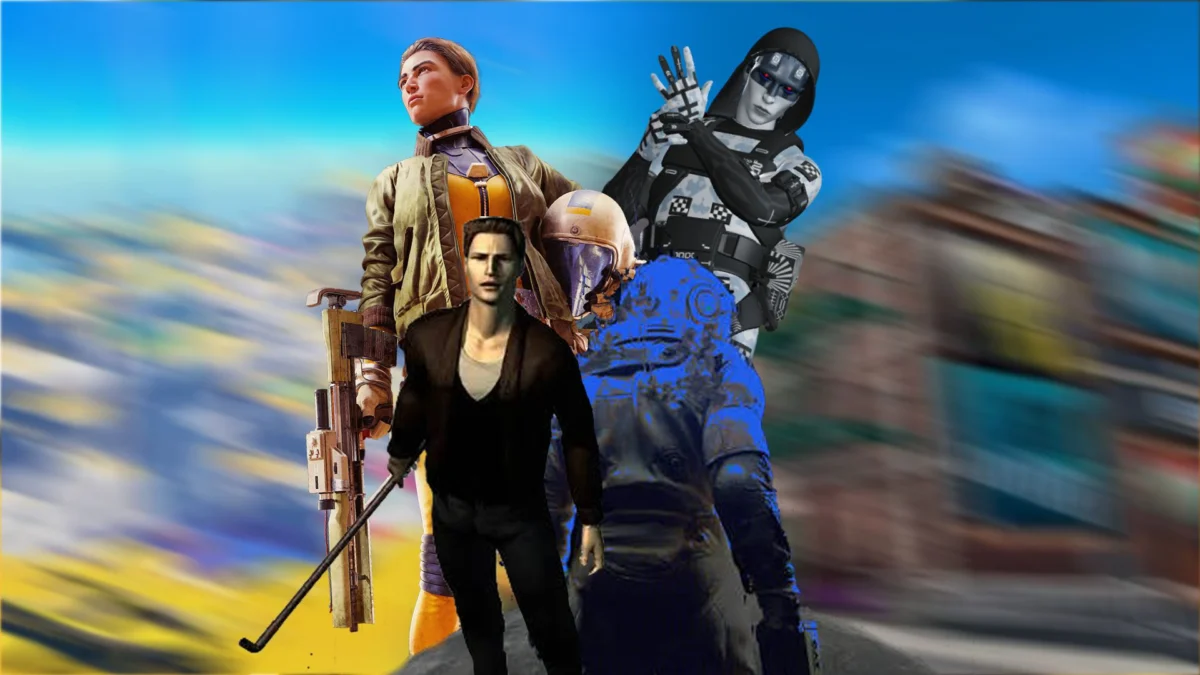
10. ARC Raiders and Marathon: The Shooter’s Dichotomy
The landscape of extraction shooters is currently defined by high-stakes tension and brutal gameplay loops. Both ARC Raiders and Marathon have dominated headlines, not just for their development cycles, but for their distinct approaches to the subgenre.
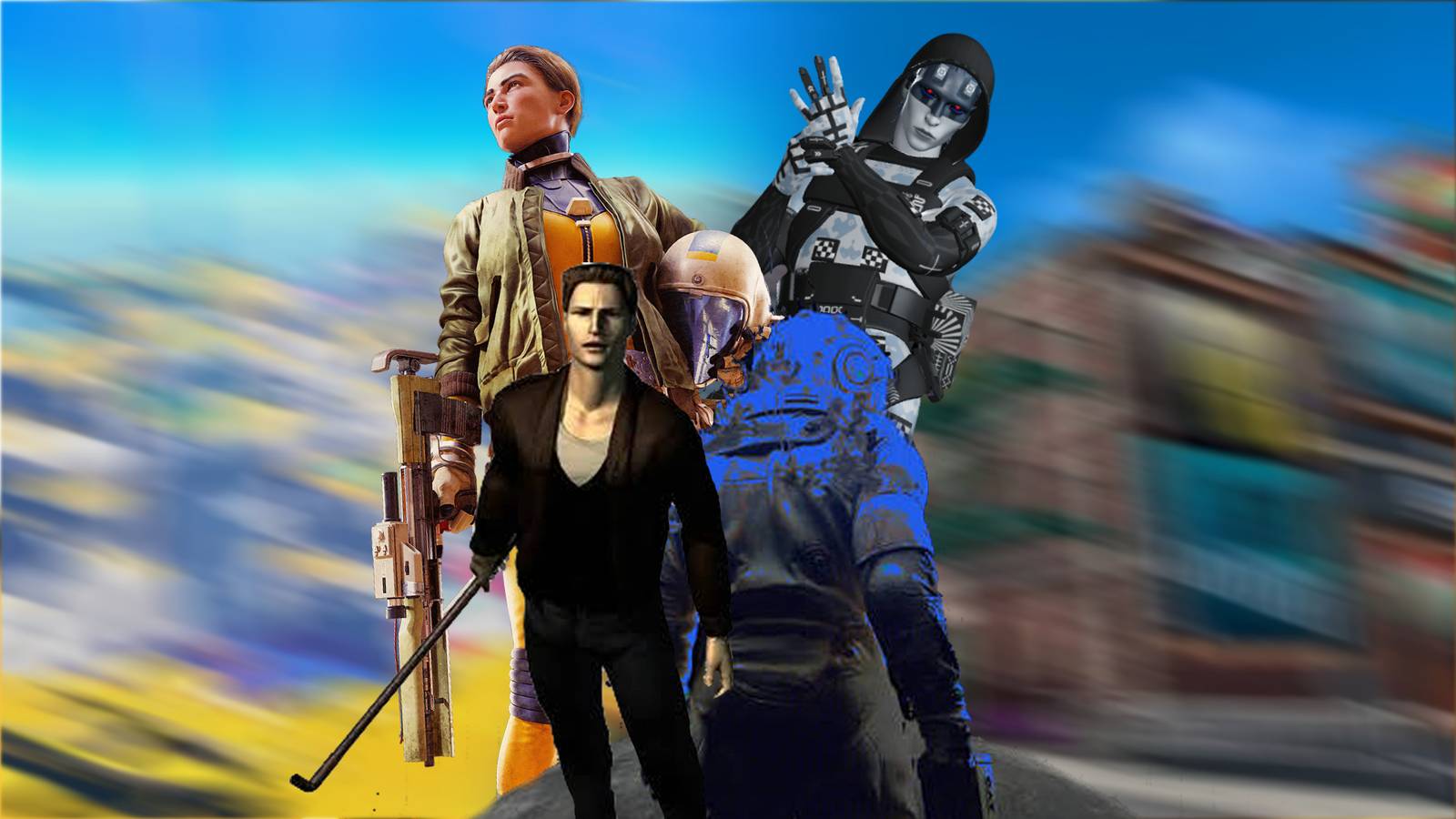
The Contrast:
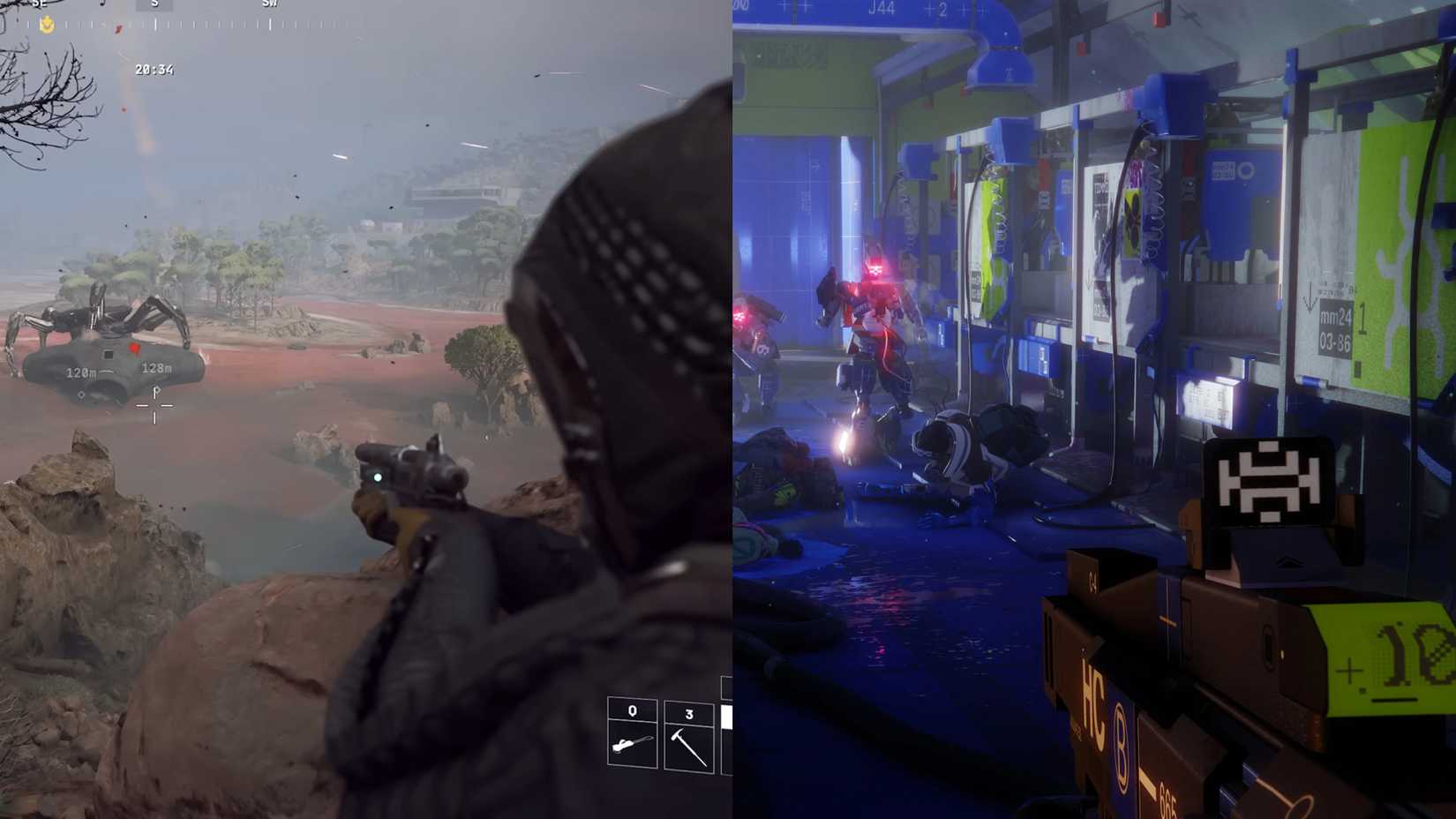
ARC Raiders offers a grittier, more grounded, and often desperate survival experience. It forces players to reckon with a hostile, futuristic environment where every resource is precious. Conversely, Marathon leans into a vibrant, abstract aesthetic that feels almost hyper-kinetic.
Why they pair well:
When the constant tension of ARC Raiders becomes too taxing, the fast-paced, PvP-focused nature of Marathon provides a refreshing change of pace. One is about surviving the world; the other is about mastering the movement and combat against other players. By switching between them, players avoid the burnout that often accompanies the "hardcore" nature of modern extraction shooters.
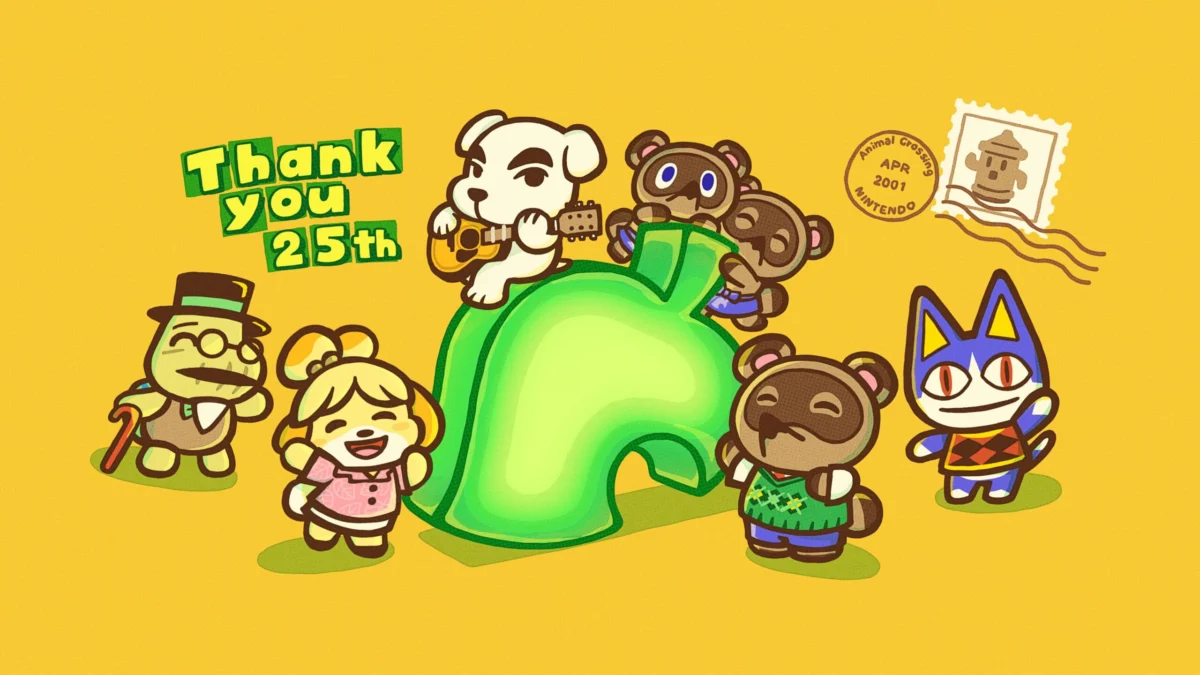
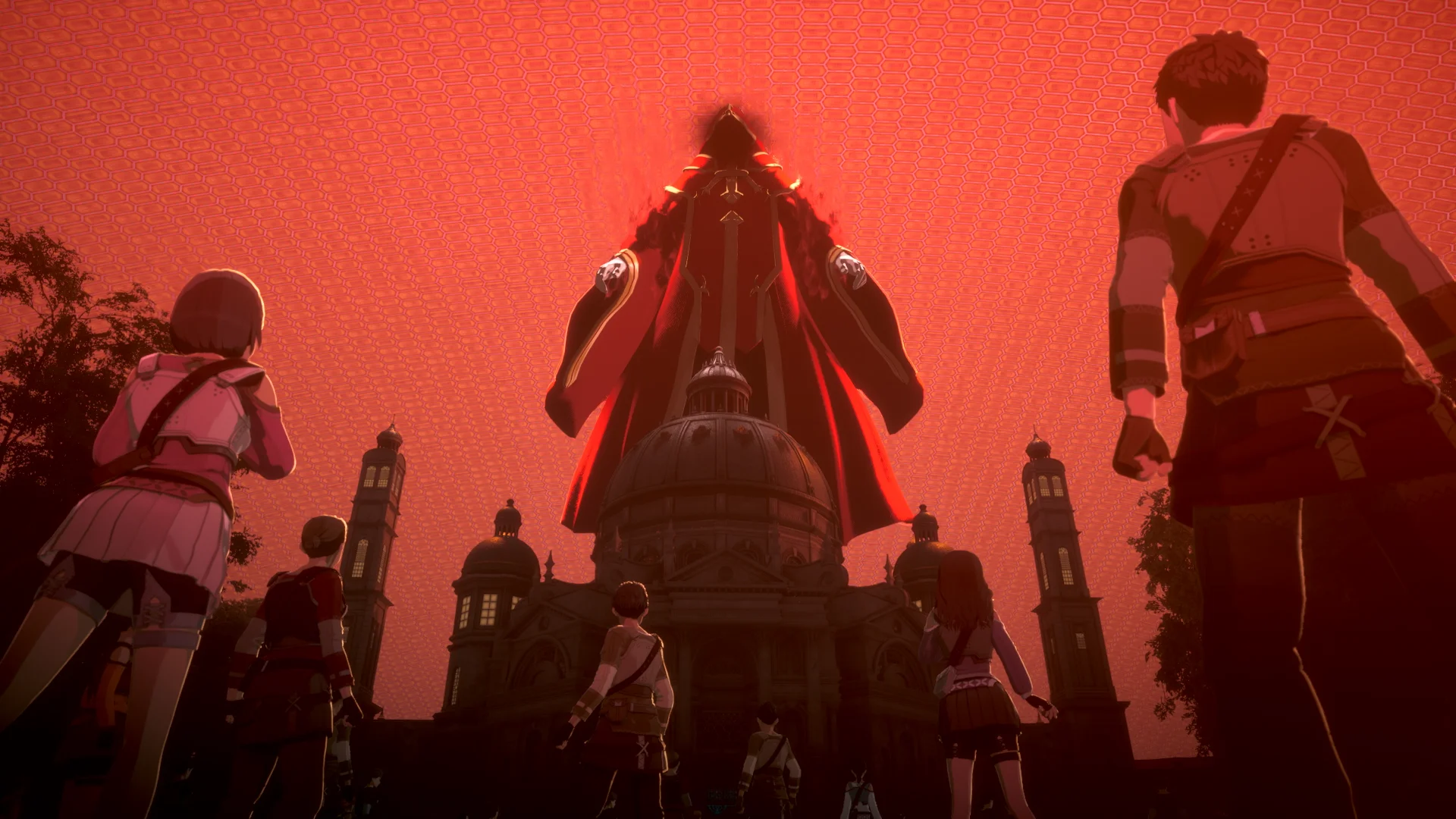
9. Animal Crossing: New Horizons and Harvestella: Balancing the Cozy and the Epic
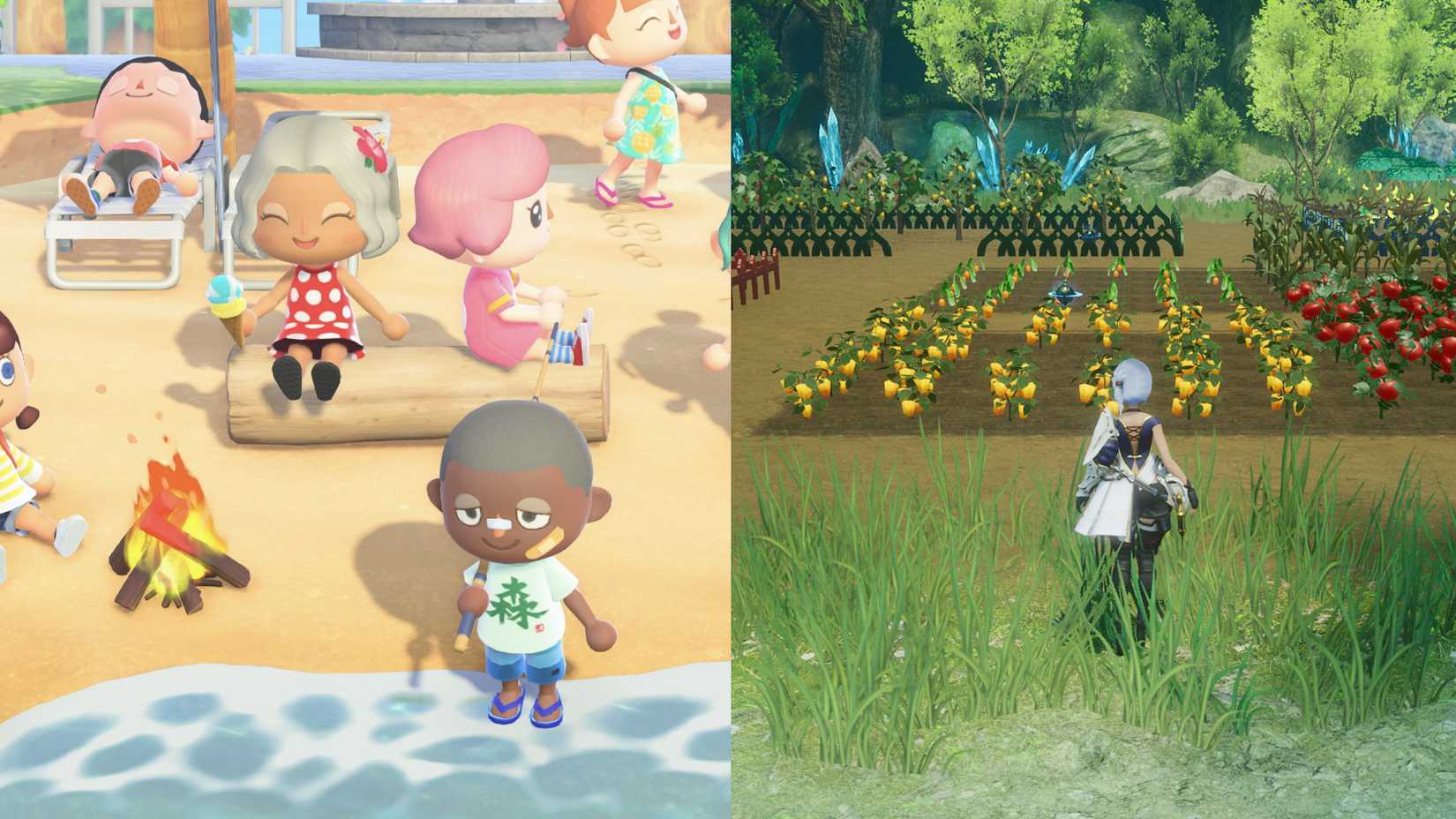
For many, "cozy" games are a sanctuary. They provide a space to decompress, manage resources, and engage in low-stakes social interactions.

The Synergy:
Animal Crossing: New Horizons is the gold standard for long-term, slow-burn customization. It is a meditative experience that allows for total creative freedom on a deserted island. However, after months of island management, the gameplay loop can feel somewhat static. That is where Harvestella enters the frame.
By layering the farming and social mechanics of Harvestella with the island-building of Animal Crossing, players get the best of both worlds. Harvestella introduces JRPG-style combat and a structured narrative that Animal Crossing lacks. When the cozy island life feels too mundane, diving into the fantasy-driven, story-heavy world of Harvestella keeps the "cozy" genre feeling fresh without sacrificing the relaxing rhythm players crave.
8. Silent Hill and Routine: A Study in Atmospheric Horror
Analog horror and liminal spaces have become the bedrock of modern psychological terror. For fans of the genre, the goal is immersion in an environment that feels "off."
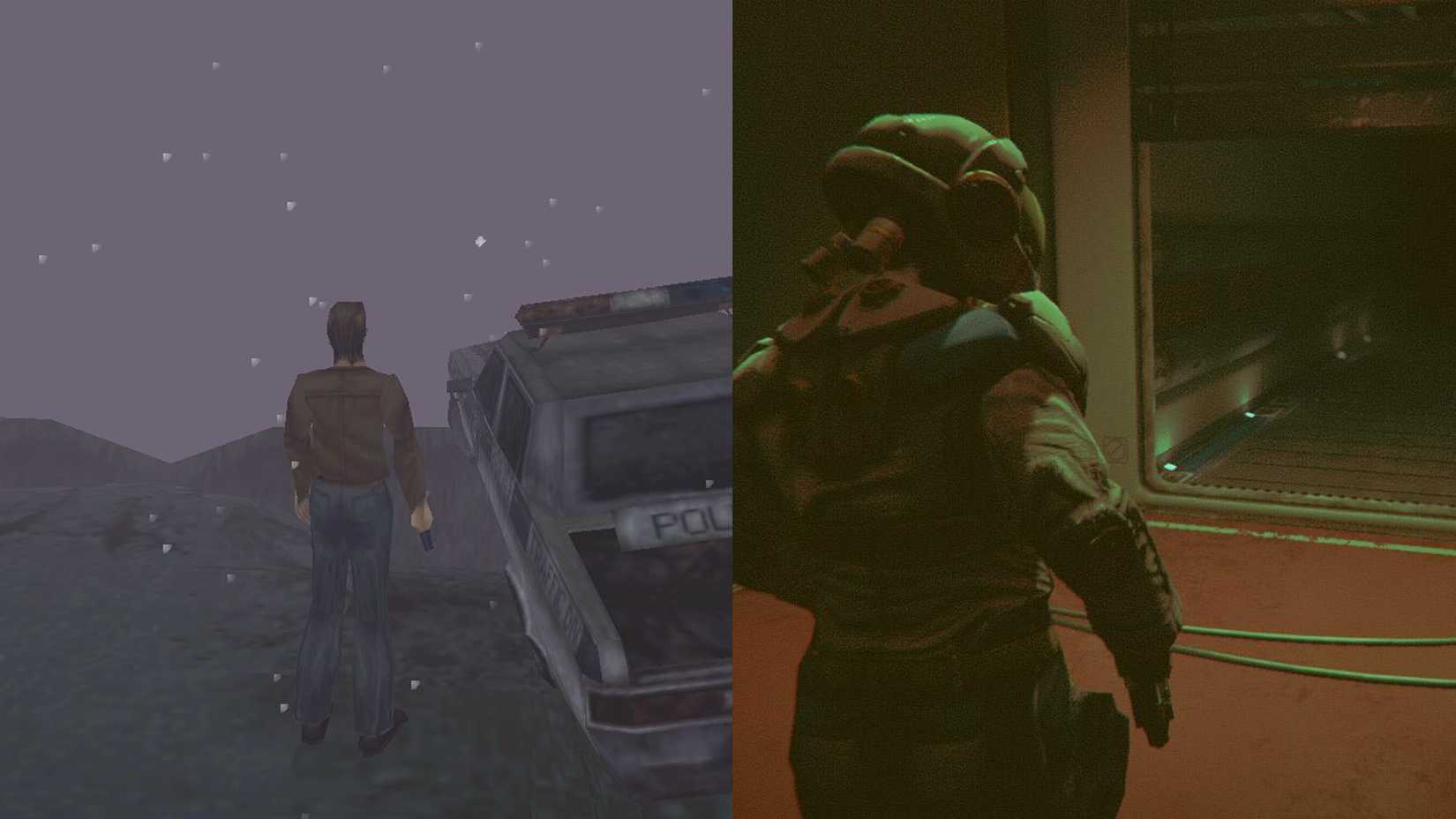
Chronology and Atmosphere:
Silent Hill represents the pinnacle of urban, psychological horror. Its reliance on fog, claustrophobic interiors, and a crushing sense of isolation is legendary. Routine, with its sci-fi, Alien-inspired aesthetic, provides a more clinical, tech-heavy brand of terror.
The Implication:
Pairing these two allows the player to experience two different expressions of the "haunted space" trope. Silent Hill provides the decaying, supernatural urban landscape, while Routine moves the fear to a sterile, futuristic setting. Together, they create a perfect horror double feature that keeps the player on edge by constantly shifting the nature of the threat they face.
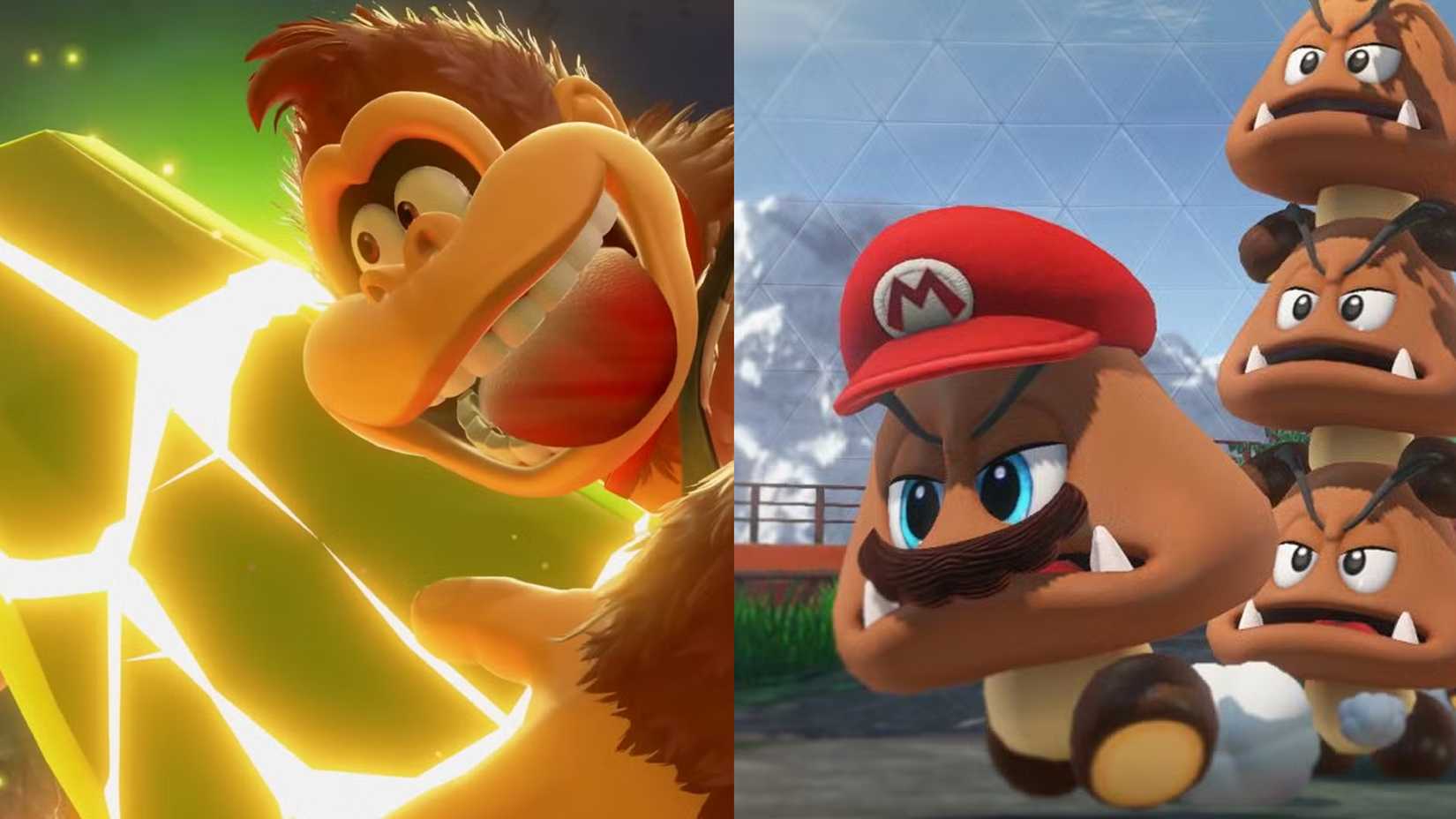
7. Donkey Kong Bananza and Super Mario Odyssey: The Platformer’s Evolution
Nintendo has long been the gatekeeper of the platforming genre. While Super Mario Odyssey is a masterclass in open-world exploration, Donkey Kong Bananza offers a different, more visceral approach to level design.
Supporting Data:
Both games are massive, ambitious titles that give the player total freedom. Bananza focuses on the kinetic energy of destruction—smashing through environments—while Odyssey focuses on the joy of discovery and movement.
The Connection:
The inclusion of characters like Pauline provides a subtle, thematic bridge between the two experiences. Playing them back-to-back highlights the evolution of Nintendo’s level design philosophy. One is a masterclass in "wide-open" exploration, and the other is a lesson in how to make traversal and destruction feel inherently satisfying.
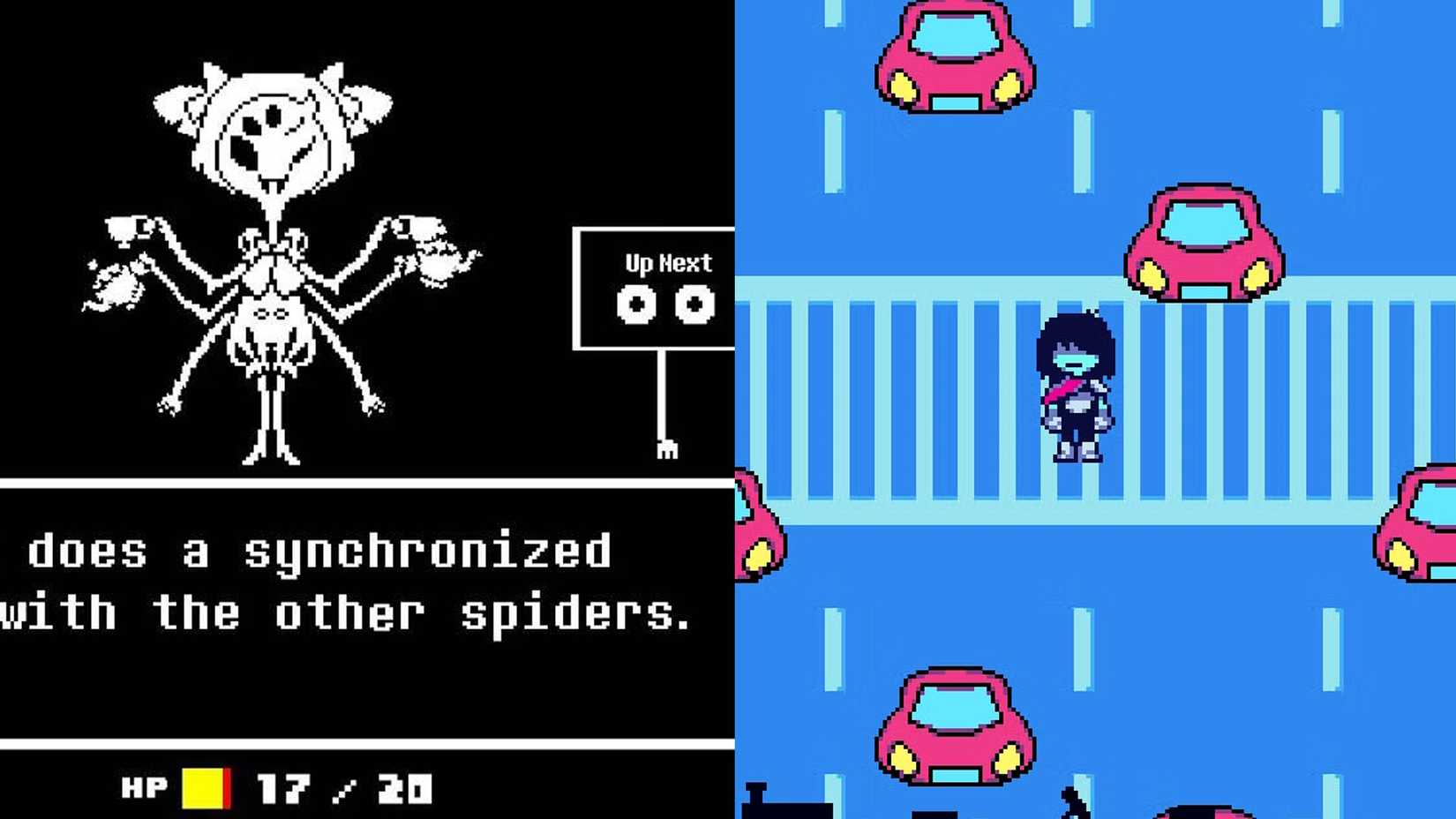
6. Undertale and Deltarune: A Meta-Narrative Journey
It is rare for two games to be as intrinsically linked as Toby Fox’s masterpieces.
Official Narrative:
Undertale was, in many ways, the foundation for the ideas that would later bloom in Deltarune. While Undertale deconstructed the classic JRPG tropes, Deltarune seeks to challenge the player’s agency and the concept of choice itself.
The Experience:
Playing these two together is less like playing two separate games and more like reading a two-part novel. Because Deltarune utilizes the context of Undertale to subvert expectations, playing them in sequence provides a deeper, more profound appreciation for the meta-commentary embedded in both. It is a rare case where the developer intentionally designed one experience to act as a lens through which to view the other.
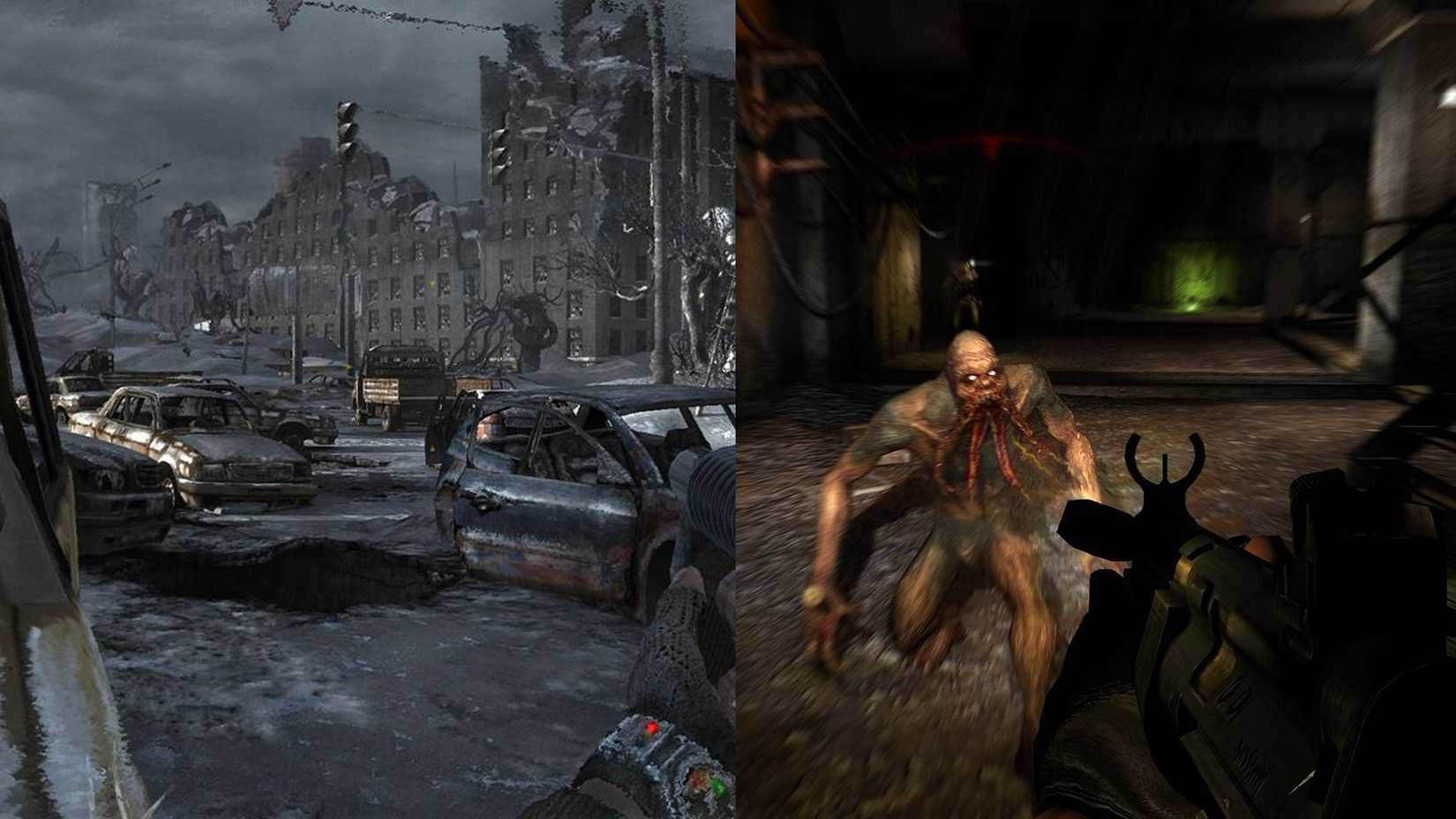
5. Metro 2033 and S.T.A.L.K.E.R: Shadow of Chernobyl: The Slavic Shooter Aesthetic
These two titles are pillars of the "post-Soviet" shooter aesthetic, and their connection goes deeper than just their setting.
Implications:
Both games are steeped in the cultural, historical, and atmospheric weight of the regions they represent. 4A Games (Metro) and GSC Game World (S.T.A.L.K.E.R.) have crafted experiences that feel grounded, dirty, and incredibly immersive.
Why they pair well:
Metro 2033 is an intense, claustrophobic, linear experience set in the depths of a subway system, while S.T.A.L.K.E.R. offers a sprawling, open-world experience in the Exclusion Zone. Together, they offer the ultimate "alternate history" shooter package, moving from the tight, nerve-wracking tunnels of Moscow to the dangerous, wide-open expanse of Chernobyl.
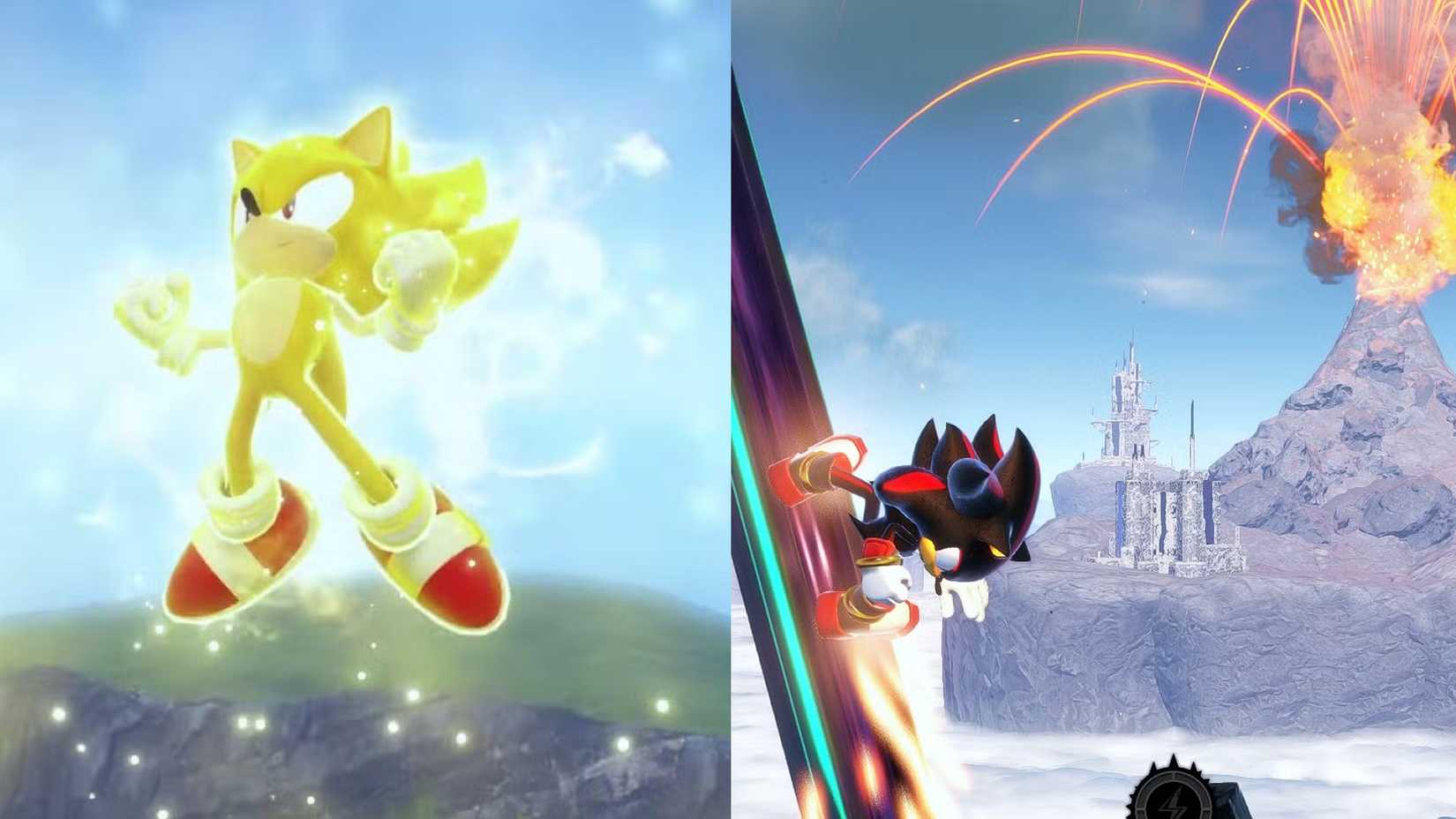
4. Sonic Frontiers and Shadow Generations: A Study in Contrast
Sonic Frontiers introduced an open-zone design to the franchise, while Shadow Generations provides a more traditional, high-speed, and aggressive gameplay style.
Chronology:
Both games explore the internal struggles of their respective leads. In Frontiers, Sonic deals with a corrupting, artificial presence, while Shadow deals with a corruption that feels genetic and innate. They serve as a perfect character study. By playing them concurrently, the player can see how Sega uses two different gameplay styles to mirror the psychological state of its two most iconic hedgehogs.
3. Tales of Zestiria and Tales of Berseria: Living History
The Tales of series is known for its long, epic JRPGs, but the relationship between Zestiria and Berseria is special.
The Synergy:
Berseria is a prequel set a millennium before Zestiria. Because they were developed in close succession, the world-building is seamless. Zestiria focuses on the duty and archeology of a world built upon the past, while Berseria shows the viewer the events that created that history. Playing them together creates a sense of "living history" that few other franchises have ever managed to replicate.
2. Hollow Knight and Yoku’s Island Express: The Metroidvania Reset
Metroidvanias are notoriously punishing, often requiring dozens of hours of trial and error.
Supporting Data:
Hollow Knight is a masterclass in difficulty, atmosphere, and skill-based combat. It is, frankly, exhausting. Yoku’s Island Express, however, brings the same sense of exploration and interconnected map design but replaces the frustration with pinball-inspired platforming and joy.
The Strategy:
When Hollow Knight feels like a brick wall, Yoku’s Island Express is the velvet cushion you land on. It provides a necessary mental reset, allowing you to enjoy the genre’s best traits—exploration and discovery—without the intense pressure of boss encounters.
1. Star Wars Jedi: Fallen Order and Beat Saber: The Jedi Power Fantasy
For the ultimate Star Wars fan, the desire to wield a lightsaber is universal.
The Connection:
Jedi: Fallen Order provides the narrative, the world-building, and the cinematic combat. It makes you feel like a Jedi. Beat Saber takes that feeling and turns it into a rhythmic, high-energy power fantasy.
Implications:
After an hour of traversing the dangerous, lore-rich planets of Fallen Order, the immediate, physical satisfaction of Beat Saber creates a perfect loop. One game feeds your brain with story and tension, while the other feeds your need for movement and action. Together, they represent the pinnacle of the modern Star Wars gaming experience—one for the heart, and one for the hands.