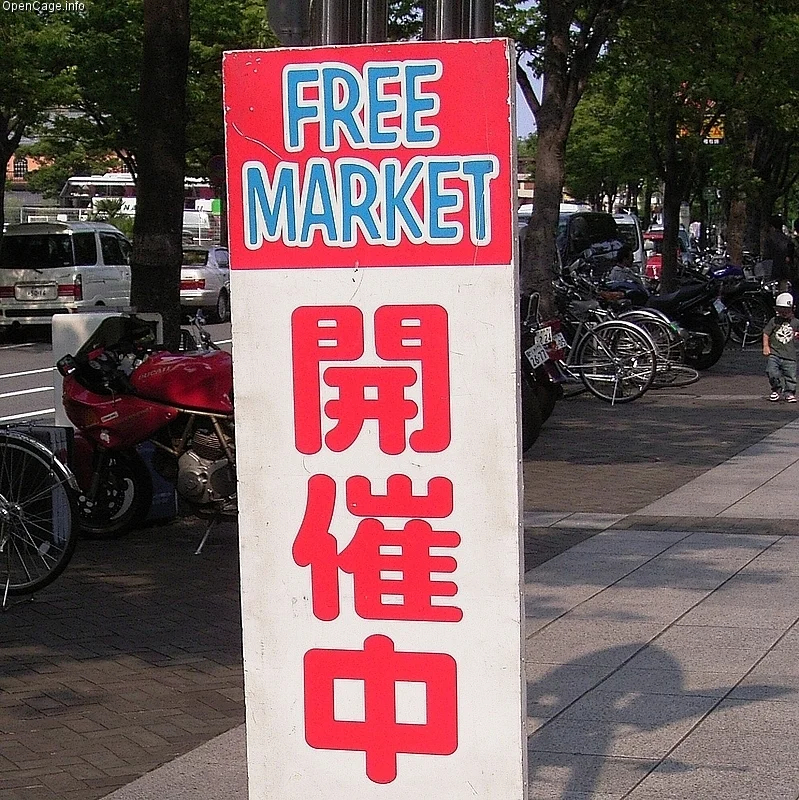
For the discerning traveler, Japan often presents a bifurcated experience: the hyper-modern, neon-lit corridors of Tokyo and the meticulously preserved, velvet-roped temples of Kyoto. However, nestled in the heart of Nagoya lies a third, more visceral experience—one that doesn’t exist in a guidebook’s "must-see" checklist, but rather in the dusty, tactile reality of a monthly flea market.
The Osu Kannon Antique Market (Osu Kannon Kotto-ichi) is a rare window into the Japanese domestic soul. Held twice monthly on the grounds of the historic Osu Kannon Temple, it is a bustling, chaotic, and utterly authentic bazaar where Edo-period woodblock prints, Showa-era vinyl records, and century-old samurai armor are traded with the same casual air as produce at a farmers’ market.
Main Facts: The Pulse of the Market
The Osu Kannon Antique Market operates on a strict, predictable schedule: the 18th and 28th of every month. Regardless of the season or the day of the week, you will find the temple precinct transformed.
- Scale: On a typical weekday, the market hosts approximately 80 vendors. This number swells significantly on weekends, often exceeding 120 stalls.
- Price Range: The ecosystem is democratic. You can find "junk" trinkets for as little as ¥500 (approximately $3.50 USD), while serious collectors can spend upwards of ¥500,000 ($3,500 USD) on authenticated ceramics or rare scrolls.
- Accessibility: Unlike the tourist-heavy markets in Kyoto, Osu remains largely a local affair. Foreign visitors are rare, offering a unique opportunity to experience a slice of Japanese life largely untouched by the global tourism gaze.
Chronology: A History of Faith and Commerce
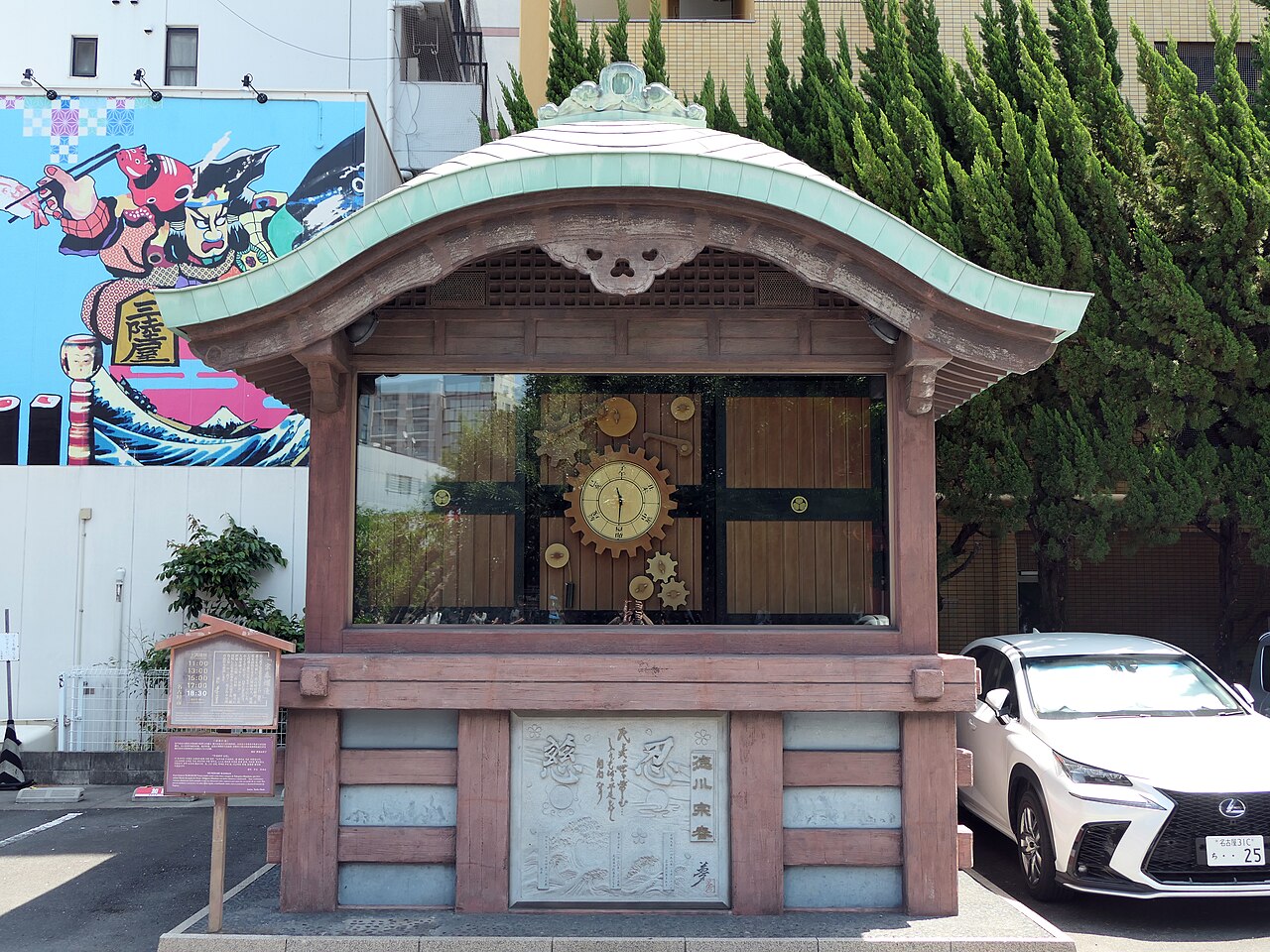
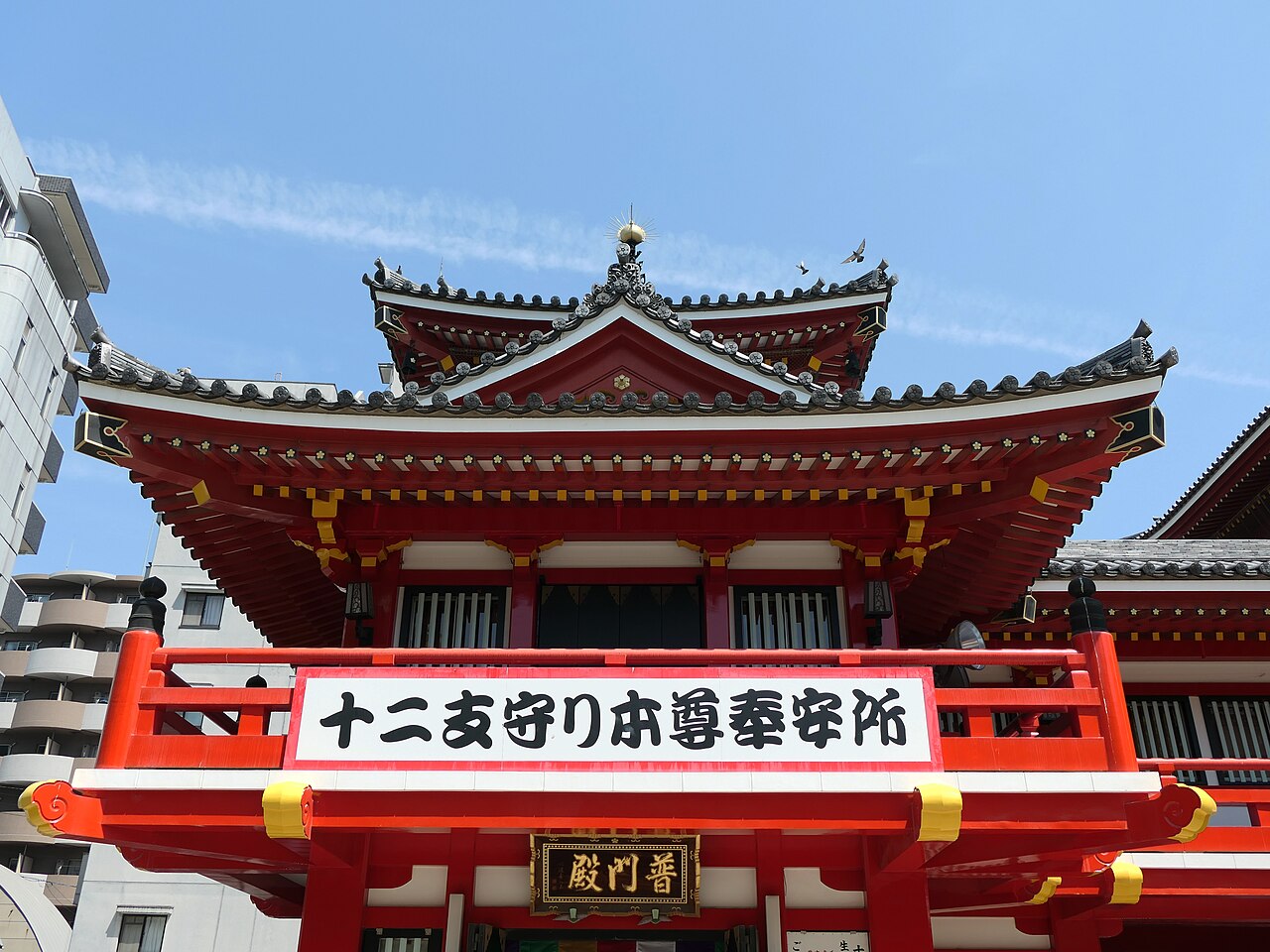
To understand the market, one must understand the host. Osu Kannon (Kitano-san Shinpuku-ji Hosho-in) is a temple of the Shingon sect, founded in 1333. While its physical architecture was rebuilt in the 1970s following the devastation of World War II, its institutional continuity is staggering.
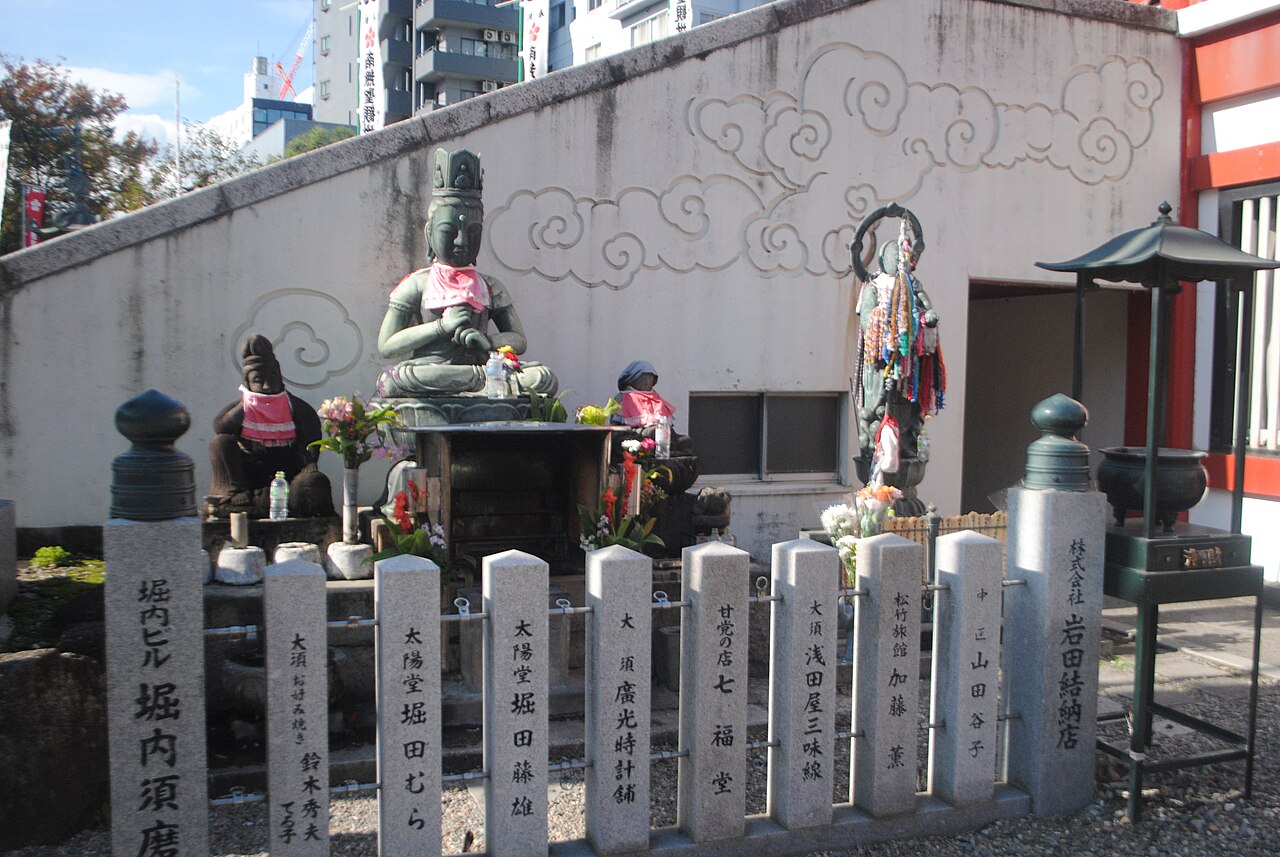
The temple was relocated to its current Nagoya site in 1612 by order of Tokugawa Ieyasu, the founder of the Tokugawa Shogunate. Ieyasu, a master of urban planning, moved the temple as an anchor for the burgeoning commercial district of his new castle town. This move cemented the relationship between the sacred and the mercantile that persists today.
The temple’s library wing, the Shinpukuji Bunko, houses one of the most important collections of classical Japanese literature in existence, including the oldest surviving copy of the Kojiki (dated 1371). While the treasures of the library are for scholars, the "treasures" in the courtyard are for the public, continuing a 400-year tradition of the temple serving as the heartbeat of the surrounding Osu district.
Supporting Data: What to Expect in the Aisles
The market is not curated for aesthetic perfection; it is a working trade venue. You are walking through the personal inventories of regional dealers.
The Inventory Breakdown
- Textiles: Meiji and Taisho-era kimonos and obi belts are staples. For collectors, the quality of silk and the complexity of hand-dyed patterns here often rival Kyoto shops but at a fraction of the cost.
- Ceramics: Nagoya is geographically positioned between the historic kiln centers of Seto and Tokoname. Consequently, the market is a primary source for high-quality, regionally sourced pottery, from functional tea bowls to decorative vases.
- Ephemera: Showa-era (1926–1989) pop culture artifacts—vinyl records, tin toys, and retro Japanese advertising signs—are heavily represented, reflecting Japan’s rapid mid-century modernization.
- The Uncategorized: It is not uncommon to find rusted samurai sword guards (tsuba), Buddhist statues, or lacquerware boxes that have sat in family storehouses for generations.
Operational Logistics
- The Currency of Choice: Cash is king. While some established vendors in the adjacent Osu shopping arcade may accept credit cards for high-value items, the stallholders in the temple square operate almost exclusively in yen.
- The Weather Factor: The market is an open-air event. While the adjacent covered shopping arcades (the shotengai) provide a perfect rainy-day refuge, the market itself will be cancelled during severe weather or typhoon warnings. Always check the official Osu Kannon website if the skies look ominous.
Official Perspectives: Navigating the Cultural Etiquette
Interacting with vendors in Japan requires a different approach than in Southeast Asian or Middle Eastern bazaars.
Haggling as an Art Form:
The Japanese style of negotiation is subtle. While fixed prices are the norm in retail, the flea market is an exception. However, there is a "gentle" limit. A polite request for a 10–15% discount is standard; an aggressive demand for 50% off is viewed as a breach of etiquette. The phrase “Kore wa ikura desu ka?” (How much is this?) is your opening gambit. If you are serious about an item, a polite counter-offer after an initial quote is usually welcomed.
Authentication and Risk:
There is no "official" verification at the gates. If you are purchasing an item of significant value—such as a piece of iron-kettle art or a vintage scroll—look for hakogaki (inscriptions on the wooden storage box) or dealer certificates. If the item is authentic, the dealer will usually be eager to show you the provenance. If you are a casual buyer, approach the market as a treasure hunt rather than an investment firm.
Shipping and Export:
Most vendors are local sole traders who do not handle international shipping. For larger purchases, your best friend is the nearby Yamato Transport (Kuroneko) office. They are accustomed to dealing with tourists and can arrange for domestic or international shipping of fragile items. Budget between ¥8,000 and ¥15,000 for surface shipping to Europe or North America.
Implications: The Broader Osu Experience
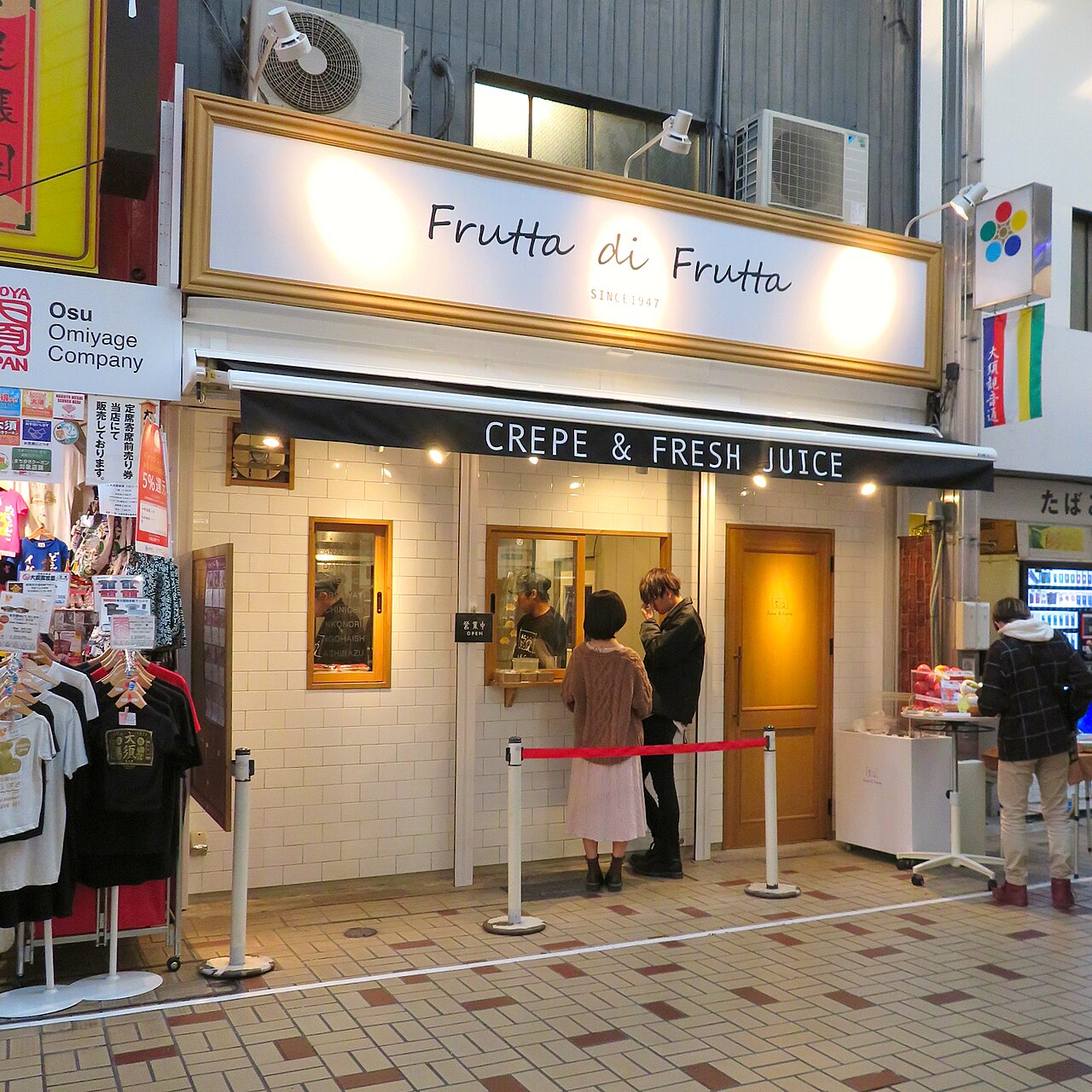
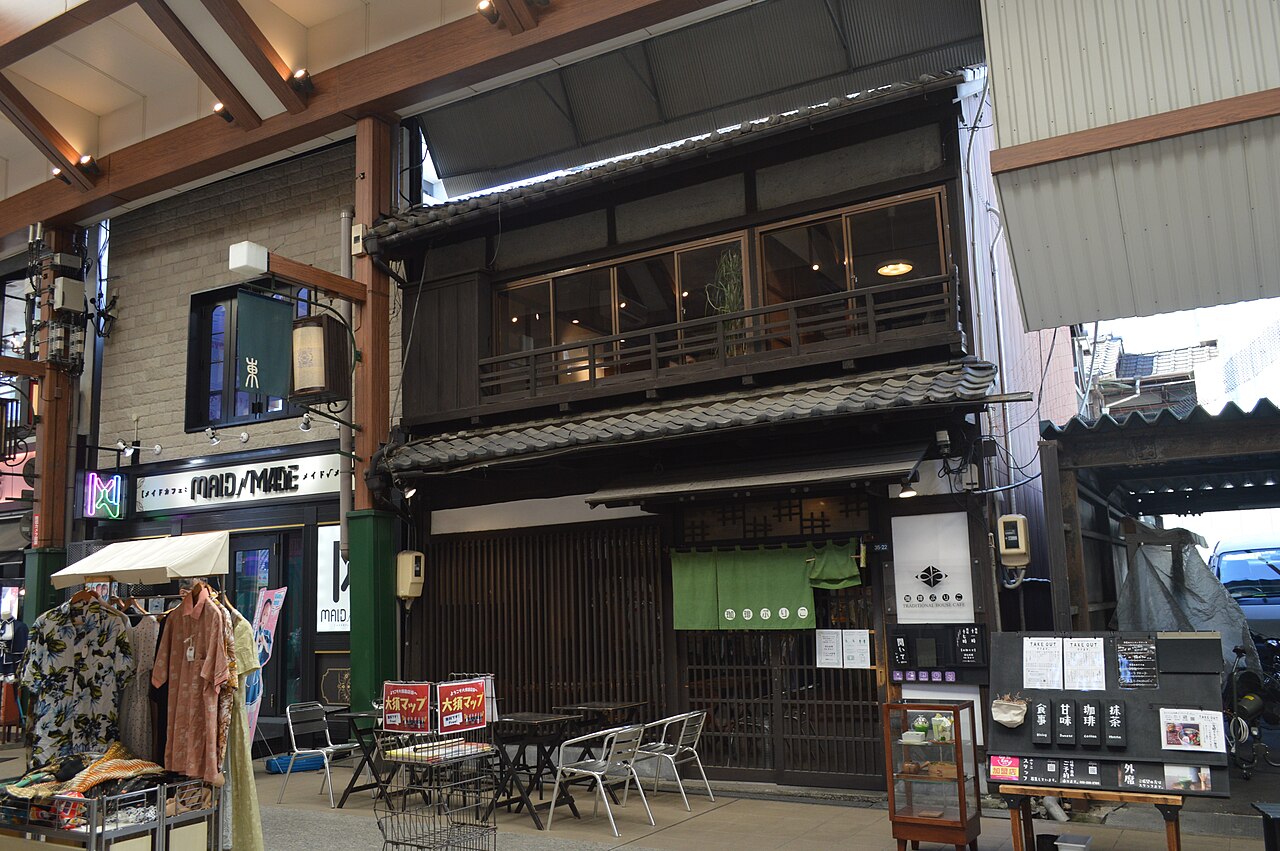
The Osu Kannon Antique Market is merely the entry point to the Osu Shopping District, a vast, 1km network of covered arcades. This area is the antithesis of the polished, upscale malls of Nagoya Station. It is the "Akihabara of Nagoya"—a place for retro gaming, second-hand designer clothes, and street food.
The Regional Circuit
If your itinerary does not align with the 18th or 28th, Nagoya’s flea market network is surprisingly robust:
- Wakamiya Hachimangu (1st Saturday): Smaller, more focused on high-end antiques.
- Toyota Daihatsu Shrine (8th): A community-focused, family-friendly atmosphere.
- Shinshoji Temple (2nd Sunday): The go-to spot for Seto-Tokoname ceramics.
- Heiwa Park (Every Sunday): A general-purpose, suburban flea market ideal for thrifting household items.
The "Why" of the Visit
Why fly across the world to dig through bins in a temple courtyard? The implication of the Osu market is that it bridges the gap between the tourist and the local. It is a place where you don’t just see the history of Japan—you handle it.
Whether you are a serious collector of ukiyo-e prints or simply looking for a unique, affordable memento that hasn’t been mass-produced for a gift shop, the market provides an unvarnished, authentic experience. It requires patience, a bit of broken Japanese, and an eye for quality, but the reward is a deeper understanding of the objects that shaped the Japanese identity.
As you leave the temple grounds, passing the red-painted gate and entering the neon-lit maze of the Osu shopping arcades, you realize the true value of the market: it is a living, breathing connection to the past, held securely within the frantic pace of Japan’s modern industrial heart.