Lina Irawan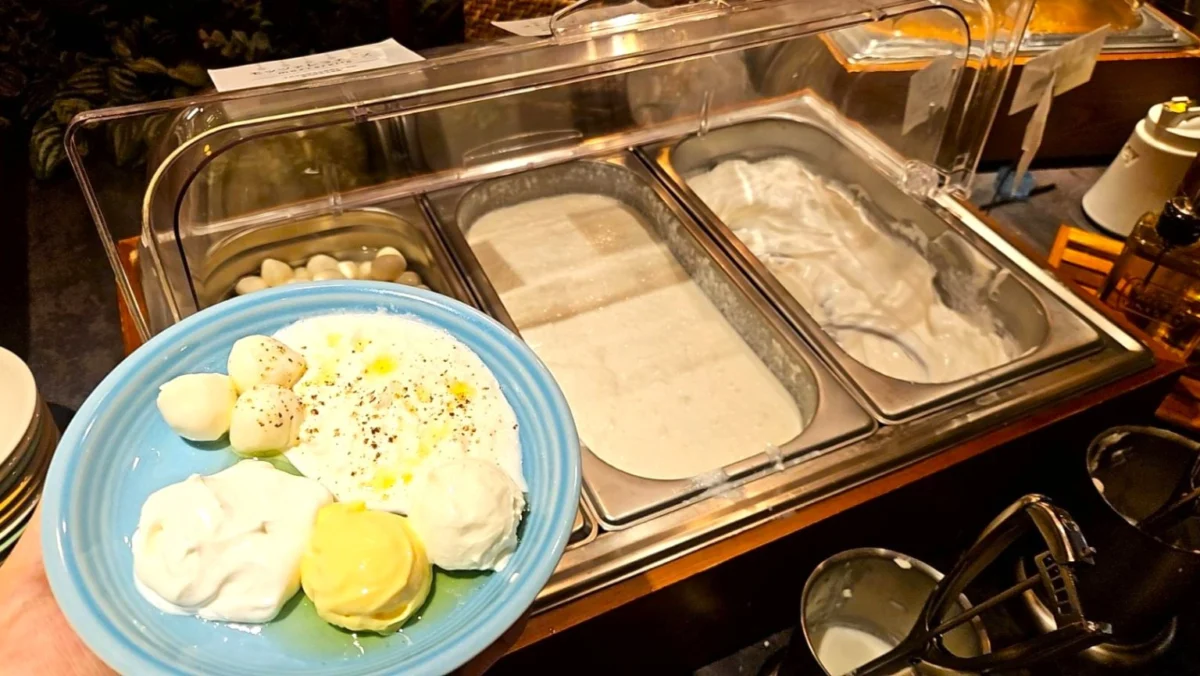
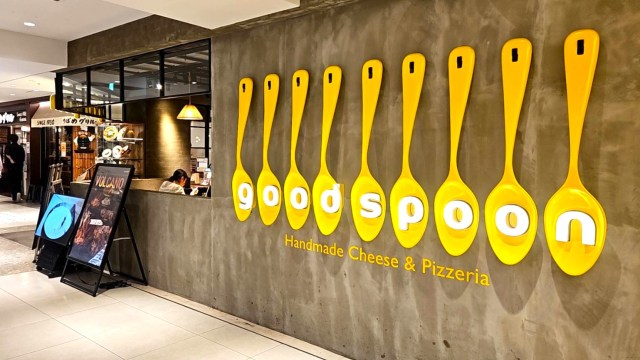
In a city renowned for its culinary precision and dedication to the craft of food, few things are as surprising as discovering an all-you-can-eat buffet that prioritizes artisanal quality over sheer volume. Tucked away within the bustling Lumine Shinjuku building, "Good Spoon Handmade Cheese & Pizzeria" has become a sanctuary for those in the know, offering an indulgent, unlimited fresh cheese experience that challenges the conventional wisdom regarding buffet dining in Japan.
Main Facts: A Dairy Oasis in the Heart of Shinjuku
Japan’s dining scene is famously competitive, yet "Good Spoon" has carved out a distinct niche. While officially categorized as a trendy pizzeria, the establishment operates an in-house "cheese workshop." By producing their own dairy products on-site, the restaurant bypasses the high costs associated with importing premium, fresh artisanal cheese, allowing them to offer an all-you-can-eat spread that is as economically accessible as it is delicious.
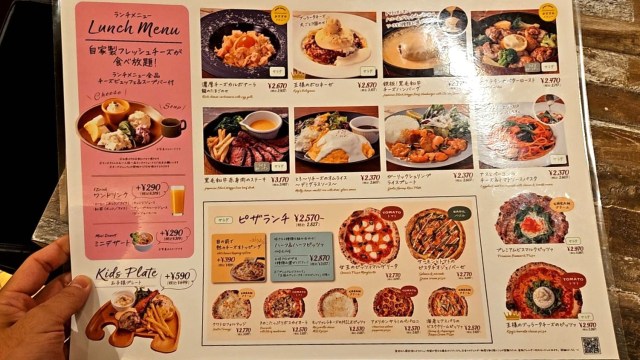
For a fixed price—typically ranging between 2,500 and 3,000 yen (approximately $15.60 to $18.72 USD)—diners receive a curated main course accompanied by unlimited access to a rotating selection of fresh cheeses. Available during weekend lunch hours from 11:00 a.m. to 5:00 p.m., this deal has quickly become a "secret" destination for Tokyoites and savvy travelers alike. The offering is not merely a buffet; it is an immersive experience into the world of curd and cream, featuring varieties such as stracciatella, mascarpone, and classic mozzarella.
The Chronology of an Indulgent Afternoon
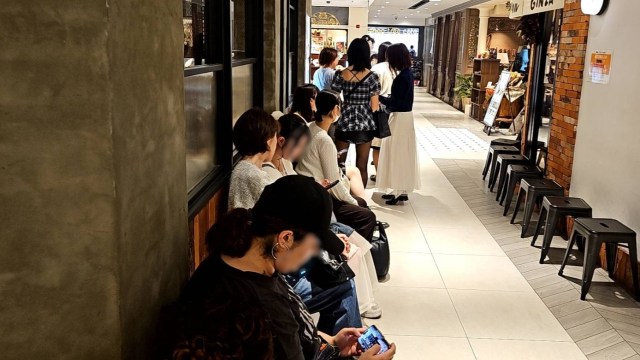
A visit to the Shinjuku branch of Good Spoon is not a casual affair; it is a pilgrimage. Upon arrival at the Lumine building on a recent Sunday just after 1:00 p.m., the reality of the restaurant’s popularity was immediately evident. A steady, determined queue snaked outside the entrance, a testament to the reputation of the establishment.
The Waiting Game and Initial Impressions
After a 40-minute wait, the sensory experience begins. Upon being seated, guests are briefed by staff on the mechanics of the buffet. The "all-you-can-eat" access is a standard inclusion with any main course ordered during the designated lunch window. With a 90-minute time limit, the clock starts ticking the moment the order is placed, prompting diners to act with both purpose and excitement.
The Tasting Flight
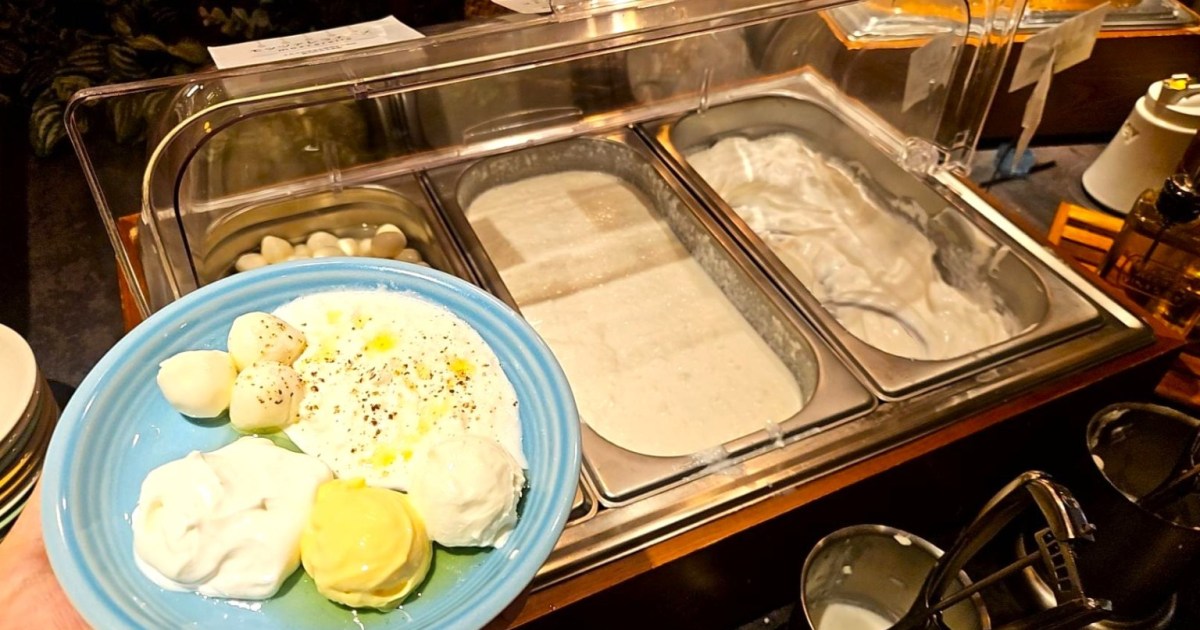
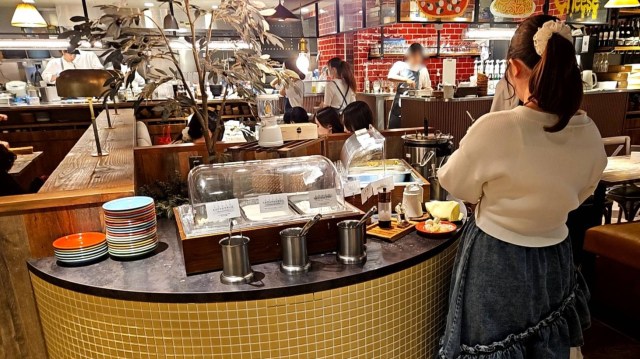
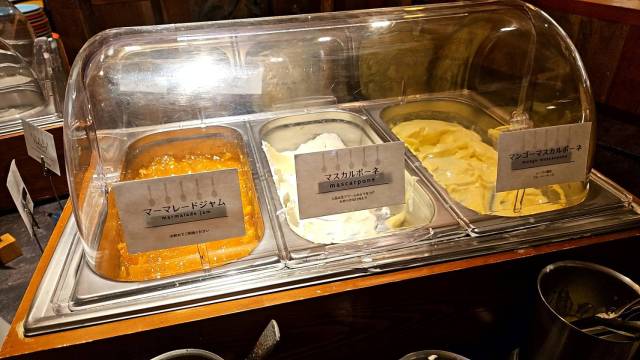
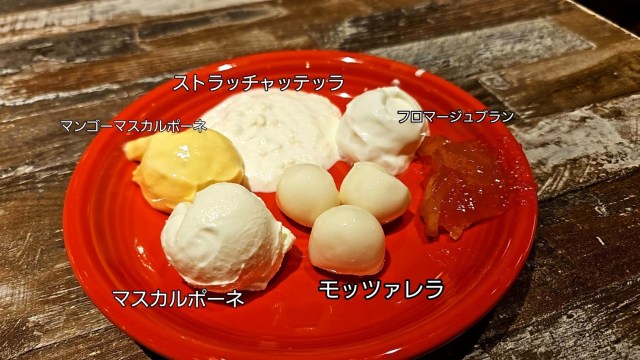
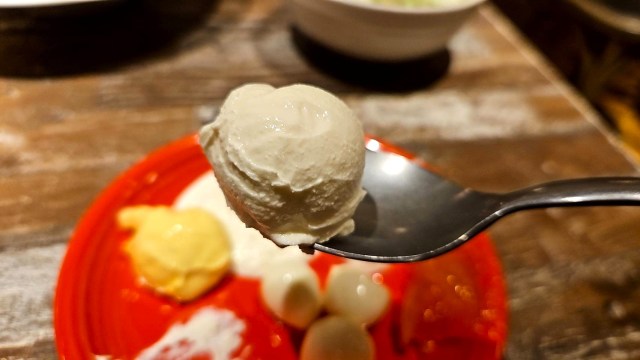
The buffet station serves as the centerpiece of the restaurant. On this particular visit, five distinct varieties of fresh cheese were on display, accompanied by a bright, citrusy marmalade jam. The lineup included:
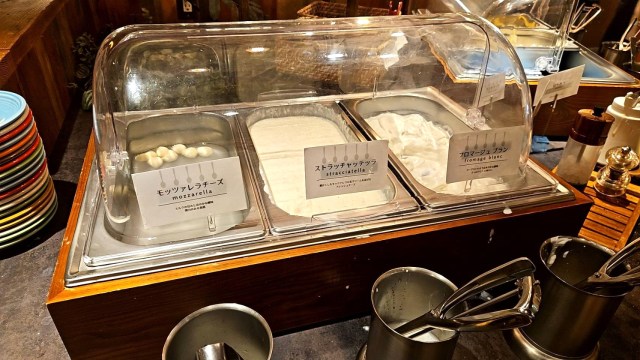
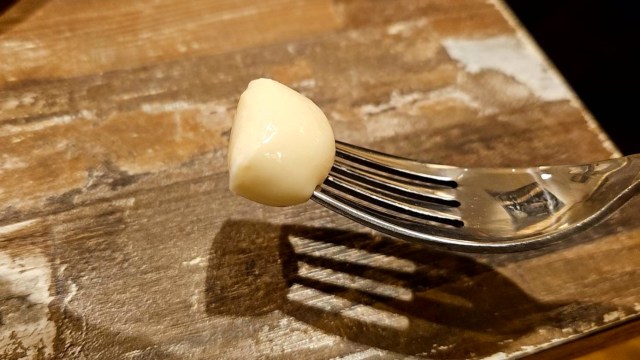
- Mozzarella: Characterized by a firm, chewy texture and a subtle, clean salinity.
- Mascarpone: A rich, velvety delight that leans toward the decadent.
- Mango Mascarpone: A refreshing, fruit-forward variant of the classic cream cheese.
- Fromage Blanc: A delicate, tangy addition to the platter.
- Stracciatella: The undisputed star of the show, consisting of shredded mozzarella soaked in fresh cream.
The Main Event: The "King’s Bolognese"
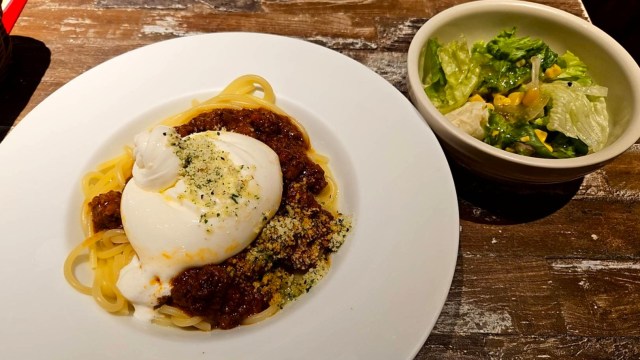
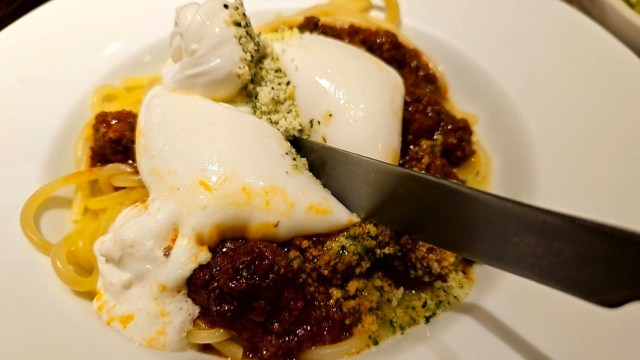
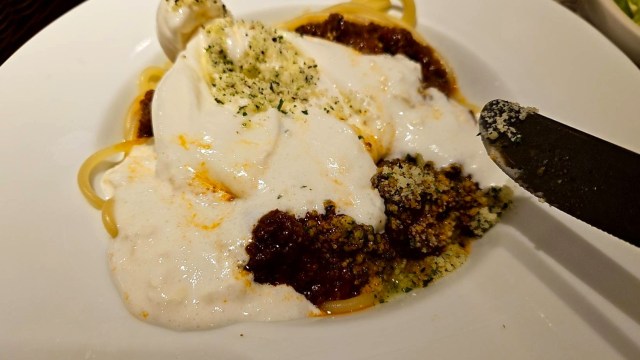
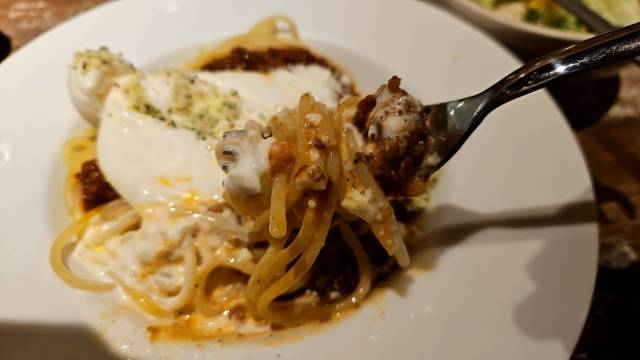
The meal progresses with the arrival of the main dish. The "King’s Bolognese" (3,157 yen) serves as a robust counterpoint to the delicate cheese buffet. Featuring a perfectly seared mound of burrata, the dish is designed for interaction. As the diner cuts into the burrata, the interior floods the plate, mingling with the savory, meat-heavy sauce. The contrast between the cold, creamy, mild cheese and the hot, bold, savory meat sauce creates a complex flavor profile that elevates the entire dining experience.
Supporting Data: Why Quality Trumps Quantity
In the Japanese market, cheese is often treated as a luxury item. A single, small block of quality imported cheese can easily exceed 1,000 yen at a standard supermarket. The business model of Good Spoon is, therefore, a masterclass in supply chain management.
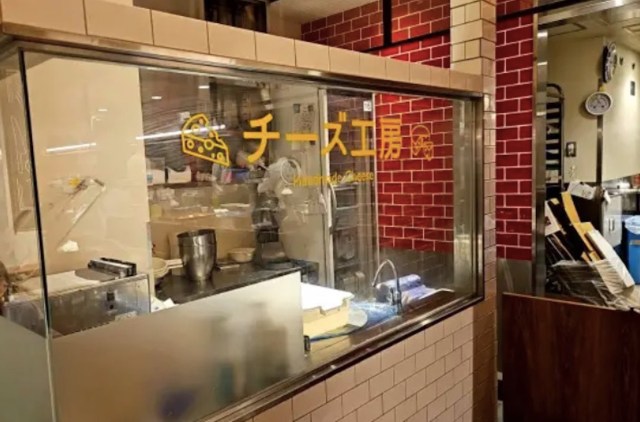
By shifting production to an in-store workshop, the restaurant eliminates the middleman and the shipping overhead. This allows them to offer high-quality, ultra-fresh products that would otherwise be prohibitively expensive to serve in an unlimited capacity. The data is clear: customers are not just paying for a meal; they are paying for the efficiency of the "farm-to-table" (or, more accurately, "workshop-to-table") process.
Furthermore, the restaurant enhances the experience by providing a dedicated condiment station. Guests are encouraged to customize their cheese plates with honey, rock salt, cracked black pepper, and premium olive oil. These additions are not merely aesthetic; they are functional. For instance, the stracciatella—already incredibly rich due to its high cream content—is transformed when paired with honey and black pepper, which cuts through the density and highlights the subtle sweetness of the fresh milk.
Official Responses and Operational Philosophy
While the restaurant remains quiet regarding its proprietary production secrets, the management of Good Spoon has consistently emphasized their commitment to "freshness and accessibility." The decision to keep the cheese workshop visible to customers is a strategic choice, designed to reassure diners of the quality and hygienic standards of their product.
The staff at the Shinjuku location note that the popularity of the buffet has necessitated strict adherence to the 90-minute limit. This turnover management is essential for maintaining the quality of the cheese; by constantly churning out small batches in the workshop, they ensure that the product never sits out long enough to lose its ideal texture or temperature.
Implications: The Future of Niche Buffet Dining
The success of the Good Spoon model holds significant implications for the broader Japanese restaurant industry. As consumers become more discerning, the "quantity-over-quality" buffet model of the past is facing pressure. Establishments like Good Spoon suggest that the future of the buffet lies in "specialized abundance"—offering unlimited amounts of a single, high-quality product rather than a wide, mediocre selection of various foods.
Cultural Impact
This trend also reflects a growing interest in European culinary techniques within Japan. The ability to properly pair artisanal cheeses with local, seasonal ingredients or even modern comfort foods like Bolognese shows a sophisticated evolution of the Japanese palate.
Recommendations for Prospective Diners
For those planning to visit, the following advice remains paramount:
- Arrive Early: As noted, the queues are real and can be daunting. Aim for an 11:00 a.m. arrival to secure a seat without a prolonged wait.
- Pacing is Key: With a 90-minute limit, do not rush the cheese plate. Start with small samples of everything to identify your favorites, then return for the standouts.
- The Stracciatella Strategy: Do not overlook the stracciatella. It is the most versatile and, according to most repeat patrons, the most addictive offering. Pair it with the provided honey and pepper for the best results.
- Stay Hydrated: The restaurant offers an all-you-can-drink soup service. Use this to cleanse the palate between heavy cheese courses.
Conclusion
Good Spoon Handmade Cheese & Pizzeria in Shinjuku is a testament to the idea that even in a city of infinite culinary options, there is always room for a simple, high-quality concept executed perfectly. Whether you are a dedicated "fromage-phile" or simply looking for an exceptional lunch experience, this hidden gem offers a masterclass in flavor, texture, and value. By prioritizing the craft of their cheese and the satisfaction of their guests, they have secured their place as a must-visit destination in Tokyo’s ever-evolving food landscape.


 Neng Nana
 Asro
Asro