Nana Muazin
Blessed with a harmonious blend of rugged mountains, pristine beaches, and a vibrant artisanal culture, Itoshima has emerged as the premier escape for travelers visiting Fukuoka. Located on the western edge of the prefecture, this coastal peninsula offers a tranquil reprieve from the neon-lit energy of Hakata. Whether you are chasing the perfect golden-hour photograph, exploring ancient geological wonders, or indulging in the freshest seafood in Kyushu, Itoshima provides an endless array of experiences.
This comprehensive guide breaks down four expertly curated half-day itineraries, ensuring that whether you are behind the wheel, on two wheels, or opting for a guided bus tour, your time in Itoshima is optimized for discovery.
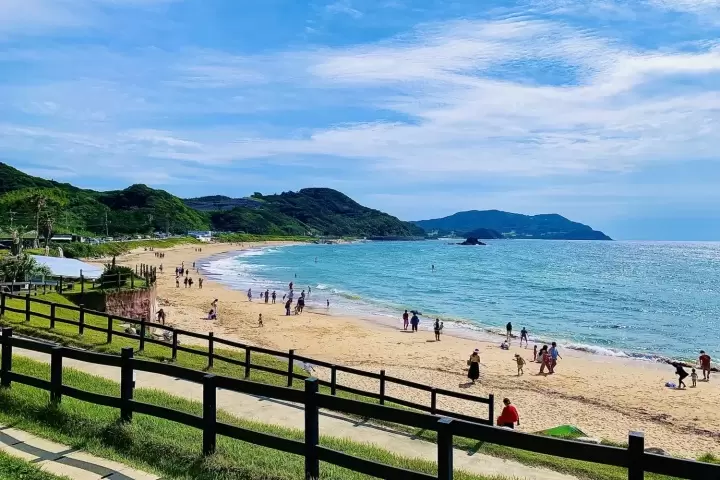
Main Facts: The Gateway to Coastal Serenity
Itoshima’s rise in popularity is no accident. Located approximately 45 minutes from Fukuoka Airport, the peninsula serves as a vital junction between urban convenience and rural splendor.
- Accessibility: Travelers can reach the heart of the peninsula via the Fukuoka City Subway, which connects seamlessly to the JR Chikuhi Line, terminating at Chikuzen-Maebaru Station. For those driving, the journey from Fukuoka IC to Maebaru IC takes a mere 30 minutes.
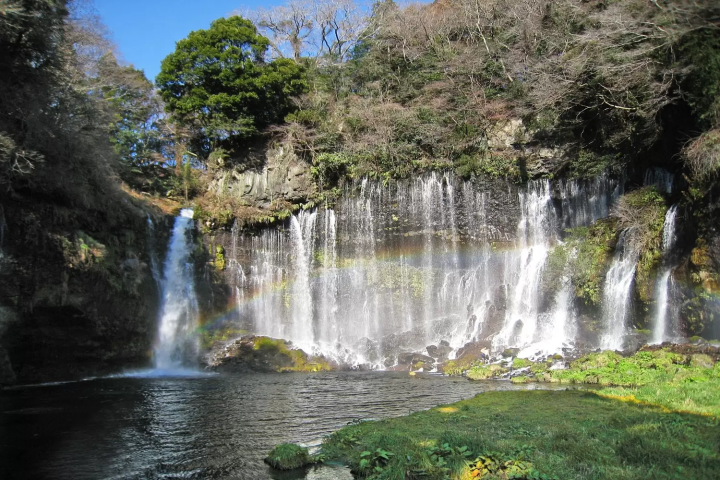
- Topography: The region is defined by the contrast of the Genkai Sea and the mountainous interior, home to peaks like Mount Tateishi and the refreshing cascades of Shiraito Falls.
- Cultural Significance: Beyond nature, Itoshima is a hub for local craftsmanship and "farm-to-table" gastronomy, supported by institutions like the JA Itoshima Farmers Market.
Chronology of an Itoshima Getaway
To make the most of your visit, we have structured these itineraries to minimize travel time and maximize immersion.
1. The Coastal Scenic Drive
This route focuses on the dramatic interplay between land and sea.
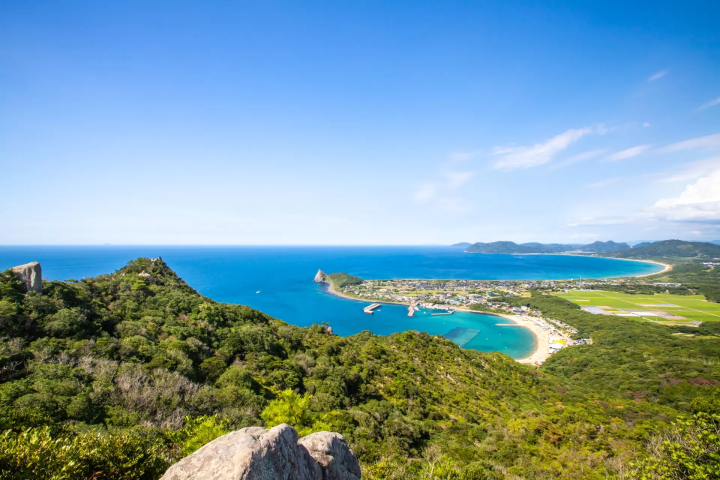
- Morning (Mount Tateishi): Start your day with a 30-minute hike up this 211-meter peak. It is a manageable climb that rewards you with a panoramic vista of Himeshima Island and the Karatsu coastline.
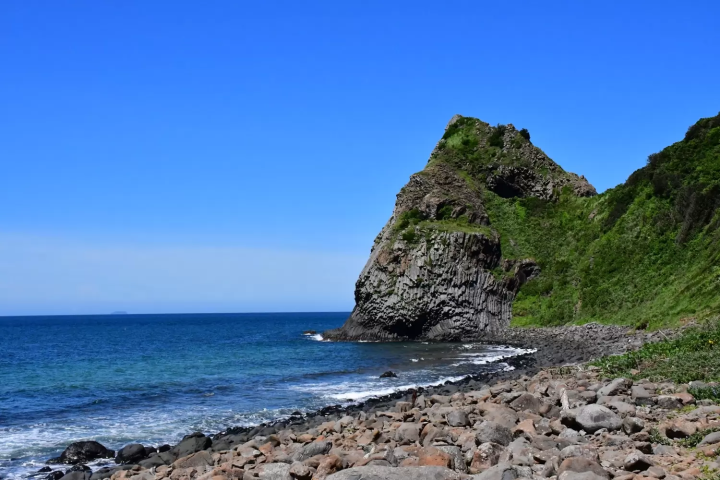
- Late Morning (Keya no Oto): Descend to the coast to catch a pleasure boat (available March–November) to explore Japan’s largest basalt cave. The hexagonal stone pillars are a marvel of natural architecture.
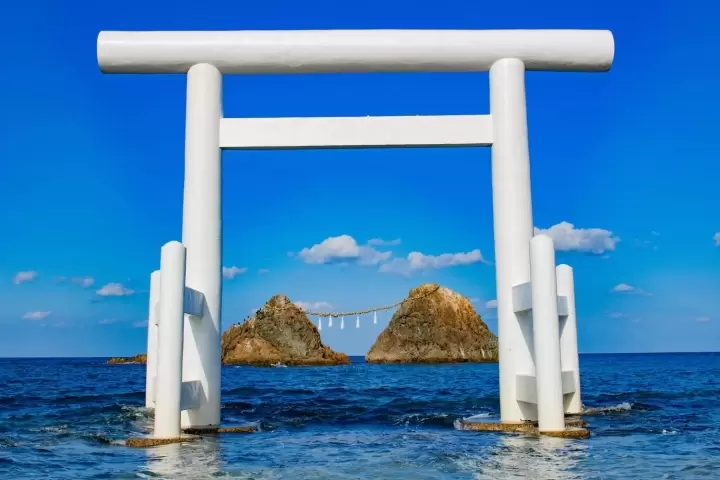
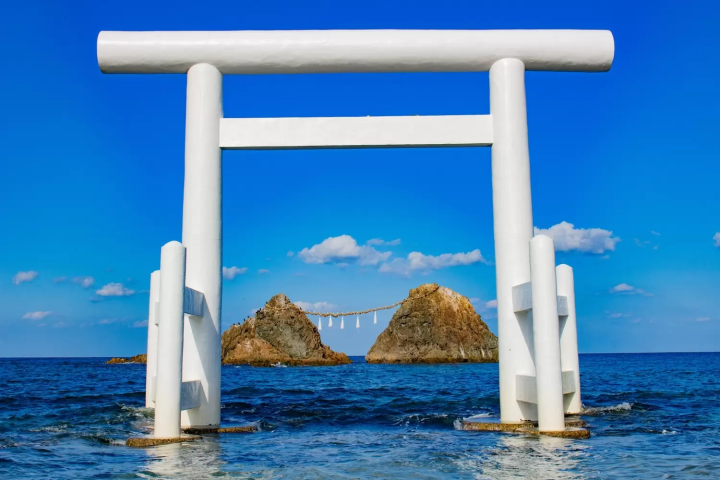
- Afternoon (Sakurai Futamigaura): Visit the iconic Meoto Iwa (Wedded Rocks). The white torii gate standing against the tide is arguably the most recognizable symbol of the region.
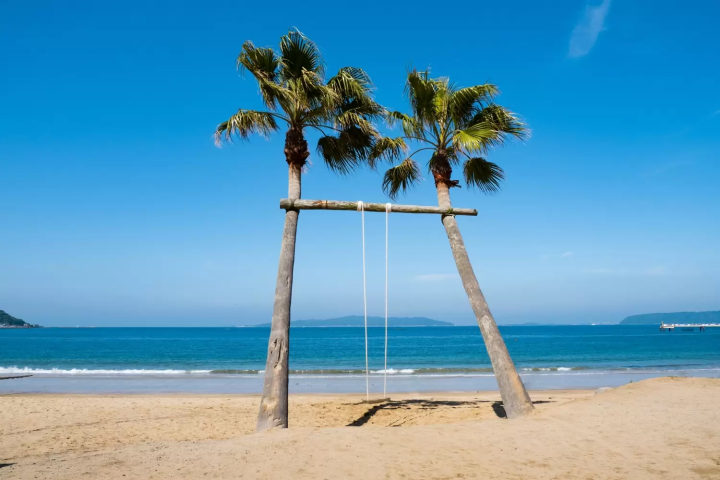
- Evening (Palm Tree Swing): Conclude at the Zauo Itoshima Main Store. The beachside swing provides a surreal photo opportunity as the sun sets over the Genkai Sea.
2. The Mountain and Ocean Hybrid Route
For those seeking luxury and variety, this car-dependent itinerary balances adrenaline with culinary excellence.

- Morning (Forest Adventure Itoshima): Kick off with a 2.5-hour aerial trek through the forest canopy. It is a high-octane start to a day of exploration.
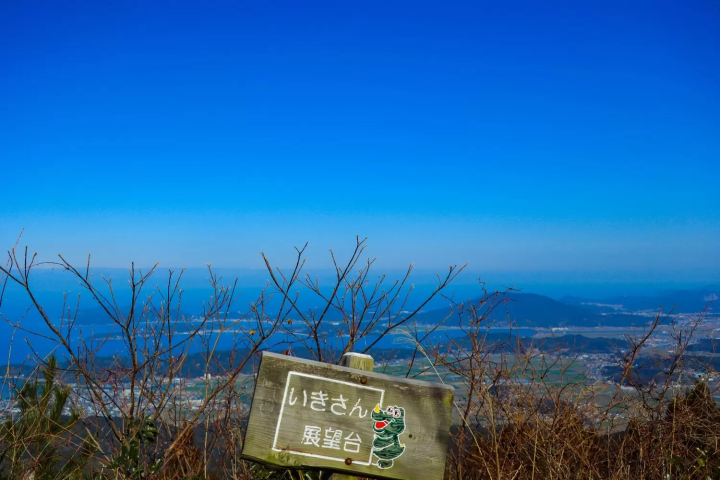
- Mid-Day (Observatories): Visit the Ikisan and Haro Observatories. These vantage points provide a unique "God’s-eye view" of the peninsula’s rolling green hills meeting the blue horizon.
- Afternoon (Shiraito Falls): Retreat to the shade of this 24-meter waterfall. The site offers a "fureai" (interaction) experience, including trout fishing and handmade chilled noodles.
- Culinary Finale (Tsukamoto Sengyoten): End the day at this wholesaler-owned restaurant, where the seafood is caught and served on the same day.
3. The Eco-Friendly Cycling Loop
Itoshima’s compact geography makes it ideal for two-wheeled exploration. Rent a bicycle at Chikuzen-Maebaru Station and embark on a 3.5-hour loop.
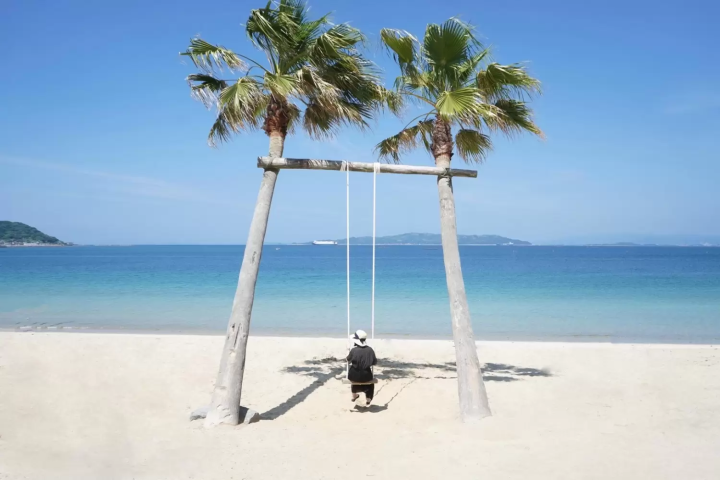
- The Route: Cycle from the station toward the coast, hitting the Palm Tree Swing first to beat the crowds.
- Cultural Stops: Continue to Blue Roof, a juice house inside a renovated traditional home, before heading to the whimsical "Totoro’s Forest" at Keya no Oto Park.
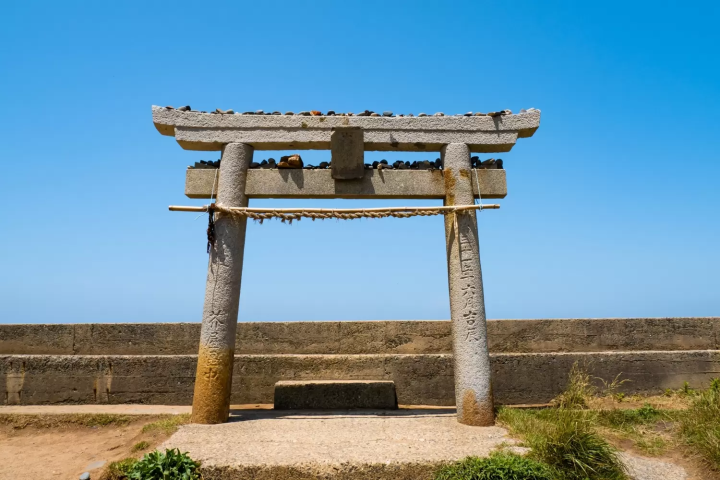
- Spiritual Insight: Finish at Hakoshima Shrine, a tiny, island-bound sanctuary known for blessing romantic unions.
4. The Curated Bus Tour (Hakata Departure)
For the traveler who prefers a guided experience, the KKday-operated bus tour from Hakata Station (8:30 AM departure) is the most efficient choice. This tour covers:
- Shiraito Falls: A refreshing morning meditation.
- Keya no Oto: Immersive forest walks.
- Ichiran no Mori: An inside look at the production of Japan’s most famous ramen.
- Sakurai Futamigaura & Palm Tree Swing: The classic coastal photo circuit.
- Ito Saisai: A final stop to purchase fresh local produce and souvenirs.
Supporting Data: Why Itoshima Works
The logistical data supports the shift toward Itoshima as a primary destination. With a year-round mild climate, the region experiences peak foot traffic between spring and autumn. The "100 Best Beaches in Japan" designation for Sakurai Futamigaura continues to drive international tourism, while the development of the JR Chikuhi Line has reduced the barrier to entry for solo travelers.
| Feature | Data/Metric |
|---|---|
| Travel Time (Hakata to Itoshima) | 45 minutes |
| Mount Tateishi Hike Duration | 30 minutes |
| Ideal Visit Season | Spring–Autumn |
| Key Attraction Type | Coastal/Nature/Culinary |
Official Responses and Local Stewardship
Local authorities and the Itoshima Tourism Association have emphasized the importance of "sustainable tourism." In their official guidelines, they urge visitors to respect the natural environment, particularly at sites like Shiraito Falls and the coastal beaches. The ongoing development of farm-to-table initiatives at Fukufuku no Sato is a direct response to the growing demand for local, high-quality organic produce.

"Our goal is to provide a seamless experience that preserves the sanctity of our landscapes," a representative noted regarding the increase in shuttle services and bicycle rental programs. By concentrating foot traffic into designated loops, the local government aims to prevent the over-tourism that plagues other Japanese coastal destinations.
Implications: The Future of Itoshima Tourism
The rapid evolution of Itoshima from a local secret to a global destination has significant implications for Fukuoka’s economy.
- Economic Shift: The rise of specialized tours, such as the ramen factory experience at Ichiran no Mori, demonstrates a move toward "industrial tourism" that complements traditional sightseeing.
- Infrastructure Demands: As demand grows, the reliance on rental bicycles and shuttle buses will become the standard. Travelers should note that car rentals often sell out on weekends; therefore, the bus tour remains the most reliable logistical choice.
- Cultural Preservation: The popularity of "power spots" like Hakoshima Shrine suggests that travelers are increasingly seeking spiritual and cultural depth rather than just scenic selfies.
Closing Thoughts
Itoshima represents the best of what modern Japanese regional travel can offer: accessibility, aesthetic beauty, and deep-rooted local identity. By selecting an itinerary that aligns with your travel style—whether it is the adventurous hike up Mount Tateishi or the breezy, bicycle-led coastal tour—you are not just visiting a place, but participating in the living culture of the Fukuoka coast.
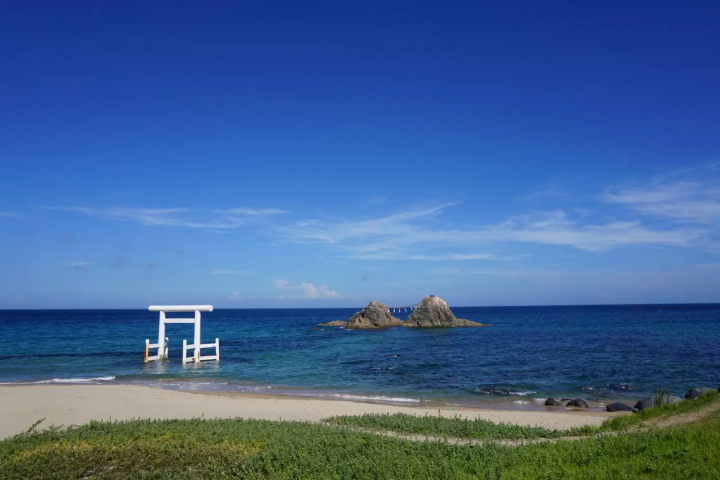
Pro-Tip: If your schedule permits, consider an overnight stay at one of the beachside guesthouses. Watching the sunset at Sakurai Futamigaura and waking up to the sounds of the Genkai Sea provides a restorative experience that a single day simply cannot capture.
Plan your trip, respect the land, and immerse yourself in the white threads of the falls and the blue horizons of the coast.


 Neng Nana
 Asro
Asro