Nana Wu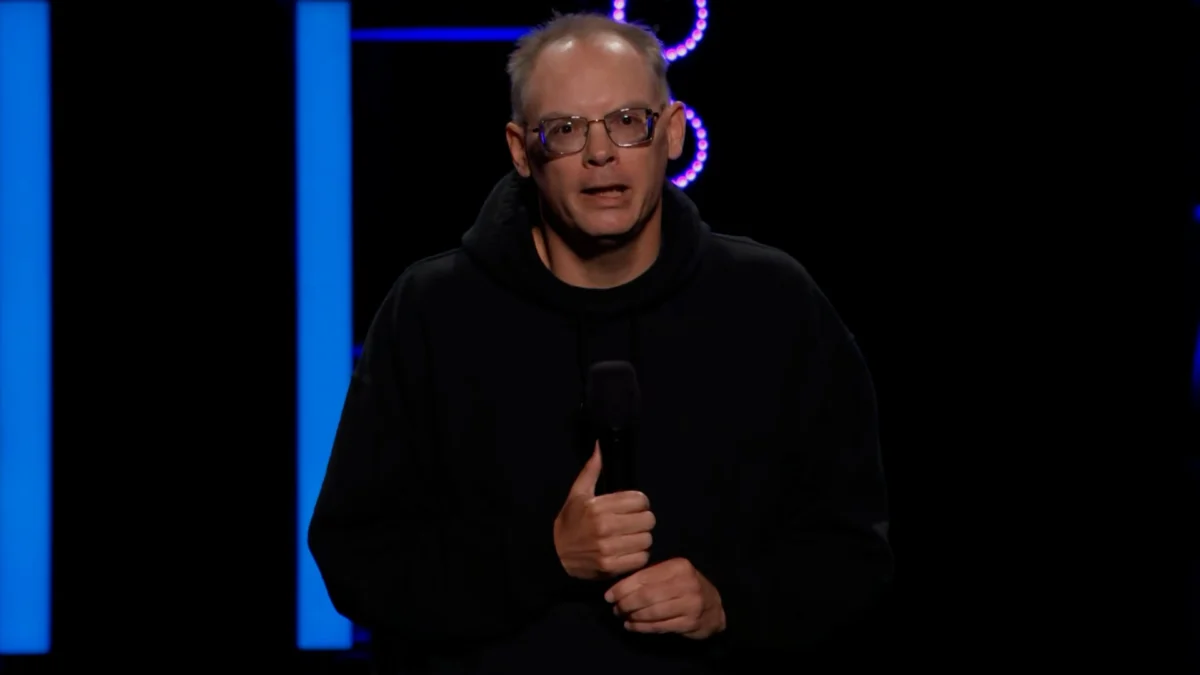
In a pivotal address at the "State of Unreal 2026" showcase, Epic Games CEO Tim Sweeney laid out a vision for the future of the video game industry that balances existential dread with technological optimism. Speaking to an audience of developers and industry stakeholders, Sweeney framed the current landscape as a "time of both crisis and opportunity," acknowledging the turbulent nature of the market while unveiling the foundational tools—Unreal Engine 6—that he believes will define the next generation of digital entertainment.
This vision comes on the heels of a difficult period for the North Carolina-based company. Following a series of significant workforce reductions that saw over 1,000 employees laid off earlier this year, Epic Games finds itself at a crossroads. Sweeney’s strategy for recovery and future growth is tethered to a radical reimagining of how games are built, distributed, and monetized.
The State of the Industry: A Crisis of Scale
Sweeney’s diagnosis of the current AAA (triple-A) gaming landscape is stark. He argues that the traditional model—high-budget, high-risk, blockbuster releases—is hitting a wall of diminishing returns.
The AAA Paradox
"The biggest games like Fortnite are once again growing and thriving," Sweeney noted, "but underneath this, there’s a serious challenge to AAA developers." He highlighted the growing disparity between development costs and financial outcomes. "We’re seeing often hundreds of millions of dollars of dev costs followed by tens of millions of dollars of revenue. The dev costs are continuing to grow. It feels to many like a tidal wave is sweeping over the AAA game business."
This "tidal wave" is fueled by several factors:
- Escalating Budgets: As players demand higher fidelity and massive open worlds, the cost of development has outpaced the growth of the average game’s revenue.
- The Shift to Persistent Ecosystems: Players are increasingly moving away from purchasing isolated "one-and-done" titles. Instead, they are gravitating toward persistent, social-driven platforms where their investment—both time and money—is carried forward through updates and cross-platform integration.
- The Attention Economy: The competition for user engagement has never been more intense. With social media, streaming services, and a saturated market of live-service games, securing a player’s long-term attention has become the primary metric of success.
Chronology of a Shifting Strategy
Epic’s journey to this moment has been marked by ambition, legal battles, and internal restructuring.
- 2020-2023: The "Metaverse" phase. Epic pushed hard for a virtual, interconnected world. This was met with both excitement and skepticism, eventually leading to a realization that the infrastructure for such a vision was not yet mature.
- March 2026: A sobering reality check. Epic Games announced massive layoffs, citing an unsustainable burn rate and a downturn in Fortnite engagement, which necessitated a strategic pivot.
- State of Unreal 2026: The unveiling of the "everythingverse" strategy. Rather than building a closed ecosystem, Sweeney proposed an integrated model where developers collaborate as peers to create a global network of games.
- The Future: The rollout of Unreal Engine 6, explicitly designed to lower the barrier to entry and reduce the "tedious work" of game development through generative AI.
The "Everythingverse" vs. The Roblox Model
Perhaps the most controversial aspect of Sweeney’s presentation is the similarity between his "global ecosystem" and the existing dominance of platforms like Roblox. Critics have been quick to point out that the dream of an interconnected game universe sounds suspiciously like the very models that currently hold significant power in the industry.
However, Sweeney is adamant that Epic’s approach is fundamentally different. "Our aim at Epic is to work with all developers in the city to build this system together as peers," he stated. He emphasizes the adoption of "open standards," arguing that by removing the "overlord" dynamic, Epic can foster a collaborative environment.
The "No Overlord" Promise
Sweeney’s narrative is built on the idea that Epic’s history of litigating against monopolistic app store practices—most notably the Epic v. Apple case—gives them the moral high ground to act as an ecosystem steward rather than an autocrat. He argues that Epic does not want to be the platform that dictates terms, but rather the partner that provides the technology to link everything together.
Unreal Engine 6: The AI-Powered Engine of Change
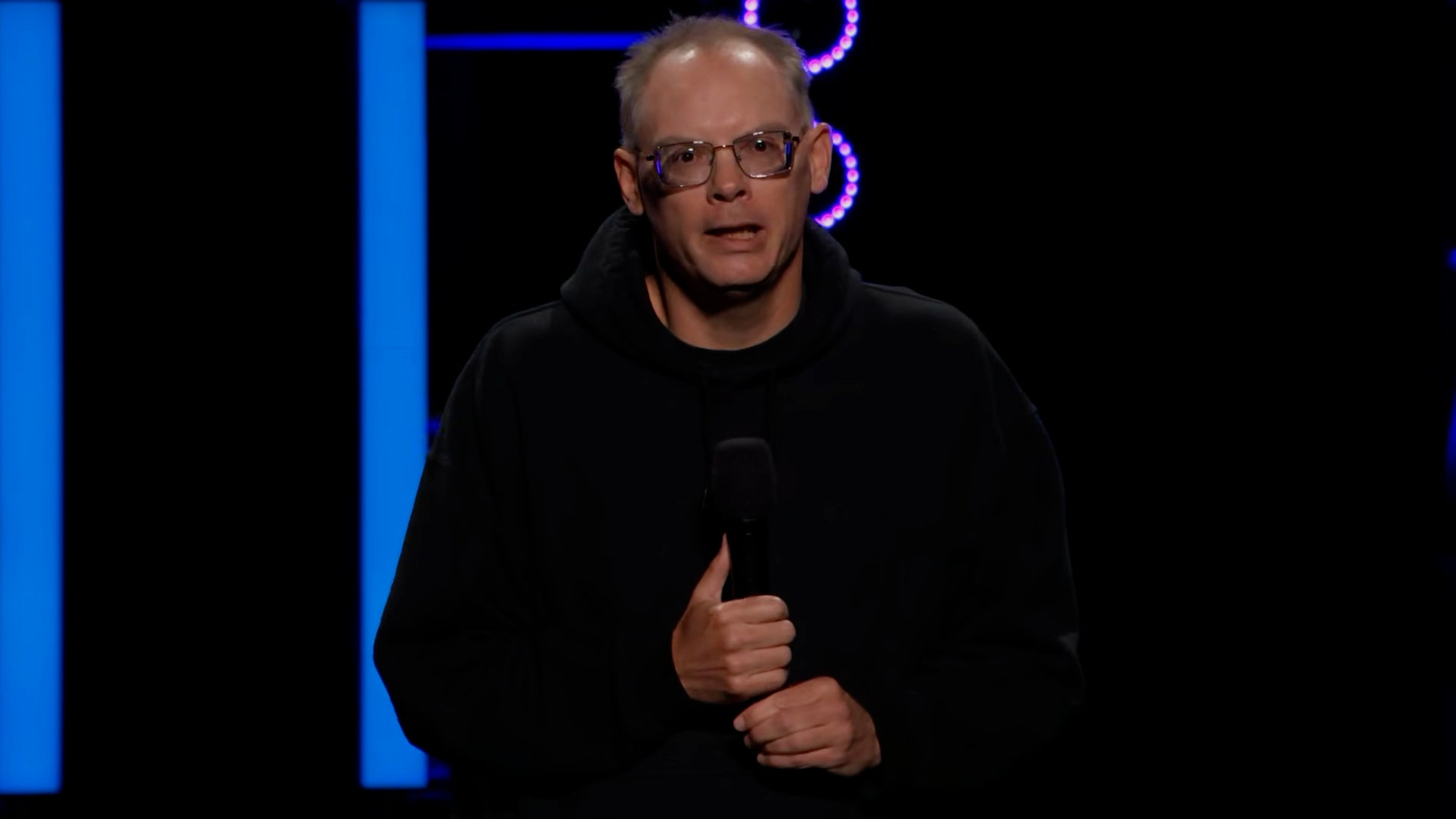
The technical centerpiece of this vision is Unreal Engine 6. Epic has leaned heavily into generative AI to solve the productivity crisis facing modern studios. Marcus Wassmer, Unreal Engine development lead, showcased features designed to automate the more "tedious" aspects of creation.
Streamlining Production
The integration of generative AI models aims to tighten iteration loops in several key areas:
- Environment Setup: Automating the placement of assets and environmental lighting.
- Character Rigging and Skinning: Reducing the manual labor involved in preparing character models for animation.
- Particle Systems and VFX: Using AI to assist in the complex layering required for modern particle physics.
Wassmer emphasized that these tools are intended to "greatly reduce the tedious work" while keeping the "creative intent" firmly in the hands of the human developer. The goal is to move from a process of manual construction to one of "creative orchestration," where the engine handles the technical heavy lifting, allowing teams to focus on design and narrative.
Implications for the Future of Gaming
The implications of Sweeney’s vision are profound, touching upon labor, creative autonomy, and the very nature of what constitutes a "game."
The Labor Question
The integration of AI into the core engine has sparked debate within the developer community. While proponents see it as a necessary evolution to keep budgets manageable, critics fear it could lead to further job displacement. If an AI can perform the work of a junior technical artist, will the industry continue to invest in entry-level talent? Epic maintains that these tools will empower smaller teams to compete with larger studios, effectively democratizing high-end development.
The "Platform" Trap
The risk for Epic remains the "Robloxification" of their brand. By creating a unified ecosystem, they are inherently creating a system where, even with the best of intentions, they become the gatekeepers. If they provide the engine, the marketplace, and the cross-platform integration tools, the industry may find itself reliant on Epic’s benevolence in ways that mirror the very "overlords" Sweeney claims to oppose.
The Economic Shift
The move from buying games to buying things within games is arguably the most significant trend identified by Sweeney. This shifts the developer’s role from "product creator" to "ecosystem manager." The success of this model depends on the ability to retain players over years, not just weeks. This necessitates constant, high-quality content updates, which is exactly why the efficiency gains of Unreal Engine 6 are being prioritized.
Conclusion: A Gamble on Collaboration
Tim Sweeney’s vision for the future is as bold as it is risky. By positioning Epic as a "partner to every company in the industry" while simultaneously pushing for an integrated "everythingverse," he is attempting to walk a fine line.
The industry will be watching closely to see if Unreal Engine 6 can truly lower the barrier to entry for developers or if it will merely serve as a tool for consolidating the market further. For now, Epic is banking on the idea that in a time of crisis, the only way forward is to build a new, more efficient, and more collaborative house—one where they hope to be seen as the architects, not the landlords.
Whether this "everythingverse" will be the liberating, open-standard future Sweeney promises, or merely another iteration of the platform wars, remains to be seen. What is clear is that the old ways of building and selling games are under immense pressure, and Epic Games is betting everything on its ability to define what comes next.


 Asro
Asro
 Muslim