Ammar Sabilarrohman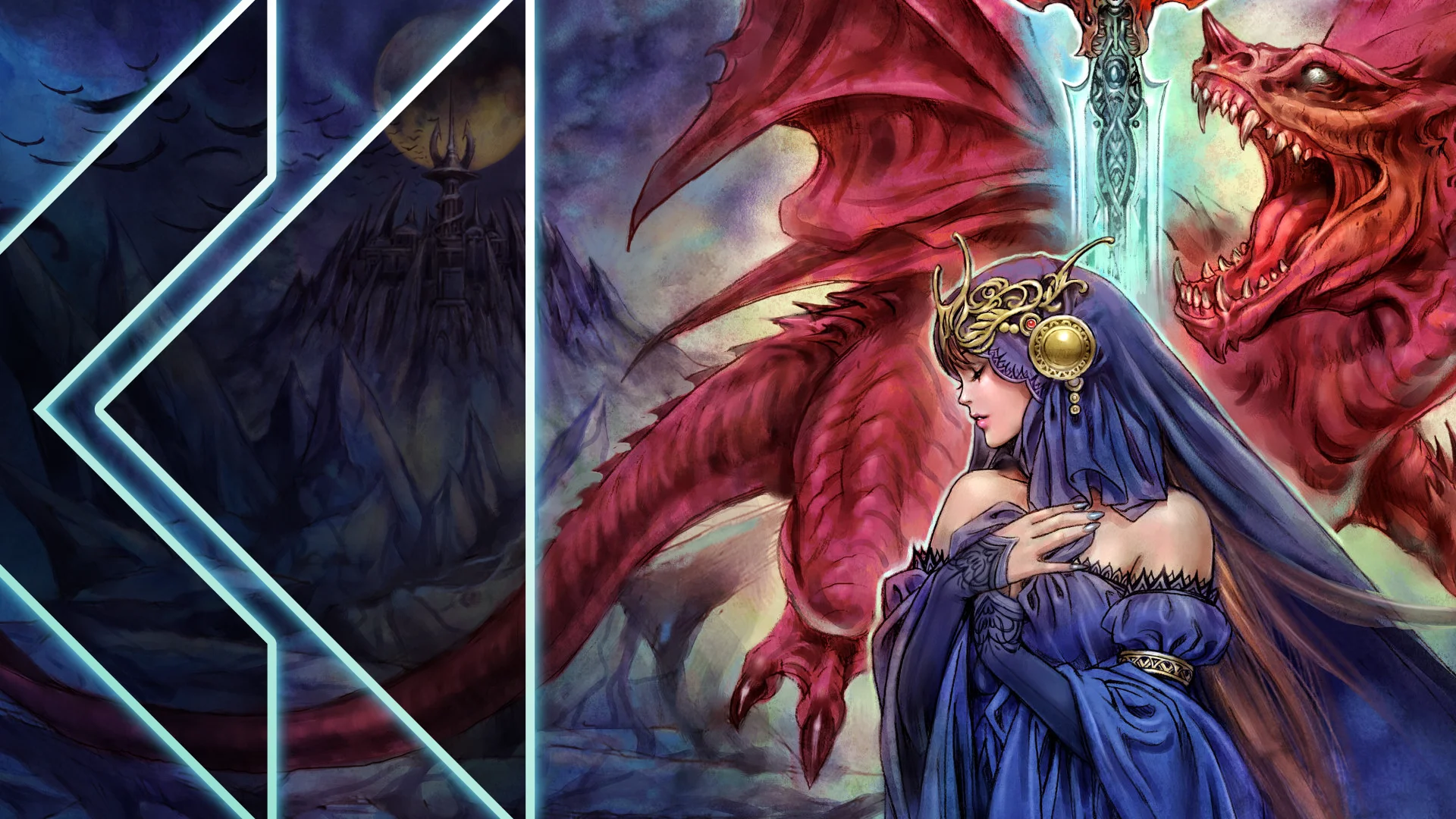
In the vast, sprawling catalog of Nihon Falcom, certain titles act as towering monuments to the genre, while others linger in the mist, waiting for the curious to stumble upon their moss-covered gates. Xanadu Next, an isometric action RPG originally released in 2005, is perhaps the quintessential example of the latter. This week, the Retro Encounter podcast team dives deep into the ruins of Harlech Island, dissecting a game that serves as a fascinating, melancholic bridge between the classic era of PC gaming and the modern sensibilities of the action-RPG genre.
The Core of the Mystery: A Retrospective on Xanadu Next
At its heart, Xanadu Next is a game defined by atmosphere. It tells the story of an unnamed protagonist knight who, accompanied by the scholar Charlotte Wells, arrives at the mysterious Harlech Island. Driven by the allure of an ancient castle that manifests only within a shroud of mist, the duo seeks to uncover the secrets of a legendary holy sword.
The premise is pure fantasy, yet the execution is strikingly grounded. Unlike the high-octane anime flair often associated with Falcom’s later Ys or Trails series, Xanadu Next adopts a somber, deliberate tone. The Retro Encounter panel—featuring Aleks Franiczek, Ben Love, and Audra Bowling—notes that the game feels less like a traditional power fantasy and more like an archaeological excavation. Every corridor of the castle feels heavy with history, and every encounter with the island’s denizens feels like a confrontation with a dying epoch.
Chronology: From PC-98 Origins to XSEED Localization
To understand the significance of Xanadu Next, one must look at the lineage of the Xanadu brand. The original Xanadu (1985) was a seminal title for the PC-8801 and PC-9801, cementing Falcom’s reputation as a developer of deep, challenging dungeon crawlers.
Xanadu Next arrived two decades later, serving as a spiritual successor that stripped away the grid-based movement of the 80s in favor of a fluid, real-time combat system. However, the game remained a "hidden gem" for international audiences for over a decade. It wasn’t until XSEED Games stepped in to handle the localization in 2016 that Western audiences could finally experience the title on modern PC hardware.
The delay in localization meant that by the time many Western players picked up the game, it already felt like a relic—a "lost" masterpiece of the mid-2000s that carried the DNA of an even older era. This unique position in history allows the game to occupy a strange space: it feels both ahead of its time, given its interconnected world design, and distinctively old-school in its punitive key economy and resource management.
Supporting Data: Mechanics, Influences, and Design Philosophy
The Retro Encounter panel spends considerable time dissecting what makes Xanadu Next tick. Central to this discussion is the game’s combat and its clear structural influences.
The Matsuno Connection
The panel highlights a palpable connection to the works of Yasumi Matsuno, particularly Vagrant Story. Much like the masterpiece set in Leá Monde, Xanadu Next emphasizes a dark, claustrophobic environment where the architecture is as much a character as the knight wielding the blade. The pacing is intentionally slower than the frantic pace of the Ys series; it demands patience, strategic positioning, and a respect for the lethality of the enemies.
The Interconnected World
In an era before "Metroidvania" became a buzzword for every indie title, Xanadu Next offered a masterful example of a semi-open, interconnected world. Players are encouraged to explore the nooks and crannies of Harlech Island, unlocking shortcuts and discovering hidden pathways that loop back to previous hubs. This design philosophy rewards the observant player, turning the act of navigation into a puzzle in itself.
The Key Economy
Perhaps the most polarizing aspect of the game—and a primary topic of the podcast episode—is the "key economy." In Xanadu Next, keys are not just tools to progress; they are resources that must be managed. The panel explores the frustration and the genius of this system: does it add a layer of necessary tension, or does it serve as an artificial barrier to enjoyment? The consensus among the Retro Encounter hosts is that while it can be at times frustrating, it forces the player to engage with the world more intimately, discouraging aimless wandering and rewarding calculated exploration.
Official Perspectives and Critical Reception
While Xanadu Next did not receive the explosive mainstream attention of titles like Final Fantasy or Diablo upon its initial release, it has cultivated a dedicated cult following. Falcom, known for its iterative design process, clearly used Xanadu Next as a testing ground for mechanics that would later evolve in their flagship titles.
The Retro Encounter panel notes that the game’s combat bears a passing resemblance to Diablo—specifically the isometric perspective and the focus on loot and skill progression—but with a distinctly Japanese RPG sensibility. The skill system, tied to the weapons themselves, encourages players to experiment with different playstyles. Instead of being locked into a single "class," the player grows by mastering the armaments they find, a system that predated the more flexible progression systems seen in many modern action-RPGs.
Implications for Modern Gaming
Why does Xanadu Next still matter today? The implications of its design are evident in the contemporary obsession with "Soulslike" mechanics and the resurgence of difficult, methodical action games.
- Environmental Storytelling: Xanadu Next proved that you don’t need long, cinematic cutscenes to tell a compelling story. By letting the ruins speak for themselves, Falcom created an immersive experience that respects the player’s intelligence.
- The "Slow" RPG: In an industry currently obsessed with live-service bloat and endless open-world checklists, Xanadu Next serves as a reminder of the power of a contained, meticulously designed experience. The game’s smaller, more intimate scope allows for tighter pacing and a more focused thematic delivery.
- Legacy Preservation: The journey of Xanadu Next from an obscure 2005 PC release to a beloved cult classic highlights the importance of localization and digital preservation. Without the efforts of companies like XSEED, games of this caliber might have been relegated to the dustbin of history.
Conclusion: A Must-Listen Exploration
For those who view themselves as students of the action-RPG genre, Xanadu Next is a masterclass in atmosphere and mechanical economy. The Retro Encounter podcast episode 488 serves as an essential companion for those diving into the mist-covered halls of Harlech Island. Whether you are a veteran of Falcom’s golden era or a curious newcomer wondering what the fuss is about, the discussion provided by Aleks, Ben, and Audra offers invaluable insight into why this "forgotten" classic remains a vital piece of gaming history.
To hear the full breakdown, subscribe to Retro Encounter on your preferred podcast platform. As the hosts suggest, it’s a fairy tale worth experiencing—even if that fairy tale is etched in stone, mist, and the sharp edge of a holy blade.
For more information on the games discussed or to catch up on previous episodes of Retro Encounter, visit the official RPGfan website or subscribe via Overcast, Pocket Casts, or Podbean. Have thoughts on the game? Reach out to the team at [email protected].


 Asro
Asro
 Muslim