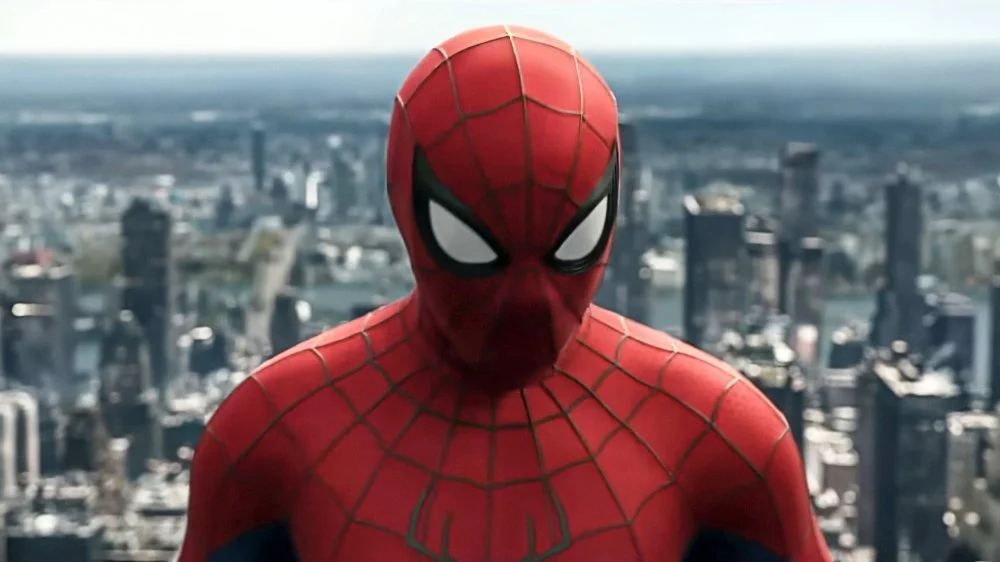
In the landscape of modern cinema, where comic-book fatigue is often cited as the primary ailment of the box office, one character consistently defies the odds. Spider-Man, the friendly neighborhood wall-crawler, has transcended his origins as a silver-age comic book experiment to become a cultural monolith. With the monumental success of Spider-Man: No Way Home and the continued dominance of the franchise, including the latest installment Spider-Man: Brand New Day, we are witnessing a shift in the hierarchy of superheroes.
Once ruled by the mythological stoicism of Superman and the brooding noir-existentialism of Batman, the pantheon of pop culture has been reclaimed by a teenager from Queens. But what is it about Peter Parker—a character defined by his anxiety, his social awkwardness, and his perpetually precarious life—that resonates so deeply with contemporary audiences?
The Chronology of an Icon: From Stan Lee’s Gamble to Multiversal Dominance
The history of Spider-Man is a story of resistance. When Stan Lee first pitched the character in 1962, he was met with skepticism from publishers who argued that teenagers were meant to be sidekicks, not protagonists, and that readers were repulsed by spiders. Lee persisted, and the result was an immediate, seismic shift in the comic book medium.
For decades, the cinematic hierarchy remained clear. In 1978, Richard Donner’s Superman established the template for the superhero film, presenting a figure of god-like virtue. Christopher Reeve’s portrayal remains the gold standard of the "Olympian" superhero—indomitable, chiseled, and morally absolute. As the optimism of the late 70s gave way to the cynicism of the 80s, Batman emerged. Through Tim Burton’s stylized vision and later Christopher Nolan’s The Dark Knight, Batman became the ultimate antihero. He offered a dark, grounded reflection of our own alienation, proving that even a man without powers could stand against the darkness.
However, the turn of the millennium brought a new approach. While the Tobey Maguire era of the early 2000s established the character’s emotional stakes, it wasn’t until the integration of the multiverse—first mastered by the animated masterpiece Spider-Man: Into the Spider-Verse—that the character’s true potential was unlocked. No Way Home capitalized on this by reuniting three generations of actors—Tom Holland, Andrew Garfield, and Tobey Maguire—creating a "royal family reunion" that shattered box-office records, pulling in $814 million in the U.S. alone.
Supporting Data: The Economics of Relatability
The box-office performance of the Spider-Man franchise serves as a barometer for audience sentiment. While industry analysts frequently warn of "superhero fatigue," Spider-Man consistently manages to be the exception to the rule.
Spider-Man: Brand New Day has arrived as a testament to this longevity. While critics and audiences alike acknowledge it may not reach the critical heights of Sam Raimi’s Spider-Man 2, its commercial performance is expected to be historic. The film functions as a solid, well-executed adventure, yet it is currently tracking to become one of the top-grossing films of all time.
The data suggests that audiences are tiring of the "team-up" model—the Avengers, the X-Men, the Justice League—where the scale of the threat often diminishes the individual stakes. In contrast, the Spider-Man model remains intimate. Even as the franchise explores multiversal madness, it keeps its focus on Peter Parker’s personal struggle: his inability to talk to MJ, his financial woes, and his internal identity crisis. This "politics is local" approach keeps the audience tethered to the human experience, even when the protagonist is swinging between skyscrapers.
The "Relatability" Quotient: Why Peter Parker Wins
The central argument for Spider-Man’s dominance is his relatability. Unlike the untouchable nature of Superman or the immense wealth and resources of Bruce Wayne, Peter Parker is a mirror. He is the James Dean of superheroes—a misunderstood youth dealing with the literal and figurative "growing pains" of puberty.
The Spiritual Fusion
Spider-Man represents a perfect hybrid of the two pillars that preceded him:
- The Superman Element: He is an Eagle Scout believer in his own destiny, donning the red-and-blue spandex to perform acts of heroism that feel genuinely exhilarating.
- The Batman Element: He is masked, furtive, and deeply traumatized. He carries the weight of loss and the burden of a secret life that prevents him from ever truly finding peace.
Tom Holland’s performance has been pivotal in this evolution. As he has aged into the role, Holland has brought a "buff abashment" to Peter Parker that is both wholesome and magnetically charismatic. He possesses a vulnerability that previous iterations struggled to maintain. When the webs stop working or his abilities become "discombobulated," as seen in Brand New Day, the audience isn’t watching a god fail; they are watching a young adult struggle with the unpredictability of a world that feels increasingly chaotic.
Implications: The Future of the Superhero Genre
The current success of the Spider-Man brand has significant implications for the future of blockbuster filmmaking. As we navigate a period of global, political, and social uncertainty, audiences are gravitating toward characters who mirror their own sense of being "mired in the darkness."
Beyond the Mask
The Spider-Verse films have pushed the boundaries of this narrative even further. By exploring multiple versions of the character, the franchise has elevated the conversation around identity. These films ask: Who is Spider-Man? The answer is no longer just "Peter Parker." It is a collective, a diverse array of individuals who all share the same struggle to reconcile their power with their humanity. This makes the traditional DC-style "cosplay" of a hero seem thin by comparison.
Furthermore, the longevity of the Holland era suggests that the audience prefers a character who grows up with them. We have seen Peter Parker navigate high school, the loss of his mentors, and now the isolation of young adulthood. This narrative arc creates a sense of loyalty that the "reboot-heavy" nature of other franchises often fails to secure.
The Final Word
Spider-Man is not just a character; he is a remedy for the exhaustion caused by the "Olympian" era of cinema. In a time where we are constantly told that heroes are supposed to be perfect, invincible, and majestic, Spider-Man provides a cathartic relief by being consistently flawed. He is the hero who speaks to our anxieties and our dreams in equal measure.
As long as the world feels as if it is hanging by a thread, audiences will continue to find comfort in the boy from Queens who is doing the same. He remains the definitive hero of our time—not because he is the strongest, but because he is the one who keeps getting back up, even when he isn’t quite sure who he is anymore. The playbook has been rewritten, and for the foreseeable future, the world will continue to look to the web-slinger to lead the way.