

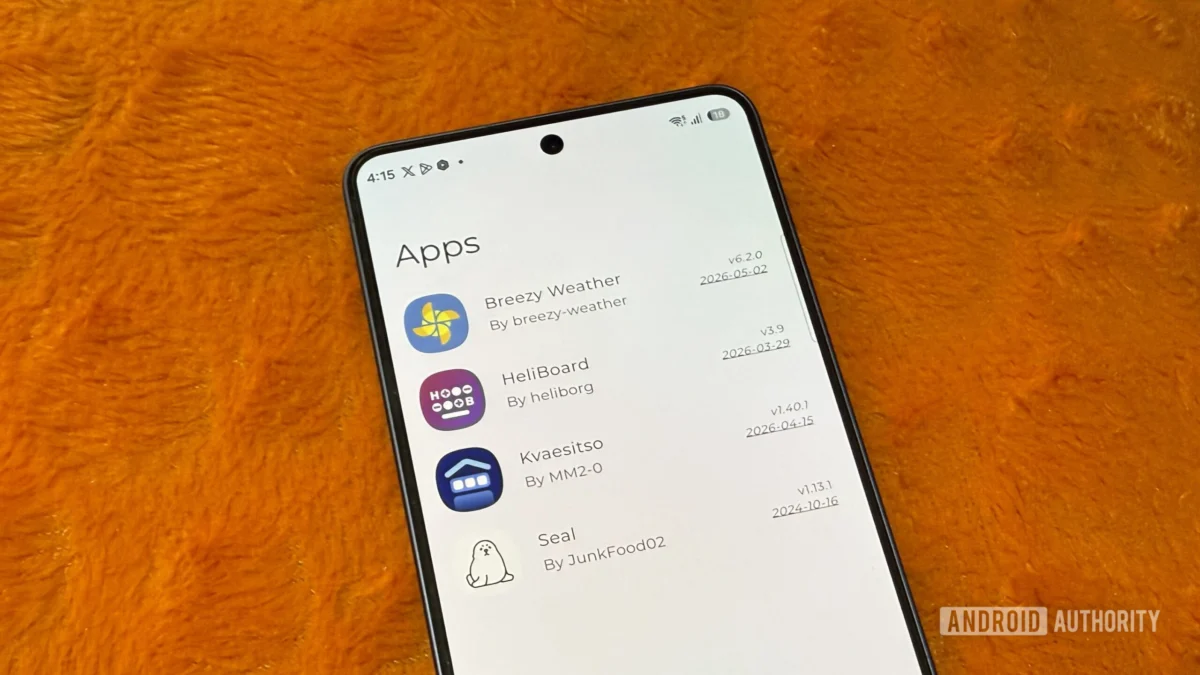
For the vast majority of the three billion active Android users worldwide, the Google Play Store is the singular, authoritative gateway to the digital world. It is the ecosystem’s front door, offering a curated, scanned, and convenient repository for everything from banking apps to casual games. However, for a growing subset of enthusiasts, developers, and privacy-conscious users, the Play Store is merely one option among many.
Over the last decade, a vibrant, decentralized "shadow" ecosystem of open-source software (FOSS) has flourished. These applications often exist outside the traditional distribution channels because they occupy niche use cases, prioritize radical user privacy, or simply bypass the commercial requirements imposed by Google’s developer policies. As users become increasingly concerned about data telemetry, ad-bloat, and corporate oversight, sideloading—the act of installing software from outside the official store—has evolved from a risky "hacker" practice into a mainstream tool for reclaiming control over one’s device.
The Evolution of Sideloading: From Niche to Necessity
The shift toward non-Play Store apps is not merely a trend; it is a response to the "envelopment" of the mobile experience. Many mainstream applications have become increasingly bloated with non-essential features, AI-driven tracking, and subscription-gated functionality.
The Core Philosophy of FOSS
Open-source software is defined by transparency. Unlike proprietary apps where the code is a "black box," FOSS projects allow users to inspect, verify, and even contribute to the codebase. This transparency is the primary defense against malicious data collection. When an app is open-source, the community acts as a perpetual audit team, ensuring that the application does exactly what it claims to do—and nothing more.
Chronology of the Shift
- 2008–2014: Sideloading was largely synonymous with "rooting" and custom ROMs, viewed primarily as a method for power users to install modified system tools.
- 2015–2020: The rise of third-party repositories like F-Droid began to normalize the installation of clean, privacy-focused apps.
- 2021–Present: Increased scrutiny of Google’s data collection practices, combined with the maturation of "Material You" design standards, has made open-source apps aesthetically competitive with commercial offerings, drawing in casual users who seek cleaner, ad-free alternatives.
Curated Essentials: Tools That Redefine the Android Experience
While there are thousands of open-source projects, a few stand out for their utility, stability, and adherence to modern design standards. These tools represent the best of what the Android platform is capable of when the shackles of commercial distribution are removed.
1. Breezy Weather: The Data-First Approach
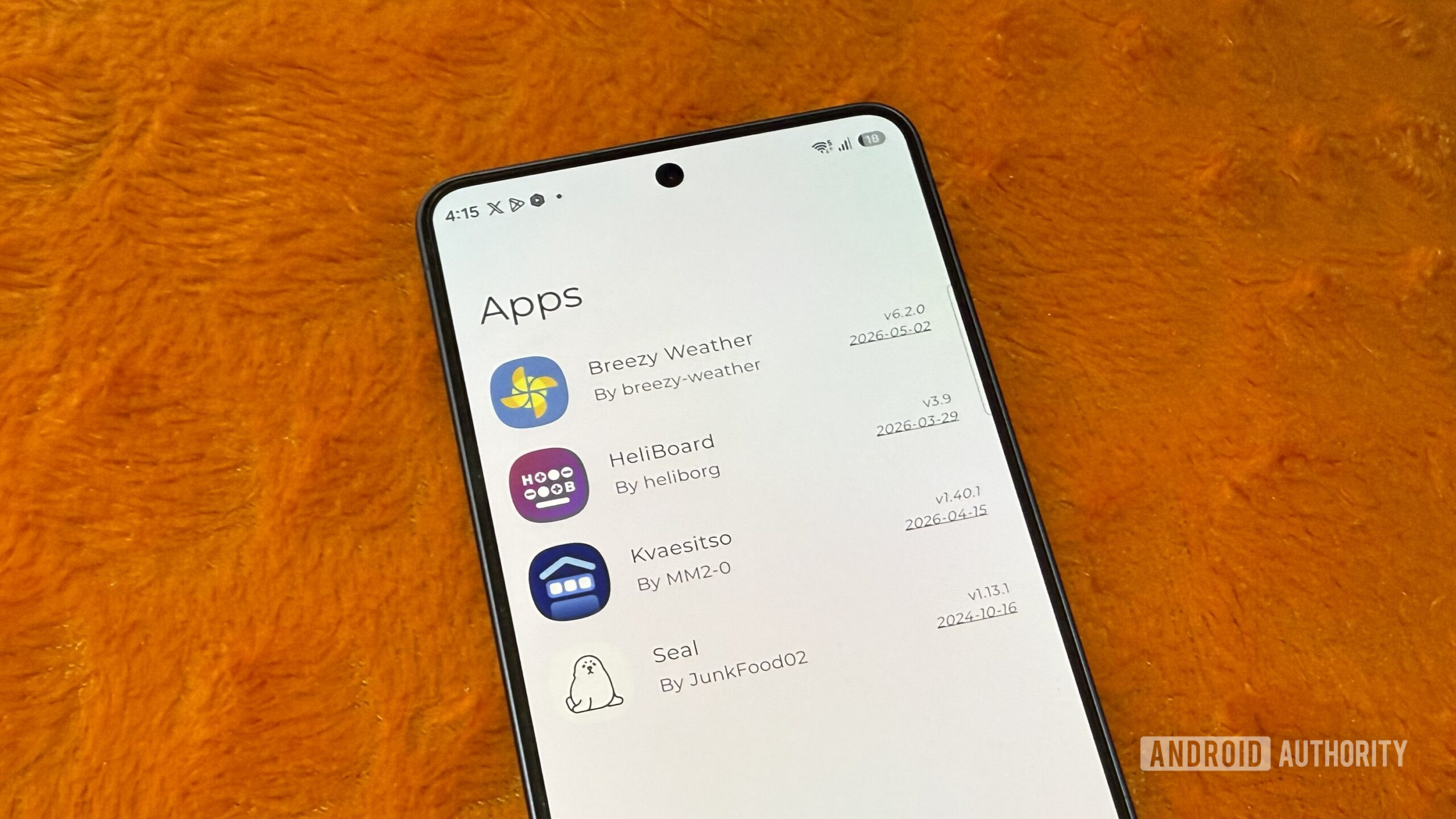
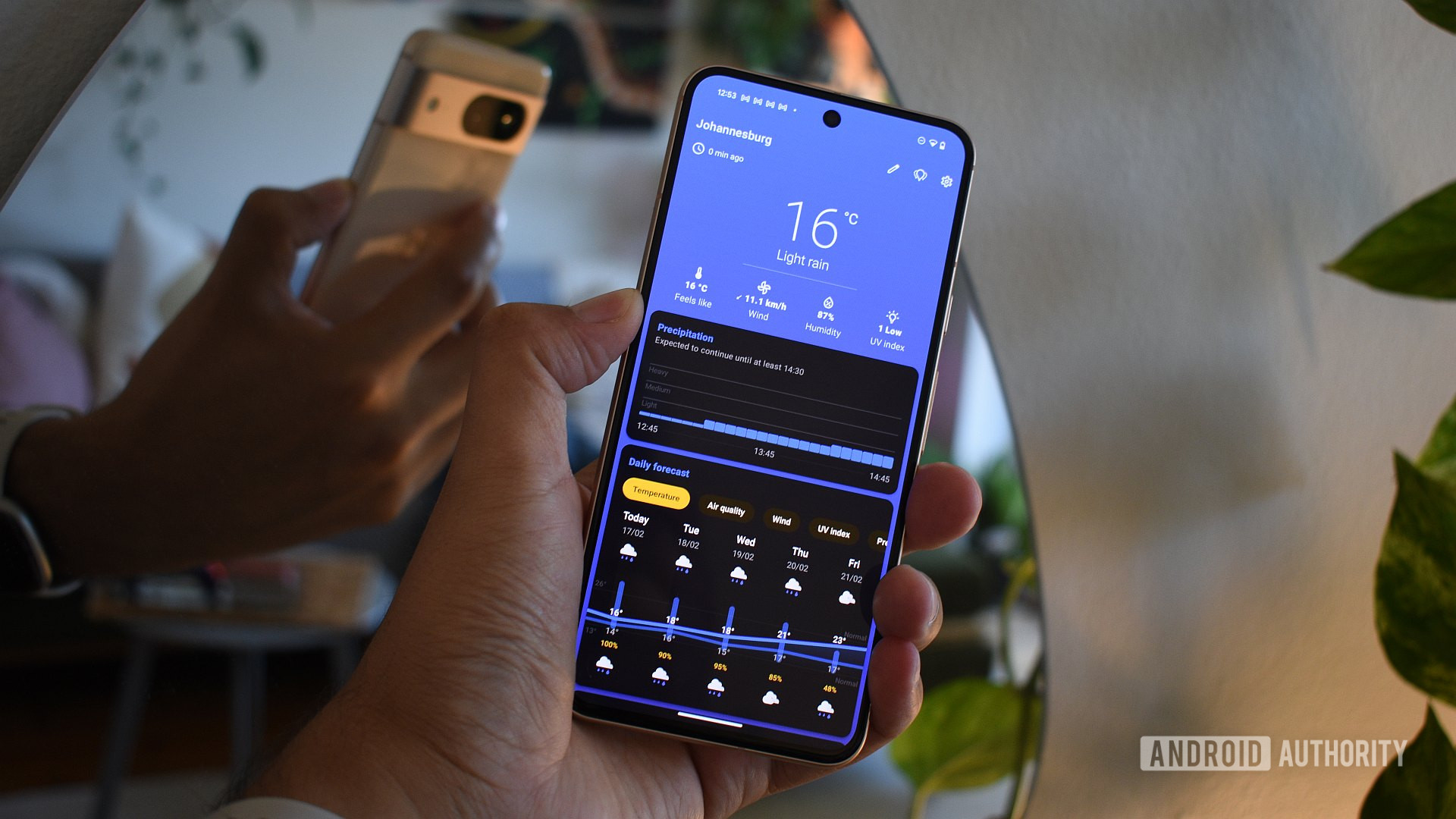
Mainstream weather apps are notoriously aggressive with location tracking and intrusive advertising. Breezy Weather flips this model. By allowing users to pull data from over 50 different global and regional weather services, it provides an unparalleled level of accuracy tailored to specific geographic locations. Because it follows Google’s Material You design language, it feels native to the Android operating system, offering a fluid, color-adaptive interface that feels more professional than many paid apps.
2. Seal: Mastering Digital Content
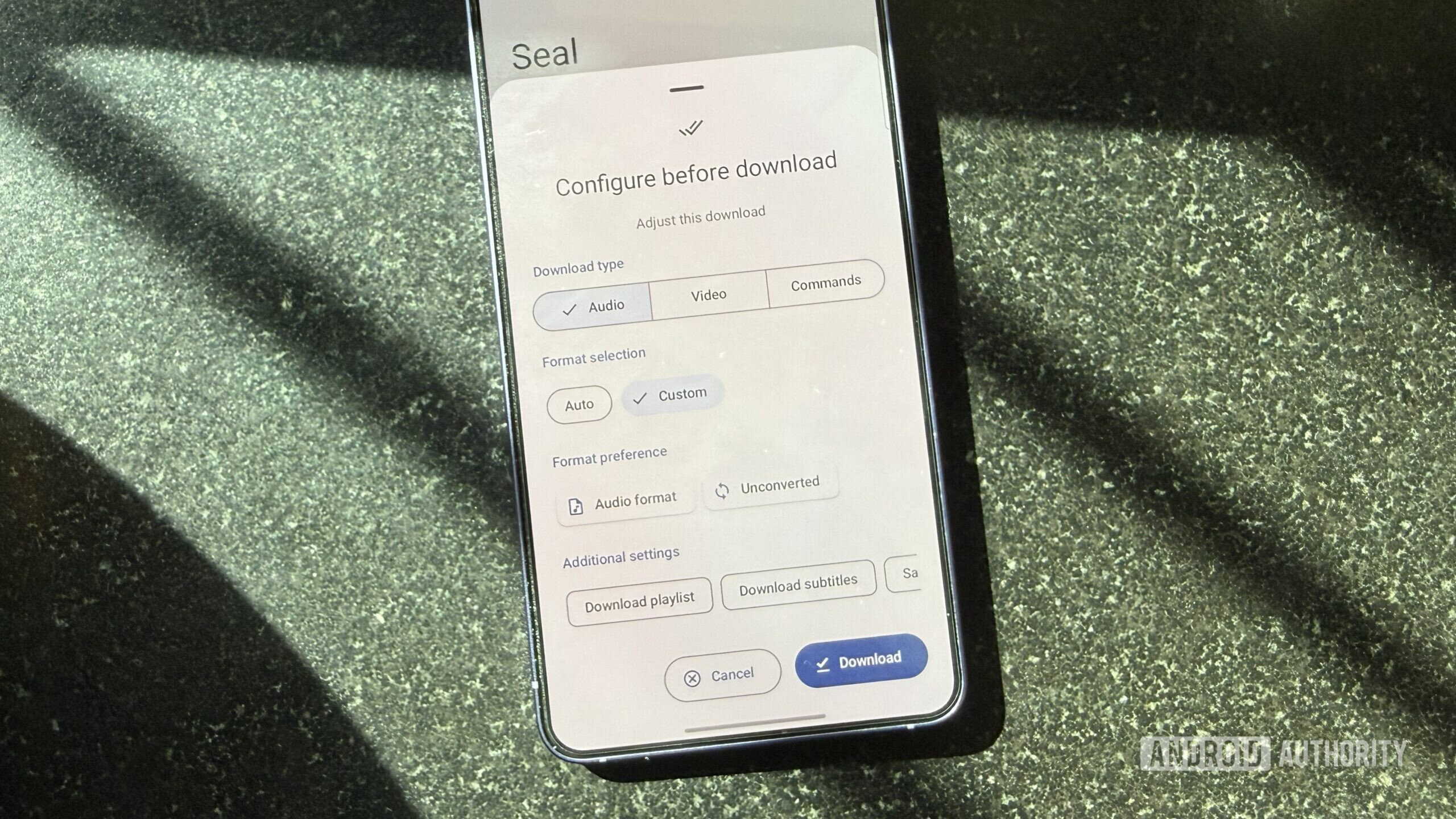
Seal represents the ultimate utility for the modern media consumer. Built upon the robust yt-dlp framework, this application allows users to download audio and video from a vast array of internet services. Its utility lies in its simplicity: paste a link, choose your preferred format (audio vs. video), and the file is saved locally. Because it circumvents the restrictive policies of the Play Store regarding video downloading, it remains one of the most effective tools for offline media management.
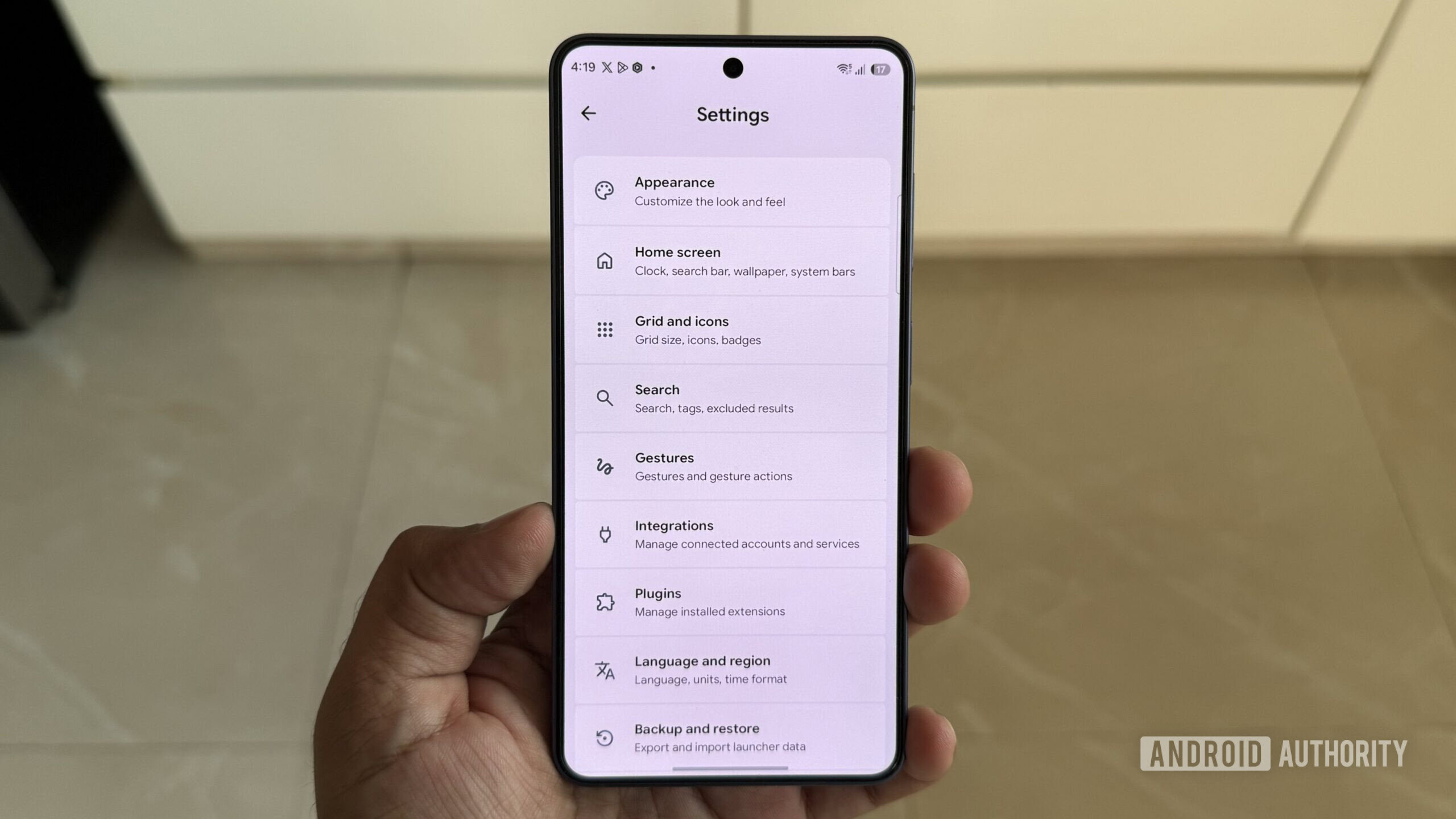
3. Kvaesitso: The Search-Centric Launcher
The Android home screen has historically been a static grid of icons. Kvaesitso reimagines the interface as a search-driven dashboard. For users who suffer from "app clutter," this launcher prioritizes functionality over aesthetics. By enabling users to search not just for apps, but for specific files, calendar events, and even mathematical calculations directly from the home screen, it reduces the friction of daily smartphone use. It effectively turns the phone into a productivity machine rather than a passive content consumption device.
4. Aurora Store: The Gateway to Freedom
Perhaps the most critical tool for the "de-Googled" user is the Aurora Store. It acts as an anonymous client for the Google Play Store. It allows users to download and update apps from the official catalog without requiring a Google account sign-in. This is a massive boon for privacy, as it breaks the link between a user’s identity and their app history. Furthermore, the inclusion of a "Spoof Manager"—which allows users to pretend they are using a different device or residing in a different region—opens access to software that would otherwise be geoblocked or restricted to specific high-end handsets.
5. HeliBoard: Privacy-First Input
The keyboard is arguably the most sensitive app on any smartphone. It records every keystroke, including passwords, private messages, and search queries. Most mainstream keyboards utilize cloud-based predictive text that transmits data to corporate servers. HeliBoard functions entirely offline. It delivers a modern, feature-rich typing experience—complete with clipboard history and theme support—without the "AI bloat" that has plagued competitors. It is the gold standard for users who believe that what they type should stay on their device.
Supporting Data: Why Users Are Making the Switch
According to industry surveys, the primary drivers for moving away from the Play Store are as follows:
- Privacy (64%): Concern over data harvesting and background telemetry.
- Ad-Free Experience (52%): A fatigue with the "freemium" model where core features are locked behind paywalls or disruptive ads.
- Performance (41%): The desire for lightweight apps that do not drain battery or system resources.
- Customization (33%): The need for features that proprietary developers refuse to implement.
Official Responses and Corporate Implications
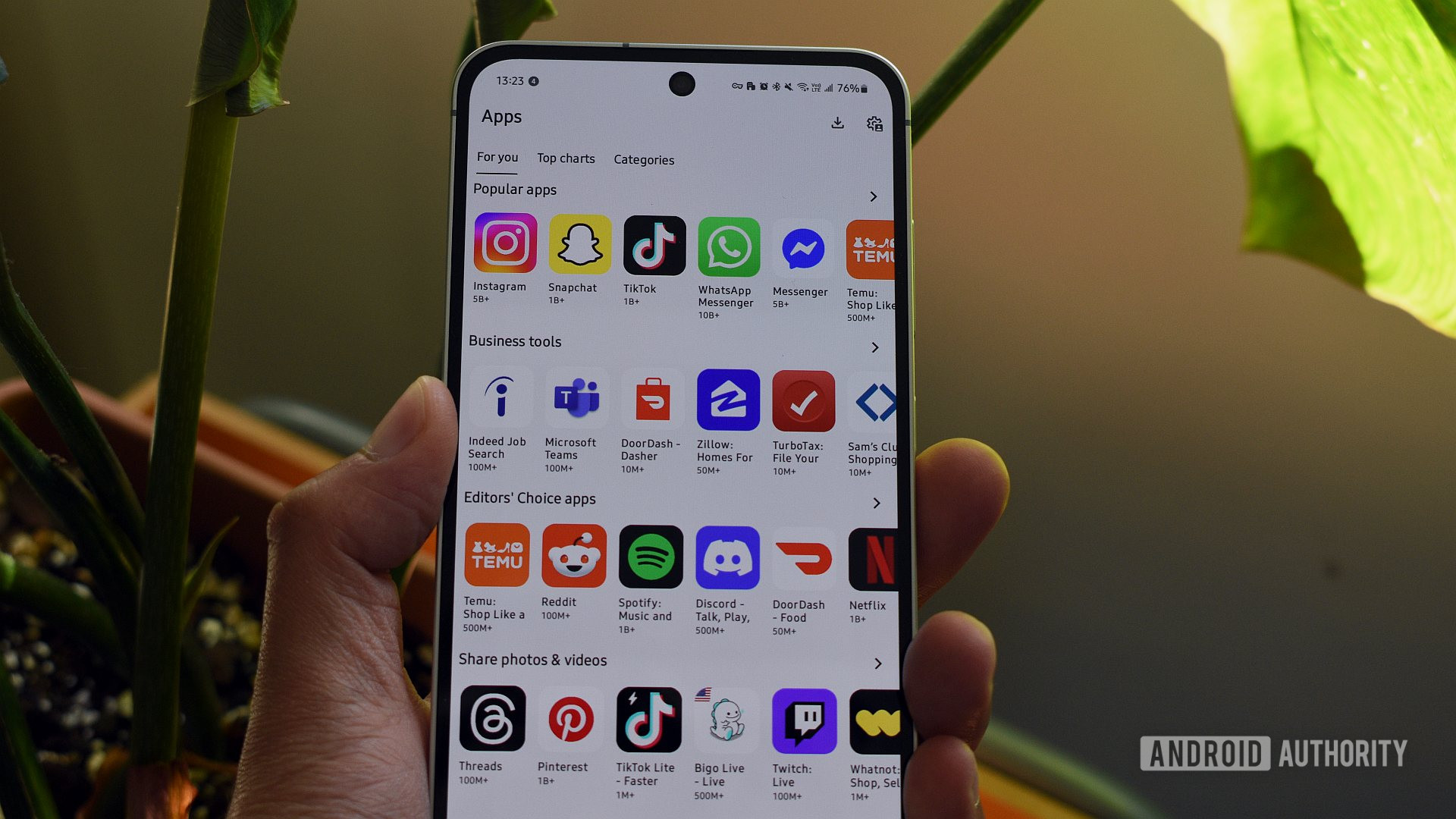
Google’s stance on sideloading has historically been one of "caution." The company consistently warns users about the security risks of installing apps from "unknown sources." From a security perspective, these warnings have merit; the Play Store provides a layer of Google Play Protect scanning that is absent in manual APK installations.
However, industry analysts suggest that Google’s warnings are also a mechanism to maintain control over the app economy. By keeping users within the Play Store, Google ensures its 15–30% commission on transactions and maintains its monopoly on user data. The rise of these open-source tools puts pressure on Google to improve the Play Store experience, forcing the tech giant to balance security theater with the genuine utility users demand.
Implications for the Future of Android
The growing popularity of these tools indicates a "great unbundling" of the Android experience. We are entering an era where the operating system is increasingly viewed as a foundation, while the software layer is increasingly becoming a matter of personal choice.
The Security-Privacy Paradox
The trade-off between the convenience of the Play Store and the privacy of FOSS is narrowing. Repositories like F-Droid and applications like Aurora Store have made it significantly easier for non-technical users to manage updates and security patches for their sideloaded apps. This suggests that the "danger" of sideloading is becoming a legacy narrative, as the open-source community builds more robust management tools.
The Regulatory Landscape
With the European Union’s Digital Markets Act (DMA) and similar legislation globally, the monopoly of the Google Play Store is being legally challenged. These laws force platforms to allow third-party app stores, which will likely lead to a surge in the availability and ease of use for the types of apps mentioned here.
Conclusion
The decision to look beyond the Google Play Store is, at its heart, a decision to take ownership of your digital life. Whether it is through the privacy of HeliBoard, the utility of Seal, or the freedom of the Aurora Store, these applications prove that the most powerful tools for Android are often the ones built by the community, for the community.
As we move toward a more open mobile future, the barrier between "power users" and "average users" will continue to dissolve. In this new landscape, the apps you choose will define the phone you have, moving us away from a one-size-fits-all model toward a truly personalized, private, and efficient mobile experience. If you haven’t yet experimented with the open-source side of Android, there has never been a better time to start. The Play Store will always be there, but the most interesting parts of your phone may well be hidden just outside its walls.












No comments yet. Be the first to join the conversation!