


As the work week draws to a close, many readers find themselves scouring bookstore shelves and digital storefronts for that elusive "next great read." This week, our literary recommendations lean heavily into the uncanny, the visceral, and the surreal. Whether you are in the mood for high-concept body horror rooted in classic literature or a graphic narrative that defies traditional storytelling logic, these two titles offer a compelling escape from the mundane.
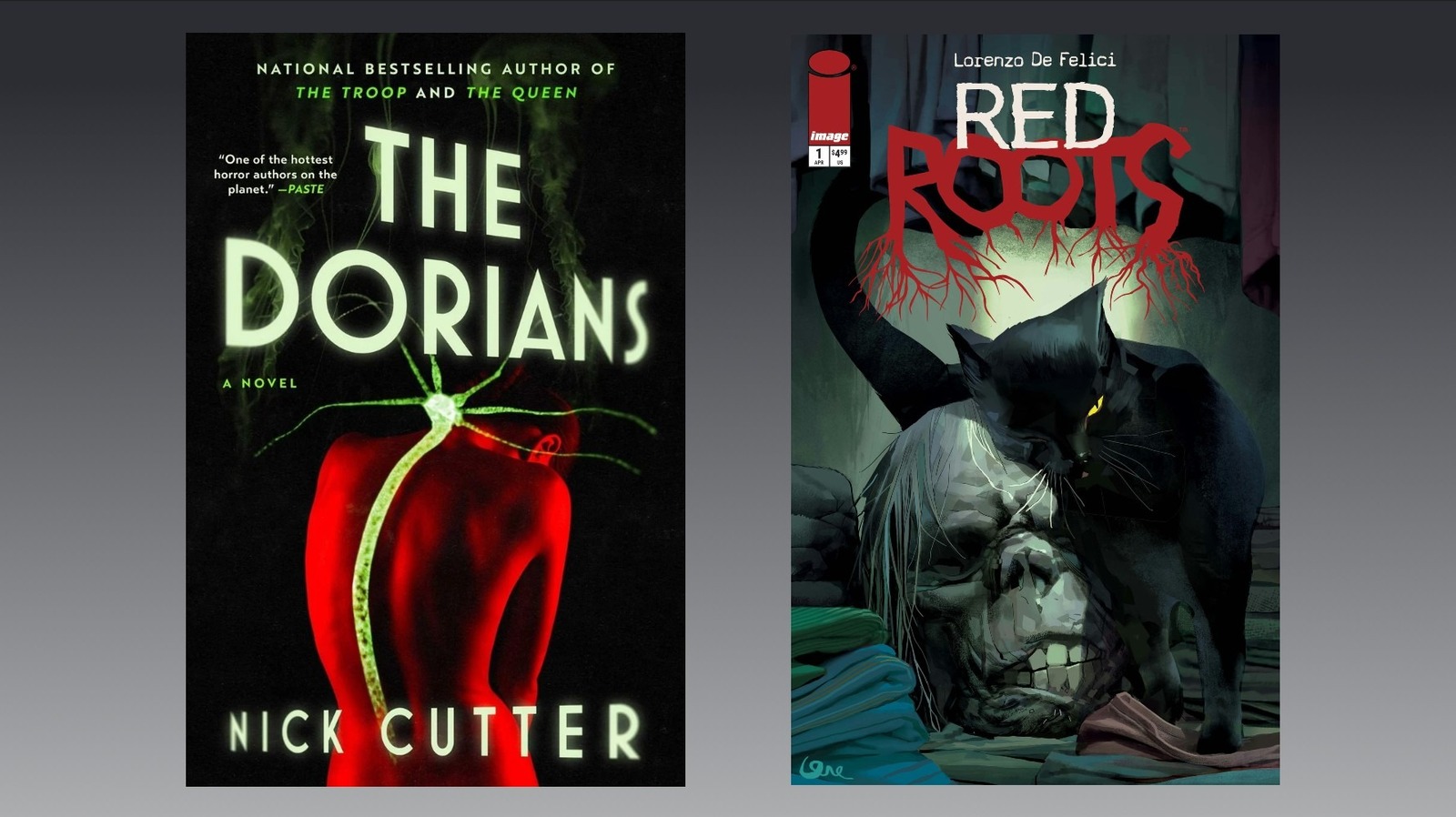
This week, we turn our attention to Nick Cutter’s latest foray into the macabre, The Dorians, and the dizzying, unpredictable opening issues of Lorenzo De Felici’s comic series, Red Roots.
Main Facts: A Look at This Week’s Must-Reads
The current literary landscape is experiencing a resurgence of "weird fiction"—narratives that blend speculative science with deeply human anxieties. Both The Dorians and Red Roots represent the pinnacle of this movement.
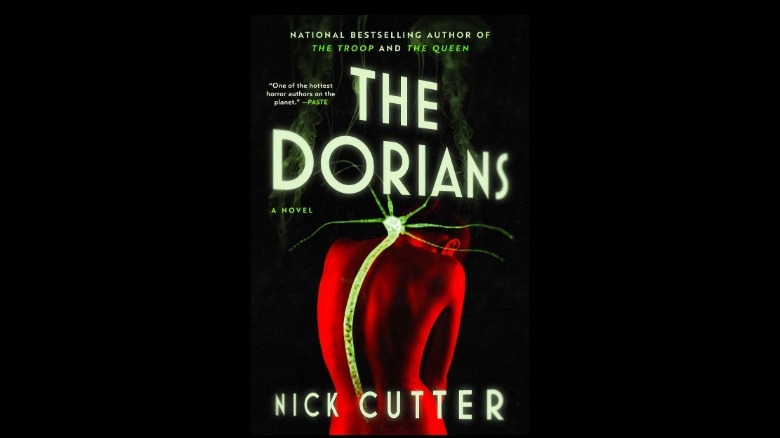
The Dorians, published by Gallery Books, is a modern reimagining of the thematic dread found in Oscar Wilde’s The Picture of Dorian Gray. It posits a terrifying question: If you could trade your morality for immortality, would you? By centering the narrative on individuals at death’s door, Cutter creates an immediate, high-stakes environment where desperation becomes the primary driver of the plot.
Conversely, Red Roots, an Image Comics production, occupies the visual medium to explore the grotesque. Through the lens of Lorenzo De Felici—an artist and writer known for his ability to craft immersive, unsettling worlds—the story invites readers into a labyrinthine mystery. It is a work of genre-defying fiction that refuses to hold the reader’s hand, opting instead for a "show, don’t tell" approach that keeps the audience constantly off-balance.
Chronology: The Evolution of These Narratives
The Genesis of The Dorians
The conceptual framework for The Dorians began with a fascination for the intersection of biological longevity and ethical decay. Cutter, a master of modern horror, drew inspiration from the Victorian gothic tradition, specifically Wilde’s seminal work. However, whereas Wilde dealt in the corruption of the soul through portraiture, Cutter updates this to the era of biotechnology and synthetic biology. The story unfolds as a "slow-burn" tragedy that quickly accelerates into a high-octane thriller once the central experimental treatment is introduced.
The Development of Red Roots
Lorenzo De Felici’s Red Roots has been a highly anticipated project within the independent comic community. Following his success with other projects, De Felici took a more experimental approach with Red Roots. The first issue introduced a disjointed narrative—the story of a teacher and a killer—which initially appeared to have no intersection. With the release of the second issue this week, the narrative arc has begun to coalesce, moving from disparate character studies into a cohesive, albeit deeply bizarre, reality-bending epic.
Supporting Data: Why These Titles Resonate
The appeal of these works can be analyzed through the lens of audience engagement and genre trends.
The Body Horror Appeal
Data from literary critics and genre enthusiasts suggests a growing appetite for "body horror"—a subgenre that focuses on the physical destruction or transformation of the human form. The Dorians utilizes this effectively. By tying the "miracle" of eternal youth to a biological agent that possesses its own primitive consciousness, Cutter taps into the fear of loss of autonomy. It is the same existential dread that propelled the Alien franchise to success: the fear that something inside us is changing, and we are no longer in control of our own vessel.
The Power of Visual Narrative
Red Roots succeeds by capitalizing on the medium of comics to create a sense of cognitive dissonance. Readers are often forced to re-read panels to ensure they have interpreted the surreal imagery correctly. This "active reading" model has been shown to increase reader retention and emotional investment. When a reader cannot predict the next page, they are more likely to remain committed to the series until the conclusion of the story arc.
Official Perspectives and Critical Reception
Industry analysts have noted that both titles are performing well among a demographic of readers aged 18 to 45 who are seeking "high-concept" entertainment.
"Cutter has managed to take a trope—the fountain of youth—and strip away the romance, leaving behind the raw, biological horror of survival," says one prominent genre critic. "It is a bold update to the Wildean mythos that feels startlingly contemporary."
Regarding Red Roots, early reviews from the comic industry emphasize the sheer creative audacity of De Felici. The general consensus is that the book is a "head-trip." Critics have lauded the art style for its ability to convey movement and terror simultaneously, noting that the color palette—rich with deep reds and sickly, unnatural tones—is integral to the storytelling experience.
Implications: The Future of Genre Fiction
The success of these titles indicates a broader shift in the publishing industry. We are moving away from traditional hero-centric narratives and toward stories that prioritize atmosphere, psychological ambiguity, and thematic complexity.
The Role of Bio-Ethics in Fiction
The Dorians forces readers to confront the moral implications of transhumanism. As medical technology advances in the real world, speculative fiction is increasingly tasked with exploring the "what if" scenarios of these breakthroughs. By framing biotechnology as a monster, the book acts as a cautionary tale about the limits of human ambition.
The Fragmentation of Truth
Red Roots is symptomatic of a modern storytelling style that mirrors the fragmentation of information in the digital age. In a world where truth is often obscured by noise, the story’s refusal to provide clear, linear answers resonates with readers who are accustomed to navigating complex, contradictory information streams.
Detailed Review: A Deeper Dive
Into the World of The Dorians
The premise of The Dorians is deceptively simple: five characters, all facing the finality of death, are granted a reprieve. This reprieve, however, comes from a "mysterious benefactor" and a high-tech, ancient biological agent.
What makes the book truly shine is the pacing. The first act establishes the hopelessness of the characters’ situations with such clinical detail that the reader feels their exhaustion. When the "treatment" is administered, the transition into horror is jarring. It is not just a physical transformation; it is a mental one. The "will to survive" possessed by the biological agent is not interested in human morality. It is interested in persistence. The result is a narrative that feels like a collision between a hospital drama and a creature feature. The body horror is frequent, creative, and undeniably effective at leaving the reader feeling unsettled long after they put the book down.
The Unfolding Mystery of Red Roots
If The Dorians is a descent into madness, Red Roots is a fever dream. The first two issues establish a parallel structure that is deeply effective. On one hand, we have the domestic, grounded horror of a teacher who finds something "wrong" in her own home. On the other, we have a man on a violent, inexplicable rampage.
The brilliance of De Felici’s work lies in the pacing of the "WTF" moments. Every time the reader feels they have grasped the rules of the world, the story shifts. The second issue, released this past week, expands the scope significantly, implying that the two protagonists are merely small pieces in a much larger, darker puzzle. The art is the backbone of this mystery; it is vibrant, claustrophobic, and inherently strange. It demands to be looked at, not just read.
Conclusion: Why You Should Read Them
If you are looking for light, escapist fiction, these might not be the books for you. However, if you are looking for stories that challenge your perspective, push the boundaries of their respective genres, and leave you pondering the nature of existence—and perhaps checking the shadows in your own home—then The Dorians and Red Roots are the essential reads of the weekend.
The Dorians offers a chilling, thought-provoking exploration of mortality, while Red Roots provides an electrifying, surreal visual journey that reminds us why we love the medium of comics in the first place. Whether you pick up a copy at your local bookstore or order them for your digital device, both titles are poised to be the centerpiece of many conversations among horror and sci-fi fans this week.
Prepare yourself for a weekend of existential dread, breathtaking art, and, above all, the thrill of the unknown. Happy reading.












No comments yet. Be the first to join the conversation!