Laily UPN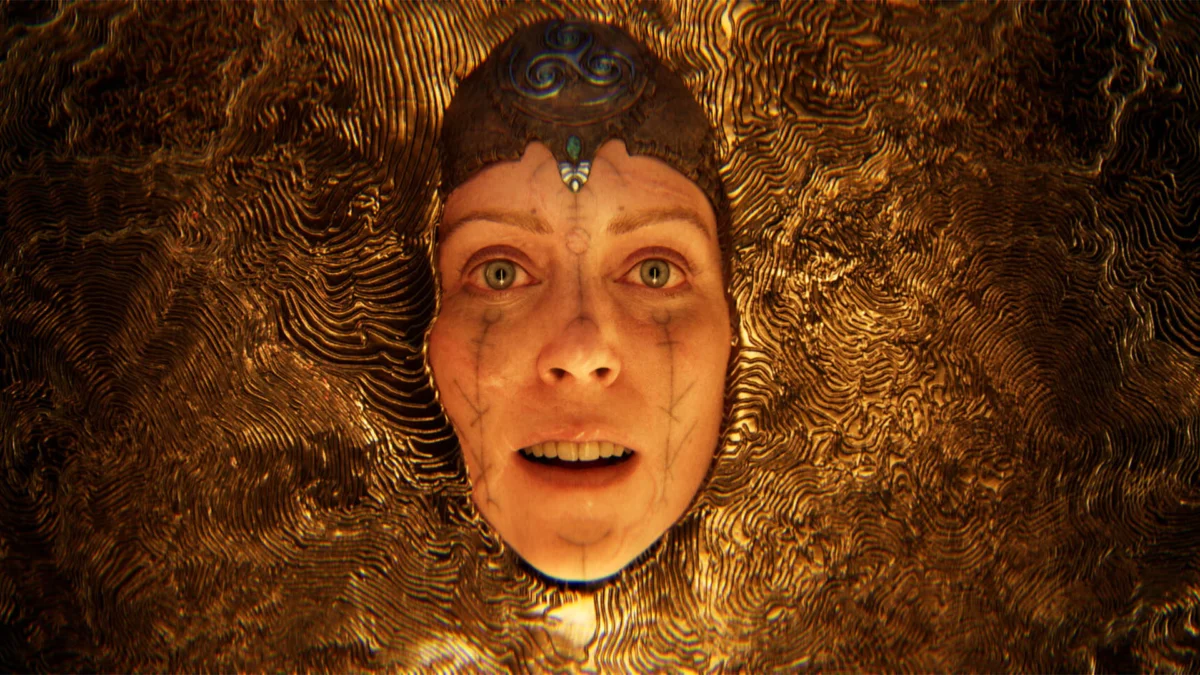
The gaming industry is reeling from a series of reports indicating that Microsoft is actively exploring the divestiture of several high-profile internal studios. According to reporting from Bloomberg and The Verge, the Xbox division is in high-level discussions regarding the potential spin-off of Ninja Theory, Double Fine Productions, and Compulsion Games. This strategic shift is being framed not as an expansion, but as a survival mechanism designed to prevent the outright shuttering of these creative teams as Microsoft moves toward a more aggressive, profit-centric mandate for its gaming division.
The news marks a precarious turning point for Xbox, which has spent the last decade building a massive portfolio of first-party talent, only to face mounting pressure from parent company Microsoft to prove the long-term financial viability of its gaming arm.
The Core Conflict: Sustainability vs. Creative Autonomy
The impetus behind these potential spin-offs stems from a growing internal directive at Microsoft to ensure that every facet of the Xbox business is independently profitable. This climate of austerity was crystallized in a recent memo from Xbox CEO Asha Sharma, who outlined a bold vision for an "Xbox reset."
This "reset" is not merely administrative; it is a fundamental shift in philosophy. For years, Xbox pursued a "growth at all costs" strategy, fueled by the acquisition of powerhouse studios like Bethesda Softworks and Activision Blizzard. However, the current economic climate—characterized by rising development costs and stagnant subscription growth—has led leadership to prioritize "sustainability."
Microsoft’s CEO recently underscored this urgency, pointedly noting that the Xbox division must achieve genuine profitability. In a comment that sent shockwaves through the industry, leadership even remarked that content creators and third-party streamers are currently extracting more revenue from Xbox titles than the publisher itself, highlighting a perceived failure in monetization and ecosystem capture.
A Chronology of the Crisis
The current instability did not emerge overnight; it is the culmination of a sequence of strategic pivots and executive departures that have defined the Xbox landscape throughout 2026.
- Early 2026: Initial murmurs of "right-sizing" begin to circulate as Microsoft’s quarterly earnings reports place a microscope on the Xbox Game Studios performance.
- Late Spring 2026: Veteran developer Chris Avellone raises alarms, publicly stating that even studios previously considered "untouchable" or "safe" due to their critical acclaim are now being briefed on potential risk.
- Mid-June 2026: Reports from Bloomberg and The Verge confirm that internal discussions regarding the potential spin-off of Ninja Theory, Double Fine, and Compulsion Games are underway.
- The Same Day: Xbox Game Studios boss Craig Duncan announces his resignation. While sources suggest his departure was planned prior to the current crisis, the timing has been interpreted by many industry analysts as a sign of significant turbulence at the top of the organizational chart.
The situation is particularly acute for Ninja Theory. Despite having only just announced a new project, the studio—famous for the Hellblade series—was reportedly faced with a binary choice: be shut down, or seek a path to independence via a buyout or spin-off.
Supporting Data: Why These Studios?
To understand why these specific studios are on the chopping block, one must look at the nature of their output. Ninja Theory, Double Fine, and Compulsion Games represent a specific tier of development: mid-to-large-scale projects that prioritize narrative depth and creative experimentation over the "Games as a Service" (GaaS) model that Microsoft is increasingly prioritizing to drive recurring revenue.
The Financial Pressure Cooker
The cost of AAA development has ballooned, with major titles now routinely requiring budgets in excess of $200 million. When these projects fail to move the needle on Xbox Game Pass subscriptions or fail to achieve high-margin digital storefront sales, they are viewed as liabilities rather than assets.

By spinning these studios off, Microsoft effectively offloads the overhead costs of maintaining these teams while potentially retaining rights to certain intellectual properties. It is a classic corporate restructuring move: slim down the parent company to make the balance sheet more attractive to shareholders, even at the cost of the internal culture that once defined the brand.
Leadership Vacuum: The Resignation of Craig Duncan
The resignation of Craig Duncan, the head of Xbox Game Studios, serves as a poignant exclamation point on this period of uncertainty. Duncan, who was instrumental in overseeing the growth of studios like Rare, occupied a central role in Microsoft’s gaming architecture.
While official channels have attempted to distance his resignation from the ongoing layoff rumors, industry insiders point out that the departure of a high-level executive at the exact moment a company is reconsidering its studio strategy is rarely coincidental. The loss of veteran leadership during a "reset" creates a power vacuum, leaving studios to wonder who is truly advocating for their interests within the monolithic structure of Microsoft.
Implications for the Future of Xbox
The potential departure of studios like Double Fine—a company led by industry icon Tim Schafer—would be a symbolic blow to the Xbox brand. Double Fine represents the "prestige" side of the Xbox portfolio, the kind of developer that brings critical acclaim and awards to the platform. If Xbox is willing to let such a studio go, it signals a definitive end to the era of "creative-first" expansion.
1. The Death of the "Prestige" Portfolio
If Microsoft continues to prioritize immediate, scalable profit, the diversity of the Xbox library is likely to suffer. Smaller, narrative-driven, or experimental titles may be replaced by a safer, more homogenous slate of titles designed to maximize microtransactions and engagement loops.
2. A Shrinking Ecosystem
For consumers, this raises questions about the long-term value of the Xbox ecosystem. If studios are spun off, will their future titles remain day-one releases on Game Pass? Will the quality of these games remain the same once they are no longer supported by the vast resources of the Microsoft treasury? The answer to these questions will dictate whether the "Xbox reset" is a success or a slow-motion decline.
3. The Impact on Industry Talent
The message being sent to the developer community is one of profound instability. If a studio can go from being an acclaimed member of the "Xbox family" to a potential spin-off or closure candidate within a matter of months, the talent drain from Microsoft to other publishers or independent ventures will likely accelerate.
Conclusion: A High-Stakes Gamble
Microsoft stands at a crossroads. The current path of "sustainability" is a direct response to the demands of investors who are no longer satisfied with the long-term potential of the gaming market and instead demand immediate returns. However, in the pursuit of a leaner, more profitable division, Xbox risks losing the very heart of what made it a beloved platform for millions of gamers.
The potential spin-off of Ninja Theory, Double Fine, and Compulsion Games is not just a business transaction; it is a fundamental redefinition of what Microsoft wants Xbox to be. As the company navigates this "reset," the industry watches with bated breath, knowing that the outcome of these discussions will alter the landscape of the gaming industry for years to come. Whether this leads to a revitalized, leaner Xbox or a hollowed-out shell of a once-great publisher remains to be seen. One thing is certain: the era of unchecked growth is over, and the era of the bottom line has arrived.


 Asro
Asro
 Muslim