Lina Irawan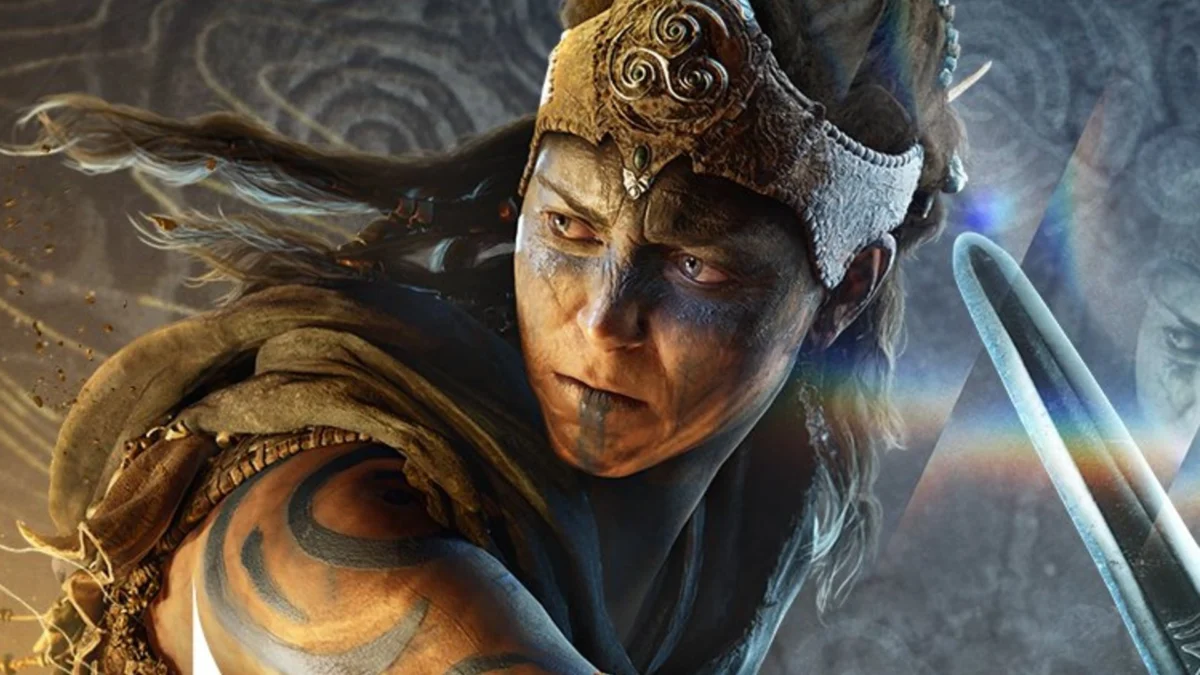
Microsoft’s decision to showcase a new title from Ninja Theory, "Senua," at the Xbox Games Showcase 2026, was a calculated move that preceded the studio’s planned divestment, according to recent reports. This strategic timing, intended to enhance the appeal of Ninja Theory to potential buyers, paints a complex picture of Microsoft’s approach to its internal development studios.
The Unveiling of Senua: A Strategic Reveal
The gaming world was abuzz following the Xbox Games Showcase 2026, not just for the dazzling array of upcoming titles, but for the underlying revelations about Microsoft’s internal studio management. Among the most striking announcements was the new installment in the "Senua" series, a project helmed by the acclaimed UK-based developer, Ninja Theory. However, new reporting suggests this reveal was not merely a celebration of creative output, but a carefully orchestrated part of a larger divestment strategy.
According to a comprehensive deep dive by journalist Stephen Totilo for Game File, the decision to sell or potentially shutter Ninja Theory, alongside other studios like Double Fine and Compulsion Games, had already been finalized by the time "Senua" made its public debut. This seemingly contradictory approach—announcing a new flagship project for a studio slated for closure or sale—was, by design, intended to make Ninja Theory a more attractive acquisition target.
A Calculated Move for Investor Appeal
The core of this strategy, as detailed by a source familiar with Microsoft’s internal dealings speaking to Game File, was to leverage the tangible promise of a confirmed, high-profile project. By showcasing "Senua," Microsoft aimed to present a compelling narrative to potential investors or acquiring companies. The thinking was that a studio with a significant, recently revealed title already in development would appear to be a more stable and promising investment, rather than a studio facing an uncertain future.
"By the time that game was revealed, Microsoft had already planned to sunset or split with the studio," Totilo explained in his report. "The thinking was that the promise of a newly announced game would help draw investor interest in the studio." This source, who spoke on condition of anonymity, further indicated that it remains unclear whether anyone within Ninja Theory itself was privy to this strategic maneuver during the announcement.
The implications of this revelation are significant. It suggests a business-centric approach that, at least in this instance, prioritized financial viability and strategic repositioning over the immediate implications for the development teams themselves. The unveiling of "Senua" was, therefore, less about signaling a bright future for the studio under Microsoft’s ownership and more about creating a valuable asset for a future independent entity.
Chronology of a Strategic Divestment
To understand the full context, it’s crucial to trace the reported timeline of events.

- Pre-Announcement Decision: Reports indicate that the decision to divest Ninja Theory, Double Fine, and Compulsion Games was made by Microsoft well in advance of the Xbox Games Showcase 2026. This was a strategic shift in how Xbox intended to manage its first-party development portfolio.
- The Xbox Games Showcase 2026: During this high-profile event, Ninja Theory’s new "Senua" title was officially revealed. This announcement served as a significant moment for the studio and its fans, showcasing a visually impressive and thematically rich new project.
- Strategic Timing for Sale: According to Game File’s reporting, the "Senua" reveal was deliberately timed to coincide with the ongoing efforts to find buyers for Ninja Theory. The newly announced game was intended to be a key selling point, demonstrating the studio’s creative capabilities and the potential for future commercial success.
- Investor Appeal: The rationale behind this timing was to make Ninja Theory a more attractive proposition for potential investors. The existence of a confirmed, high-profile project like "Senua" was seen as a way to mitigate perceived risk and increase the studio’s market value.
This sequence of events highlights a complex and perhaps ethically debatable strategy. While the announcement of "Senua" undoubtedly generated excitement, it was seemingly executed against a backdrop of impending closure or sale, potentially creating a false sense of security for the development team and the broader gaming community.
Supporting Data: The Broader Context of Studio Contraction
The situation surrounding Ninja Theory is not an isolated incident. Stephen Totilo’s "deep dive article" for Game File specifically addresses a broader trend of "Xbox studio contraction." This article highlights that Ninja Theory, Double Fine, and Compulsion Games are not the only studios facing potential restructuring or divestment under Microsoft’s current strategy. This indicates a larger, systemic shift in how Xbox is managing its first-party development studios, possibly driven by a re-evaluation of the economics of game development and platform ownership.
The financial pressures and evolving market dynamics within the gaming industry have led many large publishers to reassess their studio portfolios. Rumors of widespread layoffs across the gaming industry have been circulating, and this reported move by Xbox aligns with a broader industry trend of consolidation and strategic pruning.
The specific mention of Double Fine and Compulsion Games alongside Ninja Theory suggests that this divestment strategy is not limited to a single studio or genre. Double Fine, known for its unique and critically acclaimed titles like "Psychonauts 2," and Compulsion Games, the developer behind the upcoming "South of Midnight," are also reportedly part of this strategic review. This points to a significant shake-up within Xbox’s internal development structure.
The Impact on "Senua" and its Legacy
The announcement of "Senua" was met with considerable anticipation. The series, which began with "Hellblade: Senua’s Sacrifice" developed by Ninja Theory, is celebrated for its innovative approach to psychological horror, its compelling narrative, and its groundbreaking use of binaural audio to depict psychosis. The prospect of a new installment on current-generation hardware, particularly the PlayStation 5 as suggested by some visual cues, promised to push the boundaries of immersive storytelling even further.
However, the revelation that this announcement was made while the studio was on the verge of being sold or shut down casts a shadow over its future. The success of "Senua" is now intrinsically linked to the fate of Ninja Theory. If the studio is acquired by a new entity, the new owners will inherit the project. The question remains whether this new ownership will have the resources, commitment, and creative vision to see "Senua" through to its full potential, or if the project might be altered, delayed, or even canceled.
Furthermore, this situation raises concerns about the creative freedom and long-term stability of game development studios operating under large corporate umbrellas. While acquisitions can provide financial stability and resources, they also come with the inherent risk of strategic shifts and divestments that can impact the lives of developers and the future of their projects.

Official Responses and Industry Silence
As of the latest reports, neither Microsoft nor Xbox has issued a public statement or official comment regarding the potential closures or sales of Ninja Theory, Double Fine, and Compulsion Games. This silence is notable, especially in light of the widespread rumors and the detailed reporting from Game File.
This lack of official comment is not uncommon in situations involving potential studio acquisitions or closures. Companies often prefer to manage such sensitive information internally and release statements only when definitive decisions have been made and all parties involved have been formally notified. However, the extended period of speculation and the impact on employee morale and public perception can be significant.
The broader context of industry-wide layoffs further complicates the situation. Many major gaming companies have recently announced significant workforce reductions, leading to an atmosphere of uncertainty and anxiety across the sector. In this environment, any news of studio contraction from a major player like Xbox is amplified, fueling concerns about job security and the overall health of the industry.
Implications for the Gaming Landscape
The reported strategic maneuver by Microsoft has several significant implications for the gaming landscape:
- The Future of Acquired Studios: If Ninja Theory, Double Fine, and Compulsion Games are indeed sold, their future under new ownership remains a critical question. Will they retain their creative identities? Will they have the resources to continue producing the kinds of games that have made them renowned? The success of these acquisitions will be a testament to the foresight and commitment of the new owners.
- Microsoft’s First-Party Strategy: This reported divestment signals a potential shift in Microsoft’s long-term strategy for its first-party development. It suggests a move towards a more streamlined or perhaps more financially focused approach to its studio portfolio, potentially prioritizing fewer, more impactful internal studios or relying more heavily on external partnerships.
- Investor Confidence and Studio Valuation: The tactic of announcing a new game to boost a studio’s appeal to potential buyers raises questions about ethical business practices within the industry. While it may be a shrewd business move, it can also be perceived as disingenuous to both the development teams and the gaming public.
- The Value of Creative Independence: The potential loss of these studios from the Xbox ecosystem, or their transition to new ownership, underscores the ongoing debate about the benefits and drawbacks of large corporate ownership versus independent development. The hope for many will be that these talented teams can achieve independence or find new partners that will allow them to continue their creative endeavors without compromise.
The games developed by these studios—titles like "Enslaved: Odyssey to the West," "Psychonauts 2," and "South of Midnight"—have contributed significantly to the rich tapestry of gaming. The prospect of losing these creative forces, or seeing their future projects jeopardized by corporate strategy, would indeed be a substantial loss for the industry. As the situation unfolds, the gaming community will be watching closely to see the ultimate outcome for these studios and the games they are poised to deliver.



 Sagoh
Sagoh