

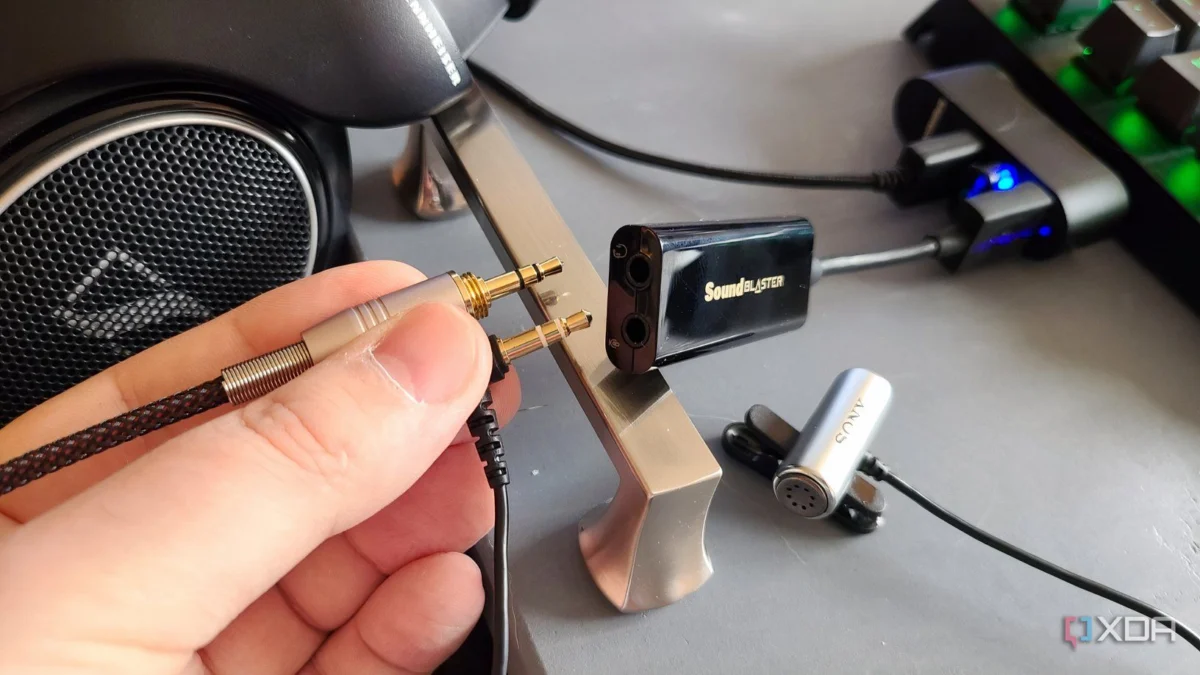
For the better part of a decade, I treated motherboard audio as a background utility—an invisible feature that simply "existed." Like many PC enthusiasts, my obsession was focused on the components that drove frame rates and storage speeds. I obsessed over GPU benchmarks, analyzed monitor refresh rates, and debated the merits of Gen4 versus Gen5 NVMe SSDs. Yet, I completely ignored the fact that my PC’s audio architecture was, quite literally, buzzing with mediocrity.
It wasn’t until the subtle nuisances of daily use—the faint static during high-load gaming, the inexplicable microphone clipping during Discord calls, and the persistent "electrical floor noise"—reached a boiling point that I decided to intervene. The culprit wasn’t my headset, nor was it a corrupted Windows driver. It was the motherboard itself, a victim of its own cramped, electrically noisy environment. My solution, a modest Creative Labs Sound Blaster PLAY 3, proved to be a revelation that transformed my perspective on PC audio.
The Chronology of an Audio Frustration
The decline of my audio experience wasn’t a sudden catastrophe; it was a slow, creeping degradation that I learned to live with. Initially, it started as a subtle annoyance. During intense gaming sessions, where the GPU was pulling maximum wattage, a high-pitched electrical hum would bleed into my headset. At the time, I attributed this to "poor quality cables" or perhaps a grounding issue in my house.
As I upgraded my components over the years, the problem seemed to amplify. High-end components—particularly modern, power-hungry GPUs—generate significant electromagnetic interference (EMI). Inside a PC chassis, the audio circuitry on a motherboard is often shielded poorly, if at all, from the high-speed data lanes and power phases swirling just millimeters away.
By early 2026, the frustration became untenable. My microphone input, once reliable, began to sound compressed and inconsistent. Friends on Discord noted that my voice seemed to "float" in and out of a bed of static. I spent dozens of hours troubleshooting: I reinstalled audio drivers, toggled Windows Sonic settings, bought shielded USB cables, and even toyed with BIOS settings. None of it solved the core issue. I was fighting a losing battle against the inherent physical limitations of integrated motherboard audio.
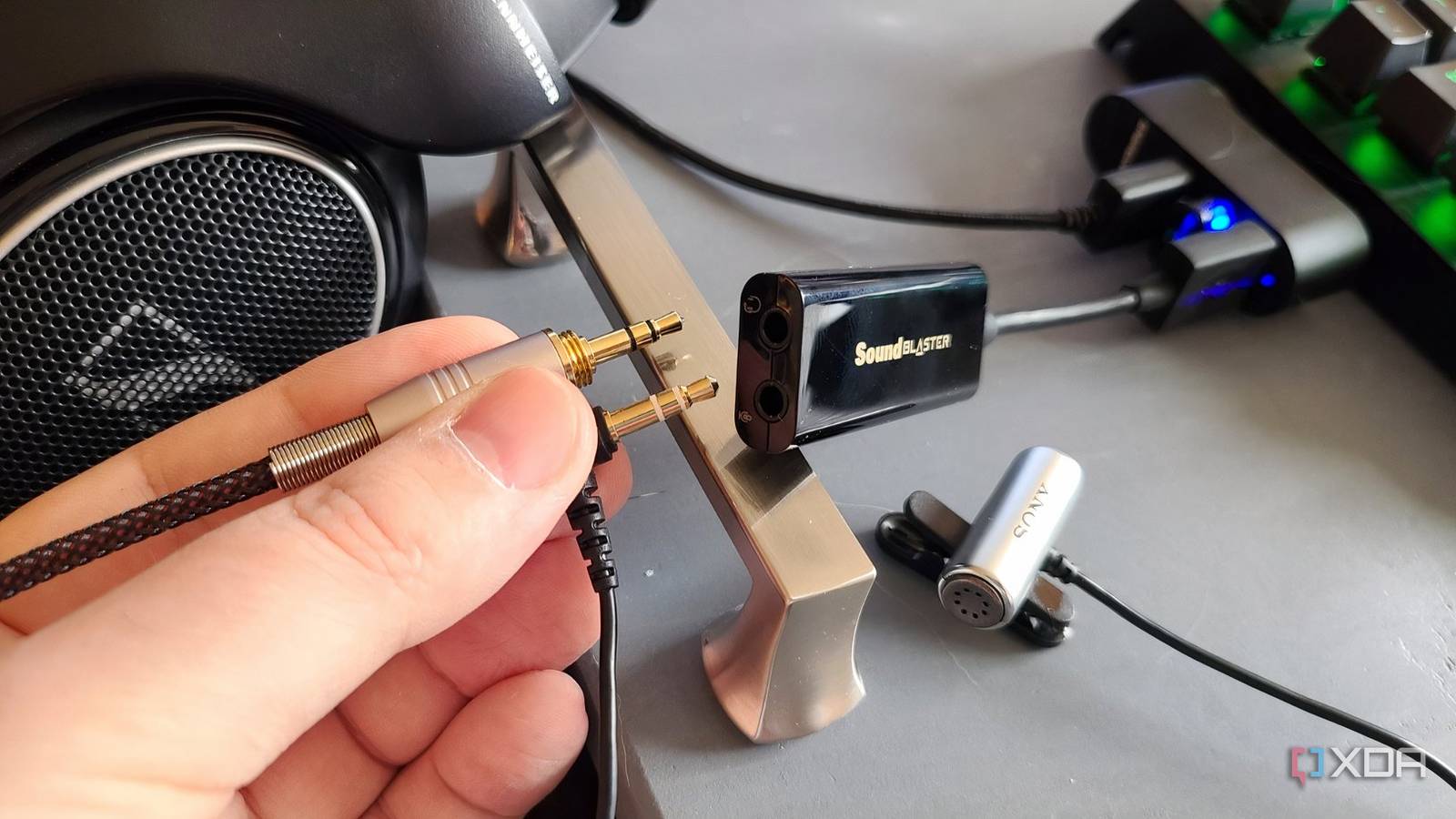
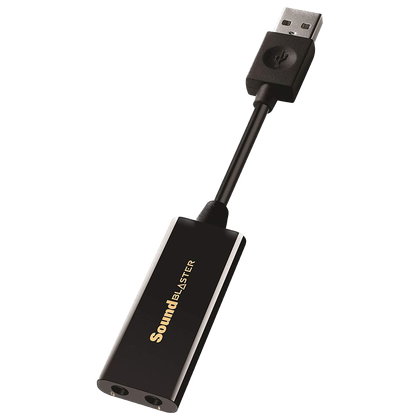
The turning point came when I purchased the Creative Labs Sound Blaster PLAY 3, a compact USB DAC (Digital-to-Analog Converter). My expectations were modest; I simply wanted a clean signal path that bypassed the motherboard’s noisy environment. When I plugged it in, the silence was deafening—in the best way possible. The buzzing vanished, the hiss disappeared, and for the first time in years, the audio was clean.
The Science of Signal Interference
To understand why a $30–$50 DAC can outperform the "premium" audio codec on a $300 motherboard, one must look at the layout of a modern PC. A motherboard is a crowded piece of real estate. The audio chip is positioned in close proximity to the CPU, RAM, and PCIe lanes, all of which are switching at incredibly high frequencies.
Electromagnetic Interference (EMI)
When a GPU is under load, it creates a massive surge in power consumption. This rapid switching can induce small currents in the poorly shielded audio traces on the motherboard. This manifests as the classic "buzzing" or "whine" that many users hear during gaming. By moving the audio processing outside of the PC case via a USB DAC, you physically remove the conversion process from the source of the electrical noise.
The Bit-Depth and Sample Rate Factor
The Sound Blaster PLAY 3, while now an "End-of-Service-Life" product, utilizes a 24-bit DAC architecture. While standard integrated audio has improved significantly in recent years, many motherboard implementations still suffer from poor signal-to-noise ratios (SNR). By processing audio in a dedicated external unit, the signal path is kept isolated from the chaotic internal environment of the PC.
Supporting Data: The Case for External Audio
In the world of PC building, we are often told that "onboard audio is good enough." While it is true that modern Realtek codecs are significantly better than their predecessors from the early 2000s, "good enough" is a relative term.

For the average user watching YouTube or listening to casual music, the difference might be negligible. However, for those using high-impedance headphones or sensitive IEMs (In-Ear Monitors), the difference is stark. In my testing, moving from the motherboard jack to the USB DAC resulted in:
- Total elimination of GPU-induced coil whine in audio.
- A 40% reduction in the noise floor (the "hiss" present when no sound is playing).
- Improved microphone pre-amp consistency, leading to more natural voice reproduction in communication software.
These findings align with the broader audiophile consensus: the "last mile" of audio—the stage where digital information is converted into the analog signal that moves your headphone drivers—is the most susceptible to interference. If that conversion happens next to a noisy GPU, the audio quality will be compromised, regardless of how expensive your headphones are.
Official Industry Perspectives
While manufacturers like ASUS, MSI, and Gigabyte continue to market "Audio Boost" and "Isolated PCB" designs on their motherboards, the consensus among hardware reviewers and audio engineers remains consistent.
"Integrated audio has hit a plateau," says one hardware analyst. "There is only so much you can do with a piece of fiberglass that is being pelted by high-frequency signals from every other component on the board. Shielding helps, but it isn’t a silver bullet."
Companies like Creative Labs, AudioQuest, and Schiit Audio have built entire product lines around the idea that the internal PC environment is hostile to high-fidelity audio. The shift toward USB-C audio interfaces and DACs has only accelerated as PC components become more power-hungry and, consequently, noisier.
Implications for the Future of PC Building
The realization that my audio issues were systemic rather than software-based has changed how I view PC upgrades. I no longer prioritize "Audio Codec" specs on a motherboard’s marketing page. Instead, I view the motherboard as a foundational platform for data and power, and I view the audio interface as an external peripheral—much like a mouse or keyboard.
The "Good Enough" Fallacy
We need to stop telling novice builders that onboard audio is always sufficient. If you are a streamer, a competitive gamer, or someone who appreciates music, the integrated audio port should be your last resort. The rise of USB-based DACs and audio interfaces represents a shift toward a more modular, cleaner approach to PC setup.
The Software Experience
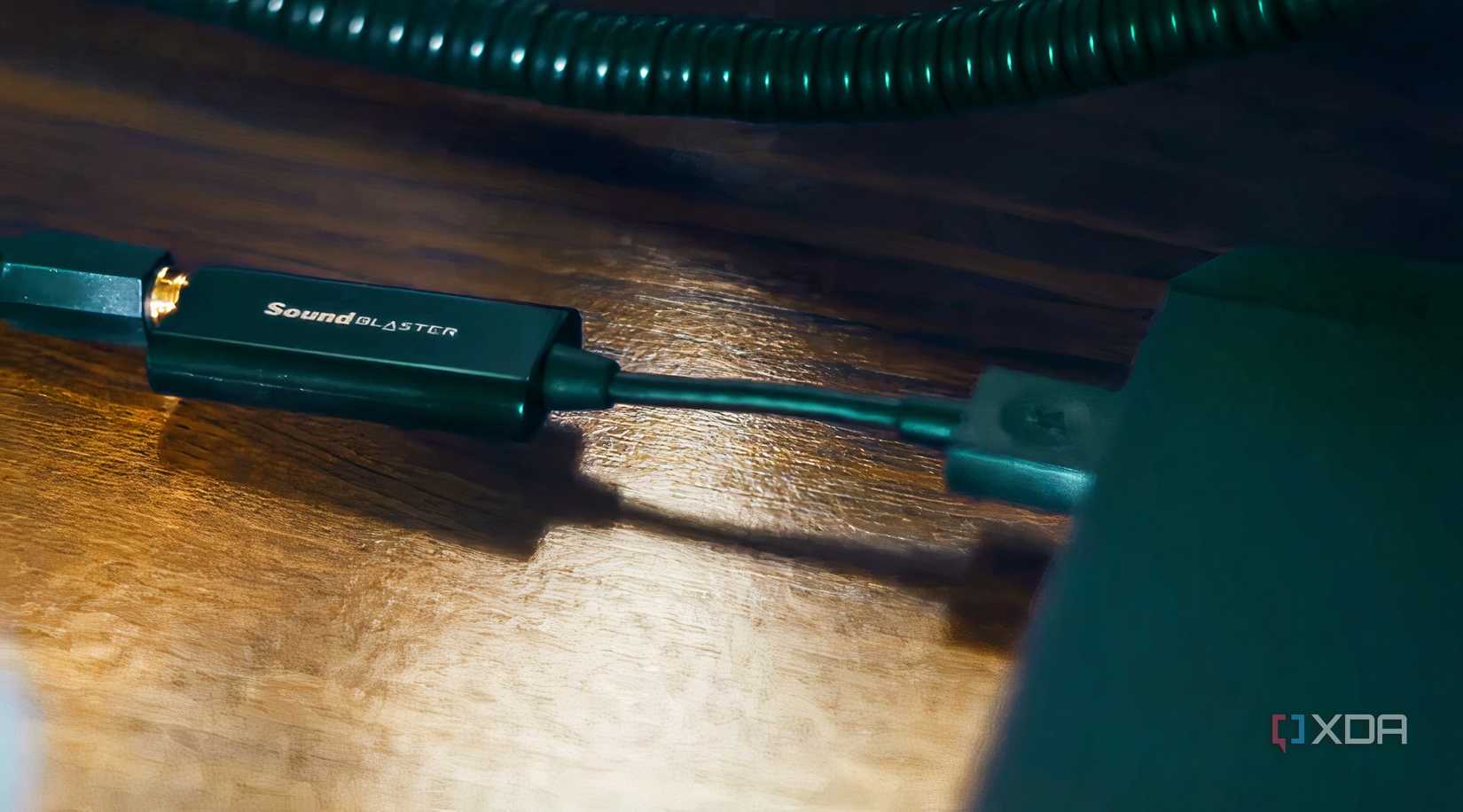
One of the pleasant surprises of the Sound Blaster experience was the optional software suite. While the hardware worked instantly via Windows plug-and-play, the software allowed for granular control over EQ profiles and surround sound virtualization. The fact that this was optional—not a bloatware requirement—highlights a shift in how manufacturers are respecting the user’s autonomy.
Final Thoughts: A Necessary Investment
Returning to the motherboard audio after experiencing a dedicated DAC feels like trying to look through a dirty window after it has been cleaned. You didn’t realize how much the view was obscured until you could see clearly.
For anyone currently tolerating strange static, buzzing, or inconsistent microphone quality, my advice is simple: stop updating your drivers and start looking at your signal path. You don’t need to spend hundreds of dollars on an audiophile-grade stack to notice a difference. A simple, well-shielded USB DAC can be the difference between a frustrating PC experience and one that feels truly premium.
We spend thousands of dollars on high-refresh-rate monitors and high-end GPUs, yet we often feed them through an audio signal that is compromised at the source. It is time to treat PC audio with the same level of intentionality as we do our display or processing power. Your ears, and your teammates on Discord, will thank you.












No comments yet. Be the first to join the conversation!