Iffa Jayyana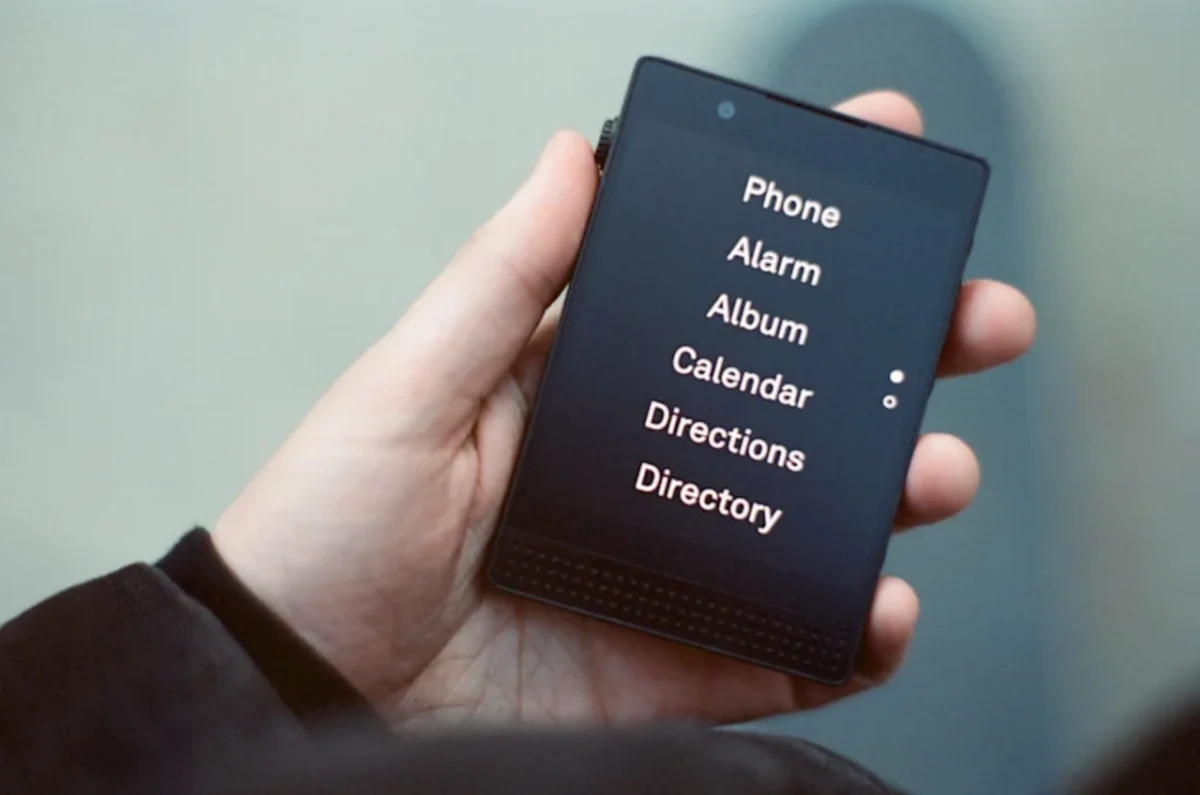
In an era defined by the constant ping of notifications, the relentless pull of infinite scroll, and the anxiety of perpetual availability, a quiet rebellion is brewing. It is not characterized by high-tech advancements or AI-driven integration, but by the deliberate rejection of such things. Welcome to the rise of the "dumbphone"—a growing movement of users trading their sleek, silicon-heavy smartphones for minimalist devices that prioritize human presence over algorithmic engagement.
For many, the transition is a survival tactic. Digital fatigue, burnout, and the erosion of sustained attention have led to a collective realization: our smartphones, while marvels of modern engineering, have become digital leashes. As we find ourselves increasingly trapped in loops of mindless procrastination, the allure of a device that does only what it is meant to do—facilitate communication—has never been more potent.
The Genesis of the Minimalist Shift: A Chronology of Disconnection
The movement away from the hyper-connected lifestyle did not happen overnight. It is a reaction to the saturation of the smartphone market, which reached its zenith in the mid-2010s.
- 2015-2017: The early phase of "digital detox" awareness. Academics and psychologists began publishing studies on the impact of social media on mental health, sparking a cultural conversation about screen time.
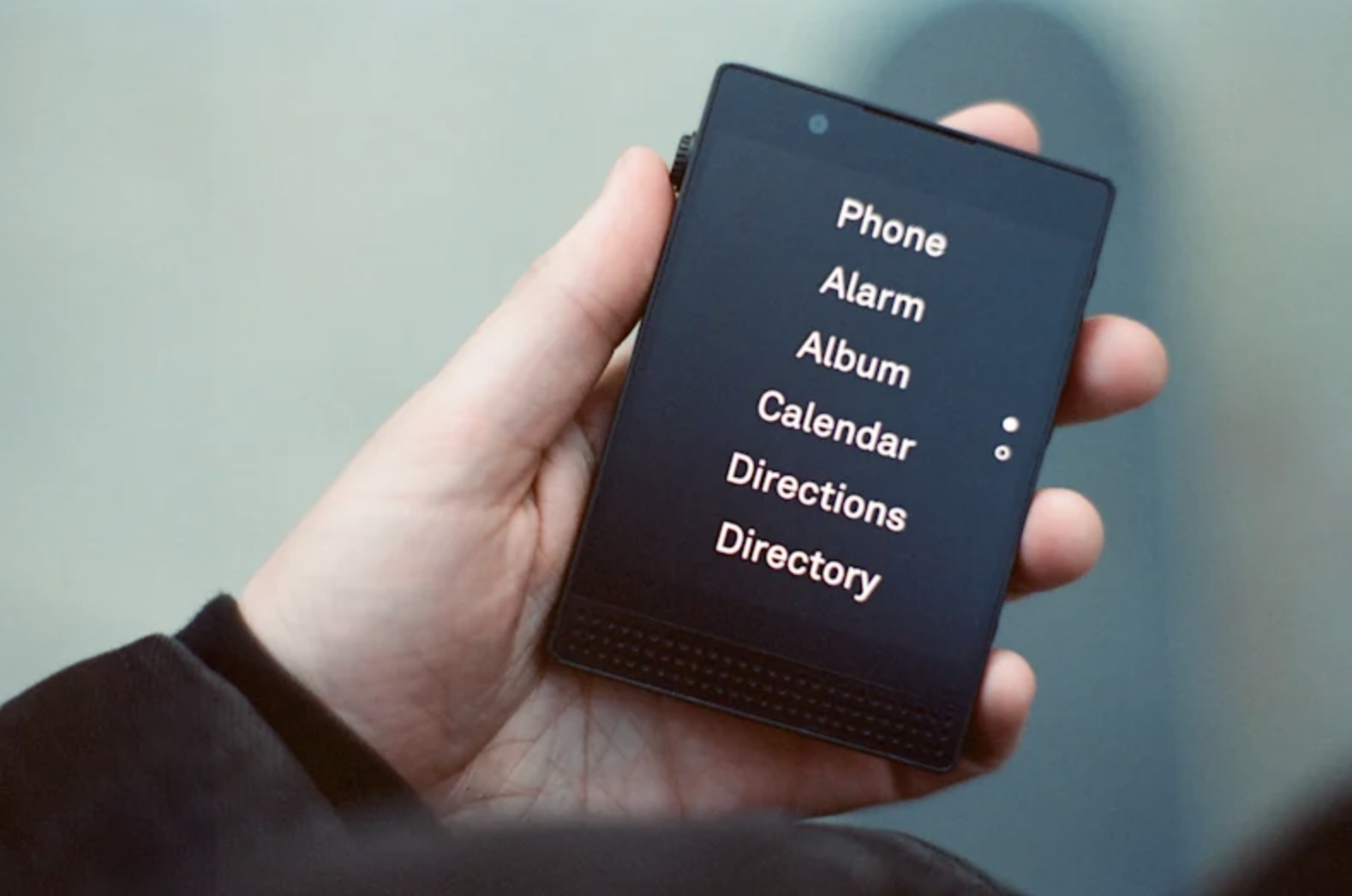
- 2018: The launch of the Light Phone II brought the concept of "minimalist phones" into the mainstream tech discourse. It offered a stark contrast to the burgeoning iPhone and Android dominance, promising a "phone to be used as little as possible."
- 2020-2021: The global pandemic acted as an accelerant. With the world forced into remote work and virtual social lives, the screen became the primary portal for existence. The subsequent "Zoom fatigue" and digital burnout drove a surge in interest for hardware that could act as a firewall against the internet.
- 2023-2024: The current phase. We are seeing a maturation of the market. It is no longer just about "feature phones" from a bygone era; it is about intentional, modern minimalist design. Companies like Punkt, HMD (Nokia), and the creators of the Light Phone are refining the user experience, proving that a lack of features can be a premium design choice.
The Philosophy of "Essentialist" Tech
At its core, the dumbphone movement is not about hating technology; it is about reclaiming agency. When you own one of the best camera phones, you are incentivized to carry it everywhere, document everything, and stay plugged into a constant stream of updates. The anxiety associated with leaving it at home is a testament to how deeply these devices have integrated into our identity.
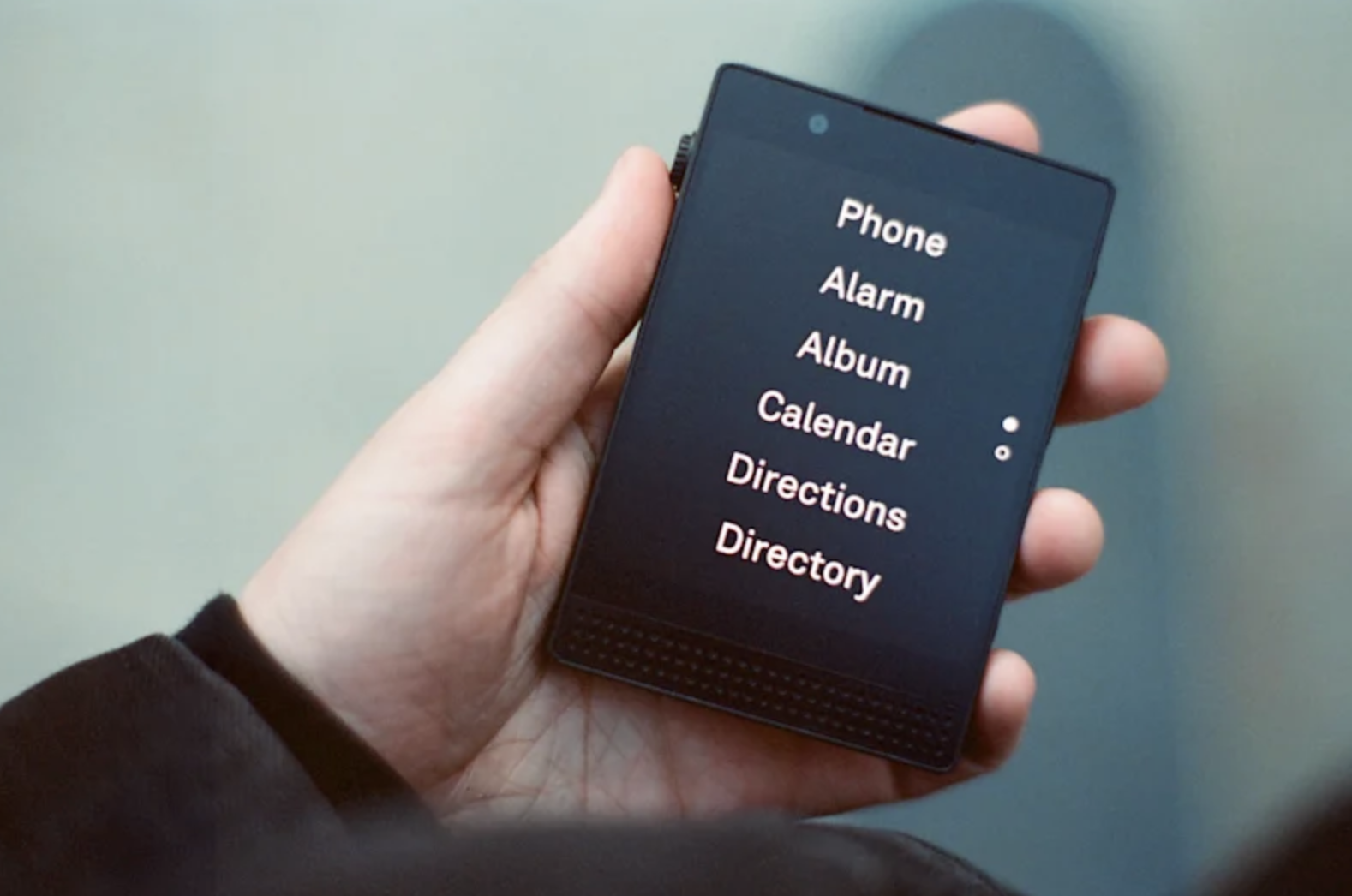
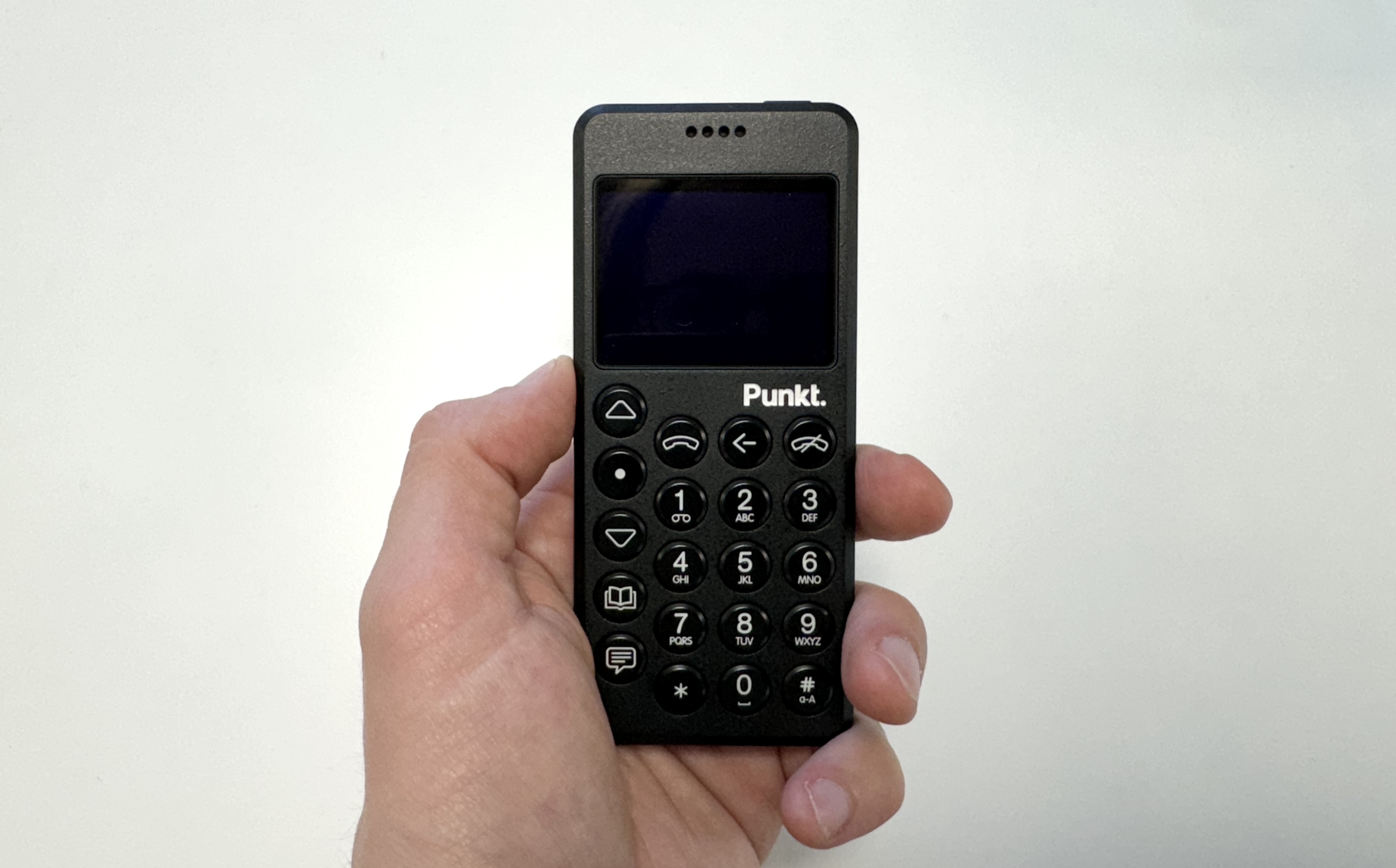
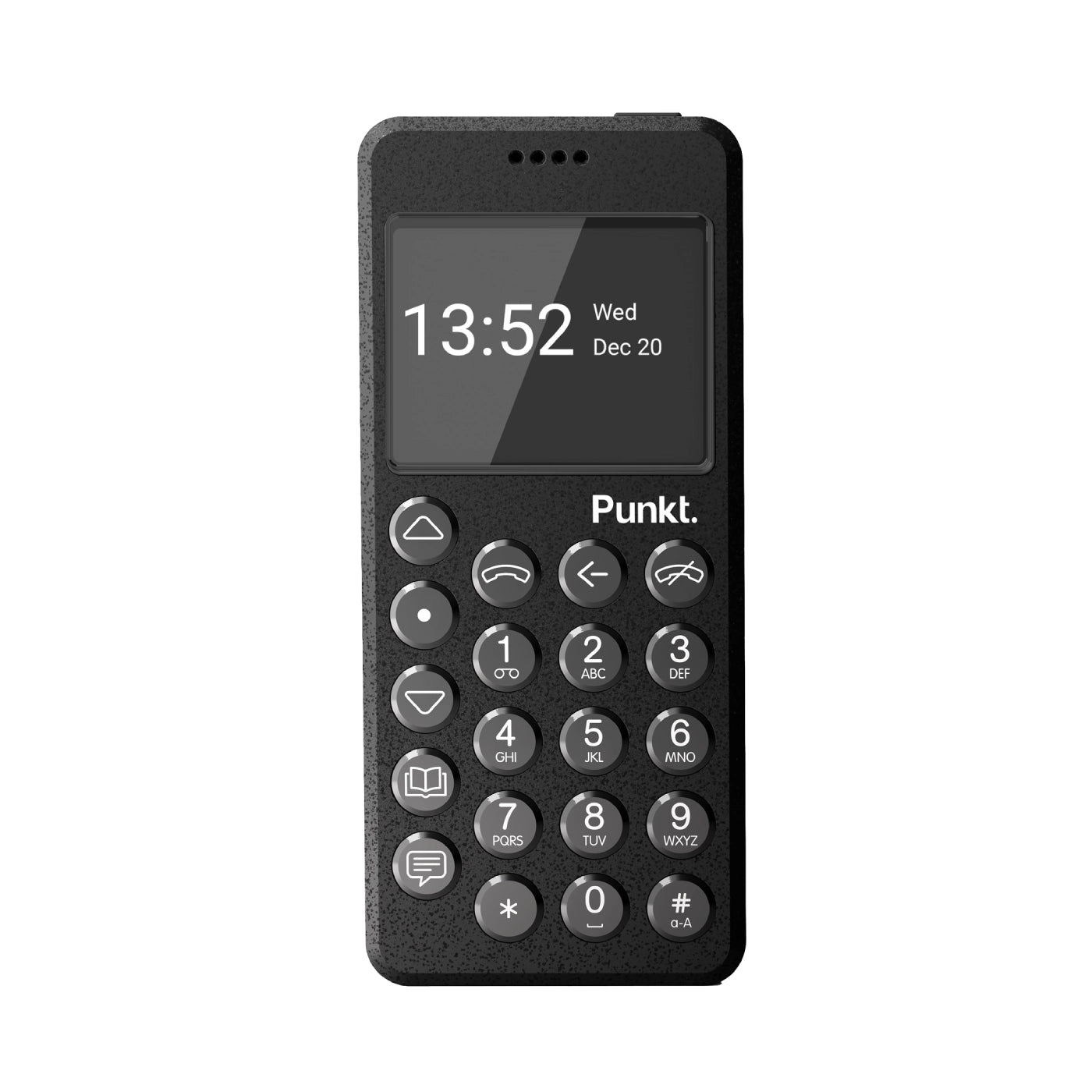
Minimalist phones offer a different value proposition. They allow for a "stealth mode" of existence. For instance, the Punkt MP02 (4G) has become a totem for the design-conscious minimalist. It provides exactly what is needed to function in a professional or personal capacity—calls, texts, and a tethering hotspot—without the siren song of social media apps.
The beauty of this approach is choice. By using a dumbphone as a daily driver and tethering a tablet or laptop only when necessary for work, the user regains control over when they are reachable and when they are connected to the broader web.
Market Analysis: The Devices Leading the Charge
The resurgence of these devices has created a bifurcated market: there are the budget-friendly "feature phones" that appeal to the nostalgic or the pragmatic, and there are the "premium minimalists" that appeal to the digital minimalist aesthetic.
The Premium Minimalists
- The Light Phone III: Currently positioned at the vanguard of the movement, the Light Phone III is a direct response to those who want a minimalist experience without sacrificing hardware quality. With a price point of $699 (pre-order), it is an investment in mental bandwidth. It features an e-ink display, a rotating control wheel for haptic satisfaction, and a 12MP camera for those who want to capture moments without the urge to immediately upload them to a feed.
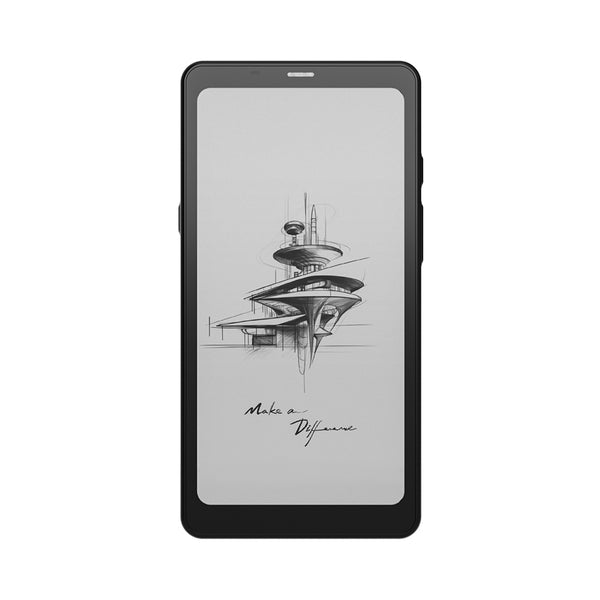
- The Boox Palma: While technically a "mobile ePaper" device, it occupies a unique middle ground. It offers the form factor of a phone with the gentle, eye-friendly display of an e-reader. It is the perfect bridge for those who need a digital tool for reading and notes but want to escape the harsh blue light and notification-heavy interface of a traditional smartphone.
The Budget-Friendly Reliable
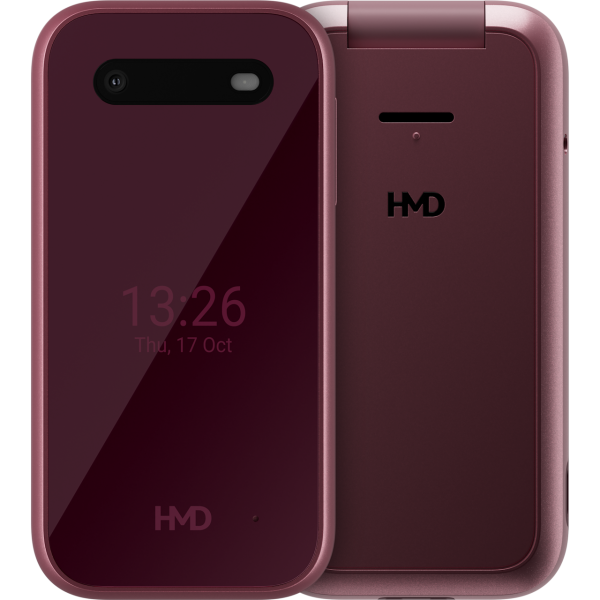
- HMD (Nokia) 2660 Flip: A masterclass in Y2K nostalgia meets modern functionality. It provides the tactile satisfaction of a physical flip phone—a visceral "click" that signals the end of a conversation. At £79.99, it is an accessible entry point for anyone testing the waters of a digital detox.
- TracFone TCL Flip 3: For the US market, this represents the pragmatic choice. It includes modern conveniences like noise-cancellation microphones and decent battery life (up to 14 hours of talk time) without the distraction of a full app ecosystem.
Implications: A Shift in Social Dynamics
What happens to our social fabric when we stop being "always on"? The implications are profound.
- The Reclamation of Presence: When a device cannot buzz with a news notification or a Slack message, the user is forced to engage with their immediate environment. Dinner conversations are no longer punctuated by checking feeds.
- Cognitive Restoration: Modern smartphones are designed to fragment our attention. By removing the "infinite scroll," users report a significant reduction in the feeling of being "stuck" in a cycle of procrastination.
- The Privacy Trade-off: Most dumbphones operate on closed systems or simplified OS environments like LightOS. This inherently limits the data-harvesting capabilities of major tech conglomerates, offering a layer of privacy that is increasingly difficult to achieve on iOS or Android.
Challenges and Official Perspectives
Critics of the dumbphone movement argue that these devices create a "functionality gap." In a world where digital banking, two-factor authentication, and QR-code menus are the norm, a device that lacks these capabilities can feel like a hindrance rather than a tool.
However, companies in this space argue that this friction is a feature, not a bug. The manufacturers of the Light Phone, for instance, emphasize that their devices are designed to "serve your needs," not to curate your desires. The goal is to provide a tool that serves the human, rather than forcing the human to serve the device’s ecosystem.
The Future of Digital Minimalism
The "dumbphone" is likely to evolve alongside our understanding of digital wellness. We are seeing a move toward "intentional tech"—devices that are not just simple, but beautiful and durable. The high demand for pre-orders on devices like the Light Phone III suggests that this is not a passing fad, but a structural shift in how a specific segment of the population intends to live.
As we look toward the next decade, the divide between the "hyper-connected" and the "intentionally connected" will likely widen. The smartphone will remain a powerful tool for productivity, but the "dumbphone" will occupy the space of the personal sanctuary. It is a statement that one’s time, attention, and mental peace are not for sale to the highest bidder in the attention economy.
For those considering the jump, the advice is simple: start small. Whether it is a rugged Nokia 105 or a premium Light Phone, the act of putting down the supercomputer and picking up a communication device is a radical act of self-care. In a world that demands everything from you, a dumbphone is the most effective way to give nothing back.


 Nana
Nana
 Nana Wu