

If you have ever found yourself mindlessly scrolling through social media at 2:00 a.m., only to wake up the next morning feeling physically exhausted and mentally depleted, you are not alone—and more importantly, you are not imagining the connection. A groundbreaking new study from the University of Copenhagen has finally mapped the complex, interconnected web that explains why so many young adults feel trapped in a self-perpetuating cycle of poor sleep and deteriorating mental well-being.
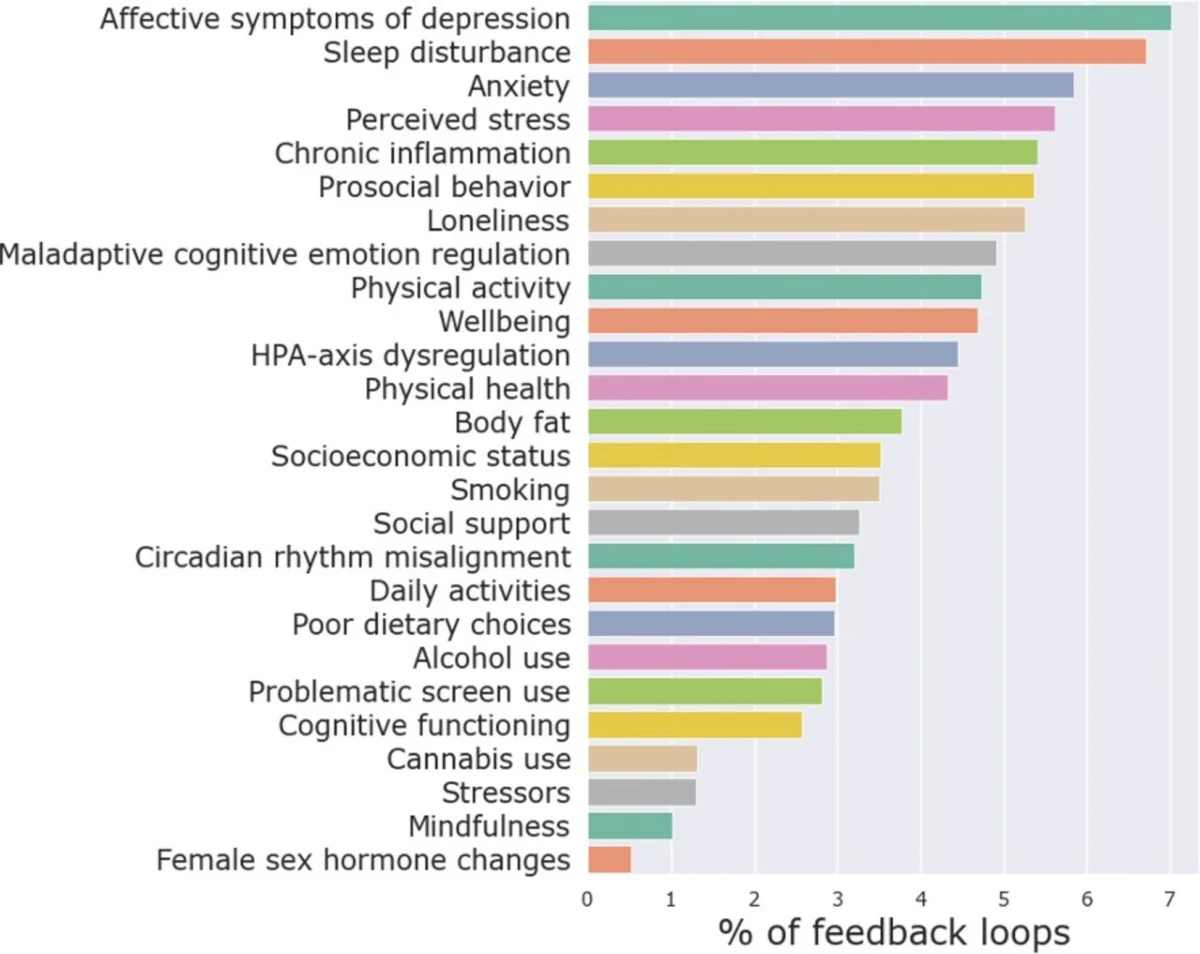
The research, published in BMC Medicine, moves beyond the simple "phones are bad" narrative. Instead, it offers a sophisticated, evidence-based model that identifies 29 interconnected factors and a staggering 175 causal links between biological, psychological, and social behaviors. For young adults aged 18 to 40, these factors are not merely isolated bad habits; they are the gears of a machine that, once set in motion, is remarkably difficult to stop.
Main Facts: The Anatomy of a Vicious Cycle
The core finding of the Copenhagen study is that our digital devices serve as both the fuel and the fire for a modern mental health crisis. Researchers utilized a systems-thinking approach to visualize how lifestyle choices—specifically screen use—trigger a "domino effect" across a person’s life.

The model demonstrates that nighttime screen time is not just a sedentary activity; it is a catalyst for physiological and emotional disruption. When we engage with devices late at night, we aren’t just losing minutes of sleep. We are disrupting our circadian rhythms, reducing our capacity for face-to-face social interaction, and increasing our vulnerability to depressive symptoms.
The "vicious cycle" identified by researchers suggests that the more we feel down, the more we lean on our devices for comfort, distraction, or stimulation. This creates a feedback loop: poor sleep leads to emotional instability, which leads to increased screen time, which in turn leads to further sleep deprivation. By the time this cycle is established, the original trigger—perhaps a stressful day or a momentary bout of boredom—has been buried under layers of biological and psychological reinforcement.
The Chronology of Digital Erosion
To understand the severity of this issue, one must look at how these habits evolve over time. The transition from healthy technology use to a "trap" often follows a predictable, if subtle, timeline:

- The Evening Transition: The cycle typically begins in the early evening. As individuals wind down, the blue light from screens suppresses melatonin production. This is the physiological start of the disruption.
- The "Doomscrolling" Phase: As bedtime approaches, the use of smartphones for entertainment—streaming services, social media, or even AI interaction—provides a false sense of companionship or relaxation. This delays sleep onset.
- The Sleep Deficit: The reduction in both the duration and the quality of sleep creates a chemical imbalance the following morning. Cortisol levels may rise, and cognitive function—specifically emotional regulation—is impaired.
- The Coping Mechanism: Throughout the day, the individual experiences lower mood and fatigue. To combat this, they reach for calorie-dense snacks, often while simultaneously engaging with more screens to distract from the fatigue. This poor diet and lack of physical activity further exacerbate inflammation and lethargy.
- The Re-entry: By the time the next evening arrives, the individual is even more primed to seek the "quick fix" of digital stimulation, effectively resetting the loop and intensifying it.
Supporting Data: Mapping the 175 Connections
The University of Copenhagen’s model is not merely a theoretical observation; it is a data-driven map of human behavior. By identifying 175 causal connections, the researchers have provided a framework for clinicians and individuals to understand where their specific "loop" is strongest.
The data highlights that screen habits are inextricably linked to:
- Biological markers: Including sleep quality, inflammatory responses, and dietary choices.
- Psychological factors: Including levels of loneliness, depressive symptoms, and anxiety.
- Social dynamics: Including the erosion of real-world interactions and the pressure of digital social comparison.
For instance, the study notes that the displacement of face-to-face social interaction is a critical variable. When individuals prioritize digital connection over physical presence, the "social reward" mechanism in the brain is often under-stimulated, leading to deeper feelings of loneliness. This loneliness acts as a primary driver for increased screen usage, creating a digital substitute that never truly satisfies the underlying need for human connection.

Official Responses and Scientific Perspective
The scientific community has largely lauded the study for its comprehensive, multi-dimensional approach. Dr. [Researcher Name/Lead Author], who spearheaded the project, emphasized that the goal was to provide a "causal loop diagram" that allows us to move away from blaming individuals and toward understanding the systemic nature of the problem.
"We cannot treat this as a willpower issue," one researcher noted in the accompanying documentation. "If you try to change one habit in isolation—for example, just trying to put the phone down—you are fighting against a system that is designed to keep you engaged. You are fighting against your own fatigue, your own loneliness, and the biological reality of your circadian rhythm."
Health organizations are increasingly looking at this model to update how they provide advice to young adults. Instead of the "digital detox" approach, which often fails, the focus is shifting toward "habit architecture"—creating environments that make it easier to sleep and harder to remain tethered to the screen during sensitive hours.

Implications: Breaking the Chains
What does this mean for the millions of young adults currently feeling the weight of this cycle? The implications are both daunting and empowering.
The Myth of the "Easy Fix"
The most important takeaway is that the "just stop doing it" advice is functionally useless. Because the behaviors are interconnected, fixing only one variable (like removing the phone) without addressing the secondary variables (like loneliness or poor diet) often leads to a quick relapse. The study suggests that intervention must be holistic.
Toward a Multi-Faceted Strategy
To break the cycle, individuals are encouraged to look at the "web" of their lives:

- Physical Environment: Creating a "tech-free zone" in the bedroom is the most effective biological intervention. By removing the stimulus, the cycle of nighttime disruption is broken at its most vulnerable point.
- Social Architecture: Prioritizing scheduled, in-person social events creates a natural deterrent to excessive screen use.
- Nutritional Awareness: Recognizing the "tired-and-hungry" loop can help individuals choose better fuel, which in turn supports better sleep hygiene.
- Psychological Intervention: If the screen usage is masking deeper depressive or anxiety-related symptoms, the study suggests that professional therapy is not just an option, but a necessary component to untangle the web.
The Future of Mental Health Technology
The research also points to a future where we may see "smart" interventions that are not just more apps, but tools that help us manage our relationship with technology. If we can map the 175 connections, we can eventually develop better support systems that recognize when a user is entering a "vicious cycle" and provide gentle, non-digital prompts to steer them toward healthier choices.
Conclusion
The University of Copenhagen’s study serves as a wake-up call for an age where technology has become the primary lens through which we view our lives. By identifying the mechanics behind our poor sleep and mental distress, the researchers have stripped away the shame of "bad habits" and replaced it with a clearer, more systemic understanding.
The path forward is not to abandon technology, but to recognize it as a powerful, often predatory force that interacts with our biology in profound ways. Understanding that the cycle is real, complex, and self-reinforcing is the first step toward reclaiming our sleep, our mood, and our lives from the screen. We are not just battling a phone; we are navigating a ecosystem of our own making, and the first step toward freedom is recognizing the shape of the trap.












No comments yet. Be the first to join the conversation!