

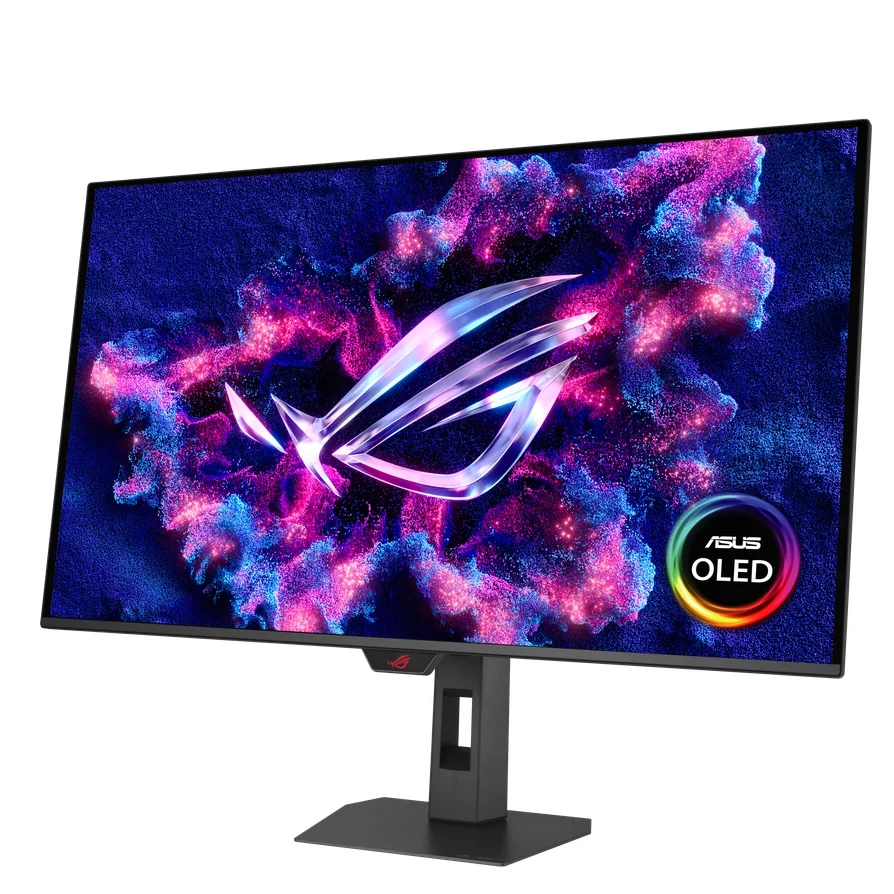
As the curtain rises on Computex 2026, the global technology stage is once again dominated by ASUS, which has unveiled an expansive, high-performance monitor lineup. Moving beyond mere iterative updates, the company is betting heavily on Tandem OLED technology, dual-mode versatility, and extreme refresh rates to redefine the standards for both professional creators and competitive esports athletes.
The announcement, spearheaded by the ROG (Republic of Gamers) brand, signals a strategic pivot toward display longevity and visual fidelity. By integrating cutting-edge panel technologies across its ROG Strix, TUF Gaming, and ProArt series, ASUS is attempting to consolidate its position as the premier hardware provider for the high-end display market.
Main Facts: The Evolution of Display Tech
The centerpiece of the ASUS showcase is the ROG Strix OLED XG259QWPG Ace, marketed as the world’s first 24.5-inch OLED esports monitor. For competitive gamers who prioritize motion clarity above all else, this panel represents a massive leap forward. It utilizes a TrueBlack Glossy Tandem WOLED panel, pushing refresh rates to an astonishing 540Hz with a 0.2ms response time.
The "Tandem" nomenclature is critical here. Unlike traditional single-stack OLED panels, Tandem OLED architecture stacks two layers of organic light-emitting diodes, resulting in significantly higher peak brightness levels and a vastly extended lifespan—a direct response to long-standing consumer concerns regarding OLED burn-in and degradation over time.
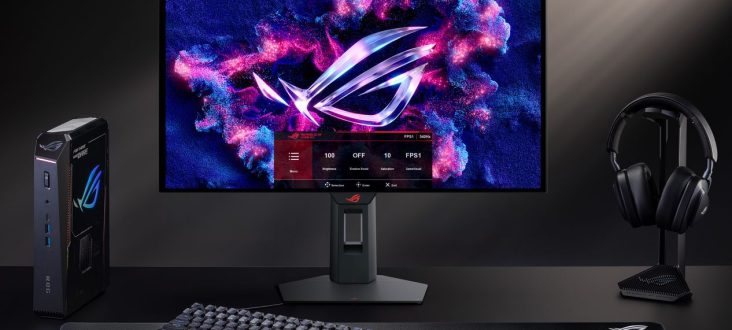
Beyond the esports niche, ASUS has addressed the "resolution versus speed" dilemma through its new "Dual Mode" functionality. This feature allows users to toggle between high-resolution/lower-refresh rate settings and lower-resolution/high-refresh rate settings on the fly. This hardware-level flexibility is a hallmark of the new ROG Swift PG32UCWM, a 31.5-inch 4K monitor that can seamlessly transition between a cinema-grade 4K/240Hz experience and a high-octane 1080p/480Hz mode for competitive play.
Chronology of Development: From Concept to Computex
The path to the 2026 Computex reveal began roughly two years ago, when early OLED gaming monitors faced criticism for their limited brightness and susceptibility to permanent image retention. ASUS’s R&D cycle for this year’s lineup can be broken down into three distinct phases:
- Phase 1 (Q3 2024 – Q1 2025): The stabilization of Tandem OLED technology. ASUS engineers collaborated closely with panel suppliers to refine the heat dissipation properties of stacked OLEDs, essential for maintaining high brightness without sacrificing panel integrity.
- Phase 2 (Q2 2025 – Q4 2025): The implementation of "Dual Mode" firmware. While panel switching is not entirely new, integrating it into a native high-refresh environment required significant work on the scalar chips to ensure no latency penalties occur during resolution scaling.
- Phase 3 (Q1 2026 – Present): The final tuning of the ROG and TUF product lines. This phase focused on color accuracy, particularly for the ProArt series, and finalizing the chassis designs to accommodate the enhanced cooling requirements of these next-gen displays.
Supporting Data and Technical Specifications
The technical breadth of the 2026 ASUS lineup is substantial. Below is a breakdown of the key hardware specifications for the newly announced models:
| Model | Panel Type | Resolution | Max Refresh | Key Feature |
|---|---|---|---|---|
| ROG Strix XG259QWPG Ace | Tandem WOLED | FHD | 540Hz | 0.2ms, High-Brightness |
| ROG Swift PG32UCWM | Tandem RGB OLED | 4K | 240Hz/480Hz | Dual Mode, RGB Stripe |
| ROG Strix XG32UQWMS | Tandem OLED | 4K | 240Hz | Dual Mode |
| ROG Strix 5K XG27JCEG | IPS | 5K | 80Hz/320Hz | Dual Mode, 5K Clarity |
| TUF Gaming VG34WQML5F | Curved Fast VA | WQHD | 240Hz/480Hz | 0.5ms Response |
| TUF Gaming VG27AQML5F | IPS | QHD | 320Hz | 0.3ms GTG |
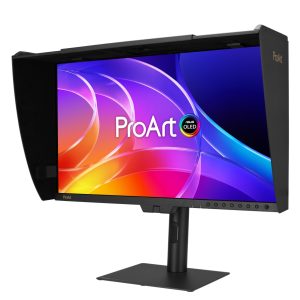
| ProArt Display PA32USD | QD-OLED | 4K | 240Hz | 1000-nit, 12G-SDI |
The inclusion of 12G-SDI inputs on the ProArt PA32USD is a deliberate nod to professional video production environments, where reliable, high-bandwidth connectivity is non-negotiable. Meanwhile, the TUF series updates provide a more accessible entry point for gamers who demand high refresh rates but may not require the premium features—or the premium price tag—of the OLED-based ROG models.
Official Responses and Strategic Vision
During the keynote at Computex, ASUS representatives emphasized that their primary objective for 2026 is "the democratization of extreme performance."
"We are no longer in an era where users must compromise," said a spokesperson for the ASUS ROG division. "For years, the market forced a choice between the deep, inky blacks of OLED and the blinding speed of high-refresh TN or IPS panels. With our new Tandem OLED and Dual Mode configurations, we are effectively eliminating the trade-offs. Our investment in panel longevity through Tandem technology is a promise to our customers that these displays are built for the long haul."
Industry analysts have noted that by diversifying the lineup to include both professional-grade QD-OLEDs and mid-range Fast VA panels, ASUS is aggressively targeting every segment of the enthusiast market. This strategy is clearly designed to preempt competition from other display giants who have been slower to adopt Tandem OLED architectures.
Implications for the Gaming and Professional Markets
The ripple effects of this announcement are likely to be felt across the peripheral industry for the remainder of the year.
1. The Death of the "Single-Use" Monitor
The introduction of Dual Mode across both the ROG and TUF lines suggests that the industry is moving away from single-purpose monitors. A monitor that can function as a high-resolution canvas for creative work during the day and a competitive 480Hz esports display at night is a high-value proposition. This will likely pressure competitors to follow suit, potentially rendering traditional, fixed-resolution, fixed-refresh monitors obsolete in the premium space.
2. The OLED Reliability Debate
ASUS’s focus on the "lifespan" of their Tandem WOLED panels is a strategic attempt to capture the "prosumer" market that has remained loyal to IPS technology due to fear of burn-in. If the 2026 lineup proves as durable as ASUS claims, it could trigger a mass migration of users who have been waiting for the "OLED tipping point."
3. Professional Workflow Integration
For creators, the ProArt PA32USD represents a significant bridge between high-end television production and PC-based editing. The 1000-nit peak brightness and QD-OLED color accuracy place these monitors in direct competition with professional reference monitors, which have historically cost significantly more. By lowering the barrier to entry for color-critical work, ASUS is positioning its ProArt brand to become a standard in smaller production houses and home studios.
4. Competitive Gaming Standards
With the ROG Strix XG259QWPG Ace reaching 540Hz, the threshold for competitive hardware has been pushed yet again. This places significant strain on the graphics card and CPU market, as driving such high refresh rates requires immense computational power. We can expect to see a corresponding surge in hardware requirements for competitive titles like Valorant and Counter-Strike 3, as the monitor hardware now outpaces the average consumer PC’s ability to render frames at that velocity.
Final Thoughts: A High-Water Mark for Display Technology
As the 2026 Computex event continues, ASUS has solidified its reputation as an innovator that is unafraid to tackle the physical limitations of display hardware. By addressing the fundamental issues of brightness, longevity, and versatility, they have set a benchmark that will challenge every other manufacturer in the space.
Whether these monitors will become the new gold standard for enthusiasts remains to be seen once independent testing begins. However, the intent is clear: ASUS is not just selling pixels; they are selling an experience, and they are betting that the future of display technology is brighter, faster, and more versatile than anyone anticipated. For the consumer, this translates into the most exciting period for monitor innovation in a decade.










No comments yet. Be the first to join the conversation!