Pevita Pearce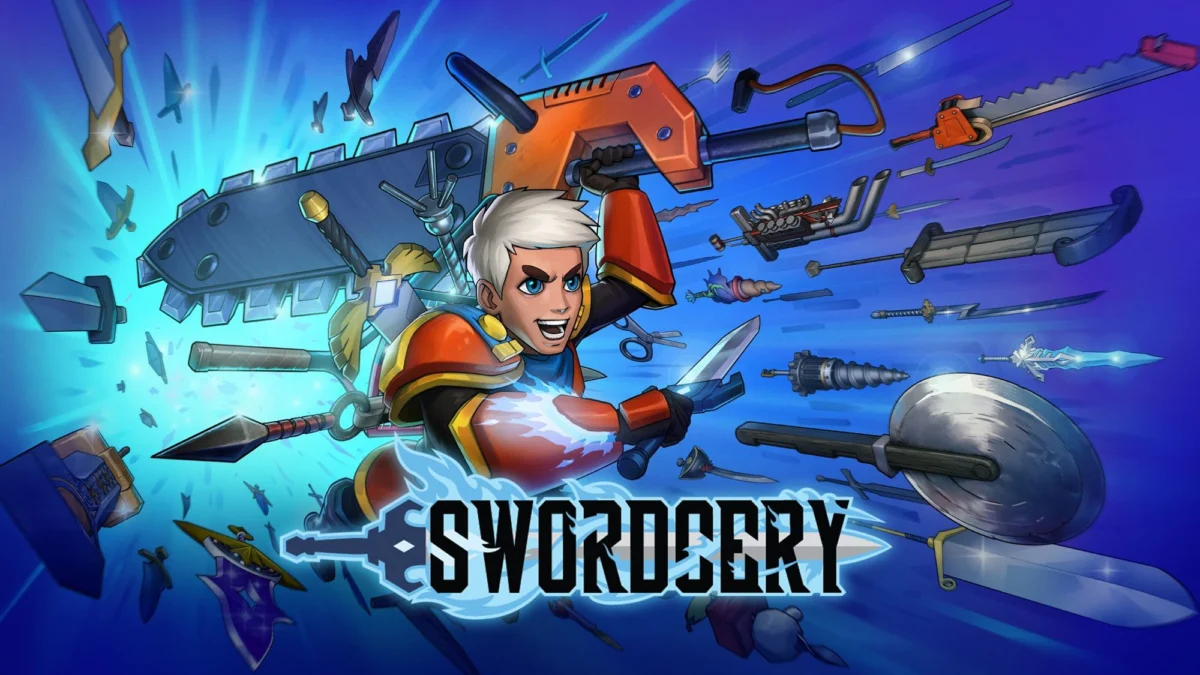
The indie gaming landscape is currently abuzz with the arrival of Steam Next Fest, a biannual celebration of upcoming titles that offers players a rare glimpse into the development pipelines of the industry’s most creative minds. Among the standout participants this year is Temple Door Games, which has officially released a free, playable demo for their highly anticipated roguelike action-RPG, Swordcery.
Available to the public from June 15 through June 22, the Swordcery demo invites players to step into the boots of Colt, an unlikely protagonist thrust into a world shattered by a cataclysmic event. By blending fast-paced, reactionary combat with a deep, loot-driven progression system centered entirely around magical weaponry, Swordcery aims to redefine the standard roguelike experience.
Main Facts: A New Kind of Hero’s Journey
At its core, Swordcery is a melee-focused action-RPG that prioritizes fluid movement and tactical decision-making. Unlike many roguelikes that focus on ranged combat or traditional spellcasting, Swordcery forces players to get up close and personal with their enemies. The game’s primary hook is its titular system: the "Swordcery" mechanic.
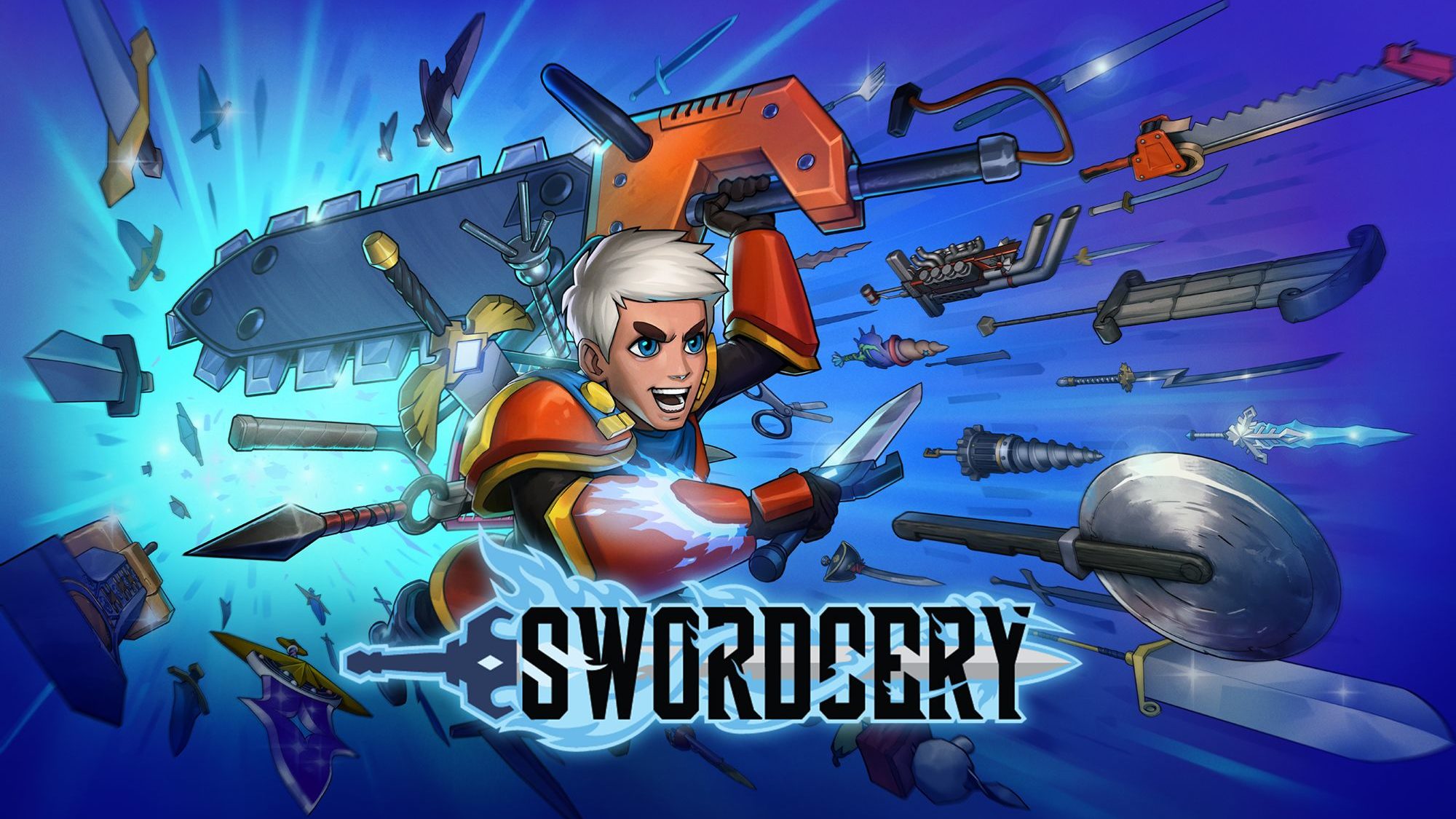
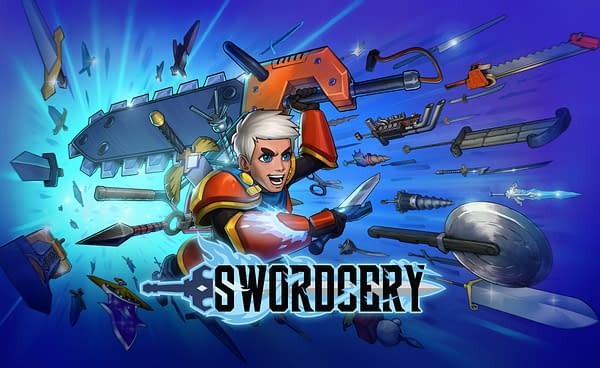
In this world, the "World Rending"—a catastrophic event that rained blades down upon the Earth—has fundamentally altered reality. Players take on the role of Colt, who must navigate treacherous, ever-evolving landscapes to collect these fallen, magical artifacts. Each sword is not merely a tool for damage; each blade acts as a unique ability set, offering distinct combos, special attacks, and passive modifiers that can completely pivot the player’s build mid-run.
The demo provides a curated slice of this experience, allowing players to test the game’s core combat loop, encounter the first set of vicious adversaries, and engage in the high-stakes boss fights that serve as the benchmarks for progress in the full release.
Chronology: The Road to the World Rending
The development of Swordcery has been a deliberate and calculated effort by the team at Temple Door Games. While the studio has kept much of its internal production schedule under wraps, the public-facing journey of the title has been marked by a focus on community feedback and vertical slice refinement.
- Early Concept Phase: Temple Door Games began prototyping the "sword-centric" combat system, focusing on how a melee-only roguelike could maintain variety without becoming repetitive.
- Announcement and Hype: Following the initial reveal, Swordcery garnered attention for its striking visual style and the promise of deep weapon customization.
- Pre-Alpha Testing: A series of closed playtests allowed the developers to tune the weight and "feel" of the combat, ensuring that every swing of the blade felt impactful.
- Steam Next Fest Reveal: The announcement of the free demo marked the most significant milestone to date, providing the studio with the massive player-base feedback loop necessary to finalize the game’s balance and difficulty curves.
- The June 15-22 Demo Window: This current period serves as the ultimate "stress test" for the game’s systems, allowing the developers to see how thousands of players interact with the core mechanics in real-time.
Supporting Data: Understanding the Mechanics
To appreciate what makes Swordcery unique, one must look at the mechanical underpinnings of the game. A roguelike lives or dies by its "loop"—the cycle of playing, dying, upgrading, and returning to the fray. Swordcery attempts to solve the stagnation issue common in the genre by making the weapons themselves the source of player power.
The Weapon Variability Engine
In most action-RPGs, weapons are static stat-sticks. In Swordcery, every sword in the "cabinet" acts as a modular piece of a character build. One blade might focus on rapid, low-damage strikes that build up an "elemental status" on the enemy, while another might be a heavy, slow-moving claymore that trades speed for massive, screen-clearing area-of-effect damage.
Reactionary Combat Systems
The combat design in Swordcery is described by developers as "reactionary." This means that players cannot simply button-mash their way through encounters. Each enemy type features distinct "tells" and attack patterns that require precise dodging, parrying, and counter-attacking. When combined with the unpredictable nature of roguelike level generation, this requires players to constantly adapt their playstyle to the current environment.
Difficulty Scaling
The game employs a tiered difficulty system where the "Celestial evil" mentioned in the game’s lore corrupts the world further as you progress. This creates a natural tension: do you take the riskier path to find a legendary blade, or do you play it safe and survive with your current, perhaps less-than-optimal, equipment?
Official Responses and Developer Philosophy
Temple Door Games has been vocal about their desire to create a game that respects the player’s time while providing a challenge that feels fair rather than punishing. In statements regarding the demo, the developers emphasized that the primary goal of the current build is to gather data on player performance during boss encounters.
"We want players to feel the weight of their choices," a spokesperson for Temple Door Games noted during the demo launch. "When you pick up a new sword, you aren’t just changing your stats; you are changing your potential to interact with the world. We have been watching closely to see which swords players gravitate toward and which ones feel like they need more tuning. The Steam Next Fest demo is, above all else, a partnership between us and our community."
The developer’s focus on transparency—inviting players to try the game before committing to a purchase—is a testament to the indie philosophy of quality over mass-market appeal. By fostering an open line of communication via their Steam community hub, the studio is actively shaping the final product based on the collective experience of the player base.
Implications: The Future of the Roguelike Genre
The release of the Swordcery demo has significant implications for the indie action-RPG genre. As the market becomes increasingly saturated with "soulslike" titles and deck-building roguelikes, Swordcery stands out by doubling down on the visceral satisfaction of classic hack-and-slash gameplay.
Market Positioning
By positioning itself as a "melee-based action-RPG," Swordcery is targeting a demographic of players who enjoy the complexity of Hades but crave the mechanical depth of a traditional character-action game like Devil May Cry. This synthesis of genres is a growing trend, and the success of this demo could signal a shift toward more high-fidelity, action-heavy roguelikes.
The "Next Fest" Effect
Steam Next Fest has become a kingmaker in the independent gaming world. A strong showing for Swordcery during this week could lead to a significant increase in "Wishlists," which is the primary metric for success on the Steam platform. For a title like Swordcery, a high number of wishlists creates a compounding effect, pushing the game higher in the store’s algorithms and ensuring a strong launch window later in the year.
Long-Term Replayability
The ultimate test for Swordcery will be its ability to provide long-term engagement. Once the novelty of the different sword types wears off, does the game offer enough variety in its environments and enemy encounters to keep players coming back for another run? The inclusion of the demo is a smart move; it allows players to experience the "hook" of the game without needing to commit, effectively creating a "try before you buy" scenario that reduces the risk for potential customers.
Conclusion: Why You Should Play the Demo
Whether you are a seasoned veteran of the roguelike genre or a newcomer looking for a high-octane action experience, the Swordcery demo is an essential download this week. It offers a tight, polished, and exciting look at a game that is clearly built with a love for the craft of combat.
The combination of the "World Rending" lore, the diverse and imaginative sword designs, and the challenging boss encounters makes Swordcery one of the most promising indie titles of the year. With the demo available until June 22, there has never been a better time to jump in, pick up your first blade, and begin your journey to save the world from the encroaching Celestial corruption.
Don’t let the opportunity pass—head over to Steam, download the demo, and see if you have what it takes to master the art of Swordcery.


 Sagoh
Sagoh
 Ammar Sabilarrohman