Asro
Asro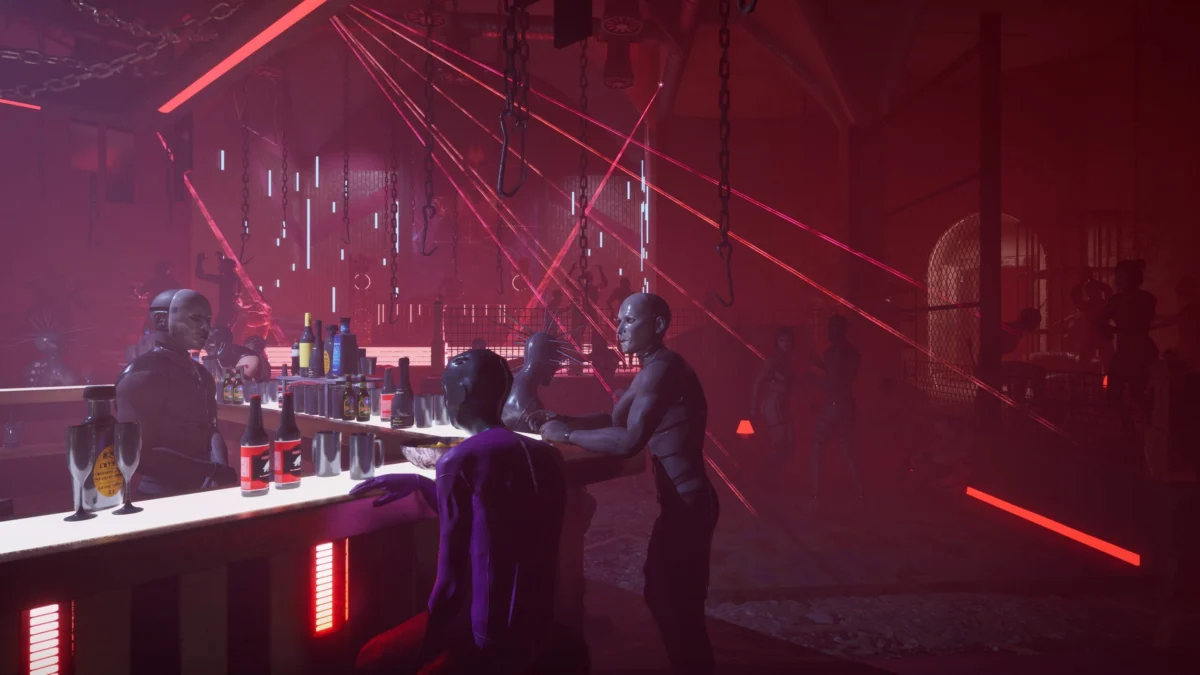
In the annals of cinematic horror, few franchises possess a visual identity as indelible—or as polarizing—as Clive Barker’s Hellraiser. Since the 1987 debut of the original film, the series has been defined by the exquisite, grotesque artistry of the Cenobites and the terrifying allure of the Lament Configuration. However, while the practical effects have achieved legendary status, the films have frequently struggled to match their visual splendor with narrative cohesion. Saber Interactive’s latest project, Hellraiser: Revival, aims to rectify this historical imbalance by translating the franchise’s visceral, transgressive energy into a high-octane "survival horror action" experience.
The Core Concept: Redefining Horror for an Interactive Medium
Hellraiser: Revival marks a bold shift in how developers approach the survival horror genre. Rather than settling for the passive experience of watching the Cenobites’ machinations, players are thrust into a world of "nasty" reality—a setting that feels less like a haunted house and more like a fever dream of extreme kink and occult obsession.
The game’s aesthetic foundation is built upon the foundational "horniness" and dark aesthetic of the original source material. Saber Interactive has leaned heavily into the transgressive nature of the film, creating environments—such as a cultist-run fetish club—that are as uncomfortable as they are immersive. With environmental storytelling that utilizes everything from BDSM flyers to visceral combat mechanics, the game positions itself not just as a horror title, but as a gritty, unapologetic exploration of pain and pleasure.
A Chronology of the Project
The journey of Hellraiser: Revival from a high-concept pitch to a playable demo reflects the current trend of legacy horror revivals.

- Initial Development: Saber Interactive began development with a clear mission: to move away from the "attic-bound" narrative limitations of early franchise entries. The studio sought to expand the scope to include the interdimensional vistas that made the lore so captivating.
- The Reveal: Following early leaks regarding the project’s scope, the developers confirmed a focus on "survival horror action," bridging the gap between the methodical tension of Resident Evil and the aggressive, supernatural combat found in titles like The Darkness.
- The Hands-On Phase: Recent previews have allowed select players to experience the opening segments, characterized by claustrophobic interior spaces that rapidly escalate into surrealist, Escher-like architectural puzzles within the hell dimension.
- Refinement: The current development phase is focused on balancing the game’s "maximum suffering" mechanics—the player’s ability to manipulate the environment through the Lament Configuration—against the limited resource management essential to the survival horror genre.
Supporting Data: Mechanics and Immersion
To understand Hellraiser: Revival, one must look at its mechanical parallels. While the game does not lean fully into the "immersive sim" category, it borrows heavily from the genre’s DNA.
The BioShock Influence
The gameplay loop mirrors the tactical depth of BioShock. Players aren’t just shooting; they are scavenging. From drawers filled with scraps to audio diaries that flesh out the cult’s backstory, the game rewards curiosity. Most notably, the Lament Configuration functions as an elemental tool. Just as a BioShock player might use Plasmids to manipulate the environment, a player in Hellraiser: Revival can use the puzzle box to harness the essence of a brazier, turning a static object into a makeshift flamethrower.
Combat and Resource Scarcity
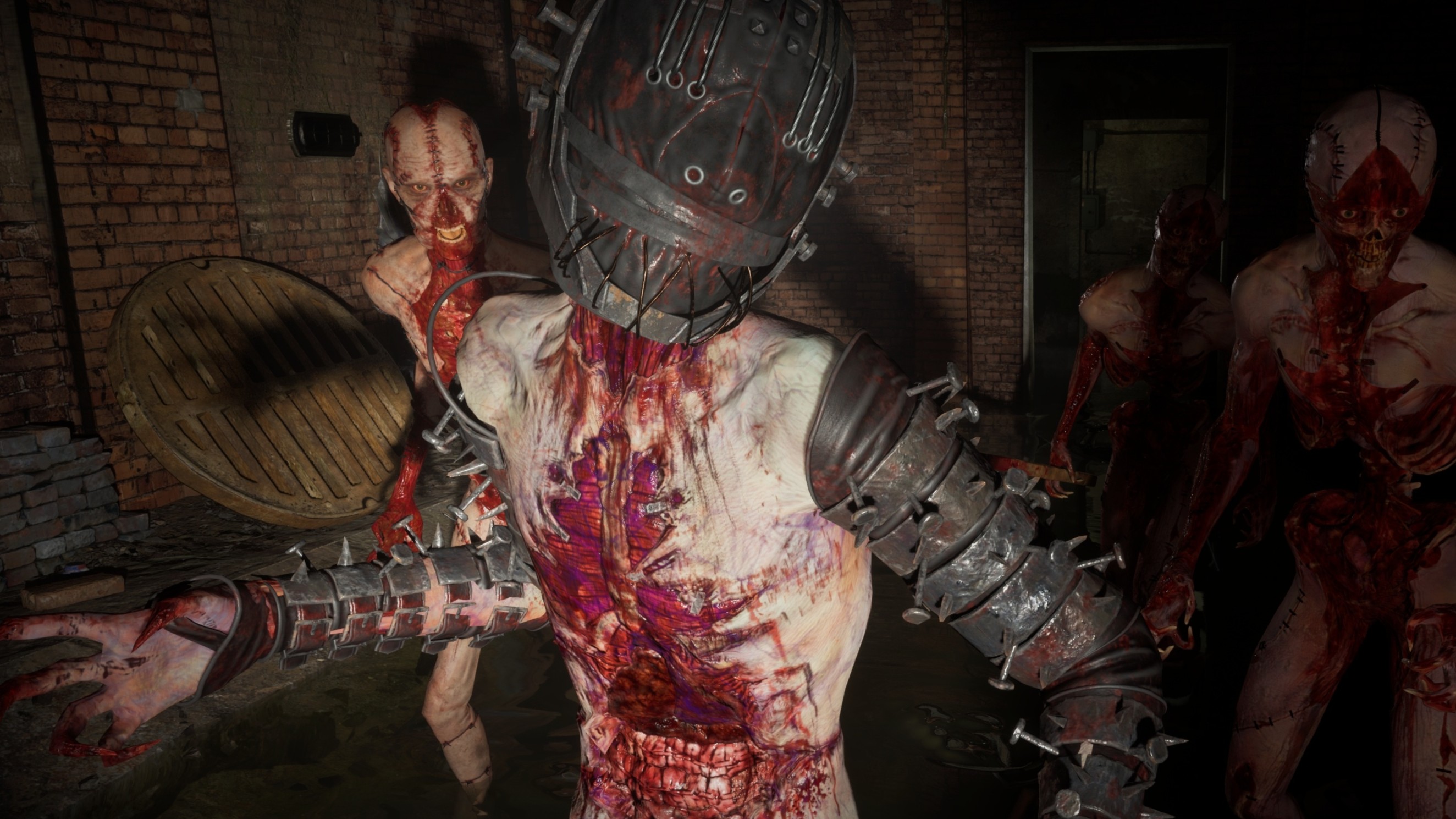
The game’s combat is intentionally punishing. The inclusion of a Jagged Messer—a massive machete designed for disembowelment—is not merely aesthetic; it is a necessity. With ammunition for pistols and shotguns in short supply, the game forces players to make a tactical choice: expend precious bullets or risk a close-quarters engagement using the environment, such as utilizing bear traps to neutralize threats.
Environmental Puzzles
The transition from the "real world" to the hell dimension is the game’s technical showpiece. The ability to rotate walls and reorient floors to create pathways represents a high-concept puzzle design that elevates the game beyond a standard shooter. The prompt, "Press F to Increase Suffering," serves as a tongue-in-cheek nod to the franchise’s masochistic roots, effectively bridging the gap between horror tropes and player agency.

Official Stances and Industry Context
Saber Interactive has positioned Hellraiser: Revival as an "action-first" horror title, a distinction that has sparked debate among long-time fans of the franchise. While the original film was often criticized by contemporary reviewers—most notably Roger Ebert, who lamented the film’s "bankruptcy of imagination"—Saber is betting that the interactive medium is the perfect place to fix these structural issues.
By focusing on the "survival horror action" subgenre, the developers are attempting to avoid the stagnation that plagued the film sequels. Industry analysts suggest that this approach is a direct response to the "modernized" horror audience, who demand more agency than the characters in the 1987 original were ever afforded. The studio has remained relatively tight-lipped regarding the full narrative arc, but they have confirmed that the game will explore the cultist obsession with the Cenobites in ways that the cinema screen could not sustain for long durations.
Implications: Is This the Future of Horror Gaming?
The release of Hellraiser: Revival carries significant implications for the future of licensed horror properties.
1. The Death of the "Passive" License
For decades, licensed horror games were often dismissed as "cash grabs." Revival challenges this by proving that even if the source material has narrative flaws, the thematic elements—the design of the Cenobites, the puzzle-box mechanics, and the visceral dread—are perfectly suited for mechanics-driven gameplay.
2. Edginess vs. Substance
The game is unapologetically provocative. By including elements that have rarely been seen in mainstream titles—such as explicit imagery and mature themes—Saber Interactive is testing the limits of what a "AAA-adjacent" horror game can get away with. Whether this "edginess" adds substance or serves as a distraction remains to be seen. Critics argue that while the commitment to the source material’s "horniness" is impressive, the game must ensure it doesn’t lose the underlying queer themes and philosophical weight that made Barker’s work so compelling in the first place.
3. The "B-Movie" Threshold
There is a fine line between a "fun" game and a "cult classic." If Hellraiser: Revival can maintain its momentum—blending high-octane combat with moments of genuine, skin-crawling dread—it stands a chance of achieving the latter. It is not trying to reinvent the wheel, but by successfully delivering a polished "slasher-in-game-form" experience, it provides a blueprint for how to handle franchises that were once considered "un-gameable."
Conclusion: A New Kind of Suffering
Hellraiser: Revival is, at its heart, an experiment in visceral engagement. It acknowledges the film’s flaws—the clunky dialogue, the occasionally stagnant pacing—and replaces them with a player-driven narrative defined by brutal combat and environmental manipulation. Whether or not the game becomes a true masterpiece is secondary to the fact that it is a significant step forward for the franchise.
By allowing the player to finally hold the Lament Configuration, to manipulate the geometry of hell, and to engage directly with the Cenobite mythos, Saber Interactive has done the impossible: it has made the world of Hellraiser fun to inhabit. It may not be "scary" in the traditional sense, but in its dedication to being "fucked up" in the best possible way, it succeeds in doing what the movies rarely could: keeping the player terrified, engaged, and eager to see what suffering lies behind the next door. For fans of the genre, the revival is not just welcome—it is overdue.



 Muslim