Evan Lee Salim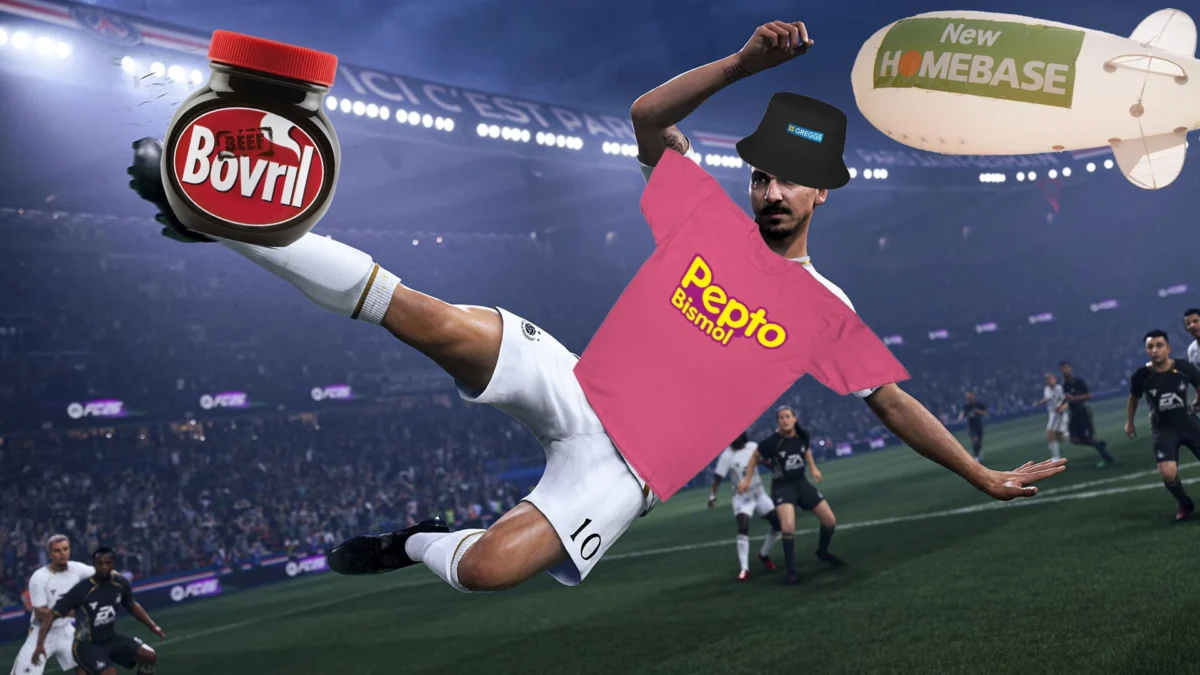
In the modern gaming landscape, the boundary between player experience and corporate real estate is becoming increasingly porous. Electronic Arts (EA), one of the world’s largest interactive entertainment publishers, has officially unveiled its new advertising initiative: "EA Advertising." While the company frames the move as a revolutionary step in "connecting brands with audiences," industry analysts and long-term players view it as a formalization of a trend that has been slowly eroding the sanctity of digital worlds for decades. By integrating brands directly into the fabric of gameplay, EA is signaling that its titles—from Madden NFL to The Sims—are no longer just games; they are prime, high-traffic billboards for the global marketplace.
The Genesis of "EA Advertising": A Corporate Evolution
The announcement, which arrived in the form of an exhaustive, jargon-heavy press release, outlines a platform designed to insert third-party brands into the "live experiences" of EA’s vast library of titles. For the uninitiated, the pitch is simple: EA possesses massive, highly engaged audiences who spend thousands of hours within their ecosystems. According to the company, Madden NFL players alone generate the "equivalent of 23,000 NFL seasons every day." EA believes this density of engagement is an untapped goldmine for advertisers looking to bypass traditional media channels.
This is not necessarily a "new" invention, as the company suggests. It is the acceleration of a long-standing tradition. Historically, EA has experimented with in-game advertising, perhaps most notoriously through the The Sims 2 expansion packs, which featured branded content from companies like H&M and IKEA. However, the new platform represents a shift from occasional product placement to a systematic, automated infrastructure designed to monetize every available pixel of digital space.
Chronology: From DLC to Ad-Tech Infrastructure
To understand the significance of this move, one must look at the trajectory of EA’s commercial strategy over the last twenty years:
- 2007-2008: EA releases The Sims 2: H&M Fashion Stuff and IKEA Home Stuff. At the time, these were viewed as novel marketing experiments—a way for players to "decorate" their digital lives with real-world aesthetics.
- 2010-2015: The rise of "Games as a Service" (GaaS). EA shifts its focus toward long-term engagement models, exemplified by the growth of FIFA (now EA Sports FC) Ultimate Team, which relies on microtransactions to sustain revenue.
- 2020-2024: The industry-wide pivot toward "Total Monetization." As development costs for AAA titles skyrocket, publishers look for supplemental revenue streams beyond the initial $70 purchase price.
- 2026 (Present): The launch of "EA Advertising." The company moves away from one-off brand deals toward a scalable, programmatic ad-tech platform that allows brands to bid for space within games, turning the UI and environment into a permanent advertising billboard.
Supporting Data: The Debt-Driven Imperative
Why the sudden, aggressive push for in-game advertising? The answer likely lies in the broader economic pressures facing the industry. Reports suggest that EA is currently navigating a period of financial restructuring, including potential leveraged buyouts that could saddle the company with up to $20 billion in debt. In such an environment, traditional revenue from game sales and microtransactions is no longer viewed as "sufficient" by shareholders and creditors.
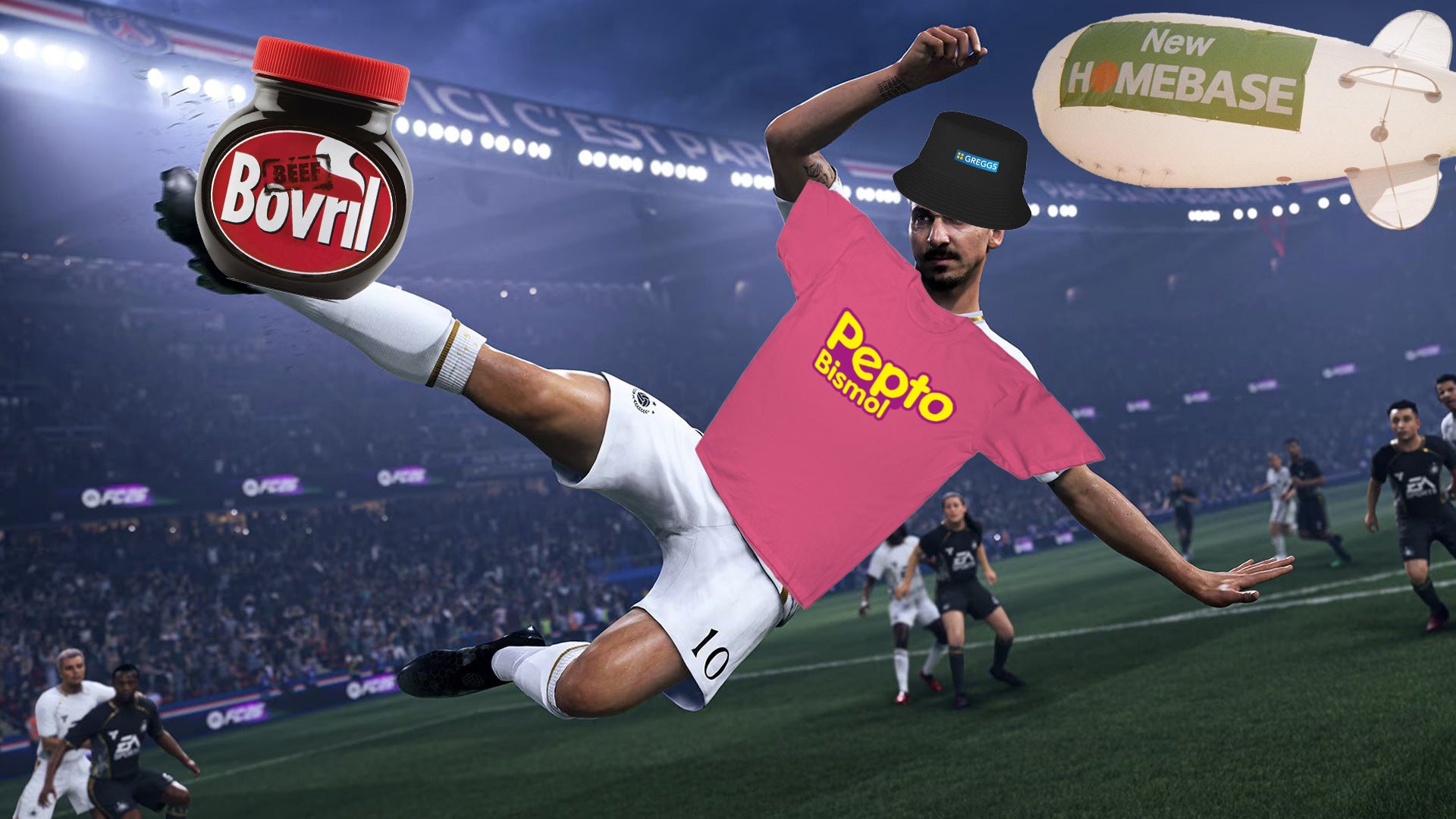
Industry data confirms that the "middle-ground" of game development—titles that are profitable but not massive blockbusters—is disappearing. Companies are under immense pressure to maximize the Average Revenue Per User (ARPU). In a recent interview with the New York Times’ "Hard Fork" podcast, Microsoft CEO Satya Nadella echoed this sentiment, suggesting that Microsoft had been "subsidizing" entertainment by not monetizing Xbox games aggressively enough. He specifically pointed to the fact that creators on YouTube often generate more revenue from a game than the developers themselves. This philosophy is filtering down to every major publisher: if a game doesn’t facilitate an ecosystem of continuous spending, it is increasingly viewed as a failure.
Official Responses and the "Authenticity" Paradox
EA’s official messaging leans heavily on the concept of "authentic, interactive experiences." A prime example cited by the company is "Dew University," a branded collaboration within the Madden ecosystem that includes custom stadiums, mascots, and a reward structure centered around the soft drink brand.
According to the official press release, these integrations are "transforming how brands connect with audiences." However, the tone of this language highlights a stark disconnect between corporate intent and player perception. While EA describes these as "authentic" additions, players often describe them as "immersion-breaking." The implication is that a game world is only as valuable as its ability to host a commercial partner, potentially turning a simulated sports environment into a crowded, cluttered advertisement hub.
Implications: The Death of the "Artistic" Space
The most profound implication of this shift is the erosion of the game as an artistic, self-contained experience. When a development team is forced to prioritize space for a "Dew Cannon" or a dynamic billboard, the creative vision of the game inevitably takes a backseat to the needs of the advertiser.
1. The "Ad-Tech" Creep
If EA’s platform succeeds, we can expect to see similar models adopted across the entire industry. This leads to a future where "dynamic ads" could be served to players based on their location, purchase history, or even their in-game behavior. This creates a feedback loop where the game design is dictated by what is most "ad-friendly" rather than what is most "fun."

2. The Impact on Studio Culture
As Microsoft’s recent "reset"—which involves layoffs, studio closures, and a pivot away from creative, niche projects—demonstrates, the industry is becoming increasingly risk-averse. When the primary goal of a game is to host advertising, the creative risks associated with new IPs become difficult to justify. Studios like Double Fine, known for their unique and artistic output, are often the first to face the chopping block when a publisher decides that their projects do not fit the "profitable middle ground" or the "ad-servable" criteria.
3. The Erosion of Consumer Trust
Players have long tolerated microtransactions as a necessary evil to keep live-service games running. However, there is a limit to how much commercialization a player will accept before the perceived value of the product drops. By turning the game itself into a billboard, publishers risk alienating their core audience, potentially leading to a decline in player retention—the very metric they are trying to monetize.
Conclusion: A Crossroads for the Industry
The launch of EA Advertising is a bellwether for the future of the video game industry. We are moving toward an era where the distinction between a commercial advertisement and a gameplay experience is intentionally blurred.
While the short-term financial gains of this strategy are clear—particularly for companies grappling with significant debt—the long-term costs are harder to measure. By sacrificing the purity of the game world for the sake of "brand synergy," companies like EA may find that they are eroding the very foundation of the loyalty that made these franchises successful in the first place. Whether this model leads to a new golden age of "authentic" marketing or a hollowed-out experience that drives players away remains to be seen. What is certain, however, is that the era of the "ad-free" premium gaming experience is rapidly drawing to a close.


 Asro
Asro
 Muslim