Pevita Pearce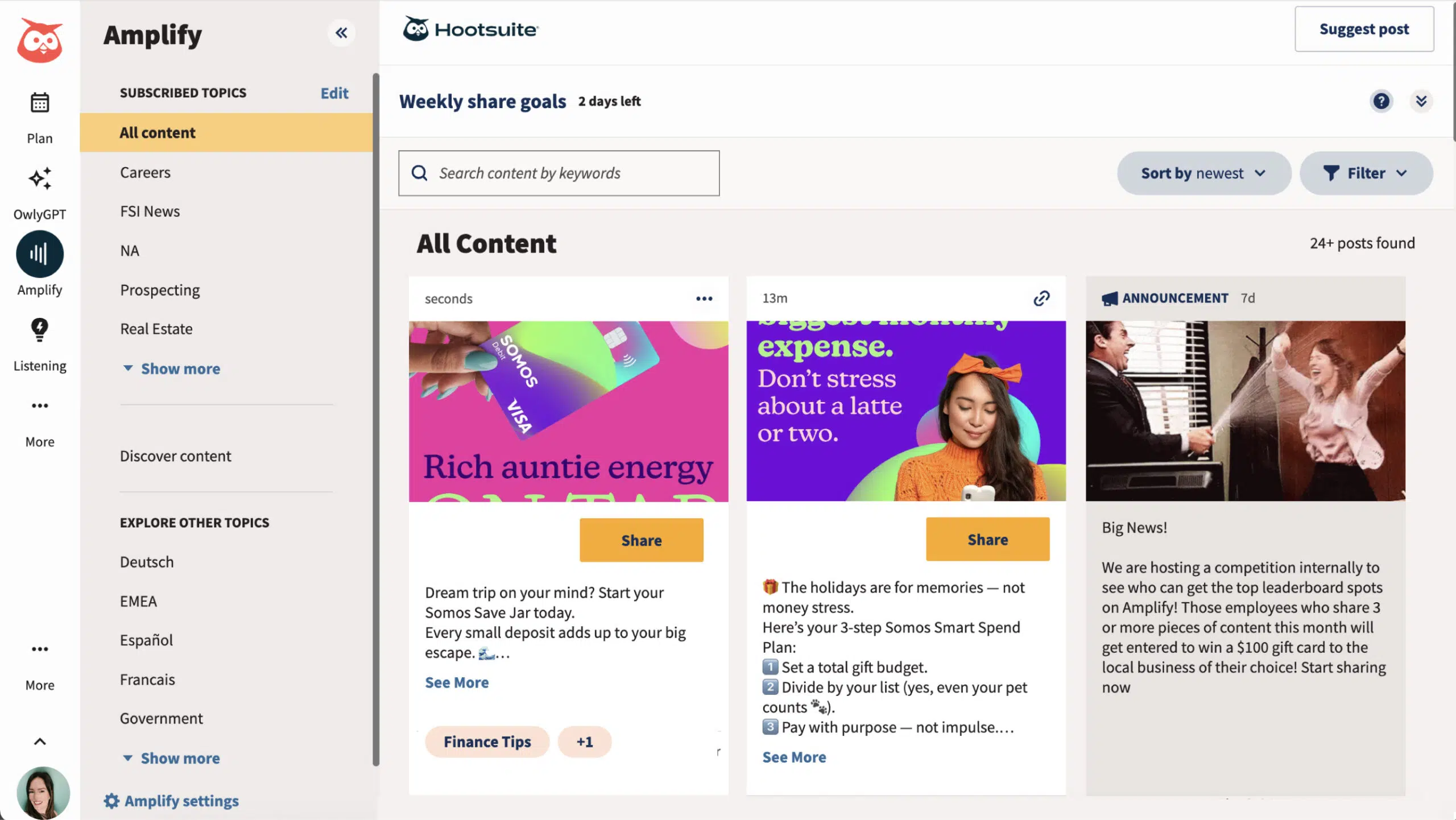
In an era defined by skepticism, where consumers are increasingly wary of polished, corporate-sponsored advertisements, the most effective marketing asset isn’t a high-budget video or a viral influencer campaign—it’s your own team. Employee advocacy, the practice of empowering staff to share company content, values, and industry insights through their personal social media channels, has shifted from a "nice-to-have" social strategy to an essential pillar of brand survival.
As recent data from the 2025 Edelman Trust Barometer highlights, global trust in traditional corporate messaging continues to decline. When a brand speaks about itself, audiences listen with caution; when an employee speaks about their experience, the message is received with authenticity and authority.

The Anatomy of Employee Advocacy
At its core, employee advocacy is the art of turning internal stakeholders into external ambassadors. It moves beyond the traditional "share this post" mandate, evolving into a culture where team members feel genuinely compelled to showcase their professional lives.
While LinkedIn remains the primary battleground for B2B advocacy, the landscape is rapidly expanding to include professional communities on Slack, industry-specific forums, and even short-form video content on TikTok. The defining characteristic of a successful program is not just reach, but resonance. Unlike influencer marketing, which relies on transactional relationships with third-party creators, employee advocacy is rooted in an existing, authentic connection to the organization.

Chronology of a Shifting Landscape
The evolution of digital trust has been rapid. A decade ago, brand-owned channels were the primary source of truth for consumers. However, as social media algorithms began to favor personal profiles over corporate pages—prioritizing human-to-human interaction—the reach of brand accounts plummeted.
By 2020, organizations began to realize that their employees collectively possessed a social footprint ten times larger than their corporate follower base. By 2024, the strategy matured. Companies moved away from "cookie-cutter" posting mandates, which often felt artificial, toward a model of empowerment. Today, in 2025, the focus has shifted to "social selling" and personal branding, where the employee’s professional growth is treated as a symbiotic benefit to the company’s growth.
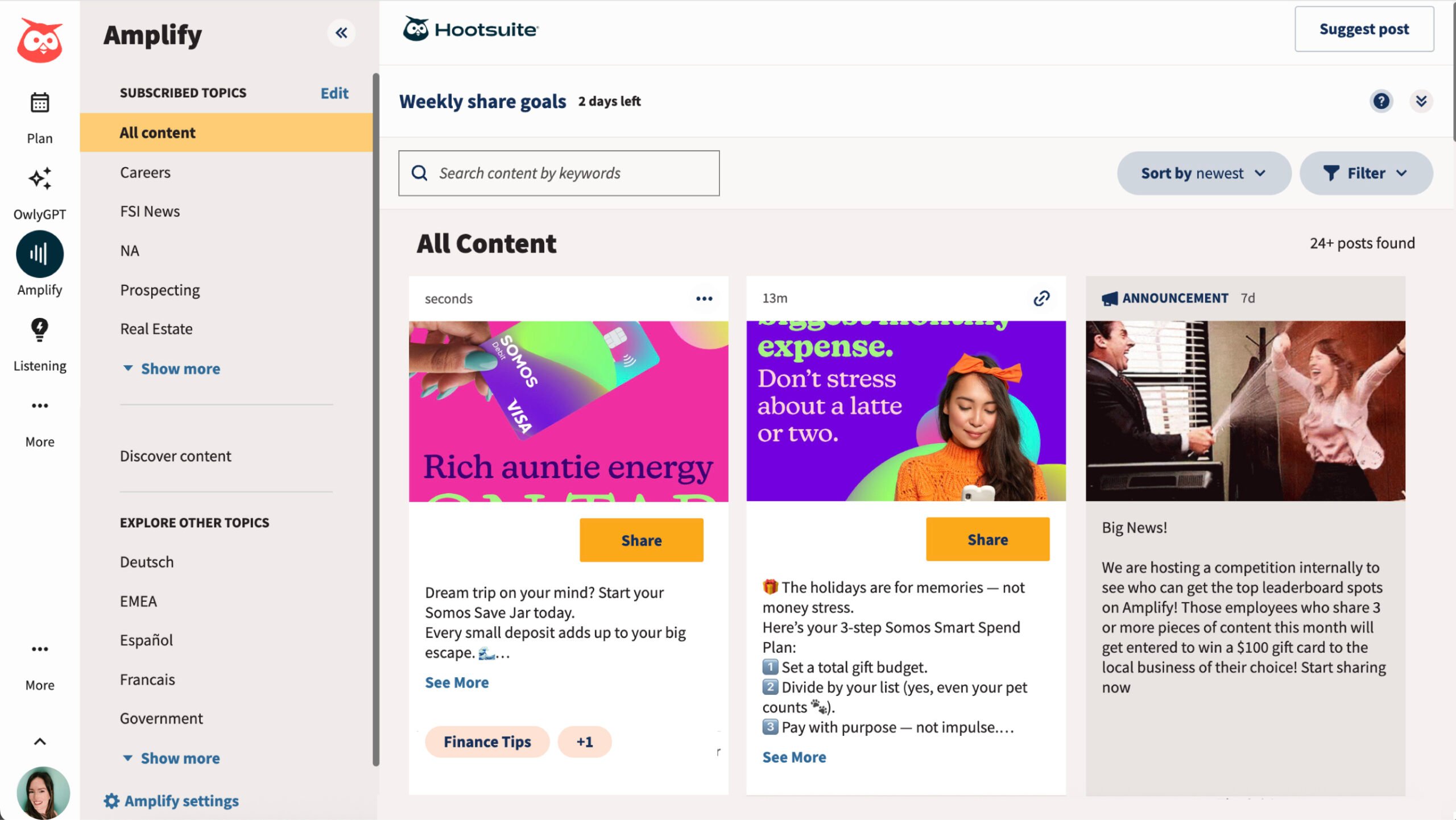
Data-Driven Impact: The Hootsuite Perspective
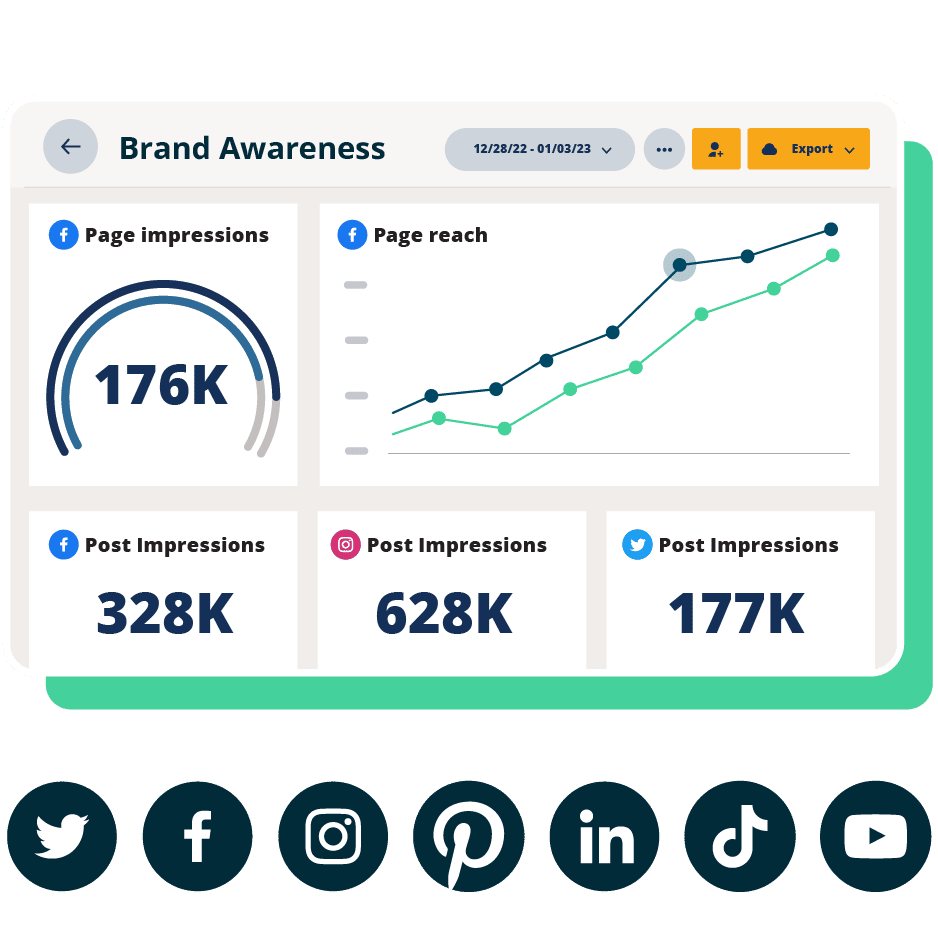
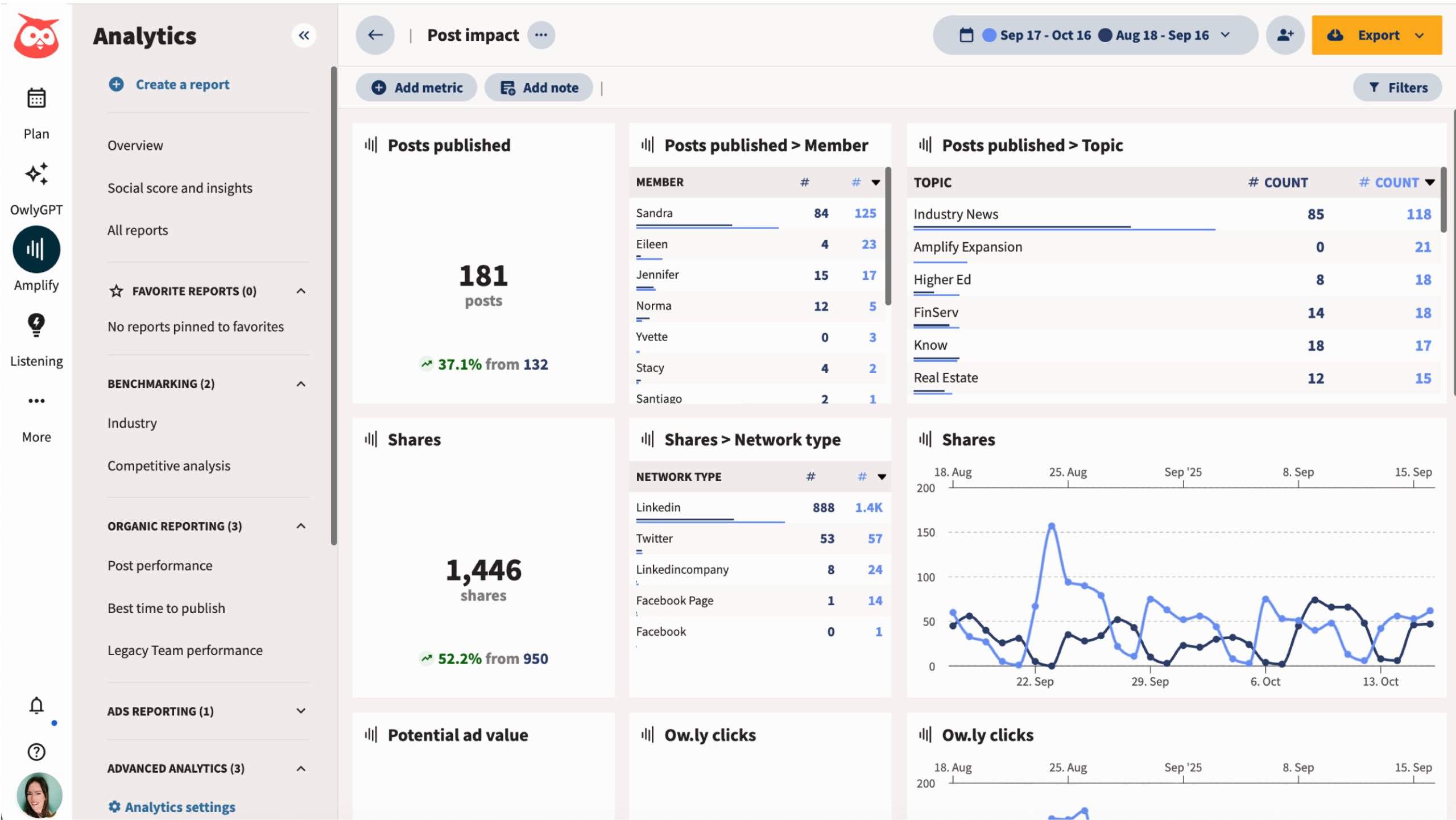
Recent data from Hootsuite’s internal Employee Advocacy program provides a clear blueprint for what success looks like in the modern workplace. The numbers underscore that when employees are given the right tools, they become a powerhouse of organic reach.
Key Performance Benchmarks (2024–2025)
- Adoption Rate: 40% to 50% of the total workforce actively participating.
- Consistency: An average of 1.2 posts per employee per week.
- Engagement Velocity: Top-performing posts achieved over 200,000 impressions and over 100 shares.
- Average Reach: Individual posts from employees generated an average of 21,920 impressions—a figure that far outstrips the organic reach of most mid-sized corporate pages.
These metrics suggest that employee advocacy is not merely a marketing tactic; it is a scalable, low-cost amplification engine.
Implications for Modern Organizations
The ripple effects of an active advocacy program touch every department, from Talent Acquisition to Sales and Corporate Communications.
1. The Recruitment Advantage
In the competitive landscape for top-tier talent, candidates value social proof above all else. When potential hires see employees posting about company culture, personal growth, and team wins, it provides a "behind-the-curtain" look that a careers page simply cannot replicate. Companies with socially engaged employees are 58% more likely to attract top-tier talent, as candidates trust the voices of their future peers more than they trust the HR department.
2. Humanizing the Brand
The "Logo Problem" is a challenge every company faces. A brand is an entity; an employee is a human being. By empowering staff to share insights, the brand adopts a human face. This is particularly vital in complex sectors like healthcare or IT, where human connection and trust are the primary drivers of decision-making. For example, Athletico Physical Therapy observed a 40% growth in reach after enabling their clinical staff to share their own patient-focused stories and insights.
3. The Cultural Feedback Loop
Advocacy acts as a mirror to company culture. When employees are encouraged to share their work, it fosters a sense of pride and belonging. This creates a positive feedback loop: the act of sharing reinforces the employee’s commitment to the organization, which in turn leads to more authentic content, driving better results for the company.
Scaling the Strategy: A Step-by-Step Guide
Launching a program is not about volume; it is about infrastructure. Organizations that fail often do so because they treat advocacy as an extra task for employees. Successful programs treat it as a seamless part of the workflow.
The Six-Phase Launch
- Define the North Star: Are you looking to build awareness, drive sales, or improve recruitment? Your goals dictate your content mix.
- Identify Natural Champions: Don’t mandate participation. Start with the "social-first" employees who are already sharing—these are your early adopters.
- Curate, Don’t Dictate: Provide content that is "share-worthy," not "corporate-heavy." Avoid buzzwords and jargon.
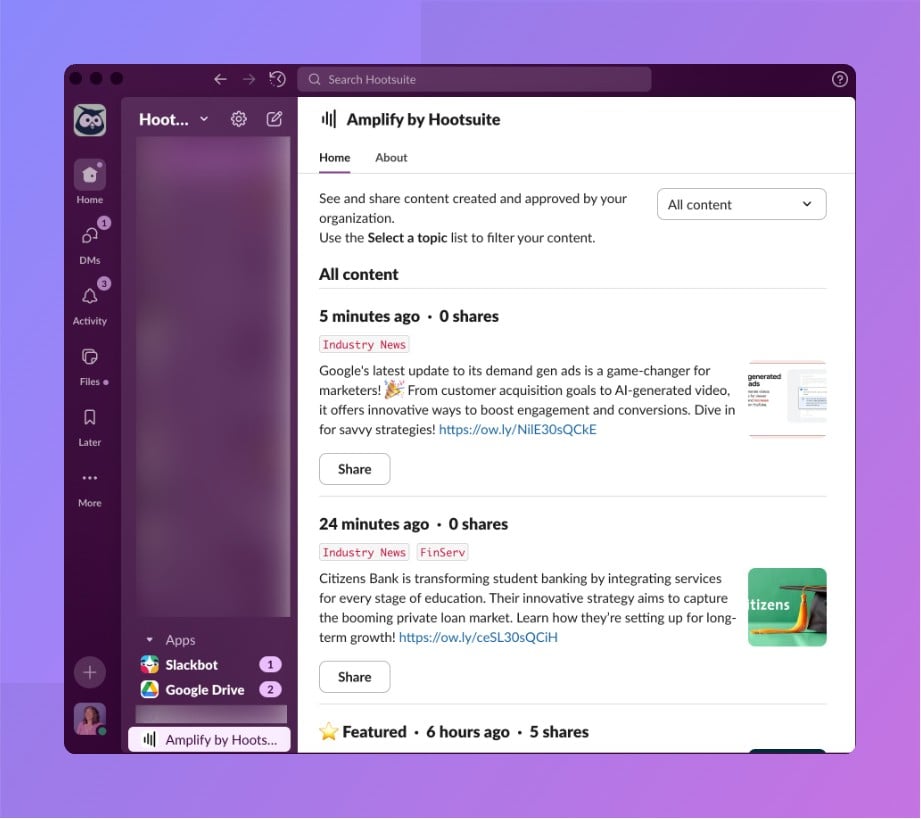
- Reduce Friction: Use platforms like Hootsuite Amplify to allow for "one-click" sharing. If it takes more than 30 seconds to share, it won’t happen.
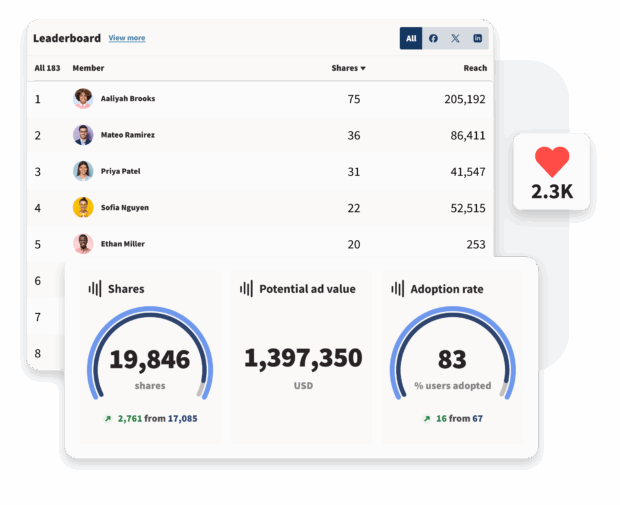
- Gamify the Experience: Use leaderboards and rewards to celebrate top advocates. A little friendly competition goes a long way in sustaining momentum.
- Measure and Iterate: Use analytics to track which content types—whether it’s industry news, personal wins, or product updates—resonate most with your specific audience.
Expert Insight: Eileen Kwok on Authenticity
Eileen Kwok, former Social & Influencer Marketing Strategist at Hootsuite, emphasizes that the future of LinkedIn is moving away from the "polished" toward the "raw."
"Real experiences, expert insights, and innovative marketing approaches are the types of stories people want to see," Kwok notes. Her advice to program leaders is simple: give employees the freedom to personalize. A post that is shared with a personal, first-person commentary will always outperform a generic, corporate-provided caption.
Conclusion: Turning Employees into Voices
Employee advocacy is the ultimate manifestation of the "brand-as-a-community" philosophy. By providing employees with the tools to share, companies aren’t just gaining more social reach—they are validating the voices of their most important asset.
As we look further into 2025, the brands that win will be those that realize they don’t need a larger megaphone; they need more people holding the microphone. By fostering a culture of trust and providing the infrastructure for seamless sharing, companies can turn their workforce into the most credible, effective, and authentic marketing team they have ever had.
About the Future of Work: To build a winning employee advocacy program, organizations must focus on curating engaging content, customizing permissions to allow for individual voice, and measuring the real business impact—all within a centralized dashboard. In a world of noise, authenticity is your competitive advantage.


 Rifan Muazin
 Evan Lee Salim