Suro Senen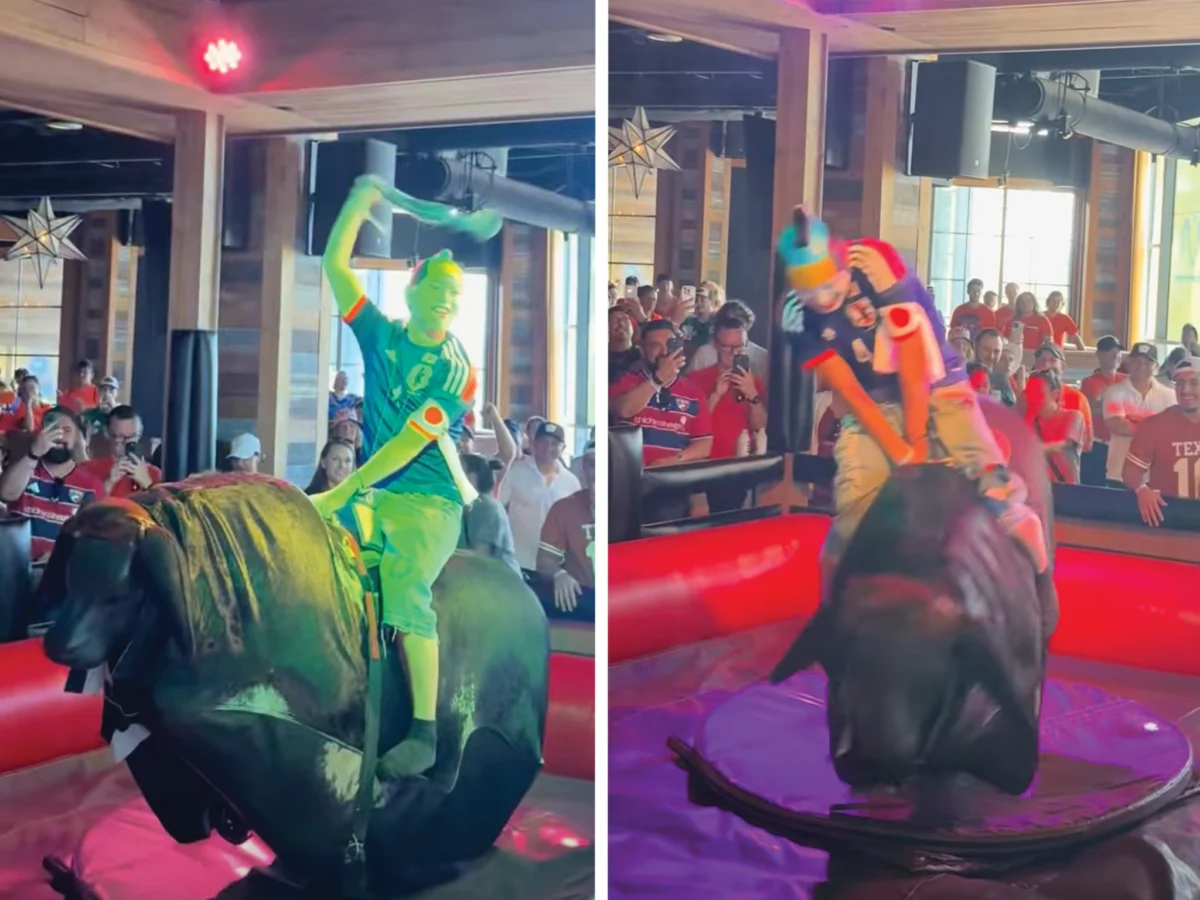
While the 2026 World Cup is officially a contest of athletic prowess, tactics, and national pride, a secondary, entirely unplanned competition has emerged on the sidelines. In the sprawling urban landscape of North Texas—a region currently serving as a focal point for the tournament—Japanese supporters have inadvertently become the stars of a digital phenomenon. They are not merely traveling to watch matches; they are treating the American South as an anthropological expedition, and the internet is captivated by their earnest, joyous, and often hilarious cultural discoveries.
The Intersection of Sport and Spontaneous Tourism
The matches remain the nominal core of the event. Japan’s national team has performed admirably on the pitch, including a high-stakes, momentum-shifting draw against the Netherlands that proved their tactical mettle. Yet, for millions of social media users, the real-time updates from Japan’s traveling contingent have eclipsed the scorelines.
The algorithm—the invisible arbiter of modern cultural relevance—has decided that the story of this World Cup is not just about the ball, but about the bread at Texas Roadhouse, the scale of Walmart, and the sheer disbelief at receiving "free" chips and salsa at local restaurants.
Chronology of a Viral Cultural Exchange
The phenomenon did not happen overnight; it evolved through a series of increasingly wholesome digital breadcrumbs.
- The Arrival: As Japanese fans began descending upon Arlington and Dallas in early June, the initial content was standard fan-engagement fare: cheering in the streets and donning team kits.
- The "Texas Roadhouse" Revelation: By June 13, the tone shifted. A fan’s post on X (formerly Twitter) went viral, expressing genuine shock at the quality of the complimentary rolls at a Texas Roadhouse. The post, which has since been shared thousands of times, described the bread as "mind-blowingly delicious" and noted that the fan even requested a to-go order—a rare move for a chain restaurant appetizer.
- The "Chips and Salsa" Confusion: Shortly after, another fan posted a query about chips and salsa. In Japan, the concept of otoshi (a mandatory, paid appetizer) is standard. Upon receiving complimentary chips and salsa in Texas, the fan asked, "Is this paid? Is this like an otoshi?" This moment of cross-cultural confusion highlighted the fundamental differences in dining etiquette and hospitality norms.
- The "Mechanical Bull" Escalation: By mid-tournament, the fans began documenting their forays into iconic Texan pastimes. Videos of Japanese supporters tentatively but enthusiastically riding mechanical bulls, wandering through the vast aisles of Walmart with wide-eyed wonder, and marveling at the sheer size of American school buses began to dominate the feeds of sports enthusiasts worldwide.
- The Fox News Moment: A short clip from a local Fox News broadcast in North Texas became the "mission statement" of the experience. When asked for their impressions of the state, a group of Japanese supporters succinctly summarized the entire Texan aesthetic: "Texas is good, everything is big."
Supporting Data: Why This Matters
While the trend may seem trivial, it represents a significant shift in how international sporting events are experienced. Traditionally, World Cup media is siloed: fans stay with fans, and the host nation is merely a backdrop.
However, the "Texas-Japan" story is characterized by a "reverse-direction cultural exchange." In a suburban Texas sports bar, the dynamic was inverted as Japanese fans taught local residents the word oishii (delicious). In another instance, Dutch fans hoisted a Japanese supporter—complete with a Pikachu plushie—above their own sea of orange jerseys, creating an image of camaraderie that transcended team loyalties.
Perhaps the most viral example of this collaboration was a video featuring a Syrian-American comedian guiding a group of Japanese visitors through their first In-N-Out order. The meticulous, step-by-step breakdown of how to order a "Double-Double, Animal Style" turned a mundane fast-food transaction into a moment of international bridge-building.
Official and Community Responses
The response from the local Texan community has been overwhelmingly positive. Business owners in the Arlington area have reported that the influx of Japanese visitors has been both "delightful and educational."
"They come in with a sense of wonder that we often lose as locals," says one manager of a popular Dallas-area restaurant. "When they get excited about something as simple as a dinner roll or a basket of chips, it reminds us to appreciate the small things about our own home."
On social media, the discourse has been equally warm. The hashtag #JapanInTexas has become a clearinghouse for these interactions, with users from around the world tuning in not to see the latest goal highlights, but to see what the fans are eating, where they are shopping, and who they are meeting. It is a rare moment of digital unity where the comment sections are devoid of the typical vitriol associated with professional sports.
The Deeper Implications: A New Way to Experience the World Cup
The World Cup is typically a zero-sum game. The narrative is defined by winners, losers, goal differences, and the pursuit of a singular trophy. It is a structure that inherently creates division—my team versus yours.
What is happening in Texas, however, is a deviation from this zero-sum frame. For one algorithmically blessed stretch, the internet’s attention has settled on people finding each other endlessly fascinating. The Japanese supporters are not just spectators; they are participants in a living, breathing social experiment.
The Persistence of Tradition
Amidst the excitement, the Japanese supporters have maintained their most famous hallmark: the post-match stadium cleanup. Even after the most exhausting, emotionally charged games, these fans are still seen in the stands, trash bags in hand, methodically picking up litter. This tradition, which has been a staple of Japanese sports culture for decades, has taken on a new layer of meaning in Texas. It suggests that while they are embracing the local culture—the steaks, the trucks, and the hospitality—they are also exporting their own values of discipline and respect.
A Legacy Beyond the Pitch
As the tournament progresses toward its final stages, the impact of these interactions is likely to leave a lasting legacy on the 2026 World Cup. The tournament is no longer just about the sport; it is about the "human" element of the experience.
The "I am exciting!!!!" declaration from a fan in Arlington has become the unofficial motto of this cycle. It is a testament to the fact that, regardless of language barriers or cultural differences, the core of the World Cup experience remains the same: the joy of being there.
Whether it’s a Japanese fan discovering the joys of a Texas-sized portion of food or a local resident learning a new word for "delicious," these interactions are providing a much-needed respite from the intensity of the competition. As the world watches these fans navigate their Texas adventure, one thing is clear: the most important score being tracked isn’t on the scoreboard, but in the connections being made in the aisles of Walmart and the booths of Texas Roadhouse.
In the end, the 2026 World Cup may be remembered for the goals and the glory, but it will certainly be remembered for the year the Japanese fans taught the world that the true victory isn’t winning the cup—it’s having the best time in the host city.


 Neng Nana
 Asro
Asro