Nana Wu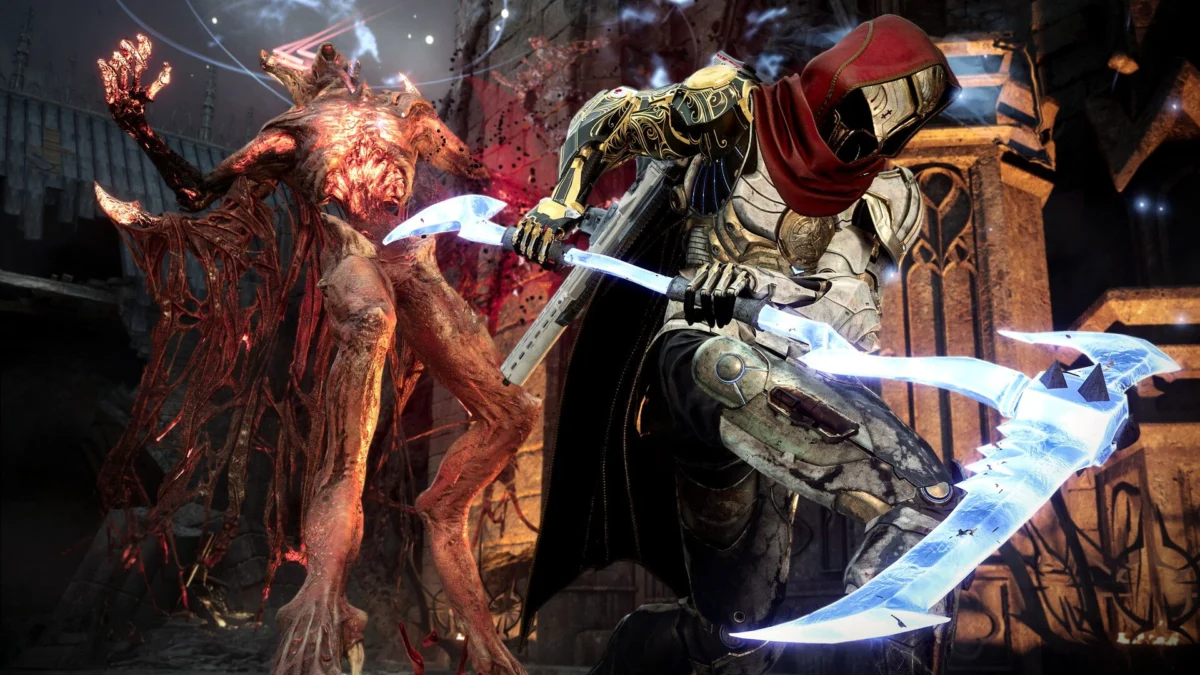
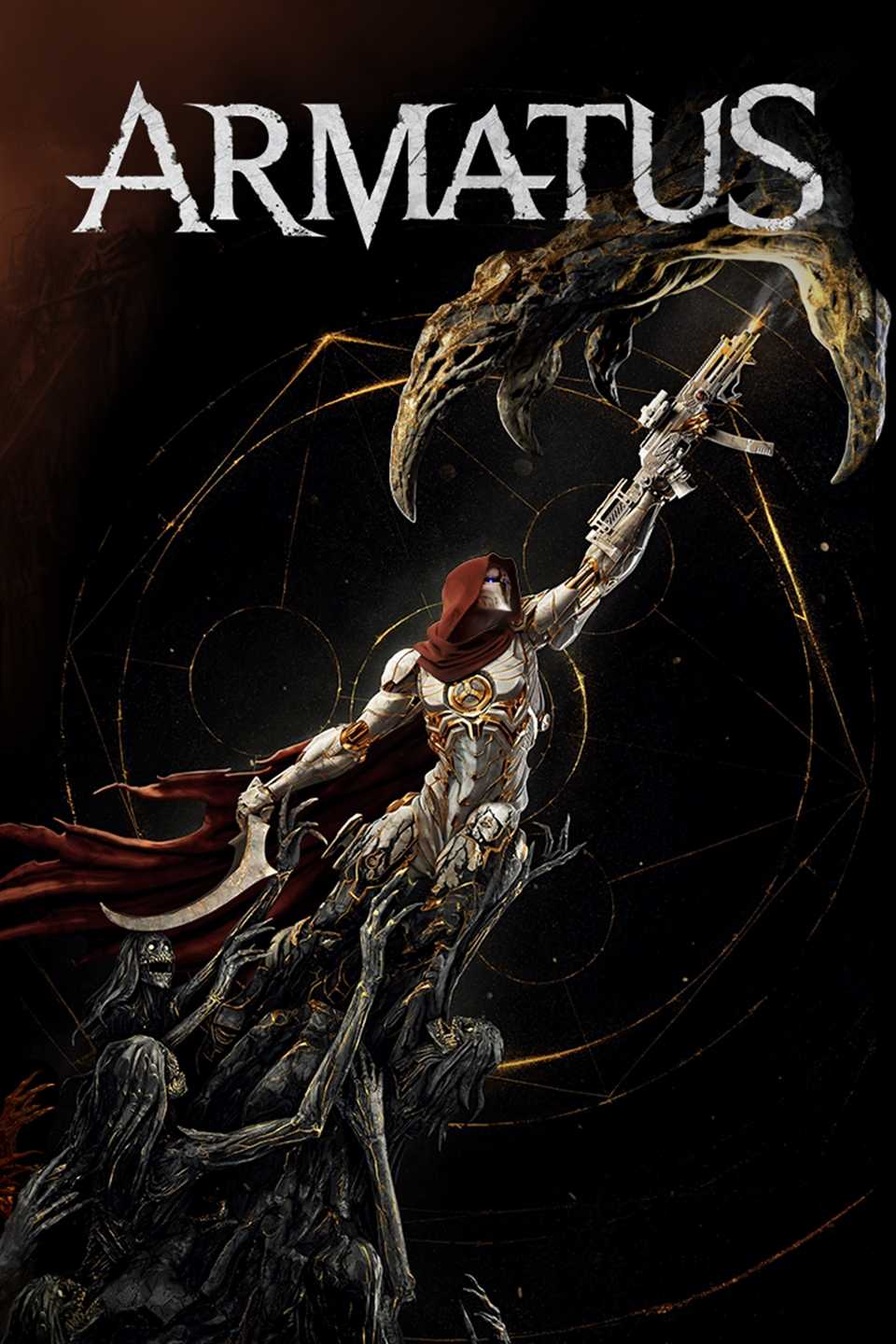
Four years after the release of the PlayStation 5 launch title Godfall, Counterplay Games has finally emerged from the shadows of development to unveil their next ambitious project: Armatus. Unveiled to the public at Summer Game Fest 2026, the title promises a dark, atmospheric descent into a demon-infested Parisian landscape. While the studio’s pedigree suggests high-fidelity action, Armatus represents a pivot toward the hyper-replayable, high-stakes world of the roguelite genre.
Main Facts: A New Chapter for Counterplay
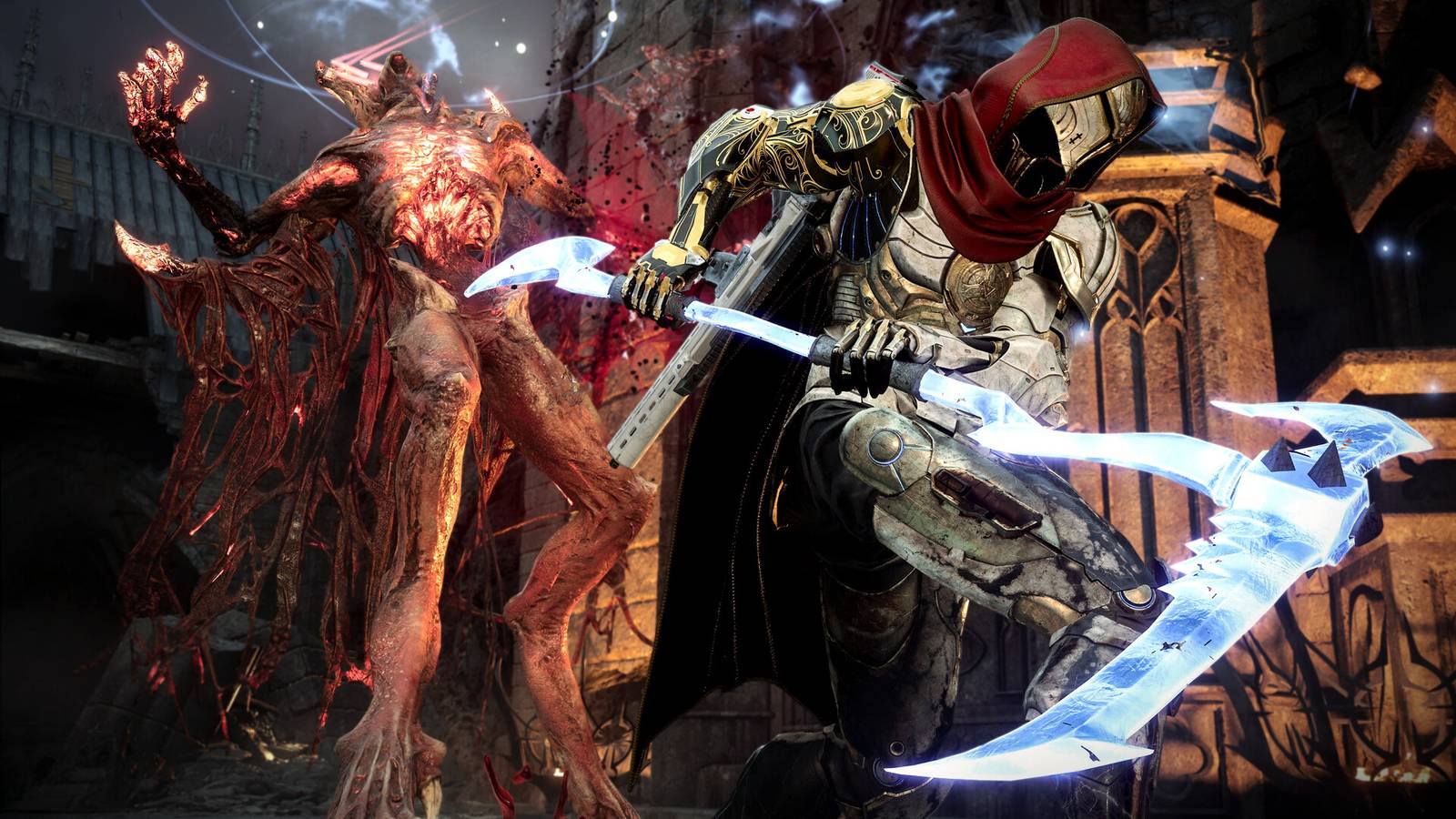
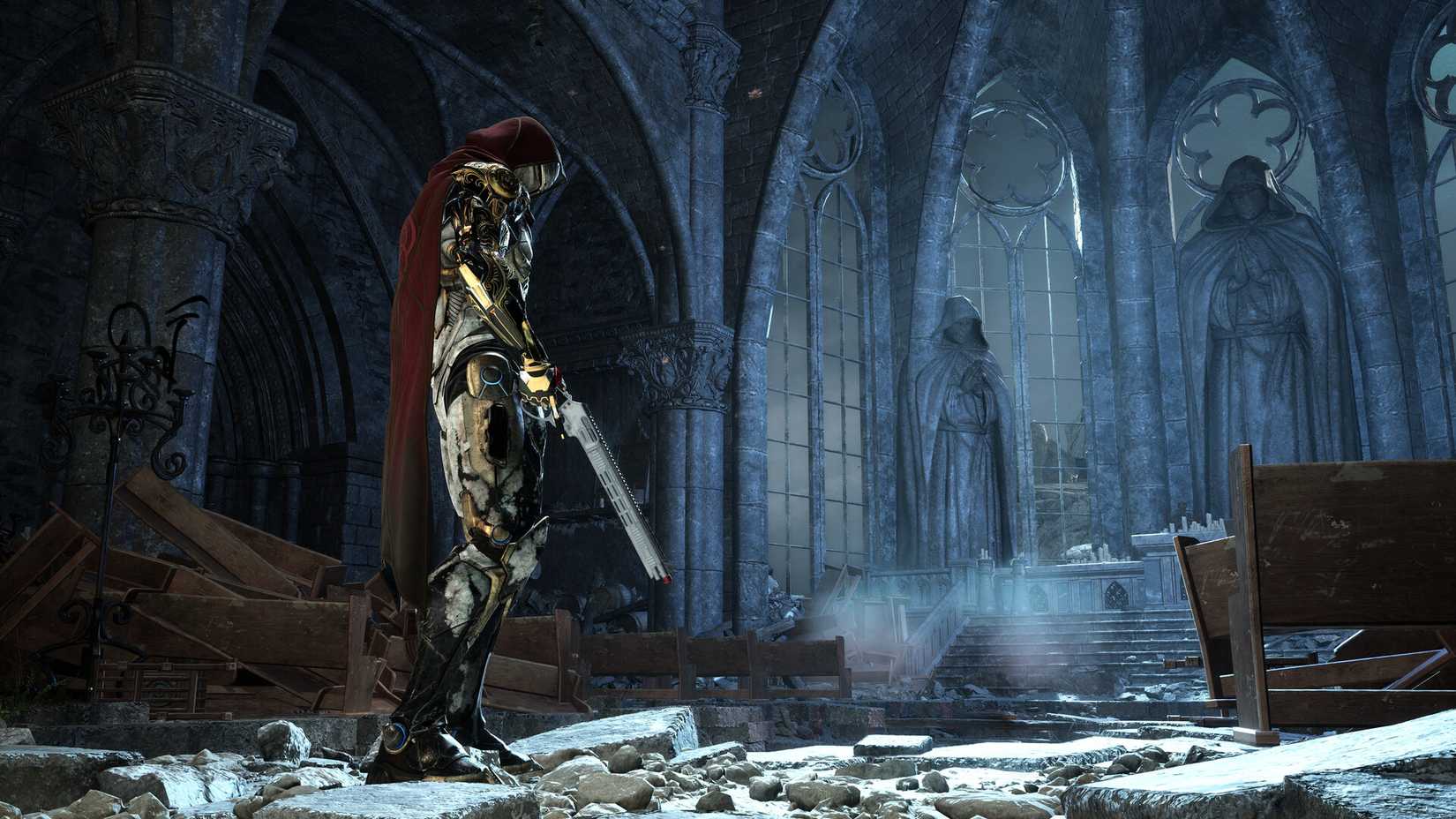
Armatus is a narrative-driven, third-person roguelite that casts players as a lone survivor navigating a decimated, surreal version of Paris. The city has been overrun by abyssal entities and demonic legions, creating a world where environmental storytelling is just as critical as the moment-to-moment combat.
The core gameplay loop centers on procedural generation. Players navigate shifting, hazardous rooms, tackling waves of monsters before pushing deeper into increasingly hostile sectors. Unlike many genre peers that prioritize "run-and-gun" mechanics, Armatus attempts to weave a consistent, lore-rich narrative into the roguelite framework. Even in death, the game persists, offering players glimpses into the history of the fall of Paris through cinematic interludes and persistent progression systems that carry over between runs.
Chronology: The Road to Summer Game Fest 2026
The trajectory of Counterplay Games has been defined by high-concept action titles. Since Godfall served as a technical showcase for the PlayStation 5, fans have been waiting to see how the team would refine their combat systems.
- 2020: Counterplay releases Godfall, gaining notoriety for its stunning graphical fidelity and "looter-slasher" mechanics.
- 2021–2025: The studio enters a period of relative silence, focusing on internal R&D and the conceptualization of their next title.
- Late 2025: Initial rumors begin to circulate regarding a "dark, demon-slaying" title in development under the codename Armatus.
- June 2026: Armatus is officially revealed at Summer Game Fest, with a playable demo showcasing the game’s combat mechanics, art style, and roguelite structure.
- Late 2026 (Projected): The title is scheduled for a full release, aiming to solidify its place in the crowded roguelite market.
The Roguelite Framework: Customization and Strategy
One of the most compelling aspects of Armatus is its deep customization suite. As players traverse the ruined streets of Paris, they are presented with a series of choices that dictate their build for the remainder of a run. These upgrades are not merely statistical buffs; they are fundamental modifications to the player’s kit.
For example, a player might opt for a grenade launcher modification that drastically increases explosive radius, or they might pivot toward "Celestial Passives." These passives introduce tactical depth, such as highlighting enemy weak points or granting life-steal opportunities upon specific trigger conditions. This system allows for significant variety; no two runs through the demonic infestation feel identical. The game effectively balances the immediate gratification of power-ups with the long-term strategic planning required to survive in the higher, more punishing tiers of the map.

The Gunplay: A Need for Refinement
While the atmosphere and roguelite structure are commendable, the current state of the game’s combat remains a subject of intense debate among those who experienced the demo. The shooting mechanics, while serviceable, currently lack the "weight" or "impact" that defined Counterplay’s previous work.
The protagonist is equipped with three primary abilities, but in the current build, these feel hampered by overly restrictive cooldowns. When the player is not relying on these special moves, the standard gunfire feels somewhat "loose," failing to provide the satisfying tactile feedback expected of a modern action-heavy roguelite.
Furthermore, the decision to apply a cooldown to the melee attack feels like an unnecessary friction point. In a game that forces the player into rapid, chaotic combat scenarios with swarms of enemies, the inability to consistently defend oneself at close range often leads to frustration rather than tactical tension. Players are frequently forced into hit-and-run tactics—which is standard for the genre—but the current cooldown management feels as though it disrupts the rhythm of the game rather than enhancing it.
Official Perspectives: The Studio’s Vision
During the Summer Game Fest demo, representatives from Counterplay Games emphasized that the build provided was a "work in progress" specifically designed to test the procedural generation and enemy scaling systems.
"We are looking for that perfect balance between the high-pressure combat of a roguelite and the narrative depth of an action RPG," noted a lead developer during the showcase. The studio is aware of the feedback regarding combat pacing. They emphasized that the "cooldown-heavy" feel was intentional for the early stages of the game, designed to encourage players to rely on their movement and environmental awareness before they unlock more powerful, ability-spamming builds later in the game.
The implication here is clear: Armatus is intended to be a game of progression, where the player feels significantly more powerful at the end of a run than at the beginning. However, the studio acknowledged that if the "early game" feels sluggish, it could alienate players before they reach the more satisfying, high-octane later stages.
Implications for the Industry
Armatus arrives at a pivotal moment for the roguelite genre. With the market saturated by indie darlings and AAA attempts alike, the competition is fierce. By attempting to marry a "strong, story-driven narrative" with the traditionally chaotic and repetitive nature of a roguelite, Counterplay Games is taking a significant risk.
If they succeed, they could create a new blueprint for how to tell a coherent, moving story within a genre that typically prioritizes systems over character development. If they fail to iron out the combat—specifically the feeling of the guns and the rigidity of the melee mechanics—the game risks being remembered as a "beautiful but hollow" experience.
Looking Ahead: The Path to Release
As we look toward the remainder of 2026, the potential for Armatus remains high. The dark, dreary aesthetic of a ruined Paris is visually striking, and the core roguelite mechanics show enough promise to keep players coming back for "one more run."
The challenge for Counterplay Games in the coming months will be fine-tuning the combat "feel." Adjusting cooldowns, increasing the impact of standard weapon fire, and perhaps re-evaluating the restrictions on melee combat could be the difference between a cult classic and a breakout hit.
The demo has effectively built anticipation, proving that Counterplay has a clear vision for a world that is as dangerous as it is beautiful. For now, we wait to see how the team incorporates the feedback from Summer Game Fest. If they can bake in the necessary polish, Armatus could very well be one of the defining titles of the second half of 2026. Keep your eyes on the horizon; the demons of Paris are waiting, and the fight is far from over.


 Asro
Asro
 Muslim