Suro Senen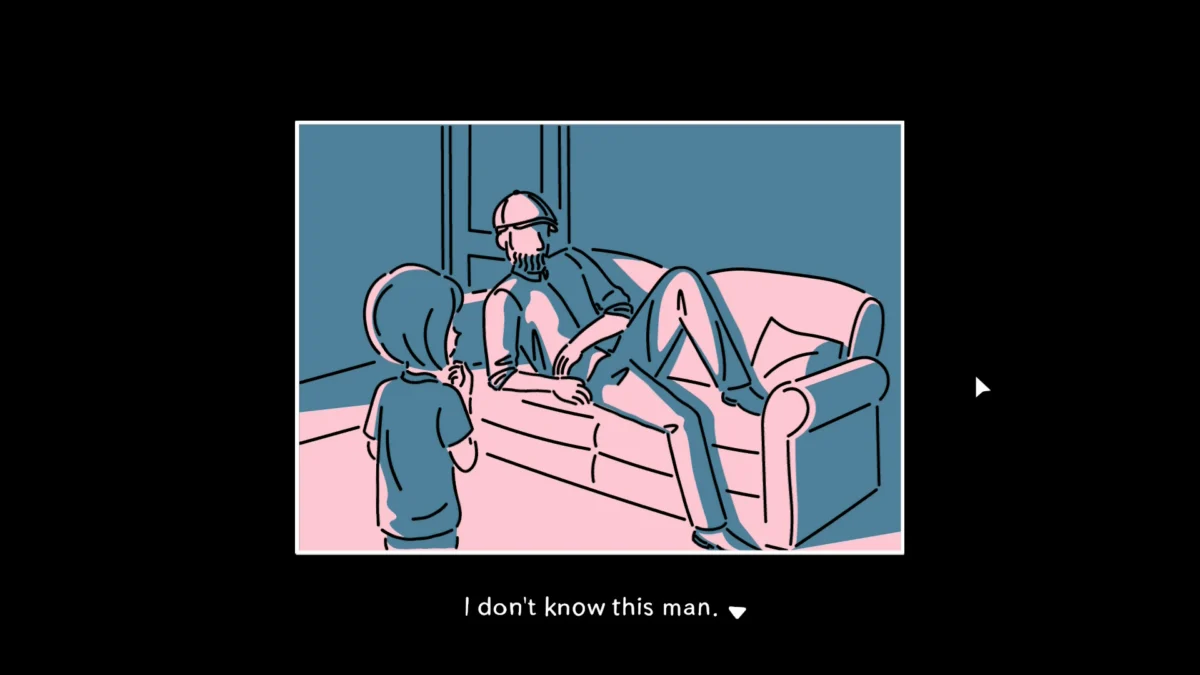
In an industry frequently dominated by massive open-world epics and high-octane competitive shooters, it is rare to encounter a title that demands so little of your time while leaving such a profound, lingering impact on your psyche. and Roger, the latest interactive narrative from developers yona and Yasuhiro Nakashima under the Tearyhand Studio banner, is exactly that: a small-scale, deeply intimate, and technically brilliant triumph that challenges the very boundaries of the visual novel genre.
Published by Kodansha, and Roger arrived on PC and Nintendo Switch in July 2025, but it has found a second, perhaps more refined life with its recent release on the Nintendo Switch 2, as well as iOS and Android platforms. Priced at a modest $4.99, the game is an accessible masterpiece that proves that high-concept storytelling does not require a triple-A budget—only a singular, unflinching vision.
The Core Experience: A Narrative Best Served Blind
To discuss and Roger in granular detail is to commit a disservice to the player. The game is designed to be experienced with no prior knowledge of its plot, themes, or specific mechanical twists. It is a narrative of discovery, spanning three distinct chapters over a runtime of approximately 90 minutes.

Because the game is so brief, it operates with a ruthless efficiency. There is no filler, no padding, and no unnecessary exposition. Every moment is intentional, and every design choice serves the overarching emotional arc. Whether you are a veteran of the visual novel genre or a newcomer who typically avoids interactive fiction, and Roger demands to be played. It is a rare instance where the "less is more" philosophy results in a pinnacle achievement for the medium.
Technical Evolution: The Switch 2 Advantage
While the initial 2025 release established the game’s foundation, the arrival of the Switch 2 version provides a polished, elevated experience. The hardware upgrade allows for a more fluid implementation of the game’s unique control scheme.
The title relies heavily on a point-and-click, click-and-drag interface. On the Switch 2, the newly refined mouse control compatibility—and the tactile precision of the console’s updated inputs—brings a new layer of fluidity to the interaction. When the game requires you to manipulate objects or navigate through its minimalist interface, the response is instantaneous. This lack of friction between the player’s intent and the game’s reaction is critical, as it keeps the player immersed in the protagonist’s headspace without the distraction of clumsy mechanics.

Artistry and Atmosphere: The Visual and Auditory Language
The visual identity of and Roger is arguably its most striking feature. Tearyhand Studio has opted for a hand-drawn aesthetic where every asset—from the primary characters and backgrounds to the smallest UI elements like knobs, buttons, and even the cursor—is animated frame-by-frame. This creates a cohesive, tangible world that feels like a living, breathing sketchbook.
Chromatic Storytelling
The game utilizes color theory with sophisticated intent. The narrative landscape is not static; it shifts in accordance with the protagonist’s emotional state. Happy memories are drenched in warm, inviting hues that make the player feel secure, while sour or traumatic recollections are chilled with a muted, stark palette that effectively conveys isolation and discomfort.
The Auditory Landscape
Complementing the visuals is a sound design that functions as a narrative engine in its own right. The audio cues are woven into the timeline with surgical precision. During moments of tension or when a visual anomaly intrudes upon the screen, the accompanying score—often a dissonant, instrumental arrangement—is designed to elicit a visceral reaction. It is common for players to report physical manifestations of anxiety, such as goosebumps or increased heart rates, perfectly synchronized with the shifts in the game’s tone.

Interactivity as an Empathy Machine
and Roger excels at using its interactive elements to bridge the gap between the player and the protagonist. The game employs comic book-style framing to manage the pacing, often keeping the player in a state of observation. However, when the game shifts to full-screen immersion, it signals a moment of critical player involvement.
The gameplay consists of:
- Slide Puzzles: These are not merely distractions but reflections of the character’s mental state, requiring the player to organize chaotic, fragmented thoughts.
- Stealth Sections: These emphasize the feeling of vulnerability and the constant, underlying fear of discovery.
- Rapid Button Presses: Used during moments of high stress, these sequences force the player to feel the panic of the protagonist.
The genius of the design lies in the moments when this agency is stripped away. By granting the player control during routine tasks, the game conditions them to feel like an active participant. When the game later removes that control during a pivotal emotional beat, the resulting sense of helplessness is amplified, effectively forcing the player to experience the protagonist’s lack of agency firsthand.

Chronology of Release
- July 21, 2025: Initial global launch for PC and Nintendo Switch.
- June 18, 2026: Expanded release for Nintendo Switch 2, iOS, and Android platforms, introducing refined control schemes and platform-specific optimizations.
Critical Reception and Industry Implications
The reception of and Roger has been overwhelmingly positive, particularly among critics who value experimental storytelling. By bending the conventional rules of the visual novel format, the developers have created a blueprint for how to handle mature, heavy, and relatable themes without resorting to melodrama.
The game’s success suggests a shifting market appetite. Players are increasingly seeking shorter, high-impact experiences that respect their time. At a $4.99 price point, and Roger is positioned as a low-risk, high-reward investment, making it an ideal candidate for those looking to support indie developers who prioritize quality and emotional depth over endless grinding or microtransactions.
A Final Reflection on the Human Condition
Ultimately, the strength of and Roger lies in its universal themes. While the specific plot beats remain a secret for the sake of the player’s experience, the core of the story touches on loss, memory, and the struggle to maintain control in a world that often refuses to cooperate.

That the game can elicit genuine, tearful responses from players who do not share the protagonist’s specific history is a testament to the power of the medium. and Roger is more than just a game; it is an empathy machine. It places the player squarely in the shoes of another, forcing them to confront the same haunting realizations and the same bittersweet memories.
In an era where "masterpiece" is a term often thrown around to describe big-budget spectacles, and Roger earns the title through simplicity, heart, and a flawless execution of its singular vision. It is a short, sharp, and essential experience that cements its place as the pinnacle of the modern visual novel genre. Whether you are playing on the go with a mobile device or sitting down with the Switch 2, ensure you take the time to see what all the acclaim is about—but remember, go in completely blind. The experience is worth it.


 Asro
Asro
 Muslim