Nila Kartika Wati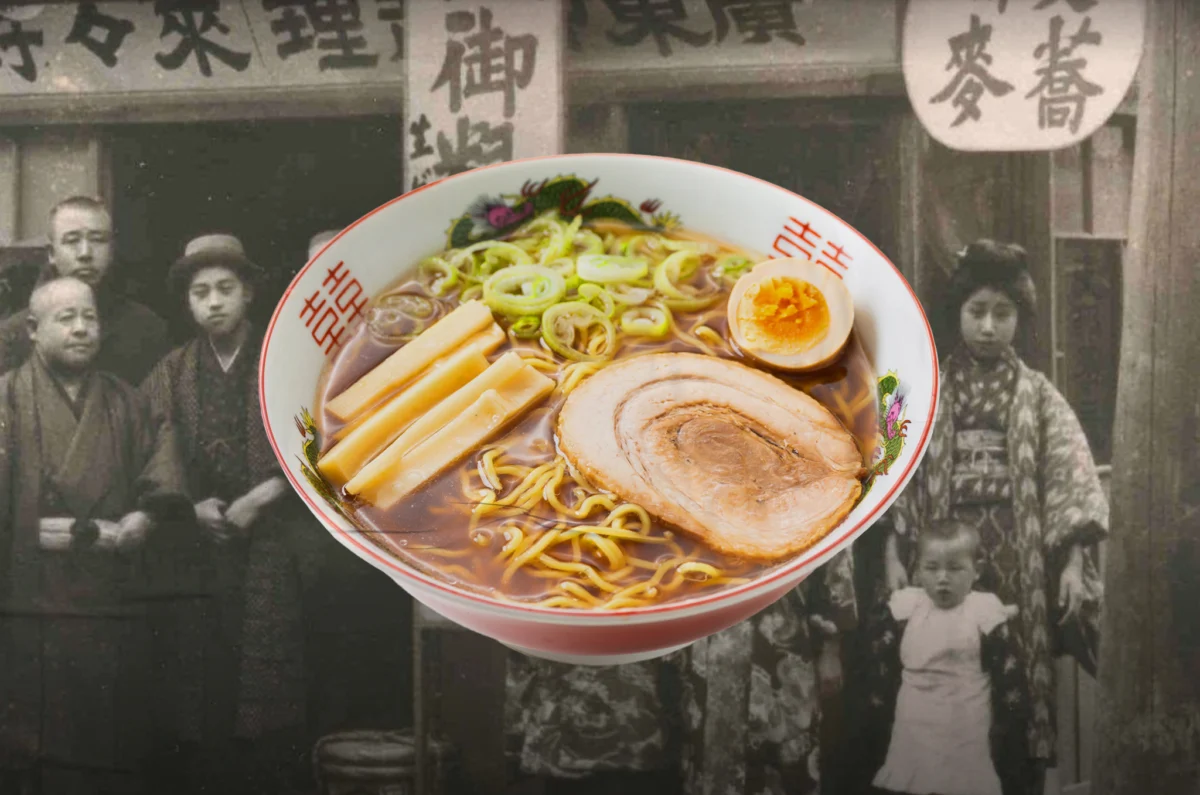
For many international travelers arriving in Japan, the culinary landscape is a labyrinth of unfamiliar terms. One of the most frequent points of confusion occurs when a visitor orders chuka soba, fully expecting the earthy, nutty aroma and distinct snap of traditional buckwheat soba noodles. Instead, they are often served a steaming bowl of alkaline wheat noodles submerged in a savory, aromatic broth—a dish they immediately recognize as ramen.
The cognitive dissonance is understandable. The word "soba" is literally in the name, yet the dish is a far cry from the mountainous, rustic buckwheat staple. This naming convention is not merely a linguistic quirk; it is a historical artifact of Japan’s evolving relationship with its own identity, its neighbors, and the complex geopolitical shifts of the 20th century. To understand why ramen is frequently called chuka soba—or why it is labeled "soba" at all—we must peel back the layers of history, from feudal-era legends to the post-war political landscape.
The Origin Myths: Distinguishing Fact from Folklore
The history of ramen in Japan is often clouded by two competing origin myths, both of which serve to "nationalize" the dish, effectively grafting it onto the Japanese culinary tree to provide it with a deeper, more domestic pedigree.
The Keitaimen Theory
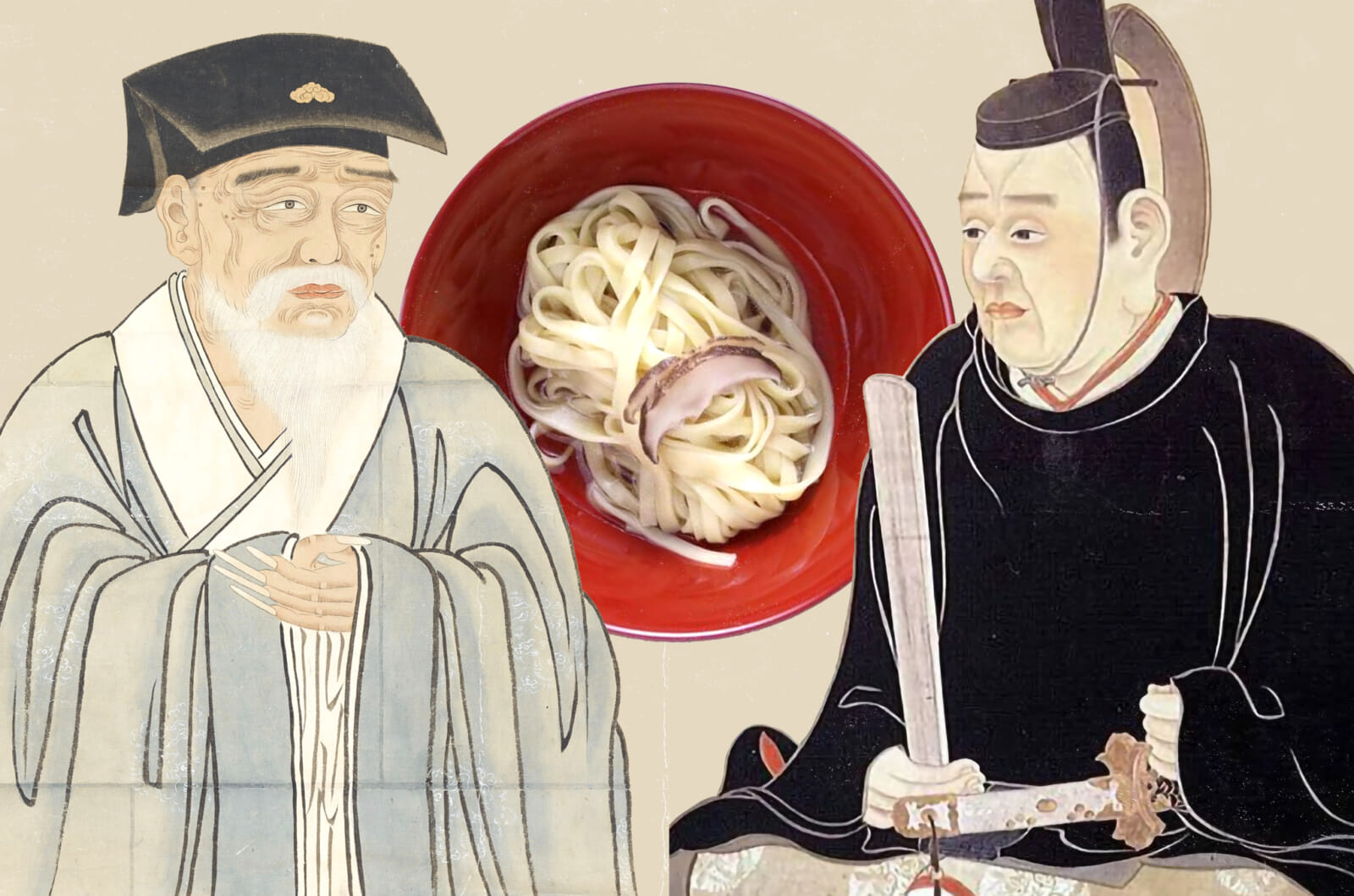
The first narrative traces the dish to the 15th century, specifically to the Inryoken residence within the grounds of Shokokuji’s Rokuonin subtemple in Kyoto. Records from 1488 mention keitaimen, a dish whose name translates roughly to "noodles cut like a sutra sash." Proponents of this theory point to the use of alkaline water—a key component in giving modern ramen noodles their signature elasticity and golden hue—as evidence that ramen is a centuries-old Japanese invention.
The Tokugawa Mitsukuni Legend
The second, perhaps more romanticized, theory involves the 17th-century lord Tokugawa Mitsukuni. According to this account, the lord was advised by Zhu Shunshui, a Ming loyalist and Chinese refugee, to incorporate Chinese-style aromatics—garlic, ginger, and scallions—into his traditional dashi-based udon.
While these stories are charming, culinary historians generally reject both as the "true" origins of ramen. Most scholars view these accounts as retroactive attempts to sanitize the dish’s foreign heritage. By framing ramen as an evolution of existing Japanese traditions, these myths helped domesticate a dish that, in reality, arrived on Japanese shores through much more modern, mercantile channels.
The Yokohama Port: Where East Met West
The verifiable history of ramen begins not in a Kyoto temple, but in the bustling, chaotic streets of 1859 Yokohama. Following the opening of Japan’s ports, Yokohama transformed from a quiet fishing village into a thriving international hub. It was here that Chinese immigrants introduced lamian (or la-mien) to the Japanese populace.
Lamian, a northern Chinese specialty, consists of hand-pulled wheat noodles served in a light, clear broth. To the Japanese palate of the late 19th century, these noodles were an exotic novelty. They were initially sold as Nankin soba (Nanjing noodles). The use of the word "soba" was purely utilitarian—a way for Japanese consumers to categorize the dish using their existing, limited vocabulary for noodles. At this stage, there was no attempt to hide the dish’s Chinese roots; the name "Nankin" was intended to highlight its exotic, imported nature, elevating it above the status of mere labor-class sustenance.
1910: The Birth of the Modern Ramen Bowl
The transformation from "foreign novelty" to "Japanese staple" crystallized in 1910 at the Rai-Rai Ken restaurant in Tokyo. By hiring cooks from Yokohama’s burgeoning Chinatown, the restaurant owners successfully adapted the base Chinese noodle concept to the Japanese palate.
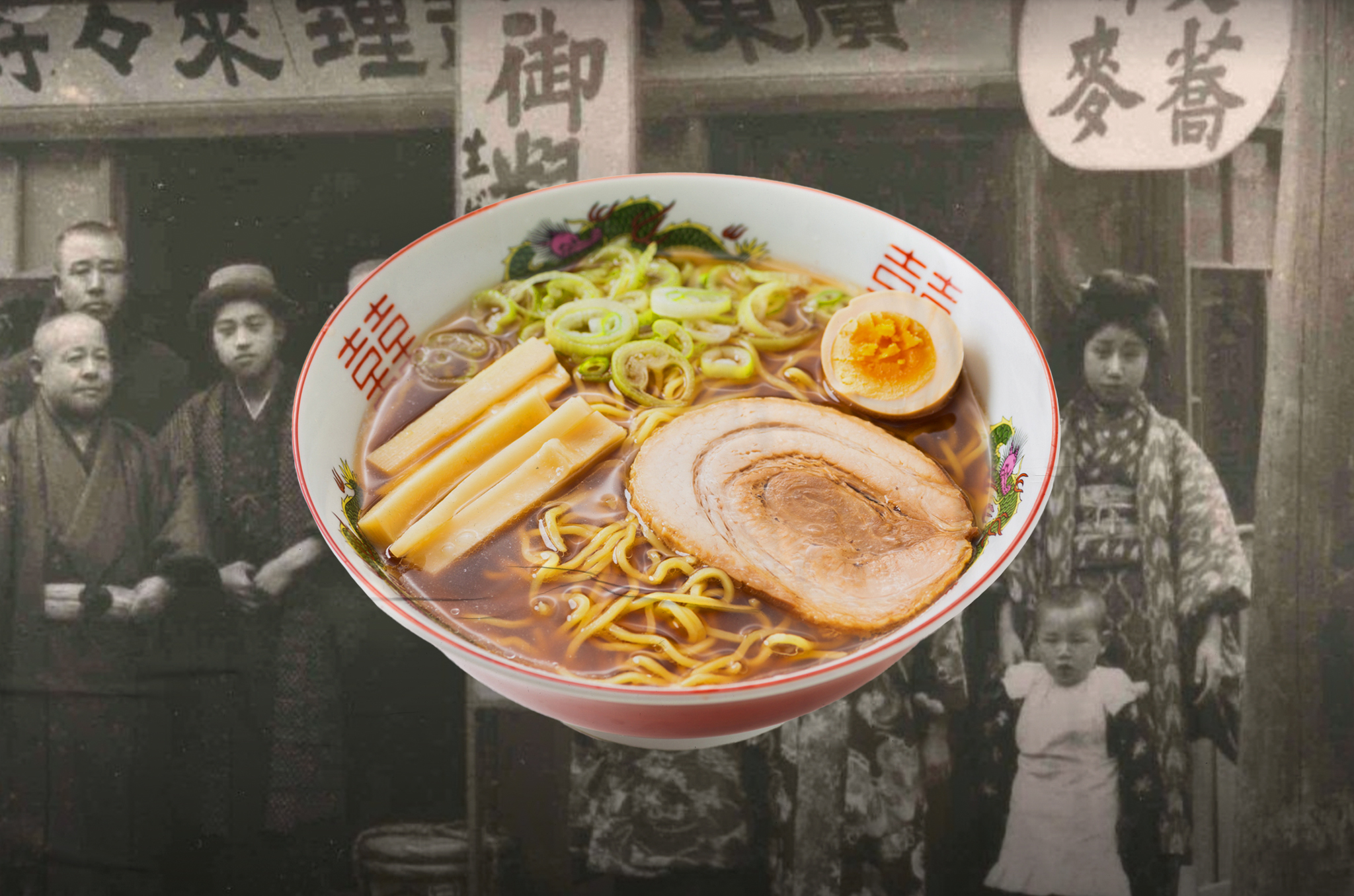
They introduced soy sauce as a seasoning base, added char siu (barbecued pork), boiled spinach, fish cakes, and nori. This was the blueprint for the ramen we know today. However, in an era defined by imperial expansion and rising nationalism, the dish was branded as Shina soba. The term Shina—a pre-war, often derogatory term for China—carried heavy political weight. By labeling it Shina soba, the Japanese public effectively signaled that this was no longer a Chinese dish; it had been "tamed" and claimed by Japan.
Post-War Reckoning and the Humanitarian Compromise
Following Japan’s defeat in World War II, the linguistic landscape shifted once more. The term Shina was officially scrubbed from government usage, as it was indelibly linked to the era of colonial aggression. Consequently, Shina soba was rebranded as chuka soba (Chinese soba). This shift was intended to move away from the colonial undertones of the previous name, opting for a term that felt more respectful of Chinese culture.
However, even the term chuka (Chinese) became sensitive during the tense social climate of the postwar recovery. It was during this period that the name "ramen" began to gain traction. The adoption of "ramen" was a quiet, almost subversive humanitarian compromise. By using a phonetic derivation of lamian or lo mein, shop owners sought to protect the Chinese cooks who were still the primary masters of the craft from the racial tensions that permeated the era.
Implications: The Politics of the Bowl
The modern ramen landscape is a testament to the fact that food is never just food; it is a mirror of political history. Today, the regional variations—from the dense, heavy iekei pork-bone broths of Yokohama to the delicate shio ramens of Hakodate—are definitively Japanese culinary achievements. Yet, these innovations stand on a foundation that remains stubbornly, and importantly, Chinese.
Why "Chuka Soba" Still Matters
Some contemporary chefs and purists argue that chuka soba is actually the more honest term. While it may confuse tourists who are looking for buckwheat, it acts as a permanent, honest, and humble admission of the dish’s roots. It serves as a reminder that the Japanese culinary canon is not a closed system, but one that has been enriched by constant dialogue with the outside world.
The Evolution of Identity
The journey from Nankin soba to Shina soba to chuka soba and finally "ramen" reflects Japan’s own journey through the 20th century. It is a story of nationalization, colonial pride, postwar reconciliation, and eventually, global culinary dominance.
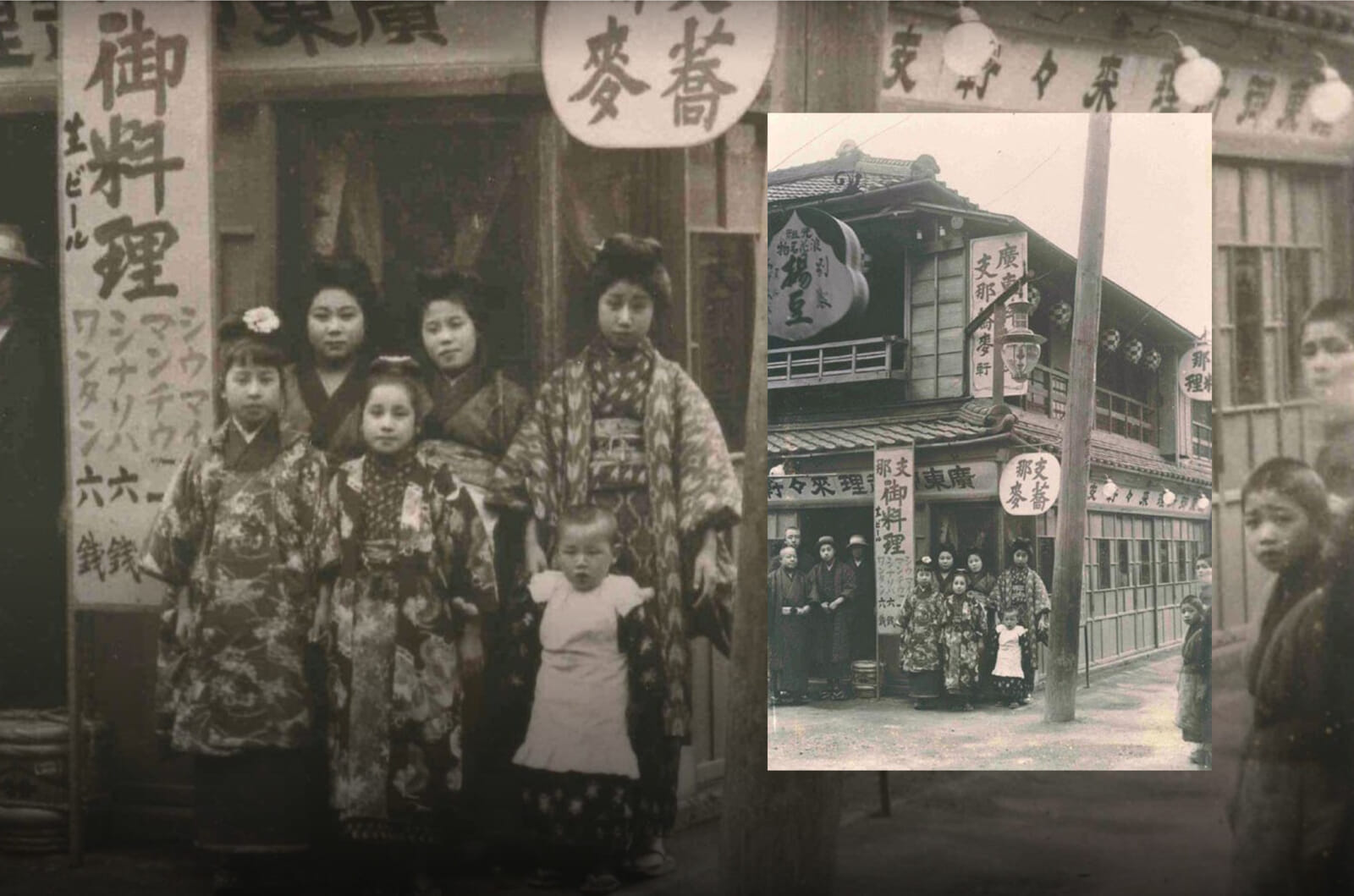
When we look at a bowl of ramen today, we aren’t just looking at wheat, water, and broth. We are looking at a century-long negotiation of identity. The term "ramen" has become a global brand, synonymous with Japanese culture, but the persistence of the term chuka soba in menus across the country serves as a vital, necessary bridge to the past. It is an acknowledgement that the "Japanese staple" is, at its heart, a beautiful, evolving collaboration between two cultures.
As ramen continues to evolve—with vegan broths, fusion ingredients, and global reinterpretations—the history behind the name remains a critical component of the experience. The next time you find yourself in a tiny chuka soba shop in Tokyo, take a moment to appreciate the terminology. You aren’t just ordering lunch; you are participating in a conversation that began in the ports of the 19th century and has been simmering in the cultural pot ever since.
Chronology of Ramen’s Evolution
- 1488: Earliest records of keitaimen (sutra-sash noodles) in Kyoto.
- 17th Century: Tokugawa Mitsukuni introduces Chinese aromatics to udon; the legend is born.
- 1859: Yokohama port opens; lamian is introduced by Chinese immigrants as Nankin soba.
- 1910: Rai-Rai Ken in Tokyo opens, standardizing the modern ramen bowl and adopting the term Shina soba.
- 1945–1950: Post-war government mandates remove the derogatory Shina label; chuka soba becomes the standard term.
- 1950s–Present: The word "ramen" emerges as the dominant, culturally neutral term, while chuka soba remains as a nod to tradition.
Conclusion
Ramen is more than just a dish; it is a historical document written in soup and noodles. The tension between its Chinese origins and its Japanese evolution is what gives the dish its depth, both in flavor and in significance. By understanding the linguistic history behind the "soba" misnomer, we gain a much clearer picture of how Japan has interacted with the world over the last 150 years—one bowl at a time.


 Neng Nana
 Asro
Asro