Muslim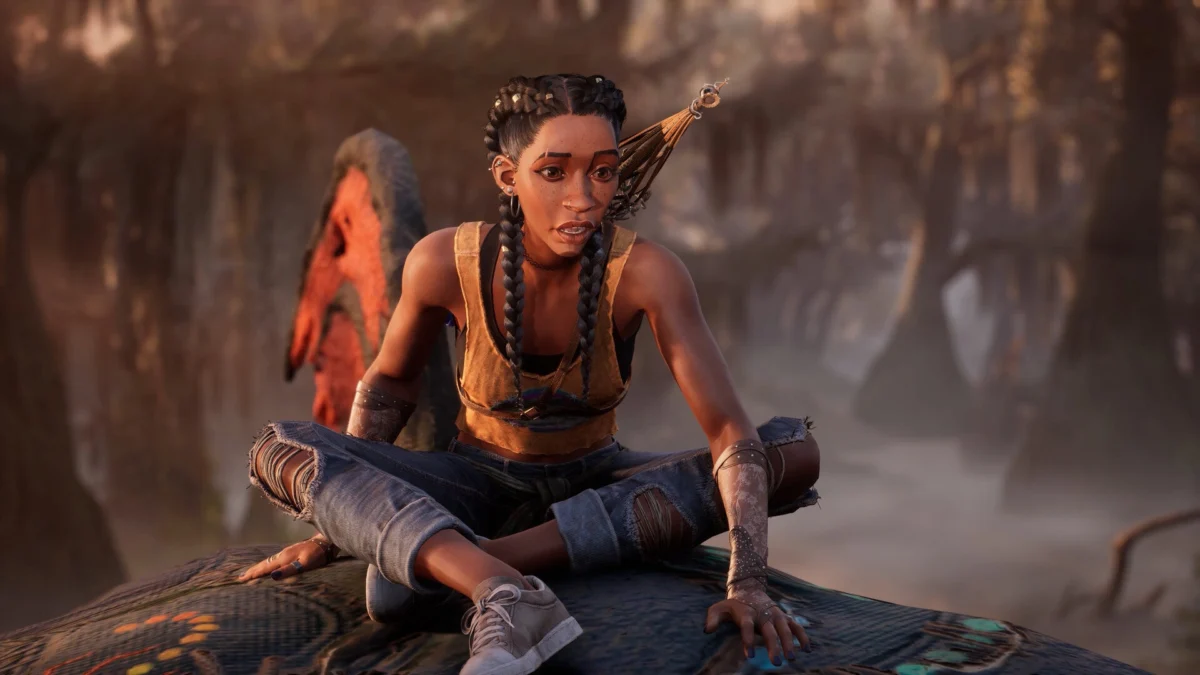
As the gaming industry braces for a summer of potential upheaval, the atmosphere at Xbox Game Studios has shifted from one of creative anticipation to profound professional anxiety. Reports have emerged suggesting that a significant restructuring effort—often described by industry insiders as a "bloodbath"—is scheduled to commence in July. At the heart of this uncertainty lies Compulsion Games, the studio behind the upcoming South of Midnight, where leadership has reportedly granted employees early permission to seek new employment, effectively sounding an alarm for staff before official layoff notices have even been served.
The Early Exodus: A Preemptive Response to Corporate Restructuring
The most visible sign of the impending crisis is the sudden, concentrated wave of activity on professional networking platforms. Over the past several days, a notable number of developers at Compulsion Games have updated their LinkedIn profiles, marking themselves as "open to work" and sharing poignant farewell-style messages regarding their tenure at the studio.
Among those who have publicly announced their search for new opportunities are writer and narrative designer Bijan Stephen, principal level designer Mike Sklavounos, principal game designer Cameron McGrory, technical animator Ines Bouakkaoui, and dialogue designer Sean Miller.
In his LinkedIn post, Bijan Stephen expressed a mix of professional pride and bittersweet closure: "After a couple of wonderful years at Compulsion Games (Xbox Game Studios), I’m looking for my next opportunity. I’m very grateful for my time there, and for what it taught me: how to be a better collaborator, how to be more open to change, and how to go from concept to execution at a high level."
These messages, while framed with the grace and professionalism characteristic of the games industry, act as a clear indicator of a studio preparing for a forced downsizing. Industry journalist Jason Schreier, reporting on the situation via Reddit, clarified the timeline of these events: "Xbox’s layoffs are not beginning until early July. What happened at Compulsion is that studio leadership gave their employees permission to openly look for work because they almost certainly will be losing their jobs then. Nobody has been laid off yet."
Chronology of the Xbox Consolidation Crisis
To understand why Compulsion Games finds itself in this precarious position, one must look at the broader, volatile landscape of Microsoft’s gaming division over the past year.
- Early 2024: Following the completion of the Activision Blizzard acquisition, Microsoft Gaming CEO Phil Spencer and his leadership team began signaling a shift in strategy. The company emphasized a need to address "over-extended" resources and prioritize profitability across its massive portfolio of studios.
- May 2024: Reports surfaced indicating that Microsoft was actively evaluating the future of several of its acquired studios. The discourse quickly shifted from potential internal reorganization to the possibility of outright closures or the spinning off of teams into independent entities.
- June 2024: As the industry approached the midpoint of the year, rumors solidified. It became clear that Compulsion Games, alongside other storied developers like Ninja Theory (creators of Hellblade) and Double Fine (the team behind Psychonauts), were engaged in high-stakes negotiations regarding their survival.
- Late June 2024: With the "July trigger" date approaching, leadership at Compulsion Games made the difficult decision to allow their workforce to start the job-hunting process early, prioritizing their employees’ livelihoods over the standard, cold corporate separation process.
Supporting Data: The Scale of the Industry Downturn
The situation at Compulsion Games is not an isolated incident; it is a microcosm of a larger, systemic crisis currently plaguing the interactive entertainment sector.
Throughout 2023 and the first half of 2024, the gaming industry has seen a staggering number of job losses. Data from various labor tracking sources suggests that over 10,000 developers have been laid off across the industry in the last 18 months. This trend, driven by a combination of post-pandemic market corrections, inflated production budgets, and shifting consumer spending habits, has left even high-performing studios vulnerable to corporate cost-cutting measures.
At the center of this is the "Xbox Game Studios" umbrella. While Microsoft maintains a massive library of intellectual property, the cost of developing modern "AAA" titles has skyrocketed. When corporate parent companies view these costs as unsustainable, they often look toward headcount reduction as the most immediate "lever" for improving quarterly financial performance. For developers, this often results in a cycle where creative talent is sacrificed to protect the bottom line, despite the long-term impact on the studio’s institutional knowledge and creative culture.
Official Responses and Corporate Silence
As of this writing, Microsoft has not released an official statement confirming specific closure plans for Compulsion Games. This silence is typical of the pre-announcement phase of corporate restructuring, where legal and HR teams carefully curate communication to avoid premature litigation or market panic.
However, the lack of a denial—combined with the active, informed warnings from trusted industry journalists—speaks volumes. When studio leadership grants employees permission to look for work, it is a de facto admission that the studio’s current business model under the Xbox umbrella is no longer sustainable. Whether this results in a full closure or a transition to an independent studio model remains the primary subject of speculation among those affected.
The Implications: What This Means for the Future of Gaming
The situation unfolding at Compulsion Games carries significant implications for the broader industry:
1. The Death of the "Mid-Size" Studio Model
Compulsion Games has long been celebrated for its unique, idiosyncratic titles. If studios like this are forced to close or spin off due to the pressures of being owned by a tech giant, it suggests a narrowing of the industry’s creative output. The "middle-tier" of gaming—studios that aren’t quite massive, multi-thousand-person outfits but are larger than indie teams—is increasingly becoming the first casualty of corporate consolidation.
2. The Human Cost of "Strategy"
While executives speak in terms of "synergy" and "portfolio optimization," the reality for developers is profound instability. The decision by Compulsion’s leadership to give staff a head start on their job search is an act of empathy that highlights the lack of security in modern game development. It underscores a harsh truth: even the most talented developers, working on highly anticipated projects, are susceptible to shifts in corporate sentiment.
3. The Future of South of Midnight
For fans of the studio, the immediate question is the fate of South of Midnight. If the studio is shuttered, does the game move to another team? If the studio becomes independent, will they retain the rights to the IP? These are questions that will likely be answered in the coming weeks, but they highlight the fragility of game development in the modern era. When a studio’s survival is tied to the whims of a parent corporation, the products they create are always at risk of being orphaned.
Conclusion: A Moment of Solidarity
As the industry waits for the July deadline, the focus must remain on the individuals at the center of this transition. The developers at Compulsion Games have demonstrated immense skill and dedication in their work, and the current uncertainty is a reflection of corporate structural issues rather than a lack of creative merit.
The coming weeks will likely be difficult for everyone involved. For now, the most crucial takeaway is the importance of supporting these developers as they navigate this transition. Whether they remain at Compulsion, move to new studios, or help build a new, independent future, their contributions to the medium remain significant. The "July bloodbath," if it comes to pass, will be remembered not just as a financial footnote, but as a moment where the human cost of the modern gaming industry’s growth-at-all-costs philosophy was made painfully, undeniably clear.


 Asro
Asro