Muslim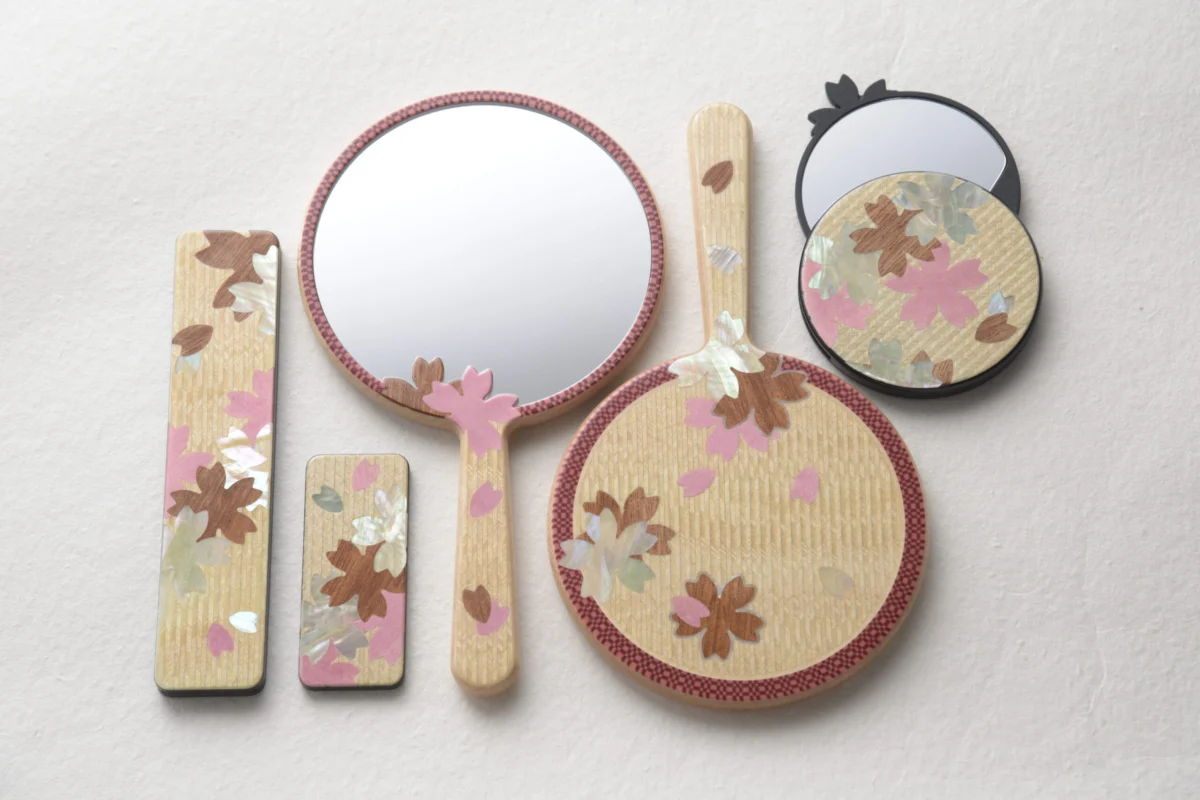
Japan’s reputation for excellence is not merely a product of industrial efficiency; it is a cultural mandate. From the meticulous preparation of a bowl of noodles to the precision of a hand-inlaid mirror, the Japanese ethos of monozukuri—the art of making things—is deeply rooted in the concept of omotenashi. This philosophy, often translated as "hospitality," goes beyond service; it is the practice of anticipating needs and providing an experience of profound quality and sincerity.
The Omotenashi Selection serves as a gateway to this world, curating products that represent decades, sometimes centuries, of refinement. By highlighting six distinct items, the organization underscores how tradition can thrive in the contemporary landscape.
The Philosophy of Refinement: Main Facts
The Omotenashi Selection represents a movement to preserve the integrity of Japanese manufacturing. In an age of mass production, these items stand as evidence that the "human touch" remains irreplaceable. The six selected products—ranging from artisanal confectionery to sustainable, raw honey—share a common thread: they are not merely functional; they are manifestations of a deep, patient mastery.
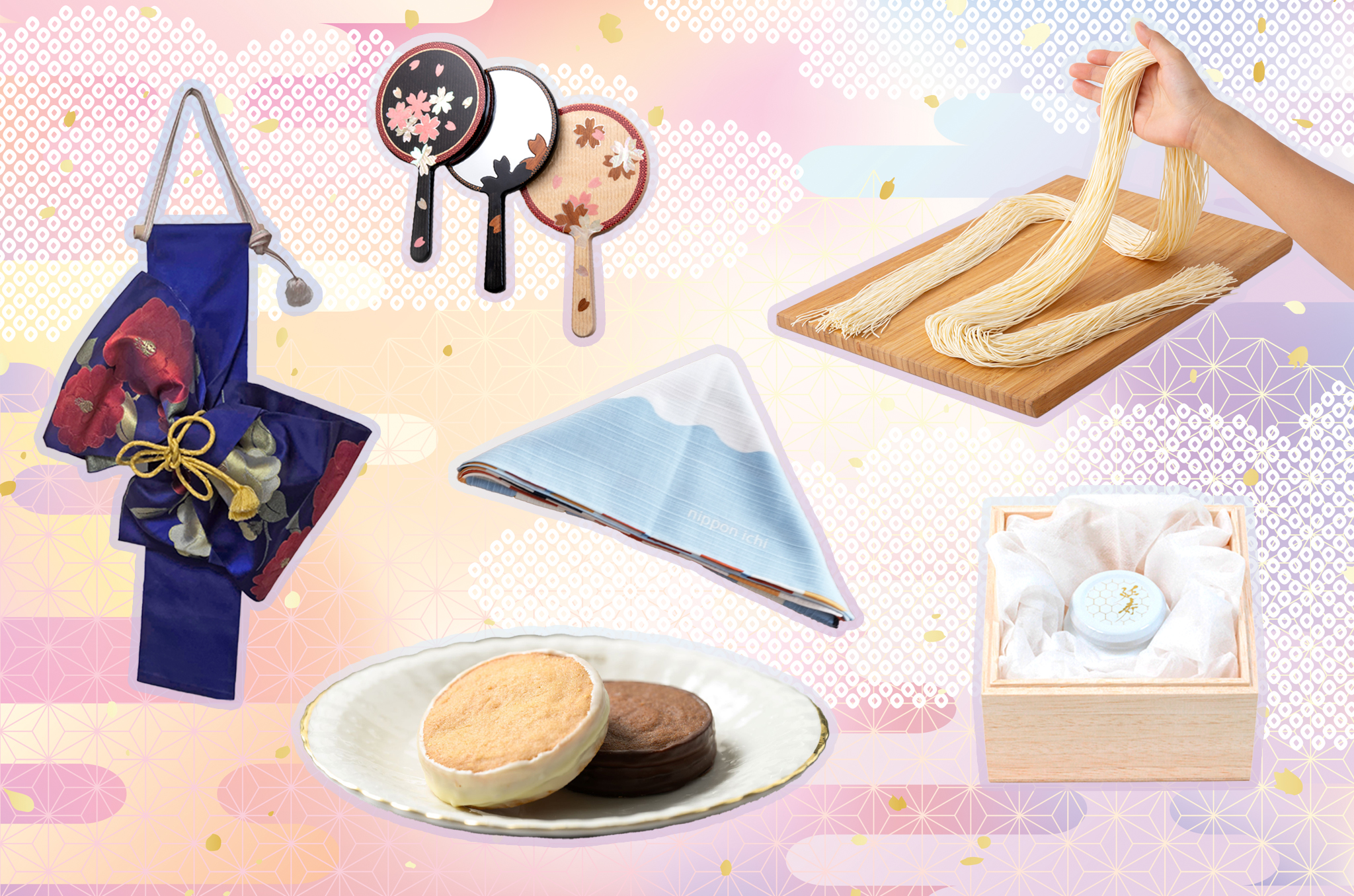
The selection process is rigorous, focusing on items that demonstrate not only technical skill but also a narrative quality. Whether it is the 230-year-old technique behind a strand of somen or the sustainable, winter-aged collection of raw honey, every item is chosen for its ability to convey the essence of Japanese culture to a global audience.
A Chronology of Mastery
The items showcased this year span centuries of history, illustrating a timeline of Japanese ingenuity:
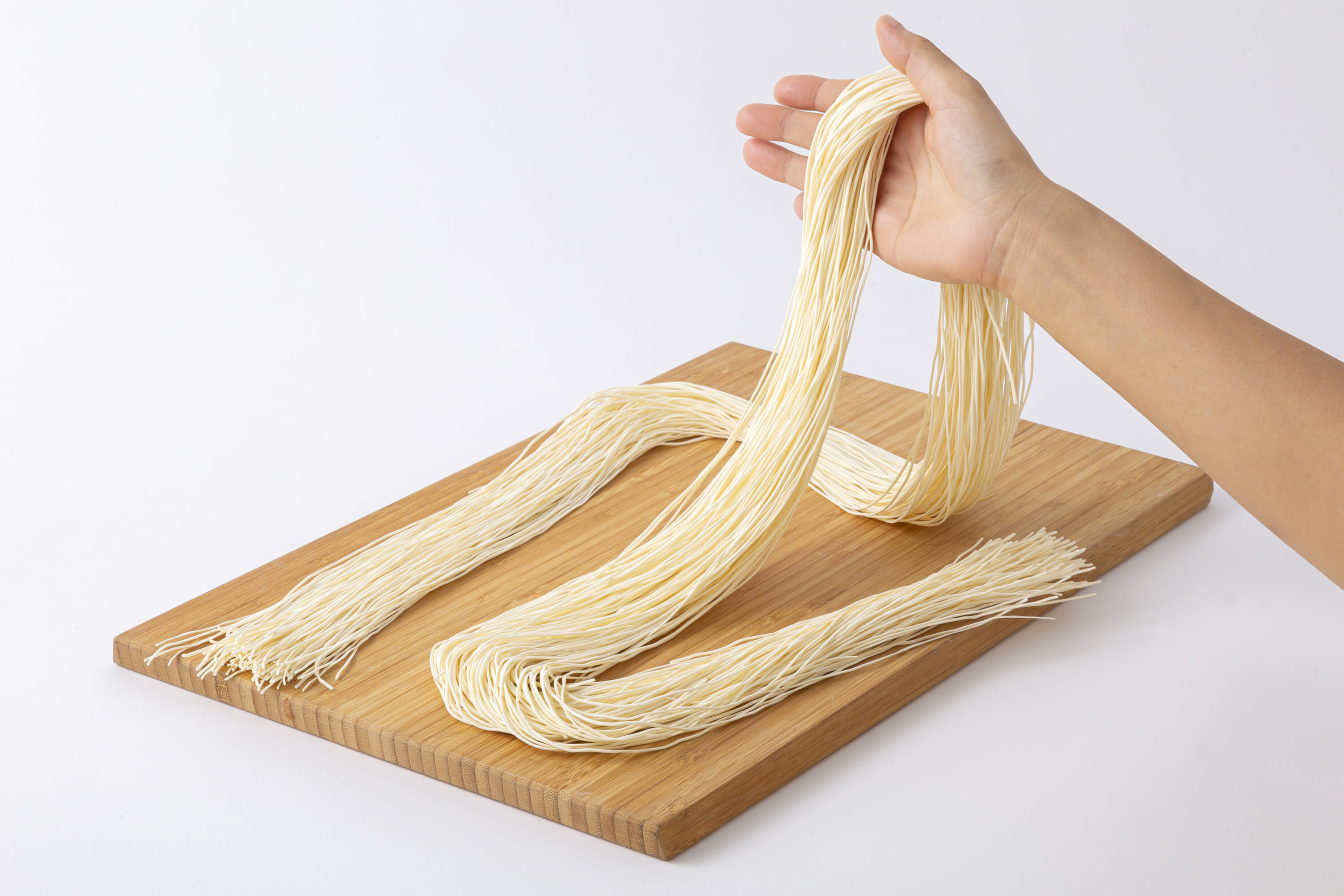
- 18th Century (The Foundation): The Izumi tenobe (hand-pulling) method, used by Tatsumimenten, dates back over 230 years. It serves as the bedrock for the company’s Tenobe Hannama Naga Somen, proving that ancient gluten-management techniques remain superior to modern mechanical extrusions.
- Late 19th Century: The Yokohama Nassen dyeing technique emerged during the city’s silk-export boom. Hamamonyo continues this tradition, maintaining standards of quality comparable to the world-renowned silk-dyeing houses of Como, Italy.
- 1971: Pearlmontdore was founded, marking the start of a half-century of yogashi (Western-style sweets) innovation, which has now evolved into their signature "Monderika" line.
- Present Day: The rise of sustainable, small-batch initiatives, such as the harvesting of Japanese honeybee nectar in remote mountain ranges, represents the modern frontier of luxury craft.
Supporting Data: Why These Items Matter
The strength of these products lies in their technical specifications and the specific environmental or historical contexts in which they are produced.
The Science of Flavor: Pearlmontdore
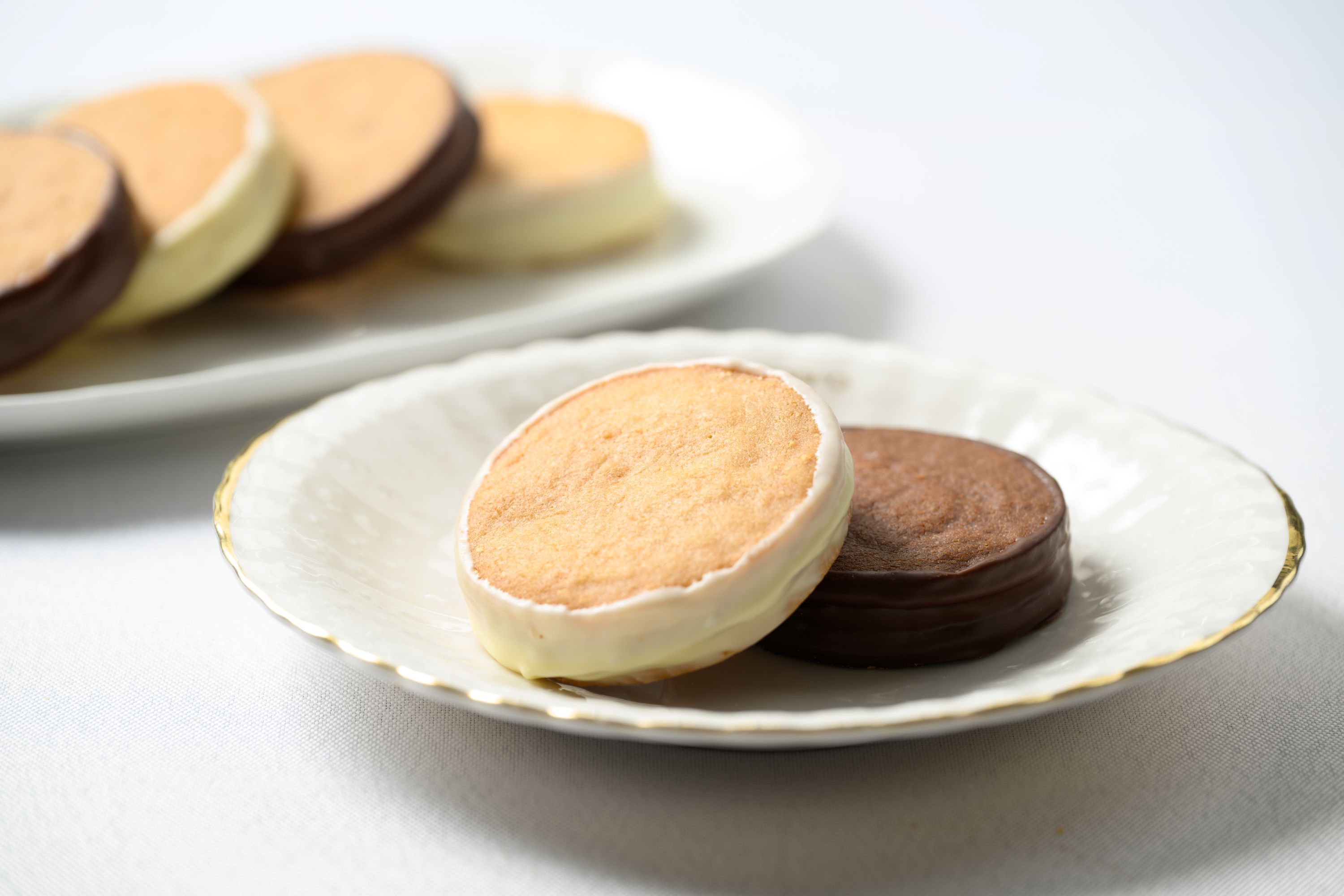
Pearlmontdore’s success is built on a willingness to experiment with chemistry. Their signature raisin sandwich, for instance, replaces standard fresh cream with a sesame-oil-based white chocolate filling. This substitution achieves a lighter, more refined mouthfeel while maintaining a deep richness. This data-driven approach to flavor—balancing the fatty acids of sesame with the sweetness of chocolate—is why their yogashi remains a gold standard.
The Physics of Texture: Tatsumimenten
The "bite" of a noodle is a matter of protein structure. Tatsumimenten’s Tenobe Hannama Naga Somen achieves a length of over 200 meters through manual labor. This repeated kneading and pulling creates a complex gluten network that cannot be replicated by machines, which often shear the protein chains. The International Taste Institute’s "Three-Star Superior Taste Award" serves as independent verification of the superior texture produced by these traditional methods.
Sustainable Ecosystems: Enju Honey
The rarity of Enju honey is rooted in the biological limitations of the Nihon-mitsubachi (Japanese honeybee). These bees produce only 10% of the honey of their European counterparts. However, the resulting product is significantly higher in antioxidants and complexity. The sustainability model—leaving enough honey for the bees to survive the winter—is a vital practice for preserving the species in the face of environmental decline.
Official Perspectives: The Voices of the Makers
Representatives from these organizations often emphasize that their work is not about commerce, but about the continuity of the craft.
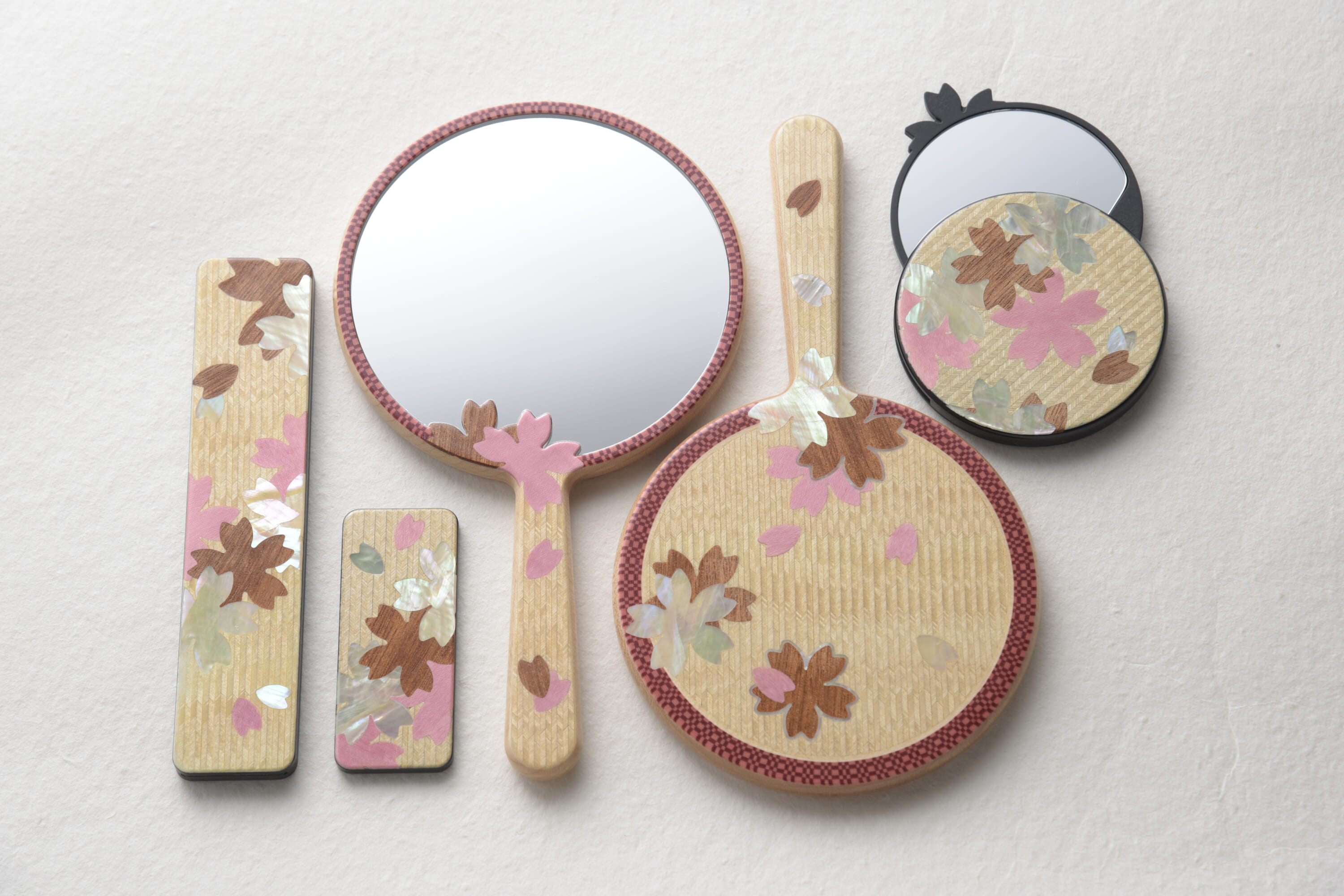
- On Traditional Aesthetics: The creators of the Nagoya Inlay Hand Mirror frame their work through the lens of mujo (impermanence). By utilizing cherry blossoms—a symbol of the fleeting nature of life—they argue that a mirror is not just a tool for vanity, but a meditation on the passage of time.
- On Cultural Diplomacy: Regarding the Obi-musubi wall hangings, the artists view their work as a bridge between nations. By weaving the colors of the French flag into the traditional Japanese camellia motif, they are intentionally crafting a dialogue between Eastern and Western aesthetic values. This is not just art; it is a symbolic gesture of global harmony.
Implications for the Future
The continued success of the Omotenashi Selection carries significant implications for both the global gift market and the preservation of Japanese heritage.
The Rise of "Slow Luxury"
As consumers become increasingly conscious of the environmental and social costs of fast fashion and mass-produced goods, the "Slow Luxury" movement is gaining momentum. Products like the Hamamonyo tenugui—which use environmentally friendly bleaching methods—prove that high-end quality does not require environmental degradation.
Preservation of Endangered Skills
Many of the techniques mentioned, such as Yokohama Nassen or the Izumi tenobe method, are at risk of being lost to time. By elevating these products to an international stage, the Omotenashi Selection provides the necessary economic incentive for younger generations to enter these demanding, highly skilled professions.
Global Cultural Exchange
The exhibition of Obi-musubi works at Mont-Saint-Michel in France signifies a broader trend: the de-territorialization of Japanese craft. No longer confined to the archipelago, these items are becoming part of a global design language. This exchange does not dilute the quality of the Japanese craft; rather, it forces it to evolve and respond to global tastes, ensuring its relevance for the next century.
Conclusion: A Living Legacy
The items curated by the Omotenashi Selection are more than souvenirs. They are distilled histories. Whether it is the meticulous inlay of a mirror, the patient pulling of a noodle, or the seasonal storytelling of a dyed textile, these objects offer a window into a culture that views every detail as an opportunity for perfection.

For the international traveler or the discerning collector, these items provide a unique opportunity to own a piece of Japan that is both deeply traditional and startlingly modern. As we look toward the future, the endurance of these crafts suggests that even in a digital, automated world, the demand for human-centered excellence remains as strong as ever.
By investing in such pieces, we are not just buying a product; we are participating in the preservation of a legacy that defines the very heart of Japanese identity. For those seeking to explore further, the websites of these artisans serve as portals into a world where quality is not a goal, but the starting point.


 Neng Nana
 Asro
Asro