Ammar Sabilarrohman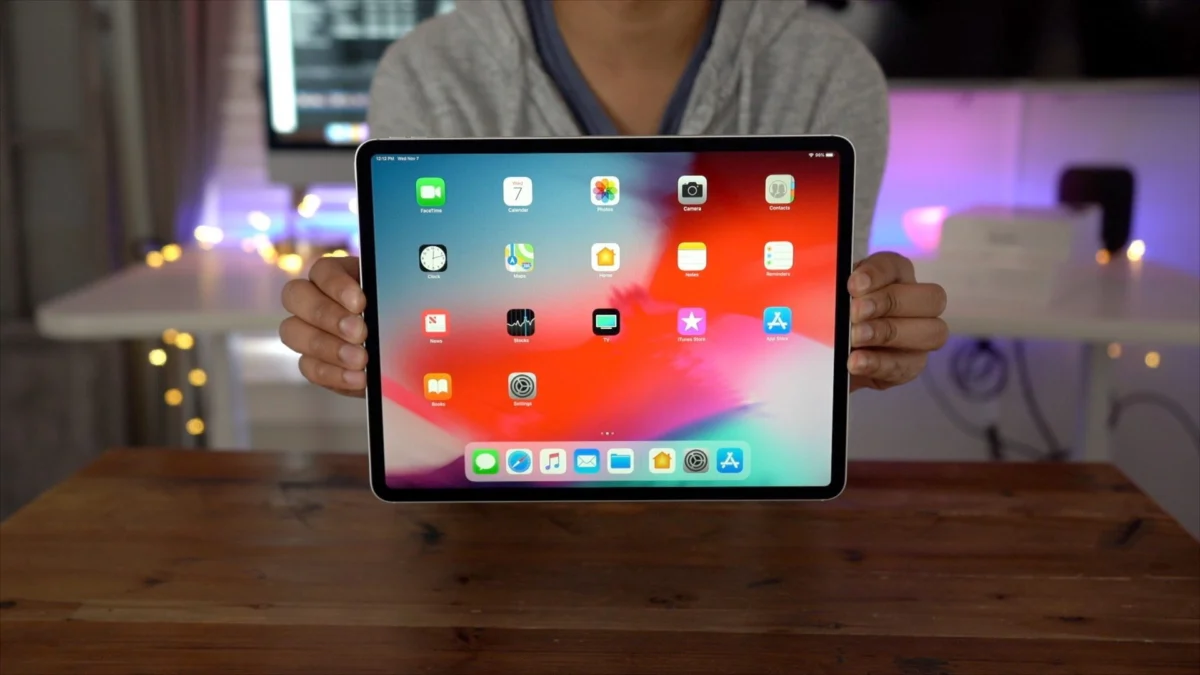
It has been roughly three weeks since Apple took to the stage at WWDC26 to unveil iOS 27 and iPadOS 27. While the mobile counterpart, iOS 27, has been widely lauded for its performance enhancements and refined user experience, the narrative surrounding the tablet-specific OS is markedly different. As the excitement of the keynote fades, a growing segment of the Apple community is grappling with a stark reality: the end of the road for a significant stable of legacy iPad hardware.
Apple’s decision to sunset support for devices powered by the A12 and A12X Bionic chipsets has ignited a debate over software longevity, planned obsolescence, and the responsibility a tech giant owes to its long-term user base.
The Main Facts: Defining the Compatibility Gap
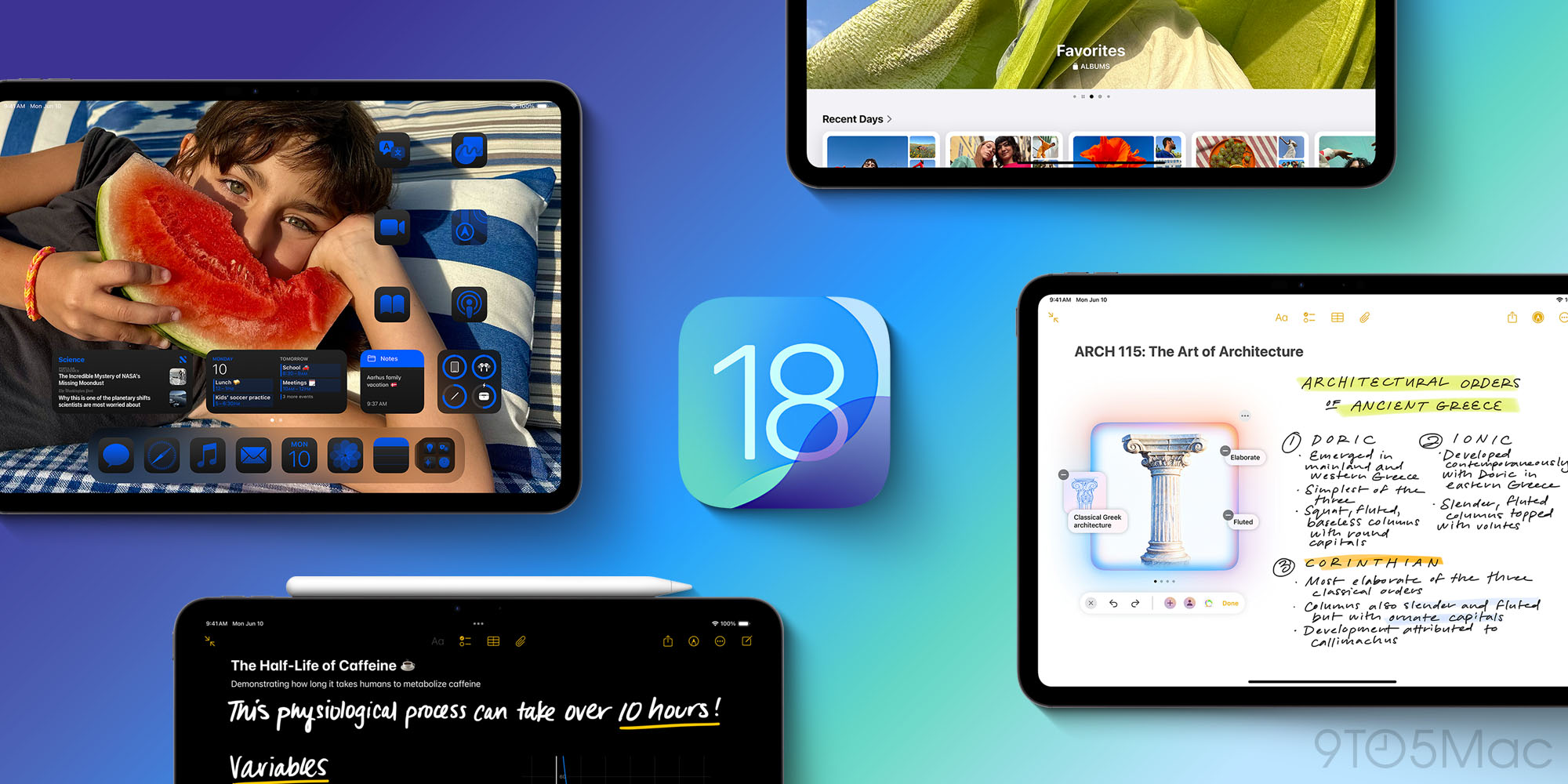
The release of iPadOS 27 marks a definitive hardware cutoff. While iOS 27 maintains parity with its predecessor, supporting every device that ran iOS 26, iPadOS 27 deviates from this path. By dropping support for the A12 and A12X architectures, Apple has effectively orphaned several high-quality, still-capable tablets.

The primary point of contention is not necessarily the age of the devices—many are between six and eight years old—but rather the lack of a graceful transition for these users. For a significant portion of the consumer base, these iPads remain functional for media consumption, light productivity, and educational tasks. Being locked out of the latest OS update means these devices will eventually lose access to new app features, critical security patches, and the evolving ecosystem of Apple’s integrated services.
A Chronological Perspective: The Evolution of Support
To understand the current frustration, one must look at the historical trajectory of iPad software support.
- 2018–2020: Apple releases the A12 and A12X-powered iPad Pro models, touting them as "pro" machines capable of replacing traditional laptops. These devices were marketed on their longevity and processing power.
- 2022: The introduction of Stage Manager in iPadOS 16 created an initial rift in the community. Apple initially restricted this multitasking feature exclusively to M1-powered iPads.
- Late 2022: Following intense public outcry and technical feedback, Apple reversed course, enabling a modified version of Stage Manager for the 2018 and 2020 iPad Pro models. This established a precedent that Apple could bridge the gap between "unsupported" hardware and new software features.
- June 2026: Apple announces iPadOS 27 at WWDC. The compatibility list confirms the exclusion of all A12-based devices.
- Present Day: Users are left in a state of limbo, balancing between the security of an outdated OS and the desire for modern functionality.
Supporting Data: Why the A12 Still Matters
The A12 Bionic, while aging, is a testament to the longevity of Apple’s silicon. When released, it represented a significant leap in neural engine performance and graphical efficiency. Even today, the 4GB of RAM found in many of these devices is sufficient for a wide range of tasks.
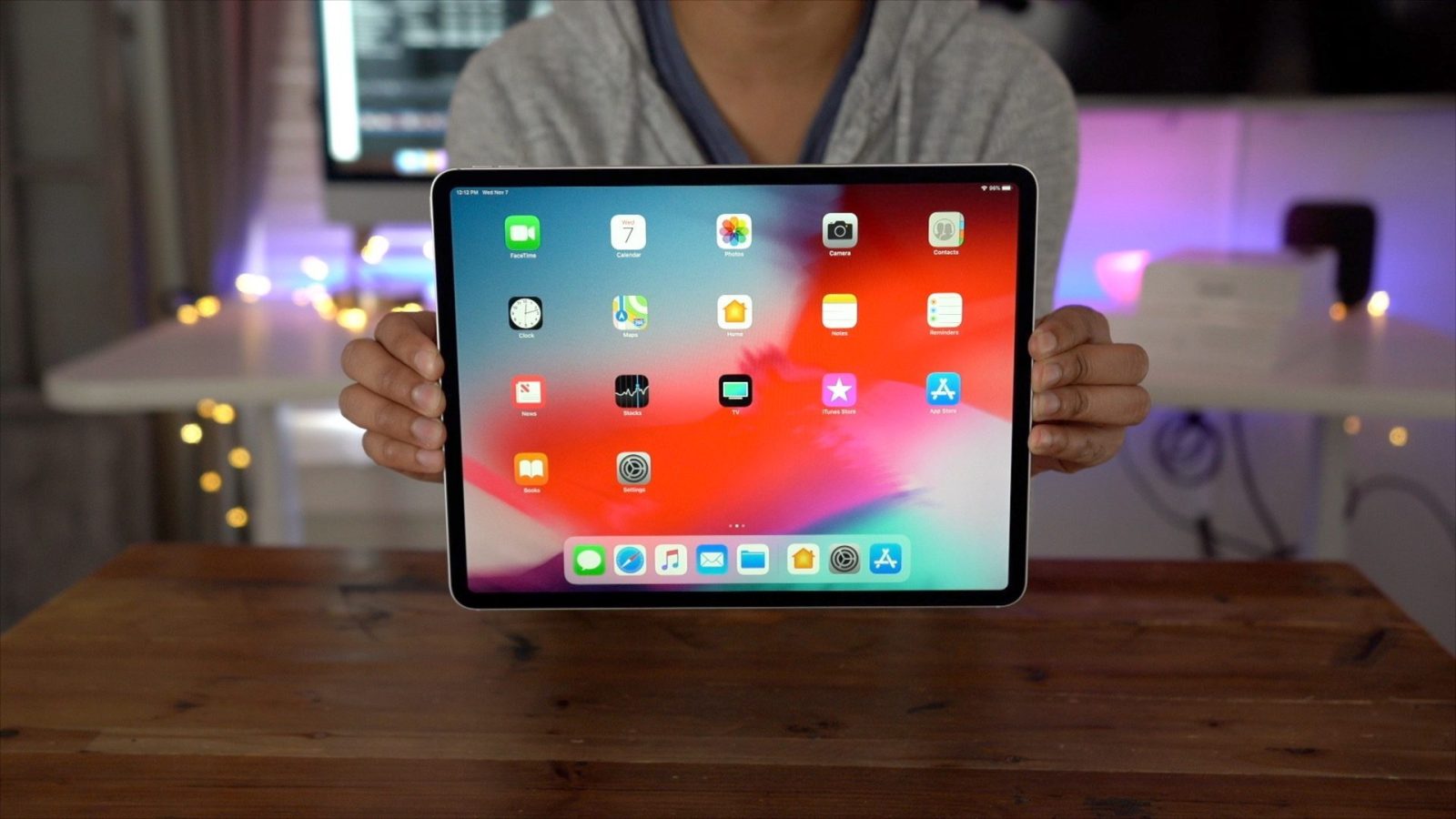
However, the modern software landscape is increasingly demanding. iPadOS 27 introduces deeper AI integration and more complex windowing management, which inevitably requires more overhead. Critics argue that even if these devices cannot handle the "full" feature set of iPadOS 27—such as advanced background processing or high-end machine learning tasks—they remain more than capable of running a "lite" version of the operating system.
The precedent of iPadOS 18.7.9 is particularly telling. Apple continues to issue security updates for this version, proving that the underlying architecture is still considered safe enough to be patched. If the kernel and security foundations of iPadOS 18 are stable enough for continued support, the argument that the hardware is "too old" for a modern OS seems to be a design choice rather than a hardware limitation.
Official Responses and the "Silent" Strategy
To date, Apple has maintained a policy of silence regarding the specific technical limitations that necessitated the cutoff for A12 devices. In the corporate world, this is a standard defensive posture; by not detailing the exact bottleneck, the company avoids "gotcha" moments where hobbyists or developers might prove a feature could have run on older hardware.
Historically, Apple’s justification for ending support rests on three pillars:
- Performance Integrity: The fear that a new OS running poorly will degrade the brand experience.
- Security Architecture: The requirement for newer hardware-level encryption or secure enclave features that older chips lack.
- Optimization Costs: The engineering resources required to optimize a modern OS for legacy chipsets are substantial and often deemed a poor return on investment.
However, the user community is increasingly asking: if the cost of optimization is high, why not offer a "Security-Only" tier of the latest OS, or allow users to stay on a previous, fully-patched version of the OS indefinitely?
Implications for the Ecosystem
The current crisis highlights several critical implications for the future of Apple hardware ownership:

1. The "Right to Repair" and Software Longevity
There is an growing intersection between the hardware-focused "Right to Repair" movement and the software-focused "Right to Update." If a device is physically sound, should a manufacturer be allowed to essentially "brick" its software functionality through a forced obsolescence cycle? The longevity of the iPad as a hardware product is undermined if the software ecosystem shrinks around it.
2. The Case for Downgrading
The most pragmatic solution proposed by power users is a controlled rollback path. Currently, Apple enforces a strict signing window for iOS and iPadOS. Once a version is "unsigned," the user is effectively prevented from reverting to it. If Apple allowed users to downgrade to a version like iPadOS 18, provided that version is still receiving active security patches, the user could maintain a secure, performant device without the bloat of an OS that the hardware struggles to run.
3. The "Stage Manager" Lesson
The 2022 Stage Manager reversal remains the gold standard for how Apple can mitigate these crises. By creating a "Limited" mode for older hardware, Apple satisfied the power users while protecting the experience of the general public. Implementing a similar "iPadOS 27 Light" for A12 devices could preserve the user base’s loyalty and prevent thousands of perfectly functional tablets from ending up in e-waste bins.

Conclusion: A Path Forward
The exclusion of A12-powered devices from iPadOS 27 is a crossroads for Apple. The company has built its reputation on the longevity of its hardware—an iPad is often a seven-to-ten-year investment. By prematurely cutting off support for devices that remain chemically and mechanically viable, Apple risks damaging the trust it has meticulously cultivated.
Whether through the introduction of a legacy-support mode, a more flexible signing policy for older OS versions, or a selective porting of features, Apple has the tools to resolve this. The question remains whether the company will prioritize the seamlessness of its current marketing cycle or the long-term utility of the devices it sold to its most dedicated customers.
As the update cycle for iPadOS 27 continues, the silence from Cupertino will likely be broken by the growing volume of users who are not ready to let their "legacy" devices go. Until then, those with A12 devices are left to decide: do they hold onto a secure but stagnant OS, or do they push the hardware to its breaking point with an unsupported upgrade? The choice, for now, is not theirs to make—but it is one that Apple would be wise to reconsider.


 Ali Ikhwan
 Lina Hope