

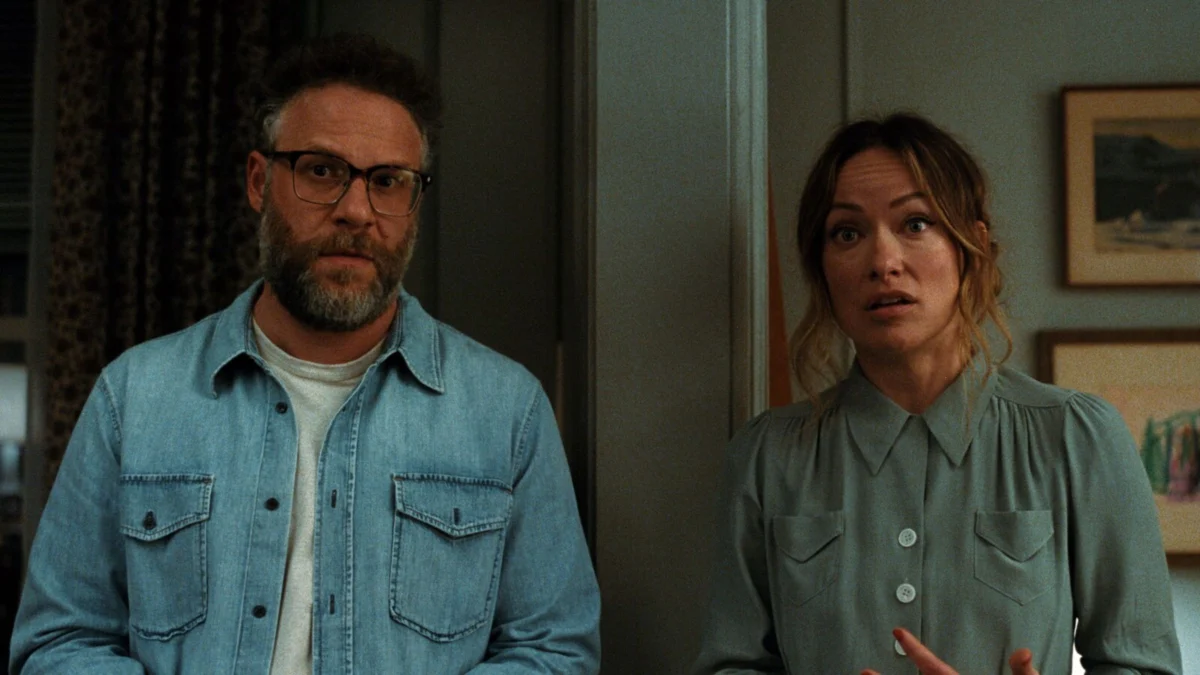
In the ever-evolving landscape of contemporary cinema, the "anti-romantic" comedy has carved out a permanent, albeit uncomfortable, niche. These films serve as a mirror to our own relational failings, stripping away the polished veneer of Hollywood tropes to reveal the messy, often contradictory nature of human intimacy. Olivia Wilde’s latest directorial effort, The Invite, arrives as a potent addition to this sub-genre. Much like the critical darlings The Roses or the recent buzz surrounding The Drama, The Invite thrives in the uncomfortable silence between a punchline and a panic attack.
Released on June 26, 2026, The Invite is not merely a film about a disastrous dinner party; it is a clinical, hilarious, and ultimately devastating dissection of a marriage at its expiration date. By balancing sharp-witted cynicism with raw emotional vulnerability, Wilde has crafted a film that feels less like a scripted narrative and more like an intervention.
The Premise: A Stage-to-Screen Evolution
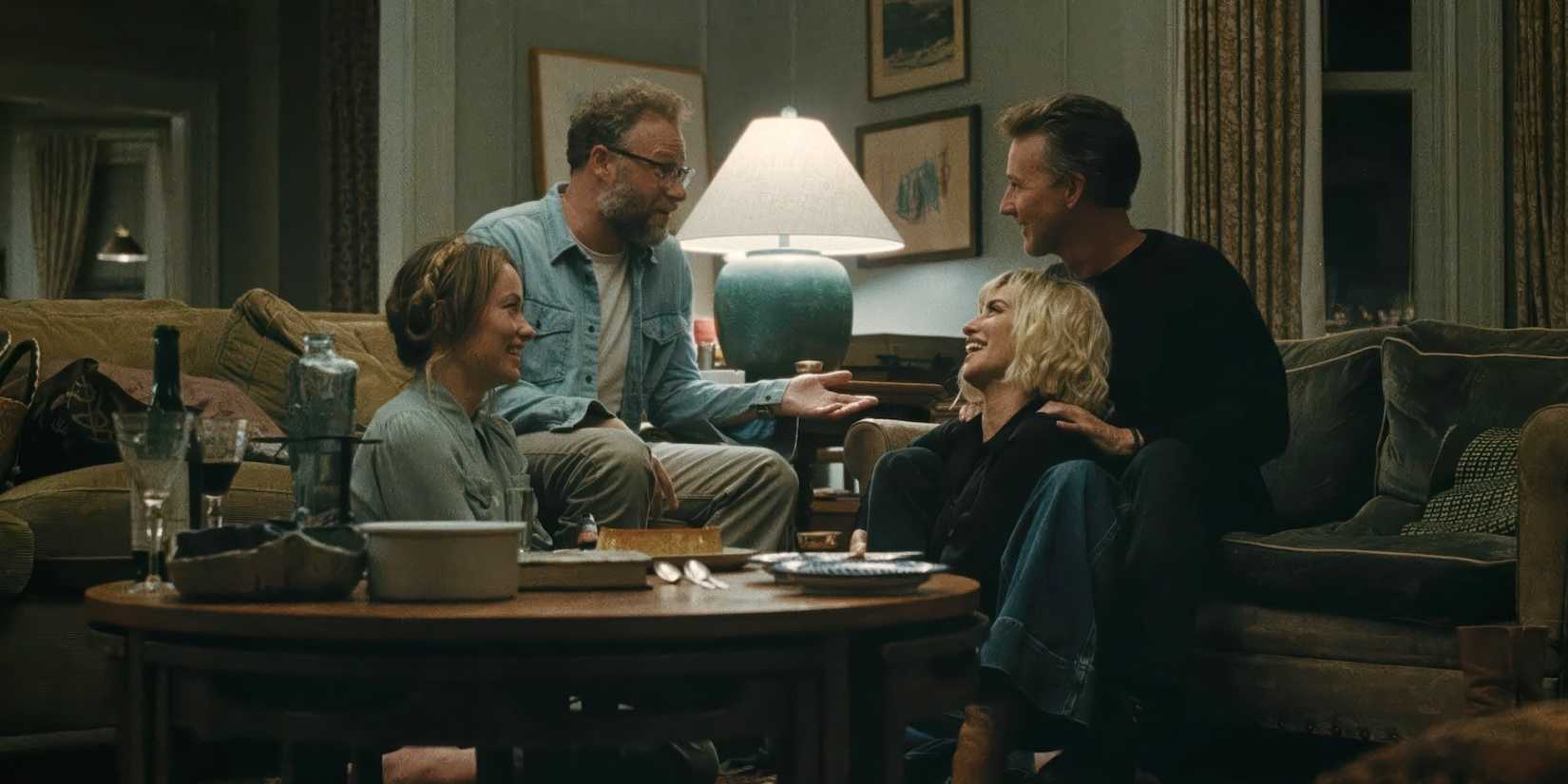
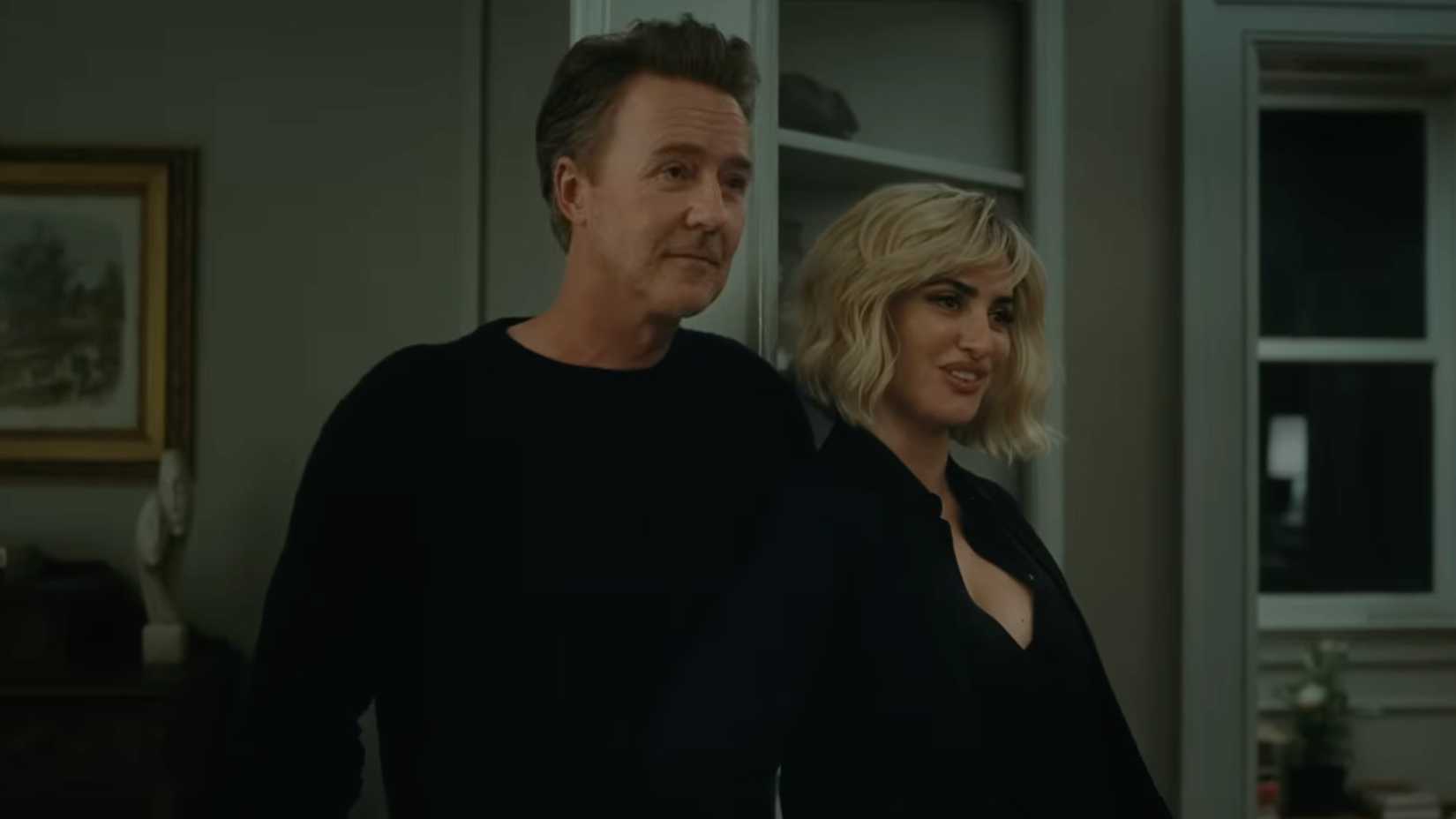
Based on the acclaimed stage play Els veïns de dalt (later adapted as the Spanish film The People Upstairs), The Invite pivots around the fragile, fracturing union of Angela (Olivia Wilde) and Joe (Seth Rogen). The film’s narrative engine is deceptively simple: a dinner invitation extended to their neighbors, Pina and Hawk, serves as the catalyst for an evening of social carnage.
When we are first introduced to Angela and Joe, they are far from the idealized partners of a standard romantic comedy. Instead, they are defined by their flaws. Joe is a master of blunt, often antagonistic honesty, while Angela operates through a web of subtle manipulations and social white lies. Their relationship is a landscape of "long-worn understanding"—a shorthand for the kind of familiarity that breeds both comfort and contempt.
The screenplay, penned by Rashida Jones and Will McCormack, excels at keeping the tension at a near-boiling point. While the setup suggests a raunchy, taboo-heavy sex comedy, the film quickly subverts those expectations. The "invite" itself is a mere provocation, a social experiment that forces the characters to stop hiding behind the polite facade of suburban pleasantries.

Chronology of a Breakdown
The narrative structure of The Invite follows a classic "unraveling" arc, meticulously paced to mirror the mounting anxiety of a dinner party gone wrong.
Act I: The Social Contract
The film opens with the mundane reality of Angela and Joe’s domestic life. The dialogue is snappy and rhythmic, showcasing the duo’s ability to wound each other with precision. We see the cracks in their foundation immediately—a snide jab over dinner, a rolling of the eyes that carries the weight of a thousand ignored grievances. The arrival of their neighbors serves as the external pressure needed to ignite these internal combustions.
Act II: The Escalation
As the evening progresses, the film leans into its comedic roots. Whether it’s Seth Rogen’s physically awkward attempts at forced seduction or the surreal, uncomfortable conversations sparked by the neighbors’ presence, the humor remains consistent. However, the brilliance of the film lies in its refusal to abandon the comedy even when the conversation turns dark. Wilde understands that in the most painful moments of life, we often reach for humor as a defense mechanism.
Act III: The Emotional Reckoning
The final act is where The Invite shifts from a dark comedy to something more akin to a tragic chamber piece. It is here that the film draws comparisons to Noah Baumbach’s Marriage Story. As the masks fall away, the film forces the audience to confront the reality of a relationship that has, for years, been dying a quiet, incremental death. The "betrayal" that occurs is not necessarily a single act of infidelity, but the cumulative betrayal of trust and the loss of empathy.
Supporting Data and Production Context
The Invite operates on a modest budget, prioritizing performance and dialogue over spectacle. The film’s runtime of 108 minutes is tightly edited, ensuring that the pacing remains breathless.

Production Highlights:
- Director: Olivia Wilde
- Writers: Rashida Jones, Will McCormack, Cesc Gay
- Release Date: June 26, 2026
- Genre: Dark Dramedy / Romantic Tragedy
The technical team deserves significant credit for the film’s atmosphere. The sound design, specifically, is used to punctuate emotional shifts, moving from the ambient noise of a lively dinner to the deafening silence of an argument. The cinematography captures the claustrophobia of the apartment, turning the set into a character that feels as trapped and agitated as the people within it.
The "Uncomfortable" Factor: A New Standard for Relatability
What sets The Invite apart from other anti-romantic films like (500) Days of Summer is its refusal to provide a clean resolution. It avoids the catharsis of a "break-up and move on" ending, opting instead for something far more complex: a quiet, ambiguous moment of shared humanity.
The film explores the idea that even when we are at our worst—when we are at our most manipulative, petty, and cruel—we are still, at our core, human beings capable of empathy. It asks a difficult question: Is it possible to love someone while simultaneously being the person most capable of hurting them?
The comedic escalation, while hilarious, serves to distance the audience from the sheer weight of the tragedy. By the time the film reaches its final, somber beats, the laughter feels earned, yet slightly dangerous. It is a testament to Wilde’s direction that she can transition from a physical gag involving a spilled drink to an eviscerating monologue about lost dreams without losing the audience’s engagement.
Official Responses and Critical Reception
Early responses to The Invite have focused on the chemistry between the four leads. While Olivia Wilde and Seth Rogen have long been established as heavy hitters in their respective genres, their pairing here feels like a masterstroke of casting. Critics have noted that Rogen’s trademark "everyman" charm is weaponized to great effect, allowing him to portray a character who is simultaneously pitiable and infuriating.
Wilde, stepping behind the camera again, continues to prove her aptitude for navigating the complexities of modern social dynamics. Her approach is unflinching; she does not shy away from the ugly parts of the human experience. As of late June 2026, the film has been praised for its "sharp, scalpel-like script" and its "courageous commitment to tone."
Implications: Where Does the Dramedy Go From Here?
The Invite suggests a shift in the romantic comedy genre toward a more "honest" narrative. For decades, the genre was defined by the pursuit of a "happily ever after." In the 2020s, the focus has shifted toward "happily ever after… or maybe just a quiet divorce."
The success of The Invite indicates that audiences are hungry for stories that acknowledge the exhaustion of modern long-term relationships. It validates the feeling that love is not a static state of being, but an active, exhausting, and often messy process.
By framing these themes within a comedic structure, the film makes the medicine go down easier, but the aftertaste remains long after the credits roll. It forces the viewer to look at their own life, their own "invites," and the people they choose to share their space with.
Conclusion: A Masterclass in Human Folly
Olivia Wilde’s The Invite is a rare achievement. It is a film that demands to be watched, discussed, and perhaps even re-evaluated after a few years of one’s own life experiences. It is not an easy watch, nor is it meant to be. It is a film for those who appreciate the irony of existence—the fact that we can be at our most ridiculous and our most tragic within the span of a single evening.
As we continue to navigate the complexities of connection in a digital age, The Invite serves as a grounding force. It reminds us that no matter how much we dress up our lives, the core of our relationships remains the same: a fragile, beautiful, and often terrifying attempt to be truly seen by another person. The Invite is not just a movie; it is a mirror, and for those brave enough to look into it, it offers a reflection that is as hilarious as it is haunting.










