

Nearly three decades after its initial broadcast in 1997, Revolutionary Girl Utena (Shōjo Kakumei Utena) stands not merely as a relic of 90s television, but as a towering, avant-garde monument that continues to define the boundaries of the magical girl genre. While contemporaries like Sailor Moon and Cardcaptor Sakura provided the foundational language for the genre, Utena subverted it, deconstructed it, and ultimately rebuilt it into a profound meditation on identity, systemic oppression, and the courage required to break the cycle of history.
As of 2026, twenty-nine years after its debut, the series has moved beyond its status as a "cult classic" to become a mandatory text for students of animation and gender theory alike. In an exclusive interview, series creator Kunihiko Ikuhara reflects on why his magnum opus has found a more receptive, passionate audience in the current era than it ever did during its original run.
The Genesis of a Modern Classic: A Chronological Retrospective
To understand the weight of Revolutionary Girl Utena, one must look back to the cultural landscape of the late 1990s. The anime industry was transitioning from the boisterous, action-heavy shōnen dominance of the 80s toward more introspective, psychological narratives. Ikuhara, having already cemented his reputation as a visionary director on the Sailor Moon franchise, sought to create something that would challenge the passive consumption of the "damsel in distress" archetype.
1997: The Original Broadcast
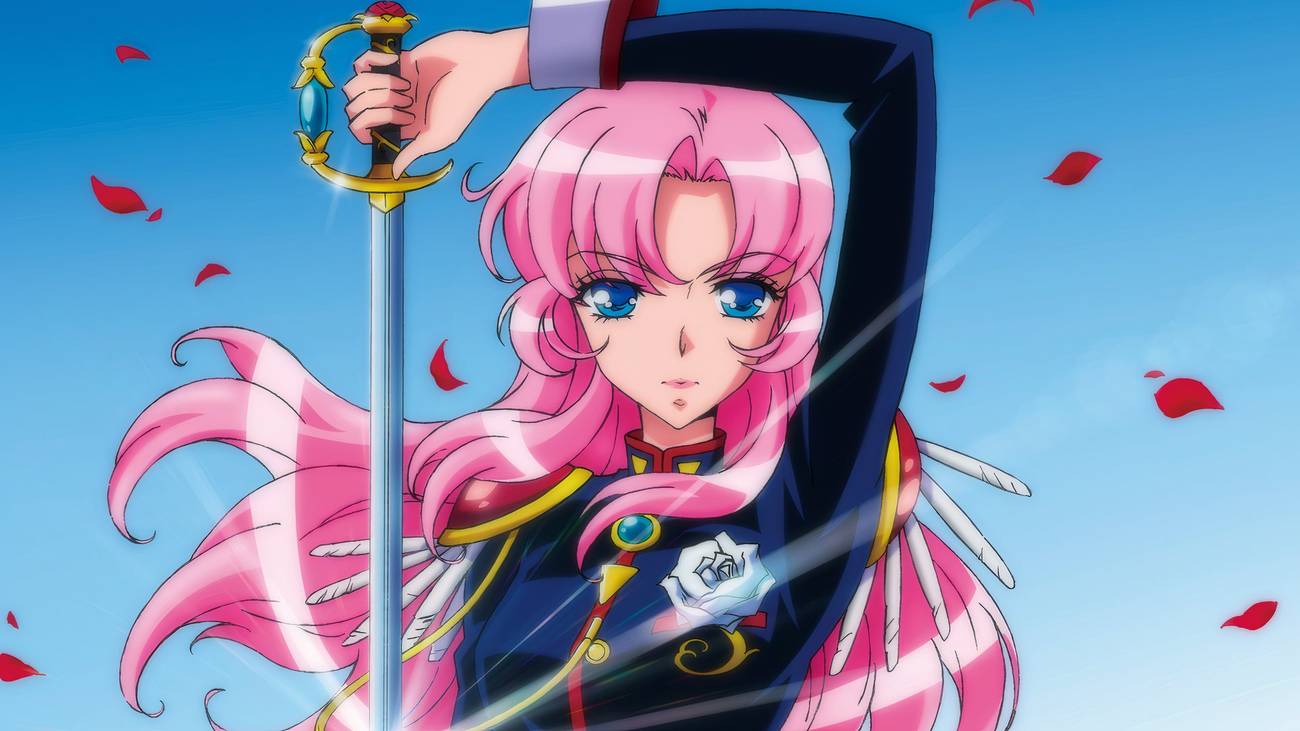
When the series first hit screens in 1997, it was perceived as a strange, beautiful, yet bewildering entity. The premise followed Utena Tenjou, a young girl orphaned at a tender age who, inspired by a mysterious prince, vows to become a prince herself rather than wait for one. Her journey leads her to Ohtori Academy, a surrealist landscape where she is pulled into a series of duels for the hand of Anthy Himemiya, the "Rose Bride."
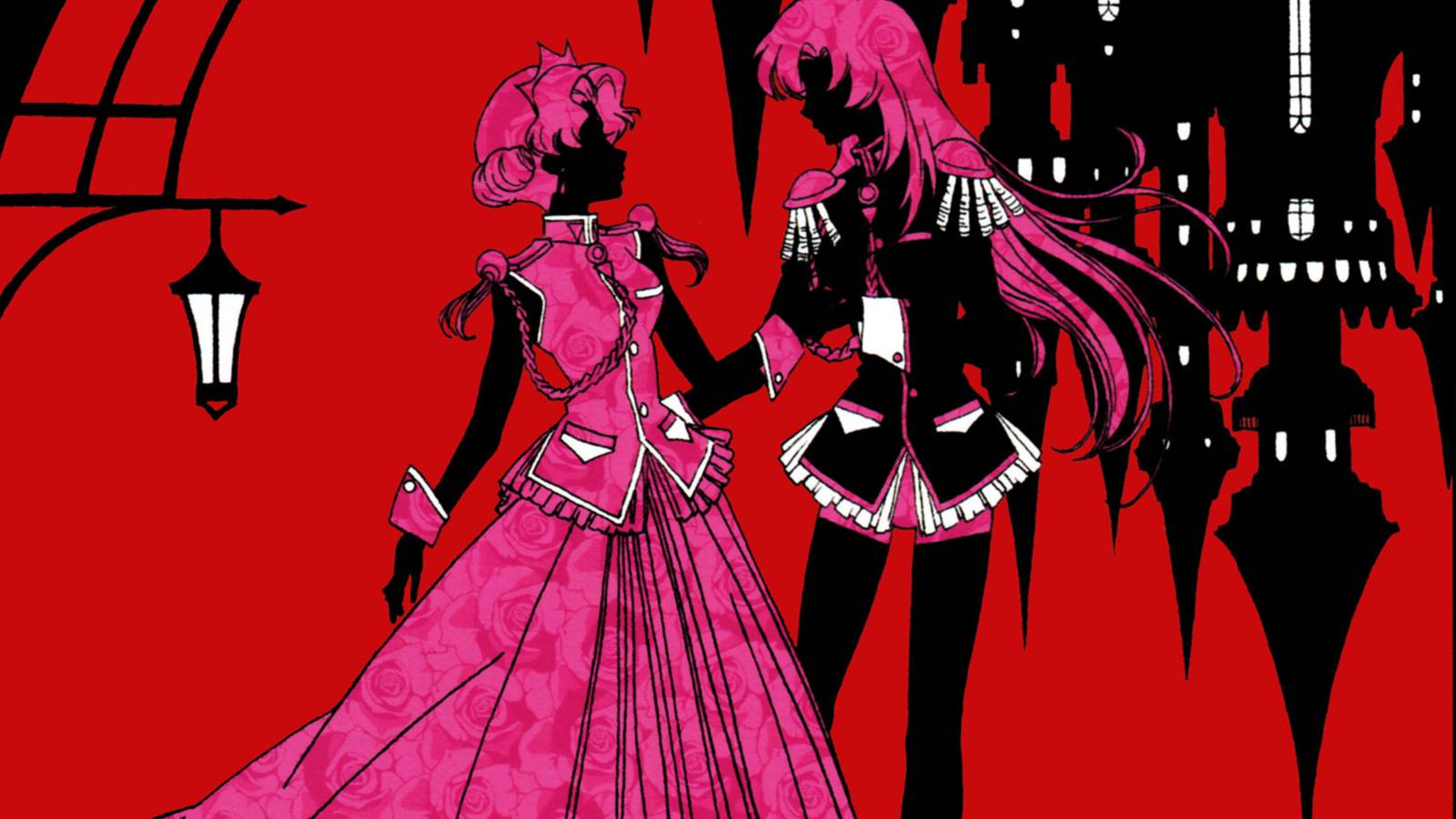
At the time, audiences were polarized. While the art direction—a stunning marriage of art-nouveau motifs, paper-doll aesthetics, and theatrical stage plays—was praised, the narrative’s dense symbolism and refusal to adhere to traditional genre beats left many casual viewers perplexed.
1999: Adolescence of Utena
The release of the feature film Adolescence of Utena two years later solidified the franchise’s visual identity. It stripped away some of the television series’ episodic structure, opting for a fever-dream narrative that leaned further into the series’ experimental roots. It served as a definitive exclamation point on the original run, cementing the visual vocabulary—the dueling arenas, the inverted castles, and the recurring rose imagery—that would become iconic.
2026: The Era of Re-Evaluation
Today, the series is experiencing a renaissance. Streaming accessibility and a global shift in discourse regarding gender and agency have allowed Utena to be viewed through a lens that simply did not exist in the 90s. Critics and fans alike are finally catching up to the nuances Ikuhara baked into the foundation of the series.
Decoding the Avant-Garde: Supporting Data and Themes
Revolutionary Girl Utena is often categorized as a "magical girl" show, but that label is inherently reductive. It functions more as an existential stage play.

Breaking the Binary
The series is remarkably progressive, even by today’s standards. It posits that "prince" and "princess" are not biological roles, but social constructs—cages built by a patriarchal system that thrives on keeping people in static, predetermined roles. Utena’s internal conflict—her desire to protect Anthy while simultaneously struggling with her own identity as a girl who wishes to be a prince—is a masterclass in nuanced character writing.
The Aesthetics of Oppression
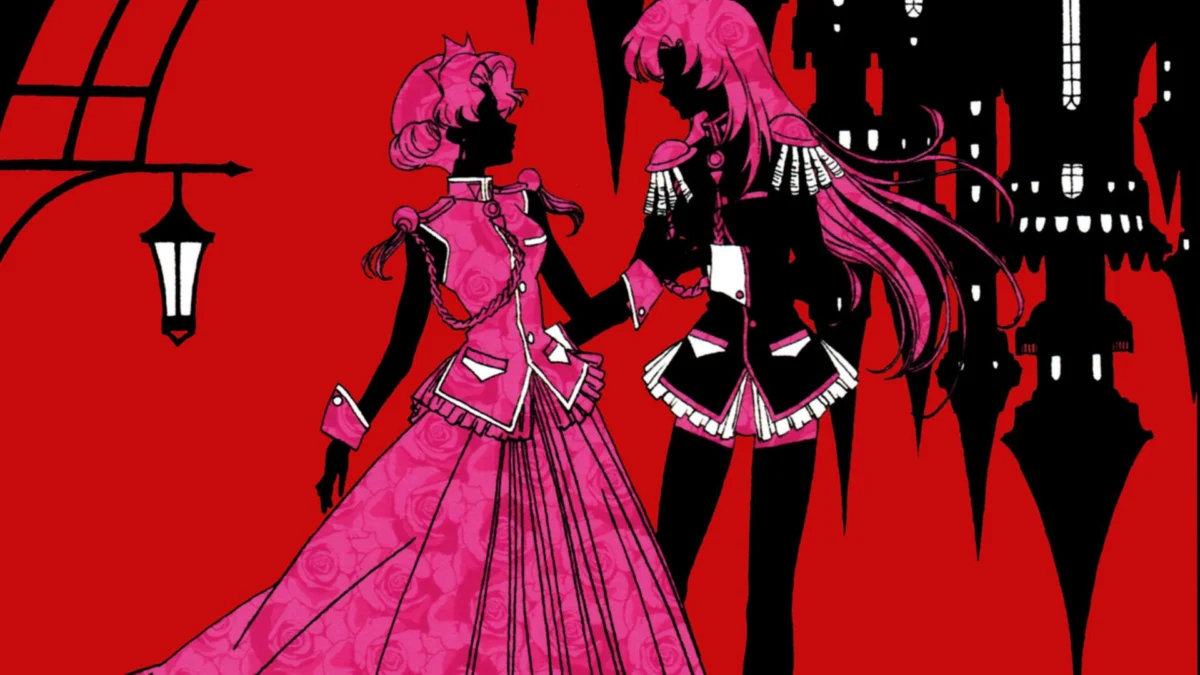
The visual direction of Utena is not merely stylistic; it is integral to the narrative. Ikuhara famously utilized "impossible architecture"—staircases leading to nowhere, the Ohtori Academy appearing as a shifting labyrinth—to mirror the psychological entrapment of the characters. The series famously uses the "shadow play" sequences, performed by a troupe of nameless shadows, to provide meta-commentary on the events unfolding in the main plot. This device allowed the show to distance itself from the "realism" of typical shōjo anime and operate within a dream logic that remains unparalleled.
Official Responses: The Creator’s Perspective
In our conversation with Kunihiko Ikuhara, he offered a candid assessment of why Revolutionary Girl Utena has found such sustained success nearly three decades later.
"Part of it is that at the time, the freshness and revolutionary nature of the franchise wasn’t properly understood," Ikuhara explained. "But now that times have finally caught up and the understanding of such matters has deepened, it has been able to find new fans. It is now an era where the nuance of the term ‘revolutionary girl’ comes across better than when it was first released."
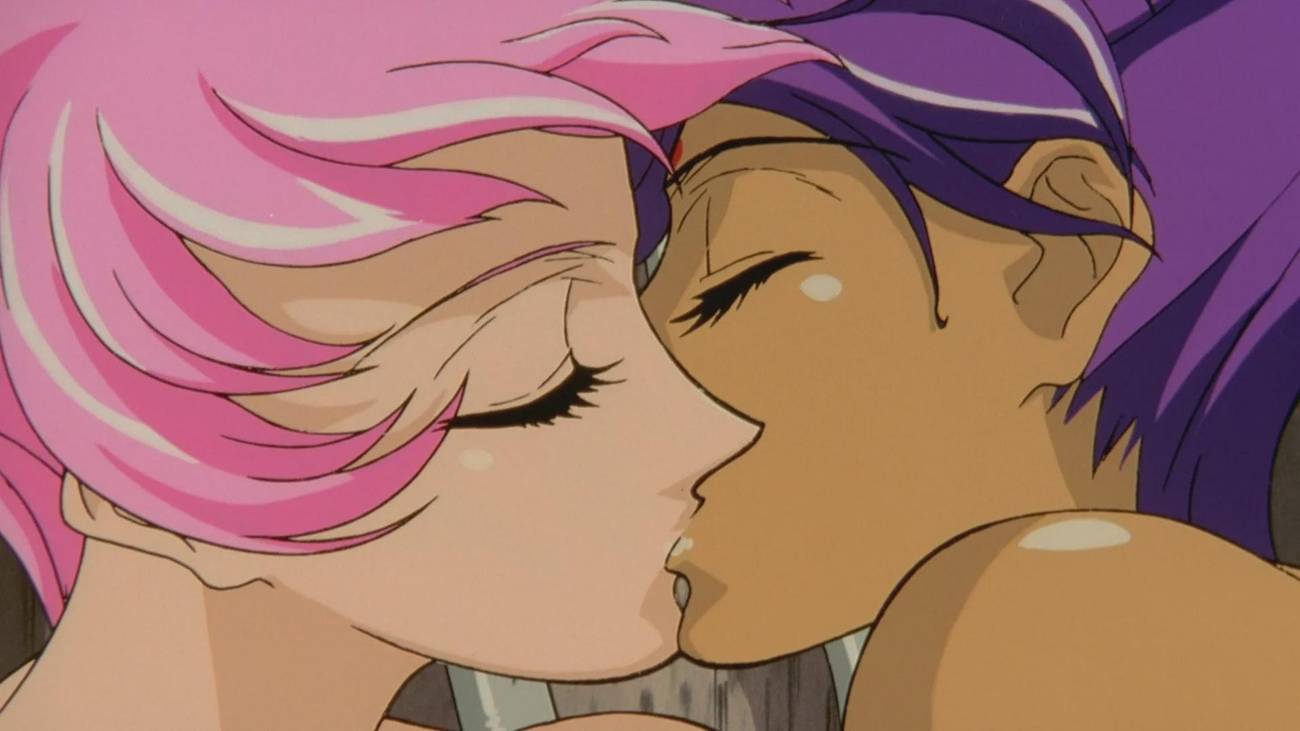
When asked about the status of the characters, Ikuhara’s response was poetic: "My thoughts and feelings haven’t changed at all, and Utena and Anthy are still traveling through the world they drive off into in the final scene."
This confirms what long-time fans have always felt: the story of Utena is not a closed loop. It is an ongoing invitation for the viewer to "revolutionize" their own world, to break their own egg, and to step into a future that isn’t dictated by the past.
Implications: The Legacy of the Rose
The influence of Utena on the medium of anime cannot be overstated. Without Utena, the path to later genre-defining works—such as Puella Magi Madoka Magica, which also sought to dismantle the tropes of the magical girl genre—would have been significantly harder to forge.
A Blueprint for Subversion
Utena taught a generation of creators that anime could be a vehicle for high-concept philosophy. It proved that audiences were not just looking for "monster of the week" action, but for deep, internal character studies. Its willingness to tackle themes of incest, domestic abuse, and the fluidity of sexuality placed it in a class of its own. While other shows of the era were sanitizing their content for wider appeal, Utena leaned into the uncomfortable, the challenging, and the transformative.
Why it Stays Relevant
In 2026, the discourse around the series has matured. Where earlier reviews focused on the "weirdness" of the duels, current critical analysis focuses on the trauma inherent in the system of the "Prince." The series is no longer seen as a niche interest for connoisseurs of the bizarre, but as a critical piece of media that foresaw the necessity of questioning systemic power structures.
As we look toward the future of the medium, the "Revolutionary" in the title feels more accurate than ever. It was a show that demanded we look at our own lives and ask: What parts of myself am I keeping in a cage? What would it take to break out?
For those who have yet to experience it, or for those returning to the halls of Ohtori Academy, the message remains clear: the revolution is not a one-time event. It is a constant, daily practice of self-actualization. 29 years later, Revolutionary Girl Utena is not just a show about a girl who wants to be a prince; it is a show about the fundamental, often painful, and ultimately beautiful process of becoming one’s true self. It is, and will likely remain, the ultimate magical girl anime.










