

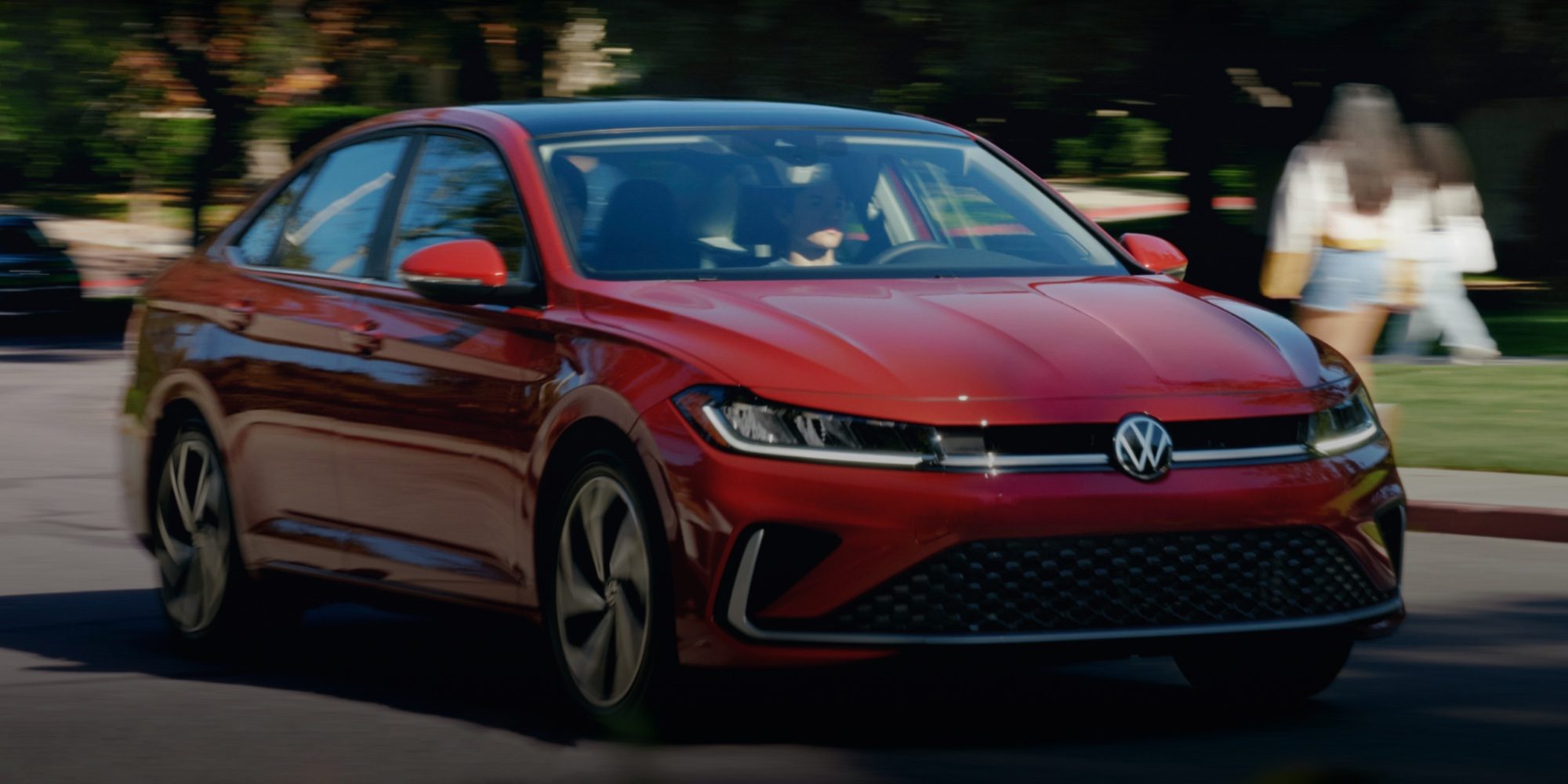
The digital transformation of the automotive industry continues to accelerate, with Apple leading the charge in integrating personal mobility into the iPhone ecosystem. Recent reports from Apple’s backend infrastructure suggest that Volkswagen (VW), one of the world’s largest and most influential automakers, is preparing to integrate its vehicles with Apple Wallet’s Car Key feature. This development marks a significant milestone in the adoption of digital key technology, potentially bringing seamless, keyless entry and ignition to millions of Volkswagen drivers worldwide.
The Evolution of Digital Access: Main Facts
For years, the physical key fob has been a staple of vehicle ownership. However, Apple’s Car Key—a feature built on NFC (Near Field Communication) and Ultra Wideband (UWB) technology—is rapidly rendering the traditional fob obsolete. By allowing users to lock, unlock, and start their vehicles simply by tapping their iPhone or Apple Watch against the driver-side door handle, Apple has created a frictionless experience that has become a highly sought-after feature for modern car buyers.
The news that Volkswagen is joining this ecosystem was uncovered through the analysis of Apple’s backend server code. Historically, Apple updates its configuration files to include new partners well ahead of an official public announcement. This pattern was observed previously with major manufacturers like Toyota and Porsche, where backend evidence surfaced weeks, and sometimes months, before the official rollout of the feature.

While Volkswagen has yet to issue a formal press release confirming the integration, the inclusion of the brand in Apple’s internal support documentation serves as a de facto confirmation. This shift represents a broader strategic move by Volkswagen to modernize its software-defined vehicle architecture, aligning itself with the expectations of tech-savvy consumers who demand deeper integration between their personal devices and their automobiles.
A Timeline of Integration: The Chronology of Progress
The journey toward universal digital car keys has been a gradual, methodical process. Apple first introduced the Car Key feature in 2020, initially partnering with BMW to demonstrate the technology’s potential. Since then, the ecosystem has expanded in waves, with Apple vetting and onboarding manufacturers to ensure security and reliability.
The Roadmap to Volkswagen
- 2020: Apple introduces Car Key with BMW as the lead partner, setting the standard for secure, NFC-based vehicle access.
- 2024–2025: The list of supported manufacturers expands to include luxury and mass-market brands, including Hyundai, Kia, and Genesis.
- December 2025: Toyota appears in Apple’s backend code, signaling a massive push toward mass-market adoption.
- February 2026: Official launch of Toyota Car Key support, validating the backend-first discovery method.
- May 2026: Porsche follows suit, further cementing the feature’s appeal in the premium segment.
- July 2026: Discovery of Volkswagen identifiers in Apple’s server-side configuration, marking the latest milestone in the platform’s growth.
This timeline demonstrates that Apple’s integration process is rigorous. The company does not simply add a brand; it works in tandem with the automaker’s engineering teams to ensure that the cryptographic handshake between the vehicle’s security module and the iPhone’s Secure Element is impenetrable.
Supporting Data and Technical Context
The implementation of Apple Car Key is not merely a software update; it requires specific hardware capabilities within the vehicle. Most modern implementations utilize NFC for the primary interaction, but high-end models utilize the Apple U1 and U2 Ultra Wideband chips to provide "passive entry." With passive entry, the driver does not even need to remove their iPhone from their pocket; the vehicle senses the proximity of the device and unlocks automatically as the user approaches.
Understanding the Technical Requirements:
- NFC (Near Field Communication): The foundational layer that requires physical proximity to the door handle.
- Ultra Wideband (UWB): The "spatial awareness" layer that allows for precise distance measurement, enabling true keyless entry.
- Secure Element: The hardware-encrypted area on the iPhone that stores the digital key, ensuring that even if the phone is compromised, the vehicle access remains secure.
- Shared Access: A standout feature of the Apple Wallet implementation, allowing users to securely share keys via iMessage, email, or WhatsApp, with customizable permissions for family members or parking valets.
As Volkswagen prepares to roll out this feature, the industry is watching to see which models will receive the update first. Historically, manufacturers begin with their flagship electric vehicles (EVs) or top-tier luxury trims before filtering the technology down to high-volume models like the Jetta or Tiguan.
Industry Implications and Future Outlook
The addition of Volkswagen to the Apple Wallet ecosystem carries profound implications for the automotive market. Volkswagen Group, which encompasses brands like Audi, Skoda, and SEAT, has a massive global footprint. Should the integration extend beyond the VW brand itself to its wider portfolio, it would instantly make Apple Car Key one of the most widely available vehicle access systems in the world.
Competitive Pressure
Other automakers currently on the sidelines are under increasing pressure to follow suit. Consumers are increasingly using "technology compatibility" as a primary filter when shopping for a new car. If a competitor offers a seamless iPhone-based experience and a Volkswagen does not, the potential buyer might lean toward the competitor. By embracing this technology, VW is effectively future-proofing its fleet.
The Role of Software-Defined Vehicles
Volkswagen has been candid about its pivot toward "Software-Defined Vehicles." This philosophy treats the car as a computer on wheels, where features are updated via Over-the-Air (OTA) updates. Apple Car Key is the perfect manifestation of this philosophy. It moves the vehicle away from physical, mechanical constraints and into a world of digital identity management.
Security and Privacy Concerns
One of the primary concerns for consumers remains privacy. Apple has been careful to market Car Key as a privacy-first feature. The key resides on the device, not in the cloud. Even if the iPhone is lost, the user can remotely disable the key through the "Find My" service. This robust security architecture is a significant selling point for Volkswagen, as it alleviates the anxiety associated with moving away from physical metal keys.

What to Expect Next: The Consumer Experience
For current and prospective Volkswagen owners, the path forward is likely to be a phased rollout. While the backend code confirms the intent, the actual deployment will depend on individual vehicle software architectures.
- Software Readiness: Many existing VW vehicles may require a firmware update to the infotainment system to communicate with the Apple Wallet API.
- Regional Rollouts: Like previous launches, Volkswagen will likely initiate the feature in specific markets—most notably North America and Europe—before expanding to the rest of the globe.
- The "Wallet" Advantage: Users can expect to see their vehicle icon appear within the Apple Wallet app, where they can manage shared keys, set access limits (such as speed caps or time-restricted access for valet parking), and monitor the vehicle’s status.
As we await an official announcement from Volkswagen, the evidence remains clear: the days of fumbling for keys in your pocket are numbered. The integration of one of the world’s largest automakers into Apple’s digital key platform is a testament to the fact that the automotive industry has finally accepted the smartphone as the central hub of the user’s digital life.
Conclusion: A New Standard for Mobility
The reported integration of Volkswagen into Apple’s Car Key ecosystem is more than just a convenience feature; it is a signal of the inevitable convergence of personal electronics and personal transportation. By removing the friction of physical keys, Volkswagen is not only simplifying the daily routine of its customers but is also positioning itself as a modern, technology-forward brand.

As we look toward the remainder of 2026, the question is no longer if your car will be controlled by your phone, but how sophisticated that control will become. With the backing of major players like Volkswagen, the Apple Wallet is rapidly evolving from a digital wallet into the primary control center for our most essential daily assets.
For the automotive sector, the message is clear: adapt to the digital ecosystem or risk being left behind in a world that is increasingly defined by the connectivity of the devices we carry in our pockets. We will continue to monitor the backend updates and wait for the official press release, which, based on historical trends, should provide clarity on the rollout schedule for the first wave of compatible Volkswagen vehicles.











