From the sage-green tranquility of a local Blank Street Coffee to the pristine, white-washed minimalism of a flagship Apple Store, our physical environment has long been defined by the carefully curated aesthetics of the tech-forward era. Yet, as we move deeper into the 2020s, a new, pervasive visual language has emerged—one that is as ubiquitous as it is controversial.
It is a style defined by vertically slatted wood: uniform, rhythmic, and inescapable. Whether you identify it as a sterile evolution of "Japandi" or label it with the derisive internet moniker "sauna core," this design trend has become the wallpaper of the modern corporate landscape. However, as the aesthetic reaches peak saturation, a growing chorus of critics is pushing back, labeling it as soulless, cheap, and the definitive eyesore of the decade.
The Anatomy of the Trend: What is "Sauna Core"?
The aesthetic in question—vertical wood slats—is not inherently offensive. Historically, it stems from architectural traditions that prioritize texture, warmth, and acoustic dampening. In a domestic setting, these slats can evoke the calming, naturalistic principles of Scandinavian design or the refined minimalism of Japanese interiors.
However, when transposed into the corporate and tech environments of 2026, the context shifts. The "corporate mutation" of these styles—often devoid of the warmth, rugs, soft lighting, and "hygge" that make original Japandi cozy—has resulted in an aesthetic that feels more like a luxury sauna than a functional workspace or retail environment. It is clinical, repetitive, and, to many, deeply uninspired.
Chronology of a Design Takeover
The rise of the wooden slat was not an overnight phenomenon; it was a gradual creep that began in high-end retail before infiltrating the halls of Big Tech.
- 2020–2022: The Retail Pivot: As brands sought to move away from the "cold" industrial look of the 2010s, they turned to warm timber to bridge the gap between digital coldness and physical comfort. Luxury brands like Hermès began utilizing slats to create high-end, textured backdrops.
- 2023–2024: The Tech Infiltration: Recognizing the need to "humanize" hardware, companies like Nvidia began incorporating wood-toned accents into their packaging and presentation materials. The goal was to signal "premium quality" and "sustainability" without requiring actual artisanal craftsmanship.
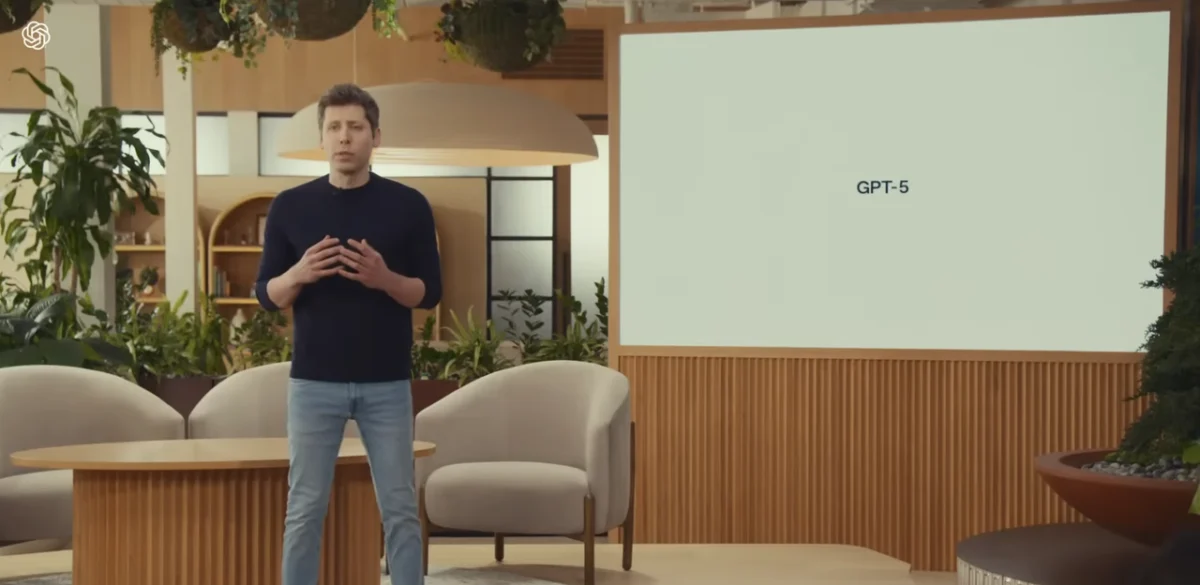
- 2025–2026: Peak Ubiquity: The trend hit a critical mass during major industry events. A screenshot from a ChatGPT 5 keynote displayed the aesthetic prominently, signaling that even the most abstract, intangible products in the world were now tethered to this specific visual shorthand.
- Late 2026: The Social Media Mutiny: The backlash reached a fever pitch in mid-2026, when design-focused social media accounts, such as US Graphic Company, began curating side-by-side comparisons of the look. The internet, historically unforgiving of design cliches, began to turn on the trend with ruthless efficiency.
Supporting Data: Why Brands Choose the Slat
While critics on X (formerly Twitter) may call the trend "soulless," there is a cold, calculated logic driving its adoption. In the architecture and interior design world, the "slat" serves several functional and psychological purposes:
- Acoustic Management: In large, open-plan tech offices, sound reflection is a nightmare. Vertical slats provide excellent acoustic diffusion, breaking up sound waves and making these massive, echo-prone spaces more manageable.
- Low-Cost Luxury: As one social media commentator noted, the trend minimizes both labor and material costs. Thin wooden strips can be mass-produced, fabbed off-site, and installed with relative ease compared to custom woodwork. It provides a "flashy" look that mimics high-end craftsmanship without the artisan price tag.
- Humanizing the Digital: Tech companies are currently obsessed with bridging the gap between artificial intelligence and human interaction. By surrounding AI hardware and presentation backdrops with "warm" wood tones, companies attempt to subconsciously tell the consumer: This machine is safe, organic, and grounded.
This obsession with "humanization" is not limited to interior design. It mirrors the recent trend in AI branding to move away from sans-serif, minimalist fonts toward decorative, serif-heavy typography. Both trends are desperate attempts to instill a sense of heritage and "soul" into products that are, by nature, cold code.
The Critics: A Digital Rebellion
The backlash against "sauna core" is not merely about aesthetic preference; it is a rejection of what users perceive as "low effort."
"The ‘wooden lines’ aesthetic will be remembered as the worst visual element of the 2020s," one user remarked on social media. "It’s soulless. It’s low effort. It’s the visual equivalent of a template."
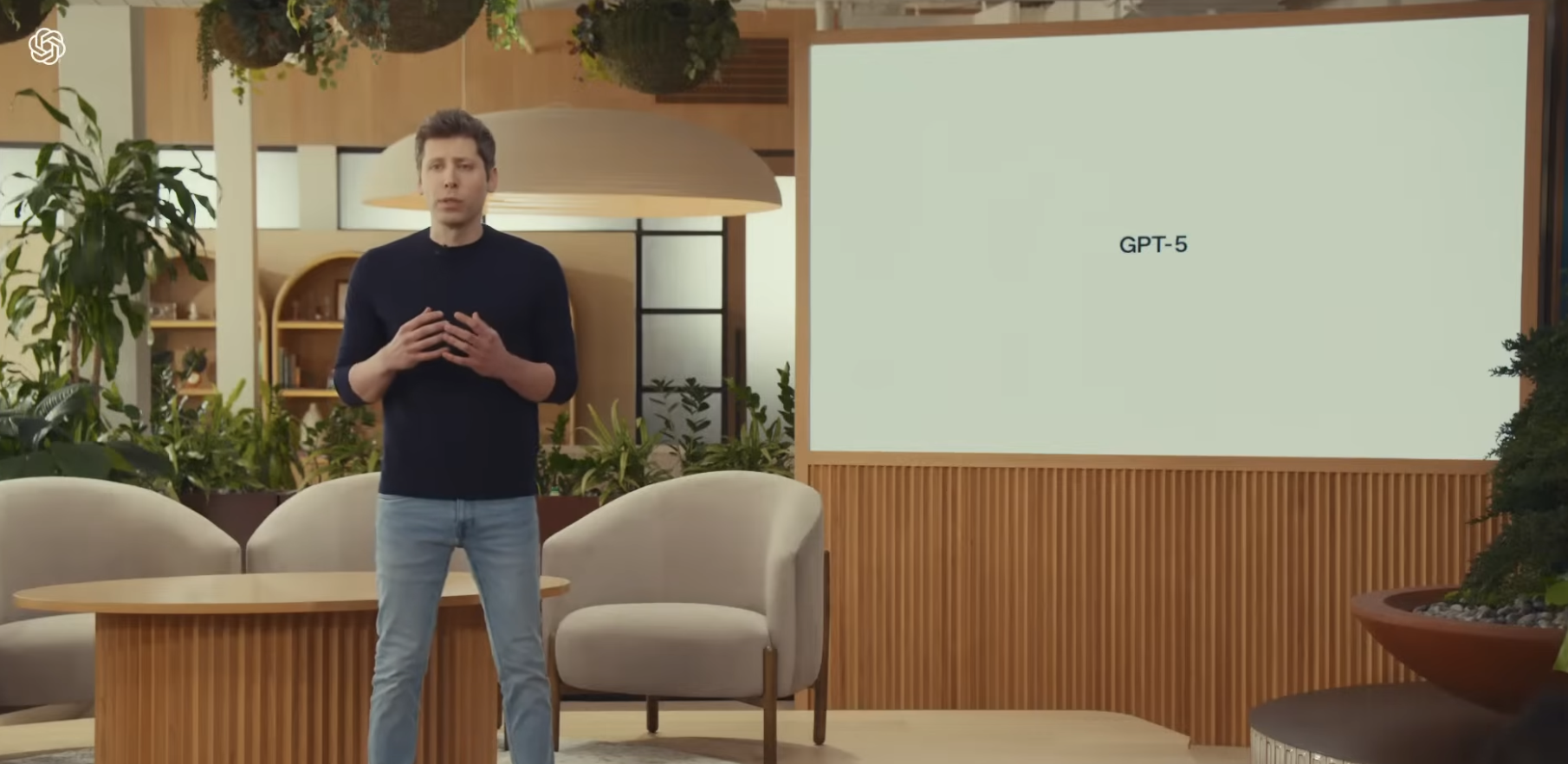
This sentiment is echoed by architects and designers who argue that the trend represents a decline in creative ambition. When every brand—from high-fashion houses to the latest AI startup—utilizes the same visual texture to convey "premium" status, the aesthetic loses its meaning. It becomes "Corporate Memphis" for the physical world—a generic, ubiquitous, and ultimately forgettable style that defines a period of stagnation rather than innovation.
Implications: The Death of a Trend
What are the long-term implications for a design trend that has been publicly declared "dead" by the internet?
1. The Cycle of Cliche
Historically, when a design element reaches this level of ubiquity, it enters the "cliché phase." Much like "millennial pink" in the mid-2010s, the wooden slat is at risk of becoming an anchor that dates any project to the mid-2020s. Once a design becomes an unmistakable timestamp, its utility as a "timeless" or "premium" marker evaporates.
2. The Search for the "Next New"
The inevitable decline of "sauna core" will force brands to look for new ways to differentiate themselves. We may see a shift toward raw, imperfect materials—brutalist concrete, reclaimed industrial metals, or even a return to vibrant, maximalist color palettes—as a direct reaction to the bland uniformity of the wooden slat.
3. The Trust Deficit
Perhaps the most damaging implication is the growing public distrust of the "humanized" aesthetic. When consumers see a piece of AI tech wrapped in fake-looking wood, they are increasingly aware that they are being "sold to." The aesthetic is no longer comforting; it is performative. As users become more design-literate, they will likely seek out brands that are transparent about their materials and designs, rather than those that use aesthetic veneers to mask corporate sterility.
Conclusion: A Lesson in Authenticity
The rise and fall of the vertical wood slat trend offers a poignant lesson for the tech and design industries: authenticity cannot be mass-produced.
By attempting to shortcut the process of "humanizing" technology through a singular, repeatable design element, companies have inadvertently created an environment that feels more sterile than ever. As we look toward the remainder of the decade, the winners in the design space will likely be those who move away from these safe, corporate trends and toward designs that are distinct, tactile, and genuinely representative of the companies behind them.
For now, the slats remain, lining the walls of our offices and the backgrounds of our keynote presentations. But if the current tide of public opinion is any indication, the "sauna core" era is nearing its end. Whether it will be replaced by something more daring or simply another corporate trend remains to be seen—but one thing is certain: the internet is ready for a change.