In the realm of cognitive development, the concept of "object permanence"—the understanding that objects continue to exist even when they cannot be seen, heard, or touched—is a fundamental milestone of infancy. It is the bridge between a chaotic, immediate sensory experience and a coherent, predictable world. But what if that bridge were dismantled? What if the universe functioned on the whimsical, terrifying logic that reality itself is a construct dependent entirely on the observer’s gaze?
This is the central premise of Object Impermanence, an ambitious new first-person puzzle game currently in development by Slugware. By subverting one of the most basic tenets of human cognition, the game promises to challenge players to rethink how they interact with digital environments, turning the simple act of looking into the most potent tool in their arsenal.
Main Facts: A Universe That Only Exists When You Watch It
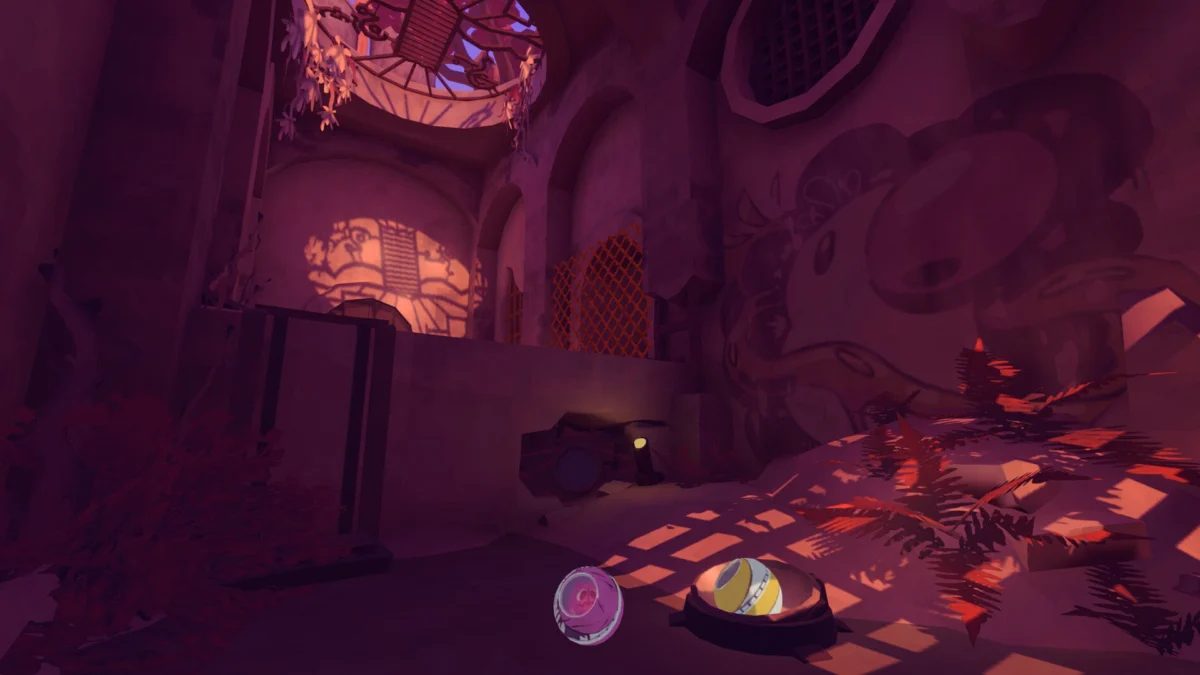
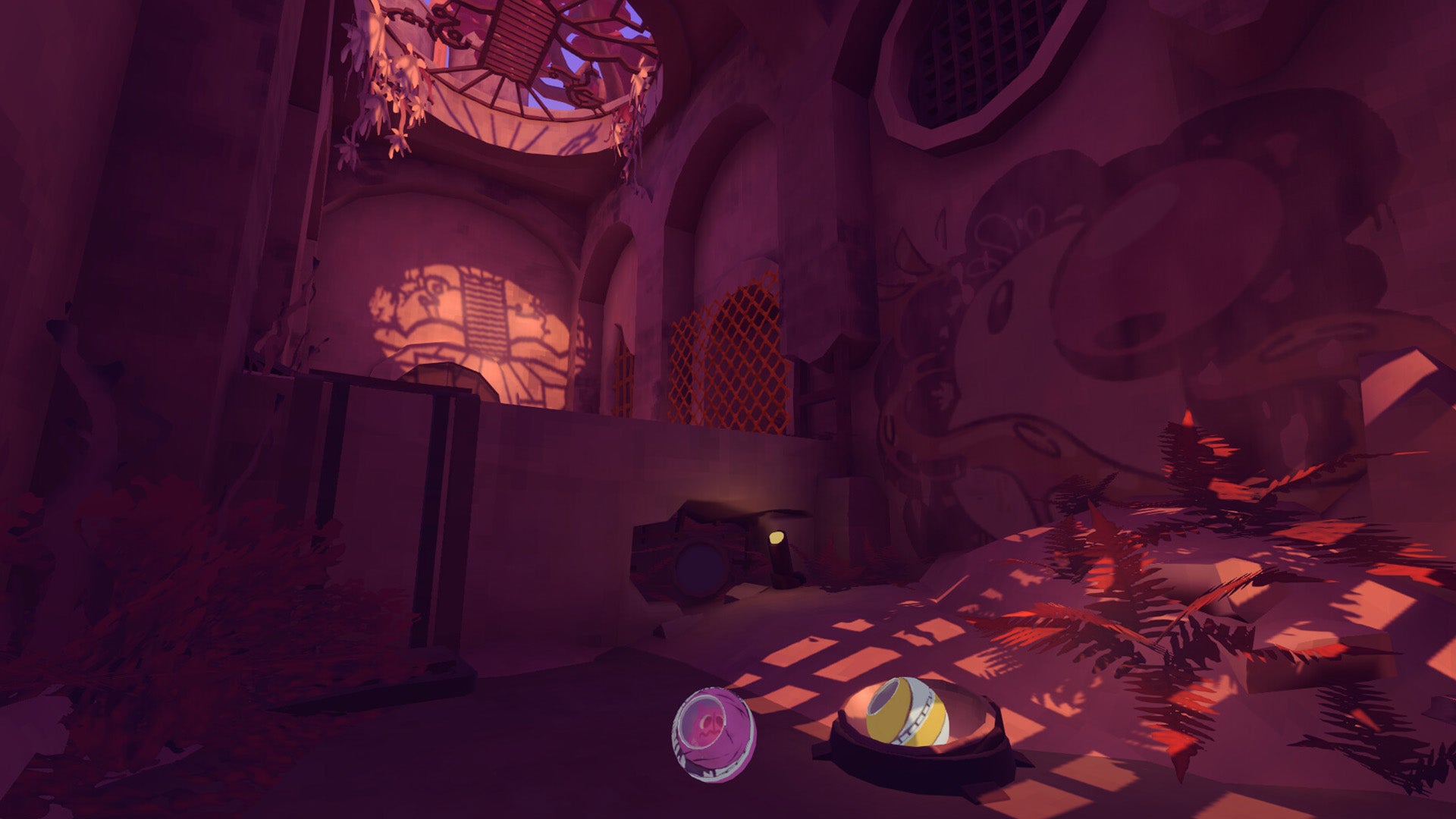
Object Impermanence is a physics-based puzzle adventure that traps players on a mysterious, desolate alien planet. Following a disastrous crash-landing, the protagonist must navigate the crumbling ruins of a long-extinct civilization to find a way home. However, the ruins are governed by a surreal set of physical laws: if an object leaves the player’s field of view, it effectively ceases to exist.
The core gameplay loop centers on this "observer-dependent" reality. Players must carefully manage their line of sight to manipulate their surroundings. Whether it is rolling alien spheres through pipes or navigating hazardous architectural obstacles, the game forces players to master the art of "perceptual management." If you stop watching a moving object, its momentum halts; if you look away from a barrier, it may vanish, potentially clearing your path—or creating a drop-off you didn’t anticipate.
Chronology: From Concept to Reveal
The development of Object Impermanence has been a quiet affair until recently. While Slugware has kept the specifics of their development timeline under wraps, the project recently made a significant public splash with the release of its official reveal trailer.
- Early Development (2024): Slugware began prototyping the "observer-dependent" physics engine, testing how players would react to objects disappearing based on camera frustum clipping.
- Refinement Phase (2025): The team expanded the game’s narrative scope, integrating the "crash-landed explorer" trope to give the abstract mechanics a sense of urgency and mystery.
- Public Reveal (2026): With the launch of the Steam store page and the release of a playable demo, the project entered the public consciousness, drawing immediate comparisons to classic puzzle titles like Portal and The Witness.
- The Road Ahead: The current release window is set for Q4 2026, leaving the developers approximately one year to polish the complex interactions between player camera movement and environmental state.
Supporting Data: The Mechanics of "Looking"
The genius of Object Impermanence lies in how it elevates the "camera" from a passive viewing tool to an active gameplay mechanic. In most first-person games, the camera is merely a window. In Object Impermanence, it is a reality-altering device.
The Physics of Absence
Consider the act of rolling a spherical object through an elaborate system of piping. In a traditional game, the ball would follow a programmed trajectory. Here, the ball only rolls while it is within the player’s view. If the player turns their head away, the ball freezes in time and space. This forces players to "herd" objects by moving their perspective, keeping the object in the corner of their eye like a shepherd tending a flock.
Tactical Blindness
The game introduces a counter-intuitive strategy: looking away to succeed. The trailer demonstrates a scenario involving a high-speed train car hurtling toward the player. By quickly averting their gaze at the critical moment, the player causes the object to despawn, effectively "deleting" a threat from existence. This "tactical blindness" introduces a layer of tension that is rarely explored in the genre; it requires the player to overcome the instinct to look at the danger, instead requiring them to trust that the void is safer than the reality.
Official Responses and Developer Insight
While Slugware has been selective with their press statements, the design philosophy behind Object Impermanence is clearly rooted in a desire to deconstruct game design tropes.
In a recent communication, representatives from the studio hinted that the game is less about "solving" puzzles in the traditional sense and more about "learning to speak the language of the planet." The team noted, "We wanted to create a game that feels like a conversation with the environment. If you treat the environment as a static set of rules, you will fail. You have to treat the environment as a partner that only stays in the room as long as you pay attention to it."
Early testers have praised the game for its unique psychological pressure. "It’s genuinely unnerving," noted one early previewer. "You find yourself walking backward through doors, not because you’re afraid of what’s behind you, but because you’re afraid of what might disappear in front of you."
Implications: The Future of Spatial Puzzles
The success or failure of Object Impermanence will likely serve as a litmus test for "niche-mechanic" puzzle games. By focusing on a single, high-concept rule—the lack of object permanence—Slugware is attempting to join the ranks of developers like Valve or Jonathan Blow, who use singular, strong mechanics to create entire worlds of depth.
Impact on Genre Standards
- The Death of Passive Exploration: Traditionally, players explore levels by looking at everything. Object Impermanence may force a shift toward "minimalist viewing," where players must limit their visual intake to maintain the state of the world.
- New Accessibility Challenges: This mechanic poses significant questions for accessibility. For players who rely on consistent environmental cues, the fluctuating reality of this game could be disorienting. How Slugware addresses these challenges will be a key indicator of their commitment to inclusive design.
- Emergent Storytelling: The lore of the "long-dead society" is directly tied to the mechanic. If the objects they built are failing to stay in existence, is it because the society itself lost the ability to "see" their own world? The meta-commentary on perception is likely to be a major talking point upon release.
A New Standard for Tension
Most horror and puzzle games rely on jump scares or time-limits to create tension. Object Impermanence creates tension through inconsistency. When you cannot rely on the permanence of your environment, you are forced into a state of hyper-vigilance. This could influence future titles, encouraging developers to move away from static environments and toward more reactive, state-heavy worlds.
Conclusion: A Game of Gaze and Gravity
As we approach the Q4 2026 launch, the gaming community is watching Object Impermanence with a mix of curiosity and trepidation. It is a bold experiment that dares to ask what happens when the player is not just a visitor in a game world, but the very glue that holds it together.
The game is currently available for wishlisting on Steam, and the release of the demo serves as a vital entry point for those eager to test their cognitive reflexes. Whether the concept proves to be a fleeting gimmick or a groundbreaking evolution of the genre, one thing is certain: Slugware has ensured that, for the next year at least, all eyes will be firmly fixed on their project. And perhaps, that is exactly what they intended.