


Apple has officially pushed the release of iOS 27 beta 3 to its developer cohort, marking the second significant milestone in the software’s testing cycle since its high-profile unveiling at the Worldwide Developers Conference (WWDC). As the company prepares for a broader public rollout, this third iteration serves as a crucial barometer for the stability and functionality of Apple’s most ambitious operating system update to date.
Centering on the integration of advanced Siri AI capabilities, the expansion of the Apple Intelligence suite, and the introduction of "Liquid Glass" visual refinements, iOS 27 represents a paradigm shift in how users interact with their iPhones. As we move deeper into the summer, the release of this build signals that Apple is narrowing its focus from conceptual innovation to system-wide optimization.
Main Facts: What You Need to Know
iOS 27 beta 3, identified by build number 24A5380h, is currently accessible to all registered Apple developer account holders. This update continues the trajectory set by the previous two betas, prioritizing the foundational architecture of the new AI-driven user experience.
For those eager to test the latest features, the update can be installed via Settings > General > Software Update, provided the user has toggled the "iOS 27 Developer Beta" option within the Beta Updates menu. However, developers and enthusiasts alike are cautioned: this is early-stage pre-release software. Users should anticipate intermittent system instability, potential battery degradation, and compatibility hurdles with third-party applications. Apple strongly advises against installing this build on a primary device, as the risk of data loss or workflow disruption remains higher than in the later, more refined stages of the beta cycle.

Chronology: The Road to iOS 27
The journey toward iOS 27 began with a thunderous keynote address at WWDC, where Apple executives outlined a vision for a "smarter" iPhone.
- Initial Unveiling (WWDC): Apple introduced the core tenets of iOS 27, focusing on deep system integration for generative AI, enhanced privacy protocols, and a complete design overhaul dubbed "Liquid Glass."
- Beta 1: Released shortly after the keynote, this version focused on establishing the new APIs and architectural hooks required for Apple Intelligence to operate locally on the device.
- Beta 2: This mid-June release addressed initial performance throttling and provided the first wave of stability patches, beginning to bridge the gap between the new design language and existing legacy apps.
- Beta 3 (Current): Released in July, this build shifts toward UI/UX polish, including the subtle but noticeable refinement of iconography and system animations that characterize the Liquid Glass aesthetic.
Supporting Data and Hardware Compatibility
The technical requirements for iOS 27 remain a point of contention for some, as the software pushes the boundaries of hardware capability. While the base version of the operating system is compatible with the iPhone 11 and later, along with the iPhone SE (2nd generation) and newer, the headline features tell a different story.
Advanced Apple Intelligence and the full suite of "Siri AI" features are locked behind more stringent hardware requirements. Only the most recent chipsets—specifically those capable of handling the heavy neural processing required for on-device generative tasks—can leverage the full power of the OS. This creates a tiered user experience where the "standard" version of iOS 27 provides UI updates, while the "Pro" experience is reserved for the latest hardware, potentially signaling an aggressive push to drive upgrades during the upcoming autumn launch.
Iconography and Design Evolution
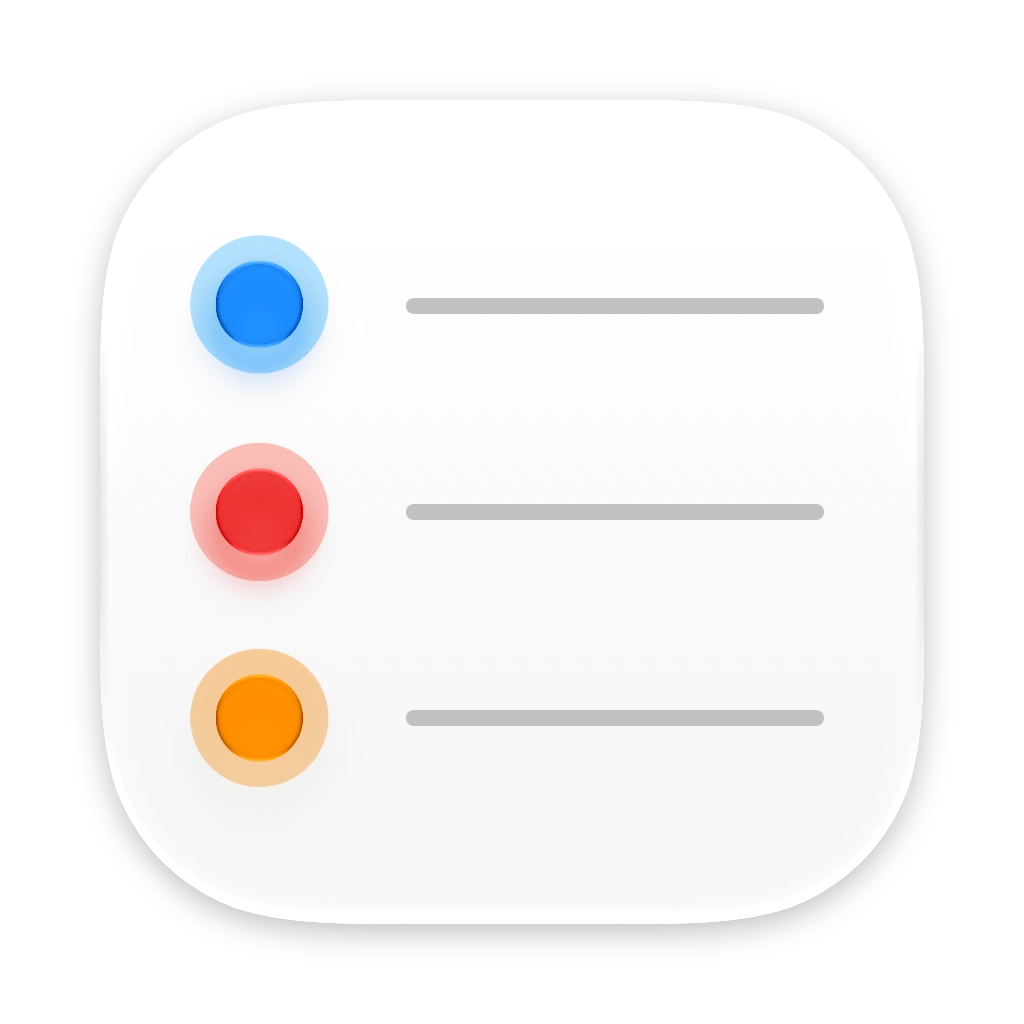
One of the most immediate visual changes noted in beta 3 is the adjustment to system icons. Specifically, the Reminders app has received a subtle refinement, shifting away from the flat, high-contrast design of previous iterations toward a more nuanced, "Liquid Glass" look. This involves softer gradients, increased depth, and a more fluid interaction model that aims to make the UI feel less like a static grid and more like a tactile, responsive environment.

Official Responses and Developer Guidelines
Apple has remained characteristically tight-lipped regarding the specific roadmap for future features, focusing instead on their established developer documentation. Through the Developer Portal, the company has emphasized that the current beta cycle is dedicated to "stress-testing the neural engine integration."
In communication sent to registered partners, Apple noted: "The focus of this beta period is the seamless handoff between cloud-based AI and on-device processing. We are asking developers to optimize their apps for the new Siri Intent protocols, ensuring that user privacy remains the default state for all AI-driven workflows."
While there has been no official statement on the "bugs" mentioned in early feedback, the rapid cadence of these beta releases suggests that Apple’s internal engineering teams are operating on an accelerated schedule to meet the September public deadline.
Implications: The Shift Toward Ambient Intelligence
The implications of iOS 27 extend far beyond mere cosmetic changes. By embedding Siri AI and Apple Intelligence at the kernel level, Apple is attempting to solve the "fragmentation problem" of modern AI. Instead of forcing users to navigate between multiple standalone chatbots or web interfaces, iOS 27 aims to provide an ambient, ever-present assistant that understands the user’s screen context, habits, and preferences.
Impact on App Ecosystem
For developers, the transition is significant. The new Siri Intent APIs mean that any application can potentially become a hub for generative tasks. If a third-party app fails to update, it risks falling behind as system-wide AI tools begin to bypass traditional menus, performing tasks directly within the OS interface. This could lead to a "survival of the fittest" environment where only apps that fully embrace the new Apple Intelligence framework remain relevant.
User Privacy and the "Local First" Approach
A central theme of the beta testing has been Apple’s insistence on "Local First" processing. By forcing much of the AI computation to occur on the iPhone’s Neural Engine, Apple is attempting to address the growing public concern regarding data harvesting. Beta 3 includes enhanced "Privacy Reports" that show, in real-time, how much data is being processed locally versus what is being sent to the cloud for more complex, LLM-based queries.
Looking Ahead: The July Public Beta and Beyond
As the development community dissects the nuances of build 24A5380h, the general public eyes the horizon. Apple is expected to open the gates for a public beta release later this month. This transition from developer-only testing to a public, mass-market trial is the most dangerous phase for the software, as it exposes the OS to millions of users with diverse hardware configurations and app usage patterns.
Following the public beta, the cycle will continue through August with bi-weekly updates aimed at squashing the remaining bugs. The culmination of this effort will be the official launch in September, which will arrive alongside the next generation of iPhone hardware.
Conclusion: A Turning Point
iOS 27 is shaping up to be the most significant update since the launch of the App Store. It is a bold, risky, and technologically demanding overhaul that challenges the status quo of mobile computing. While beta 3 currently presents the typical rough edges of early-stage software, it provides a clear window into a future where the device itself is as intelligent as the services it provides.
For now, the advice remains the same: monitor the changes, test your own workflows if you are a developer, and wait for the stability that only the final gold master release can provide. The "Liquid Glass" era is coming, and with it, a new standard for what we expect from our pockets.
Have you encountered a unique feature or a persistent bug in the latest iOS 27 beta? Join the discussion in the comments section below, or send your findings to our dedicated tip line. As we continue to monitor these developments, keep your notifications on for the latest updates on Apple’s software roadmap.











