

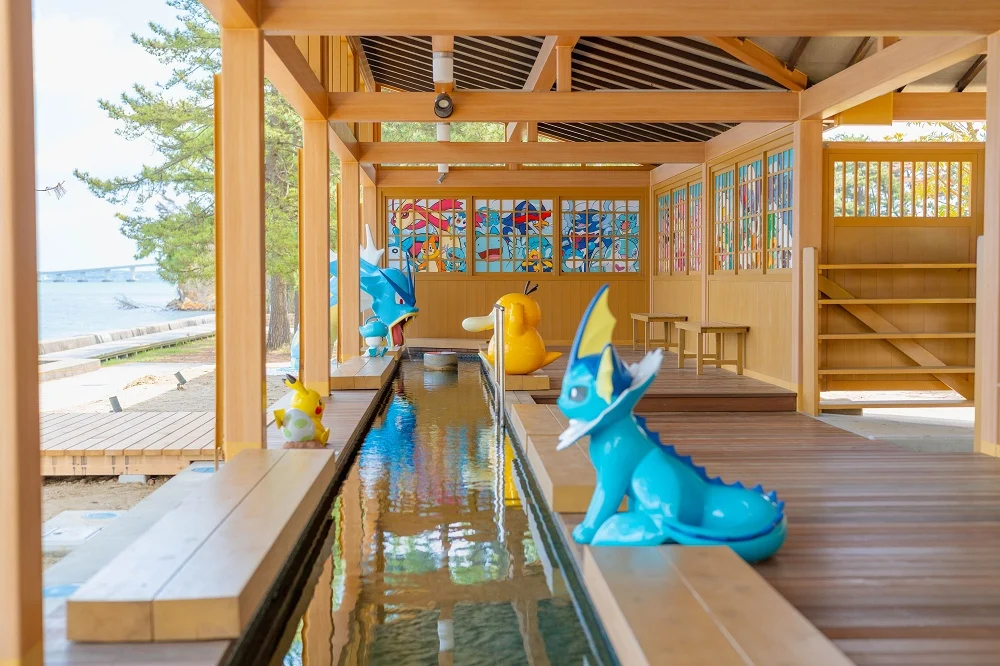
In the tranquil town of Nanao, located in the scenic Ishikawa Prefecture, a unique intersection of Japanese bath culture and global pop culture met an unexpected hurdle. The Wakura Pokémon Footbath, which opened its doors to the public on May 12, 2026, was designed to be a serene sanctuary for fans to relax in mineral-rich waters while accompanied by their favorite pocket monsters. However, the venue’s debut was marred by a series of physical mishaps that left several of the beloved statues in need of urgent repairs.
After weeks of silence and temporary removals, the facility has finally confirmed that all seven original Pokémon statues—Gyarados, Psyduck, Vaporeon, and their four counterparts—are back in place. The restoration marks the end of a brief, chaotic chapter for the attraction, prompting a shift in visitor policy that underscores the delicate balance between interactive tourism and the preservation of public installations.
A Chronology of the "Pokémon Center" Crisis
The journey of the Wakura Pokémon Footbath began with much fanfare, representing the first dedicated Pokémon-themed hot spring facility in Japan. Designed as a promotional initiative to bring joy and foot-traffic to the Noto region, the attraction featured high-quality statues crafted from fiber-reinforced plastic (FRP).
By mid-June, however, the "vacation" for these Pokémon took a turn for the worse. Within less than two months of operation, nearly half of the seven statues had sustained significant structural damage:
- Mid-June: Operators noticed a cracked horn on the Gyarados statue, a frayed tail on the Vaporeon, and a missing segment of a foot on the Psyduck figure.
- Late June: The damage to Psyduck and Vaporeon proved too severe for on-site repair. Much like a trainer rushing their fainted partner to a Pokémon Center, staff were forced to remove the statues and transport them to a specialized facility for structural reconstruction.
- July 4: After weeks of professional restoration, the missing members were returned to their rightful spots at the footbath.
- July 5 Onward: The facility reopened with a fully restored lineup, accompanied by strict new "no-touching" policies to ensure the longevity of the installations.
The Fragility of Fiber-Reinforced Plastic
The structural issues faced by the statues have sparked a broader conversation regarding the materials used in interactive public art. The statues are composed of fiber-reinforced plastic (FRP), a composite material prized for its durability and weather resistance. Under normal circumstances, FRP is robust; however, it is not impervious to the repetitive physical stress of thousands of visitors—many of whom likely felt compelled to pose, lean on, or touch the figures for social media opportunities.
Experts suggest that the designers of the Wakura Footbath may have significantly underestimated the "tactile engagement" level of the general public. While the figures were meant to be viewed and enjoyed, the temptation to bridge the gap between fantasy and reality through touch proved to be a structural liability. The damage sustained by the statues—cracks and broken appendages—suggests that the figures were subjected to more weight and force than their design specifications accounted for.
Official Responses and the "No-Touching" Policy
The incident has necessitated a swift and firm response from the management of the Wakura Pokémon Footbath. Recognizing that the attraction’s charm lies in its visual appeal rather than its physical interactivity, the facility has officially implemented a "look, don’t touch" policy.
"Previously, the hot spring had no explicit rules prohibiting physical contact with the statues," a spokesperson for the facility noted. "However, given the recent incidents, we now formally request that visitors refrain from touching or leaning on the Pokémon."
To enforce this, on-site staff have been instructed to provide gentle, verbal reminders to guests. The reaction from the public has been largely apologetic. According to reports from Chunichi Shimbun and Hokkoku Shimbun, at least two of the incidents were confirmed to be accidental. In these cases, the visitors responsible came forward to express their remorse. The damage to the Psyduck statue, however, remains a mystery; the broken piece was simply discovered on-site, suggesting that if it was an accident, the individual may have been too embarrassed to report it.
The Cultural Implications of "Public Manners"
The situation at the Wakura Footbath is a microcosm of a larger challenge facing tourist destinations across Japan. As "pop-culture tourism" continues to explode, rural areas are struggling to adapt to the sheer volume of visitors. The etiquette of communal bathing—a cornerstone of Japanese culture—relies heavily on the concept of meiwaku (avoiding being a nuisance to others). In a traditional onsen, there is an inherent understanding that one must respect the personal space of others and the communal property of the bathhouse.
The failure to extend this respect to the inanimate Pokémon statues highlights a disconnect between the "fan experience" and traditional etiquette. By treating the statues as personal photo props rather than communal assets, visitors inadvertently damaged the very attraction they traveled to see.
The shift in policy is not meant to be exclusionary, but rather a necessary measure to ensure that the Pokémon remain a part of the landscape for years to come. By asking fans to admire the statues from a respectful distance, the facility is hoping to cultivate a culture of preservation.
Looking Ahead: Sustainability for the Pokémon Footbath
As the Wakura Pokémon Footbath enters its post-restoration phase, the focus has shifted to long-term sustainability. The return of the full roster of seven statues is a win for both the town of Nanao and the Pokémon franchise.
For future visitors, the lesson is clear: the charm of the Wakura Pokémon Footbath is not found in the ability to physically handle the characters, but in the environment they help create. The facility remains a testament to the power of destination branding, where a simple footbath can be transformed into a pilgrimage site for fans of all ages.
However, the "Pokémon Center" repairs serve as a cautionary tale for designers of similar attractions in the future. Whether it is an anime statue, a theme park installation, or a public sculpture, the combination of high-density tourism and delicate materials requires a proactive approach to public interaction.
For now, the Gyarados, Vaporeon, and Psyduck are safely back in their places, once again greeting guests with their signature charm. The facility continues to invite fans to experience the healing, naturally heated waters of the Noto region, provided they leave their hands at their sides. As the summer season continues, the success of these new measures will determine whether the Wakura Pokémon Footbath remains a shining example of Japanese tourism or a cautionary case study in the challenges of managing modern fandom.
For those planning a visit, the official website (noto-pokemon.pref.ishikawa.lg.jp) provides updated guidelines on hours and visitor conduct, ensuring that the next chapter of this Pokémon adventure is one of serene relaxation rather than emergency repairs.











