Raul Delapena Setiawan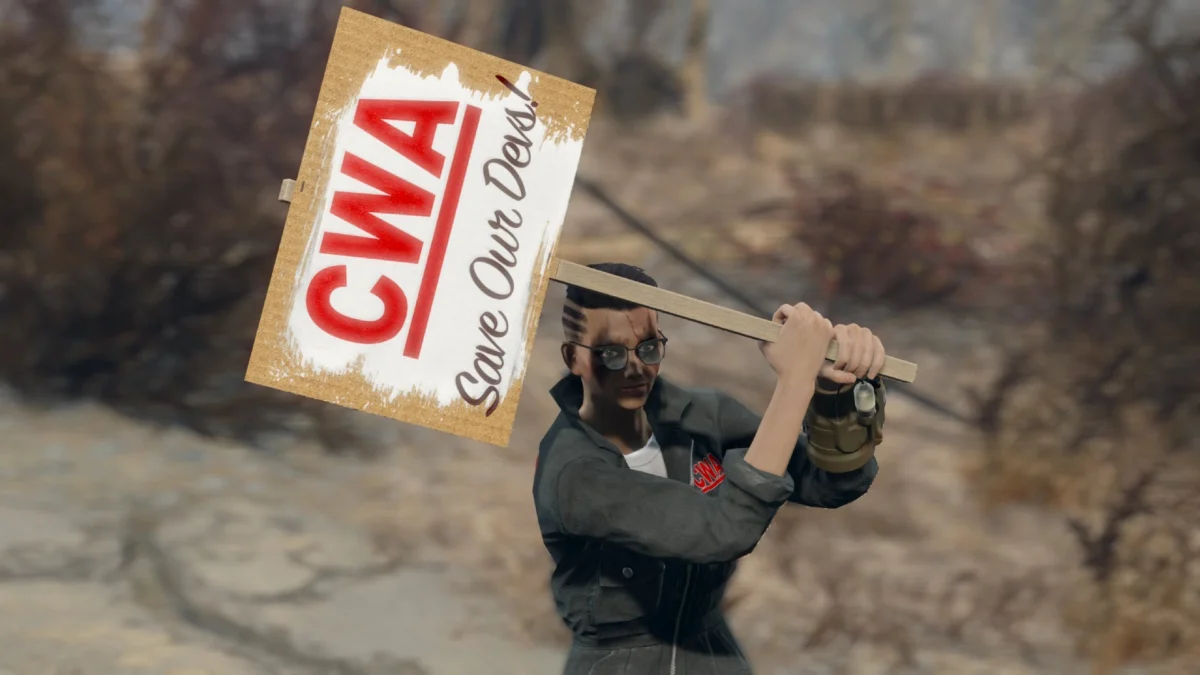
The labor landscape within the video game industry has reached a volatile inflection point. The Communications Workers of America (CWA) and its Canadian counterpart, CWA Canada, have officially escalated their dispute with tech giant Microsoft, filing formal unfair labor practice (ULP) complaints with the U.S. National Labor Relations Board (NLRB). The grievances stem from Microsoft’s recent, sweeping workforce reductions within its gaming division, specifically targeting studios under the ZeniMax Media umbrella, including Bethesda Game Studios, ZeniMax Online Studios, and id Software.
The filing alleges that Microsoft bypassed legally mandated bargaining protocols, effectively undermining the collective bargaining process by unilaterally modifying employee contracts and failing to provide necessary disclosures regarding the scope and nature of the layoffs.
The Core Allegations: Bad Faith and Procedural Failure
At the heart of the CWA’s complaint is the assertion that Microsoft violated its legal obligations by failing to consult with the union before executing significant layoffs. Under labor law, when a collective bargaining agreement is in negotiation or when a union represents a workforce, an employer is generally prohibited from making unilateral changes to working conditions—including the termination of staff—without first engaging in “effects bargaining.”
The CWA claims that Microsoft’s actions constitute “bad faith bargaining” and “coercive conduct.” According to the union, the company’s decision to terminate employees without prior notification or discussion represents an attempt to weaken the union’s position during ongoing contract negotiations. By failing to inform the bargaining units of the specific impacts of these layoffs, the union argues, Microsoft has effectively rendered the collective bargaining process moot.
Carmel Smyth, president of CWA Canada, did not mince words regarding the severity of the situation. "The unions… have jointly filed unfair labour practice complaints against Microsoft alleging the company has unlawfully fired people without giving notice to or discussing it with the union," Smyth stated. She further emphasized that the employer cannot arbitrarily alter working conditions while in the midst of negotiating a collective agreement. "We will continue to file legal challenges if necessary, and do all we can to defend the rights of Bethesda Game Studios workers."
A Chronology of the Dispute
To understand the current legal friction, one must look at the recent timeline of Microsoft’s gaming restructuring.
- January 2024: Microsoft announced massive layoffs affecting approximately 1,900 employees across its Activision Blizzard, ZeniMax, and Xbox divisions. This served as the primary catalyst for the current tension.
- February–March 2024: Following the initial wave of job losses, tensions mounted as unionized workers at Bethesda and other ZeniMax studios expressed concerns over the lack of transparency regarding future job security and the status of ongoing projects.
- April 2024: The CWA organized public demonstrations and rallies outside the offices of major ZeniMax-owned developers, including Bethesda Game Studios, ZeniMax Online Studios, and id Software. These rallies were characterized by visible displays of solidarity, including the use of in-game protest mods for titles like Fallout 4, where players integrated union imagery into the game world.
- May 2024: The formal filing of the ULP complaints with the NLRB was finalized. The legal challenge seeks to force Microsoft to the table and address the procedural failures regarding the recent rounds of workforce reductions.
The Broader Context: Industry-Wide Instability
The conflict at Microsoft is not an isolated incident; it is part of a broader trend of instability within the gaming industry. Throughout 2023 and into 2024, the sector has seen tens of thousands of layoffs. Major publishers—including Electronic Arts, Ubisoft, Unity, and Sony’s PlayStation division—have all engaged in significant staff reductions, citing post-pandemic market corrections and the need to streamline operations to appease shareholders.
However, the Microsoft case is unique due to the company’s recent, high-profile acquisition of Activision Blizzard and its ongoing integration of ZeniMax Media. These mergers were initially viewed by some labor advocates as a chance to bring more professional structure and stability to the industry. Instead, the current dispute suggests that the integration process has been characterized by friction, lack of communication, and a perceived disregard for the newly unionized segments of the workforce.
Official Responses: A Clash of Perspectives
The divergence between the union’s narrative and the corporation’s stance is stark. Microsoft, while acknowledging the emotional toll of the layoffs, maintains that it is acting within the bounds of its business strategy.
An Xbox spokesperson provided the following statement: "We respect our employees’ right to make their voices heard, and recognize that this is a difficult time for many. We reached out to the union to begin effects bargaining and are committed to that process. We remain focused on supporting impacted employees through this transition while positioning the organization for long-term strength."
This statement highlights the corporate focus on "long-term strength," a phrase that has become a common euphemism in the tech industry for cutting overhead costs. The CWA, conversely, argues that this "strength" is being built on the backs of employees who were denied a seat at the table. For the union, the "effects bargaining" that Microsoft claims to be committed to is a hollow process if the fundamental decisions have already been made and executed without their input.
Implications for the Future of Game Development
The legal outcome of this complaint could have far-reaching consequences for the gaming industry.
1. Precedent for Collective Bargaining
If the NLRB rules in favor of the CWA, it could set a powerful legal precedent. It would clarify that even in the context of mass corporate restructuring, large tech conglomerates are not exempt from labor laws regarding notification and bargaining. This could force companies like Microsoft to fundamentally change how they approach downsizing, potentially slowing down the speed at which layoffs are executed to ensure compliance.
2. The Rise of Industry Unionization
The conflict has galvanized labor activists within the gaming space. The sight of developers from id Software and Bethesda joining picket lines has provided a blueprint for other studios to follow. As workers see that legal and collective action is possible, even against the world’s most powerful tech companies, we may see an acceleration in unionization drives across the industry.
3. Impact on Studio Culture
The "disposable worker mentality," as described by critics of the recent layoffs, has had a profound impact on the morale of those who remain. Reports indicate that the remaining staff at affected studios are being forced to take on the workloads of their former colleagues, leading to burnout and a loss of creative momentum. The tension between management and the remaining workforce is likely to persist as long as the legal battle continues, potentially affecting the quality and release timelines of upcoming titles.
4. Shareholder vs. Stakeholder
The situation highlights the ongoing struggle between the interests of shareholders, who often demand immediate cost-cutting measures during market fluctuations, and stakeholders, which include the employees who build the products. The CWA’s legal challenge is a direct pushback against a model where workers are treated as variable costs to be trimmed rather than essential assets to be retained.
Conclusion
The confrontation between the CWA and Microsoft is a defining moment for the gaming industry. It pits the rapid, efficiency-driven decision-making of one of the world’s largest corporations against the burgeoning collective power of its workforce. As the legal proceedings move forward, the eyes of the entire tech sector will be on the NLRB.
Whether this dispute leads to a more collaborative labor environment or a prolonged period of litigation and unrest remains to be seen. What is clear, however, is that the era of "quiet" mass layoffs in gaming is effectively over. The workforce has found its voice, and through organizations like the CWA, they are proving that they are no longer willing to be silent participants in their own displacement. The outcome of this struggle will likely determine the labor standards for game developers for years to come.

 Asro
Asro
 Muslim