Ammar Sabilarrohman
Following the tragic death of actress Hayden Panettiere at the age of 36 on August 16, a global wave of grief has transformed into a pointed campaign of public accountability. While fans and peers have spent the last week memorializing her prolific career—spanning from her breakout childhood roles to her iconic portrayal of Claire Bennet in Heroes—the discourse has shifted toward a disturbing revelation from the final months of her life.
Panettiere, who was known for her transparent struggles with addiction, motherhood, and postpartum depression, used her final year to shed light on the corporate hypocrisy she faced at the height of her fame. Her memoir, This Is Me: A Reckoning, details an alleged instance of corporate retaliation by skincare giant Neutrogena that has ignited a massive, grassroots boycott. As the digital outcry intensifies, the conversation has moved beyond social media indignation, impacting the stock performance of Neutrogena’s parent company, Kenvue, and raising profound questions about how brands handle the mental health narratives of their celebrity ambassadors.
The Core Allegation: A Contractual "Morals Clause"
The heart of the controversy lies in an allegation Panettiere brought to light earlier this year while promoting her memoir. Panettiere, who served as a prominent face for Neutrogena for over a decade, alleged that the brand attempted to terminate her contract abruptly in 2015 after she went public with her diagnosis of postpartum depression.
During a candid interview on Jay Shetty’s On Purpose podcast in May, Panettiere recounted the shocking moment she was informed that her advocacy was viewed as a liability. "Of all the things that they would fire me over, this was the last thing I thought they would fire me over," she stated. According to the actress, the company invoked a "morals clause"—a standard legal provision in talent contracts that allows a brand to terminate an agreement if the individual engages in behavior deemed detrimental to the company’s reputation.
Panettiere’s team successfully fought the immediate termination, but the damage to the professional relationship was irreparable. The company opted not to renew her contract the following year, effectively ending a decade-long partnership with silence. Panettiere noted that the lack of professional closure—receiving no acknowledgment or gratitude after years of representing their products—was one of the most painful experiences of her career.
Chronology: From Beauty Icon to Mental Health Advocate
To understand the weight of this betrayal, one must look at the timeline of Panettiere’s relationship with the beauty industry.
The Rise of a Partnership (2006–2014)
In the mid-2000s, Panettiere became a fixture in Neutrogena’s marketing campaigns. Her youthful image and reliability made her the ideal face for the brand’s acne-fighting and cleanser lines. For years, she was a central figure in their advertising strategy, appearing in national television spots and print media.
The 2015 Turning Point
In September 2015, less than a year after the birth of her daughter, Kaya, Panettiere appeared on Live with Kelly and Michael. During an unscripted moment, she spoke openly about the intense emotional toll of postpartum depression, noting that she drew from her own experiences to portray similar struggles in the television series Nashville. Her testimony was widely praised by mental health organizations as a courageous step toward destigmatizing the condition.
The Alleged Retaliation
Shortly after the Live appearance, Panettiere claims she received the call from corporate representatives informing her that her honesty had violated the terms of her contract. While she was not fired that day, the relationship entered a "dead zone" of cold treatment.
The "Reckoning" (2026)
In the months leading up to her death, Panettiere sought to reclaim her narrative. In both her memoir and a feature interview with The Hollywood Reporter, she detailed the incident, expressing a hope that her transparency would force corporations to reconsider how they treat ambassadors who experience human struggles.
Public Outrage and the Power of the Boycott
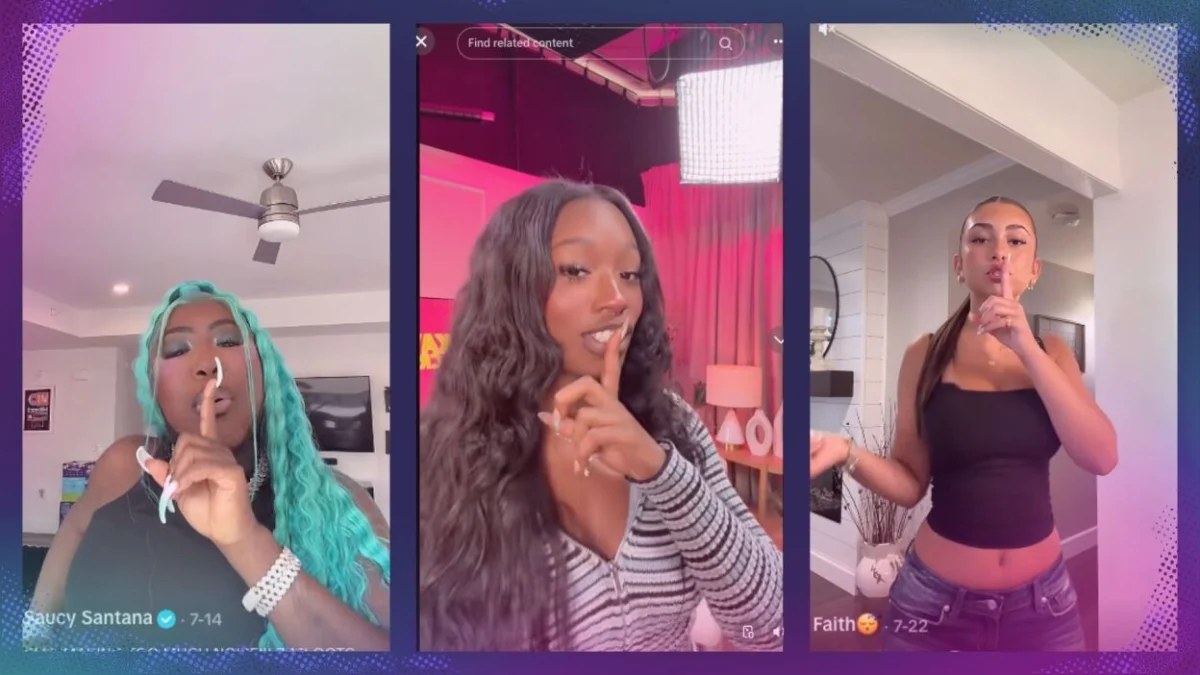
The reaction to these revelations has been swift and unforgiving. A single Reddit post on the r/Anticonsumption subreddit, detailing the alleged treatment of Panettiere, garnered over 7,000 upvotes and hundreds of comments within days. This sentiment has bled into TikTok, X (formerly Twitter), and Instagram, where users are posting "declutter" videos—recording themselves throwing away Neutrogena products—and tagging the company’s official accounts.
The outcry is fueled by a collective sense of betrayal. Fans are pointing to the irony of a company that markets "self-care" and "wellness" simultaneously punishing a woman for speaking about her mental health. "You cannot sell beauty products to women while penalizing them for the reality of being a woman," one popular TikTok creator noted in a viral video.
Market Impact
The backlash is not merely symbolic. On Monday, shares of Kenvue, the consumer health giant that owns Neutrogena (alongside Tylenol, Aveeno, and Band-Aid), saw a decline of more than 2 percent. While market fluctuations can be attributed to various factors, analysts have noted that the sudden, concentrated volume of negative social media sentiment is a "contributing factor" to the brand’s recent instability in public perception.
Official Responses and Corporate Silence
To date, Neutrogena and Kenvue have maintained a position of strategic silence. Despite multiple requests for comment from major media outlets since the allegations surfaced in May, the company has declined to provide a statement regarding the specific claims made by Panettiere.
This silence has only served to exacerbate the frustration of the consumer base. In the age of corporate social responsibility, silence is often interpreted as a lack of accountability. Crisis management experts suggest that by failing to address the claims, the company is allowing the narrative to be defined entirely by the actress’s supporters.
"When a brand is accused of penalizing an ambassador for mental health advocacy, they are essentially attacking the core values of their modern demographic," says brand strategist Elena Vance. "Remaining silent is a high-risk gamble. It suggests they either have no defense or that they do not view the concerns of their consumers as a priority."
The Broader Implications for Celebrity Partnerships
The case of Hayden Panettiere and Neutrogena serves as a sobering case study for the entertainment and advertising industries. It highlights a critical tension: the desire for "authentic" celebrity spokespeople versus the rigid, sanitized requirements of corporate legal departments.
The "Authenticity" Trap
Brands spend millions of dollars to secure celebrities who appear "relatable" and "authentic." However, when that authenticity reveals the darker, more difficult sides of life—such as depression or addiction—corporate interests often clash with the human reality. The result is a dangerous double standard that can have severe psychological impacts on the individuals involved.
Reevaluating Morals Clauses
Legal experts are now calling for a re-examination of "morals clauses" in talent contracts. Historically, these clauses were designed to protect brands from illegal activities or extreme public scandals. In the modern era, however, they are increasingly being weaponized against individuals for personal health disclosures.
"There is a growing movement to redefine what is considered ‘detrimental’ to a brand," says entertainment attorney Marcus Thorne. "Discussing one’s mental health is not a moral failing. If brands continue to use these clauses to stifle honest human experiences, they will find it increasingly difficult to secure talent who are willing to risk their reputations for a partnership."
Conclusion: A Legacy of Truth
Hayden Panettiere’s death has cast a long shadow over the industry that once profited from her image. The current boycott is, in many ways, an extension of the work she began in her final months: an attempt to force a "reckoning" regarding how society, and the corporate entities within it, treat women in the public eye.
As the hashtags #JusticeForHayden and #BoycottNeutrogena continue to trend, the company faces a crossroads. They can continue to hide behind silence, hoping the storm passes, or they can engage in the difficult work of addressing the systemic failures that allowed a decade-long partnership to end in such a callous manner.
For now, the consumers have made their choice. They are choosing to honor Panettiere’s voice, ensuring that while the actress may be gone, the truth she sought to expose is heard loud and clear. Her story serves as a reminder that the most valuable commodity in the world of influence is not a product or a brand, but the humanity of the person behind the screen.

 Siti Muinah