Nana
Nana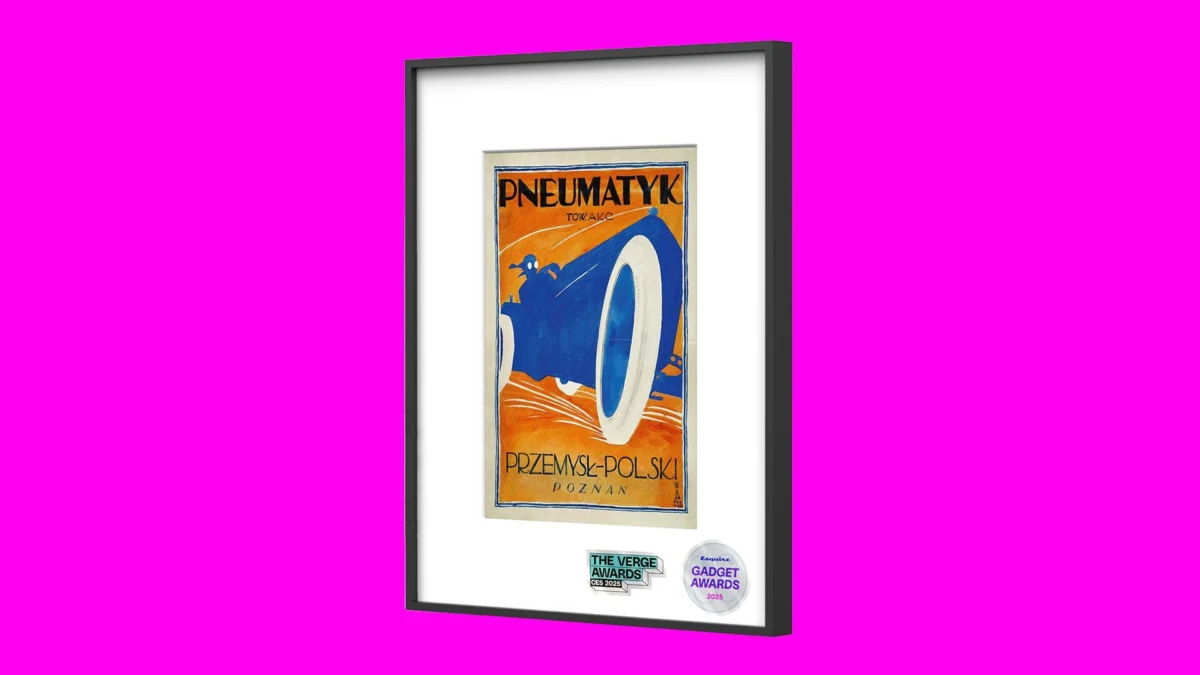
For years, the "Frame TV" has been the gold standard for tech-savvy interior design. The promise was simple: a television that disguised itself as a piece of fine art when not in use, hiding the clutter of black plastic screens behind a digital facade. Yet, as the market matures, design enthusiasts are realizing that a television, no matter how well-disguised, is still a television. It emits light, it requires constant power, and it anchors a room to a specific seating arrangement.
Enter the rise of the e-ink digital art frame. These devices are shifting the conversation away from "smart home entertainment" toward "ambient digital aesthetics." Leading this charge is the Swiss-based innovator InkPoster, whose recent hardware lineup is challenging the dominance of traditional display technology in the living space.
The Core Shift: Why E-Ink Outshines OLED for Art
The primary drawback of using a standard LED or OLED screen to display art is the "glow." TVs are emissive displays; they generate light to create an image. Even when dimmed, they possess a clinical, digital quality that rarely mimics the organic look of pigment on canvas.
E-ink technology—the same tech found in high-end e-readers like the Kindle—operates on an entirely different principle. It is reflective, not emissive. It uses millions of microcapsules containing charged pigment particles that shift into place to form an image. When the image is set, the screen requires zero power to maintain it. The result is a matte, non-reflective surface that looks remarkably like a physical print. There is no blue light, no glare, and no "hum" of electronics. It simply exists as a static, serene piece of art that happens to be dynamic.
Chronology: The Evolution of Digital Display
The journey from simple digital photo frames to sophisticated art displays has been marked by three distinct phases:
- The Early Adoption Phase (2000s): The market was flooded with low-resolution, high-gloss LCD frames that suffered from poor color accuracy and awkward, pixelated transitions. These devices were often relegated to dusty shelves.
- The "Frame TV" Era (2017–Present): Samsung’s The Frame revolutionized the category by integrating art into the television experience. It proved there was a massive consumer demand for "invisible" tech, but it remained tied to the constraints of traditional television hardware.
- The E-Ink Renaissance (Current): With the recent availability of larger, higher-resolution e-ink panels, companies like InkPoster have been able to scale up the technology. This era is characterized by a focus on "analogue feeling" digital hardware, where the tactile quality of the frame—using materials like wood, metal, and fabric—becomes just as important as the pixels on the screen.
Supporting Data: By the Numbers
The shift toward ambient technology is supported by a growing preference for "calm tech" in residential design.
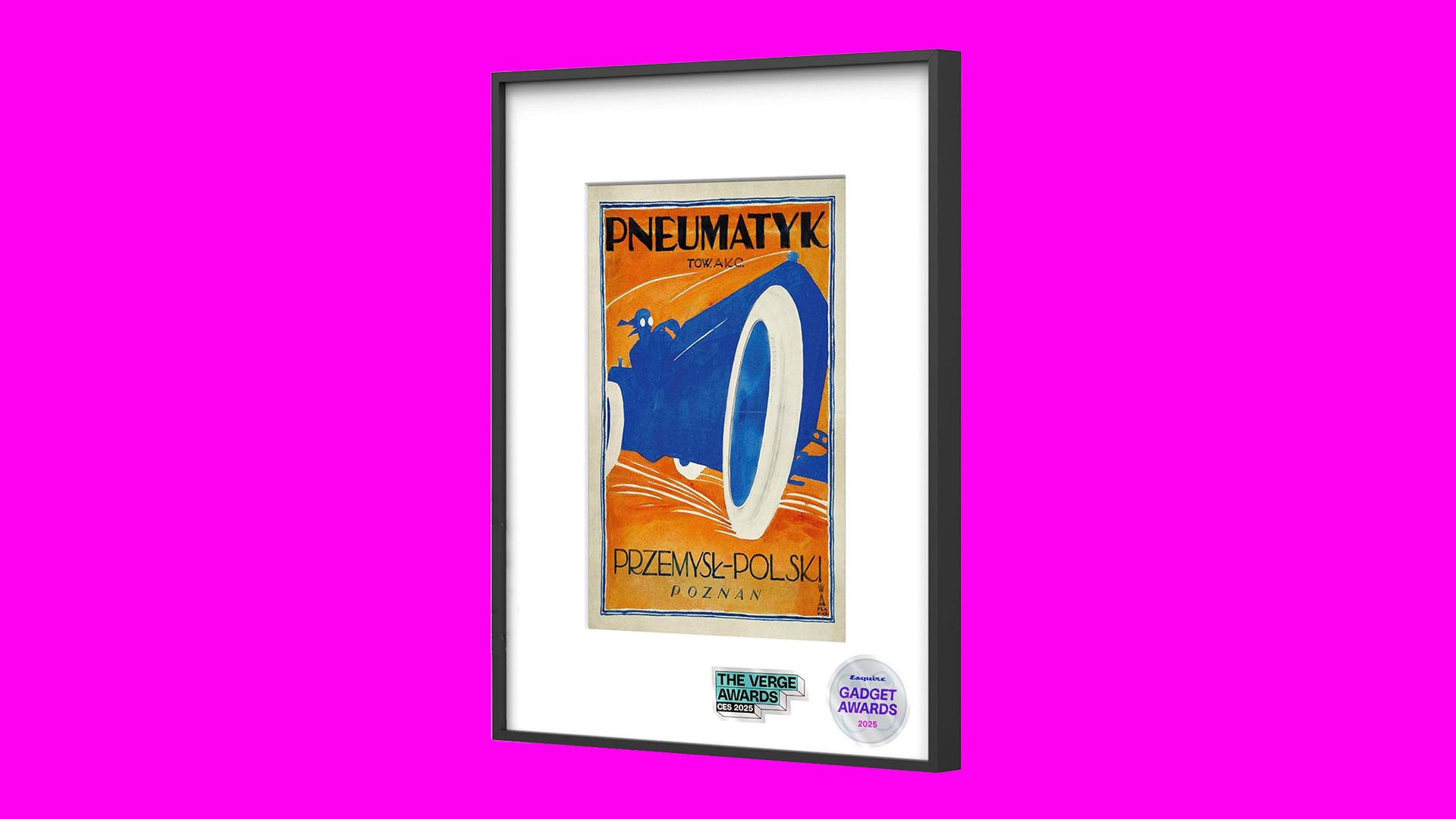
- Versatility: Unlike a television, which requires a specific wall mount and cable management, the InkPoster Affresco series—starting at $499—offers a degree of placement freedom that TVs cannot match. Because these frames can run on battery power after an initial upload, they can be placed in bookshelves, hallways, or entryways where electrical outlets are nonexistent.
- Energy Efficiency: A 65-inch 4K TV consumes significant electricity while displaying a static image for hours. An e-ink frame uses power only during the "refresh" cycle—when the image changes. Over a year, the energy savings for an e-ink display compared to a standard TV are substantial, appealing to the growing demographic of eco-conscious consumers.
- Size Options: InkPoster currently offers a tiered approach to sizing:
- The Affresco (31.5-inch and 13.3-inch): Designed for standard wall mounting and smaller vignettes.
- The Tela (Mid-sized): A specialized model that focuses on high-end design, featuring premium materials like Alcantara passepartouts, created in collaboration with the legendary Italian design house Pininfarina.
Official Perspectives: The "Analogue Heart"
In our testing of the 28.5-inch InkPoster Tela, the most striking feature was not the sharpness of the images, but the transition process. When an image is updated via the companion app, the pigment microcapsules shift in a slow, rhythmic "printing" motion.
"It’s a deliberate, almost meditative process," notes our review team. "There is a satisfying weight to the hardware. It doesn’t feel like a computer; it feels like an object of craft."
The InkPoster app serves as the bridge between the digital and physical worlds. Users can curate their own galleries, upload personal photography, or choose from a library of classic masterpieces. The ability to crop and resize images within the app before sending them to the frame allows for a professional level of composition that is rarely available in consumer-grade display tech.
Implications for Interior Design and Lifestyle
The rise of e-ink art frames suggests a broader trend in how we interact with our homes. We are moving away from the "black mirror" aesthetic, where our walls are dominated by dormant electronics.
1. The Death of the "Centerpiece"
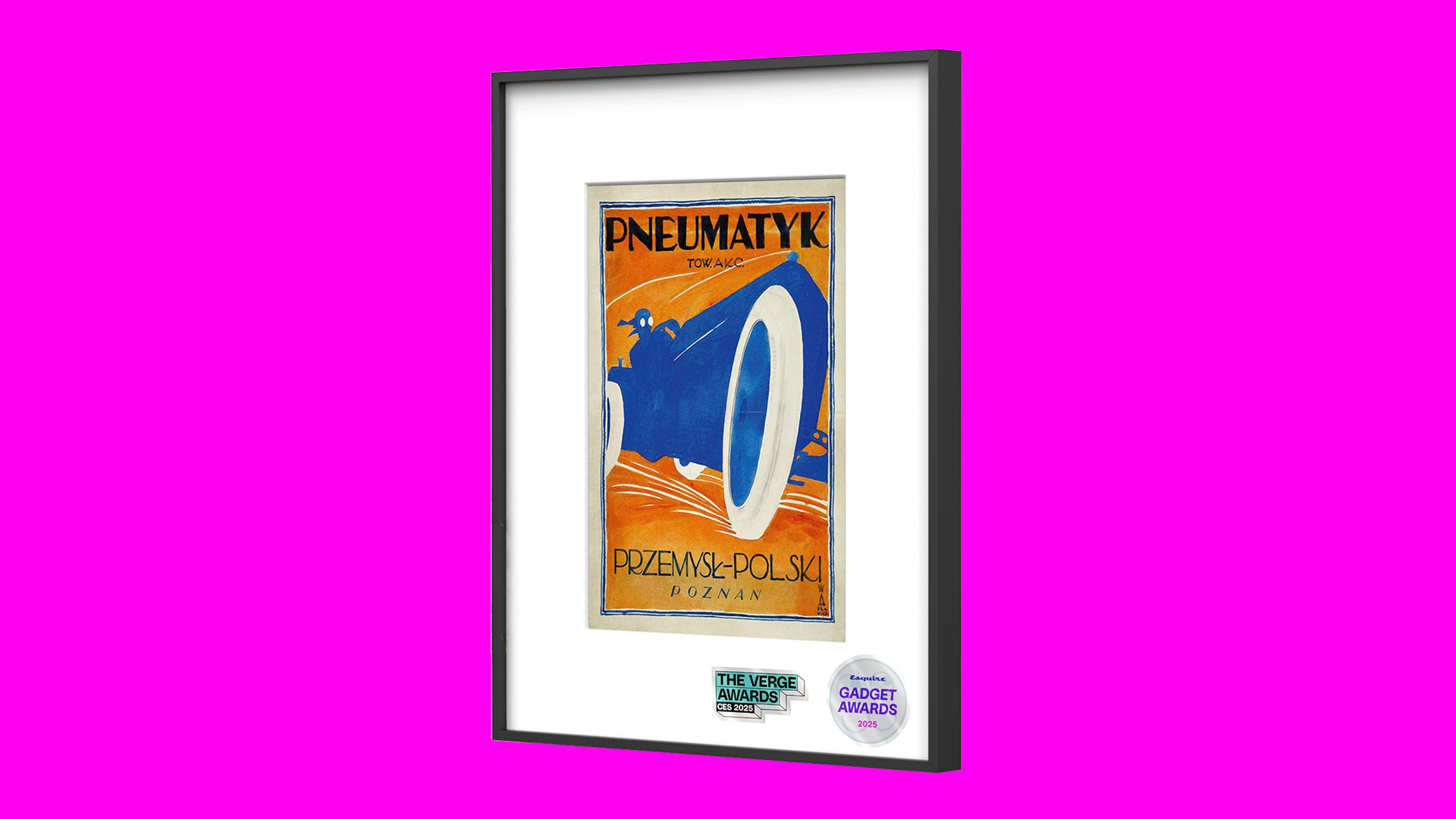
For years, the TV was the altar of the living room. E-ink frames allow for a more decentralized approach to home decor. Because they are thin, wireless, and matte, they can be treated exactly like traditional paintings. You can hang them in a grouping, place them on a mantel, or lean them against a bookshelf.
2. Cognitive Well-being
There is an increasing body of research suggesting that constant exposure to emissive screens increases cognitive load. By replacing a digital screen with a static, reflective image, users are reclaiming a sense of "visual silence" in their homes. The frame doesn’t buzz, it doesn’t notify you of emails, and it doesn’t emit a harsh glow in a dark room.
3. Democratizing Curated Art
While a limited-edition print can cost thousands of dollars, an e-ink frame provides a gateway to a rotating collection of world-class art. It effectively turns the wall into a gallery that can change with the seasons, the homeowner’s mood, or the specific aesthetic of a social gathering.
Conclusion: A New Standard for Home Tech
The InkPoster Affresco and Tela models are not merely gadgets; they are a response to the fatigue consumers feel toward over-connected, high-glare electronics. By stripping away the "smart" features that distract—the menus, the apps, the streaming services—and focusing on the pure aesthetic function of the device, these frames have carved out a unique space in the market.
As we look toward the future of home technology, the winner will likely not be the device with the highest refresh rate or the brightest colors, but the one that disappears most effectively into the fabric of our lives. In the quiet, deliberate shift of e-ink particles, we find a perfect balance between the convenience of digital technology and the timeless beauty of the canvas.
Whether you are an art aficionado looking to rotate your collection or a homeowner seeking a sophisticated alternative to the traditional TV, the e-ink frame represents a sophisticated, design-forward leap forward. For those ready to step away from the glowing screen, the future of home decor is, quite literally, looking a little more matte.


 Neng Nana
 Dwi Wanna