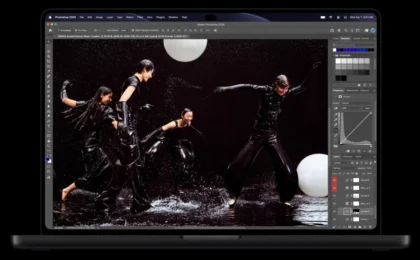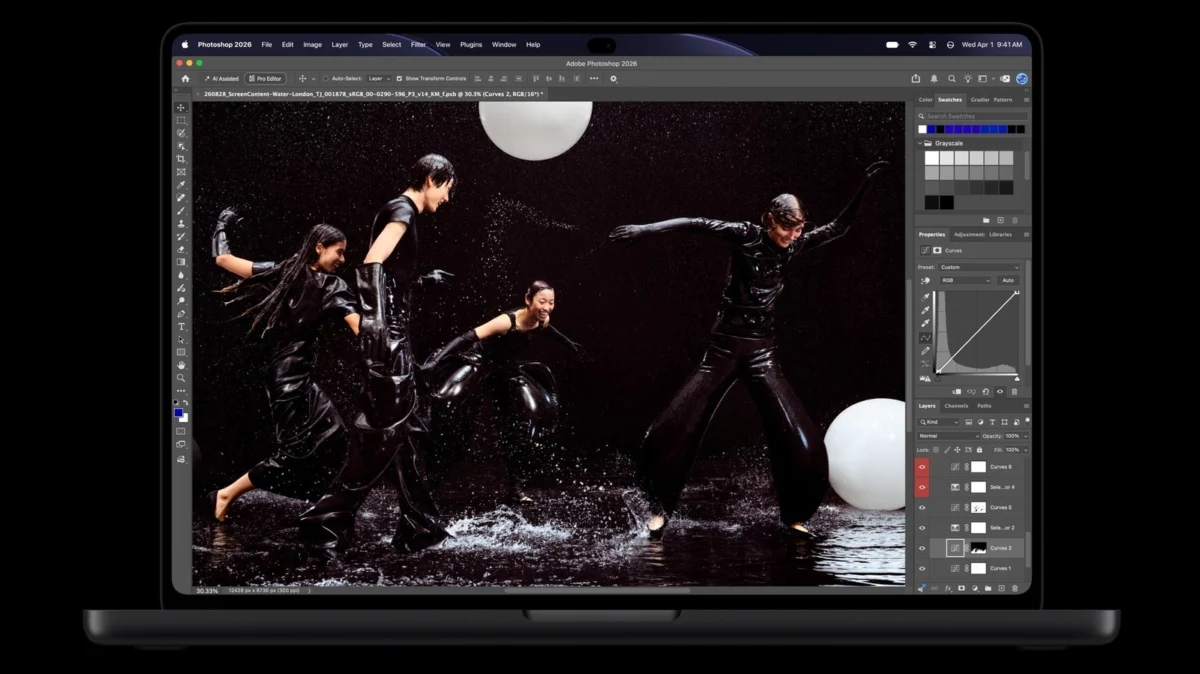
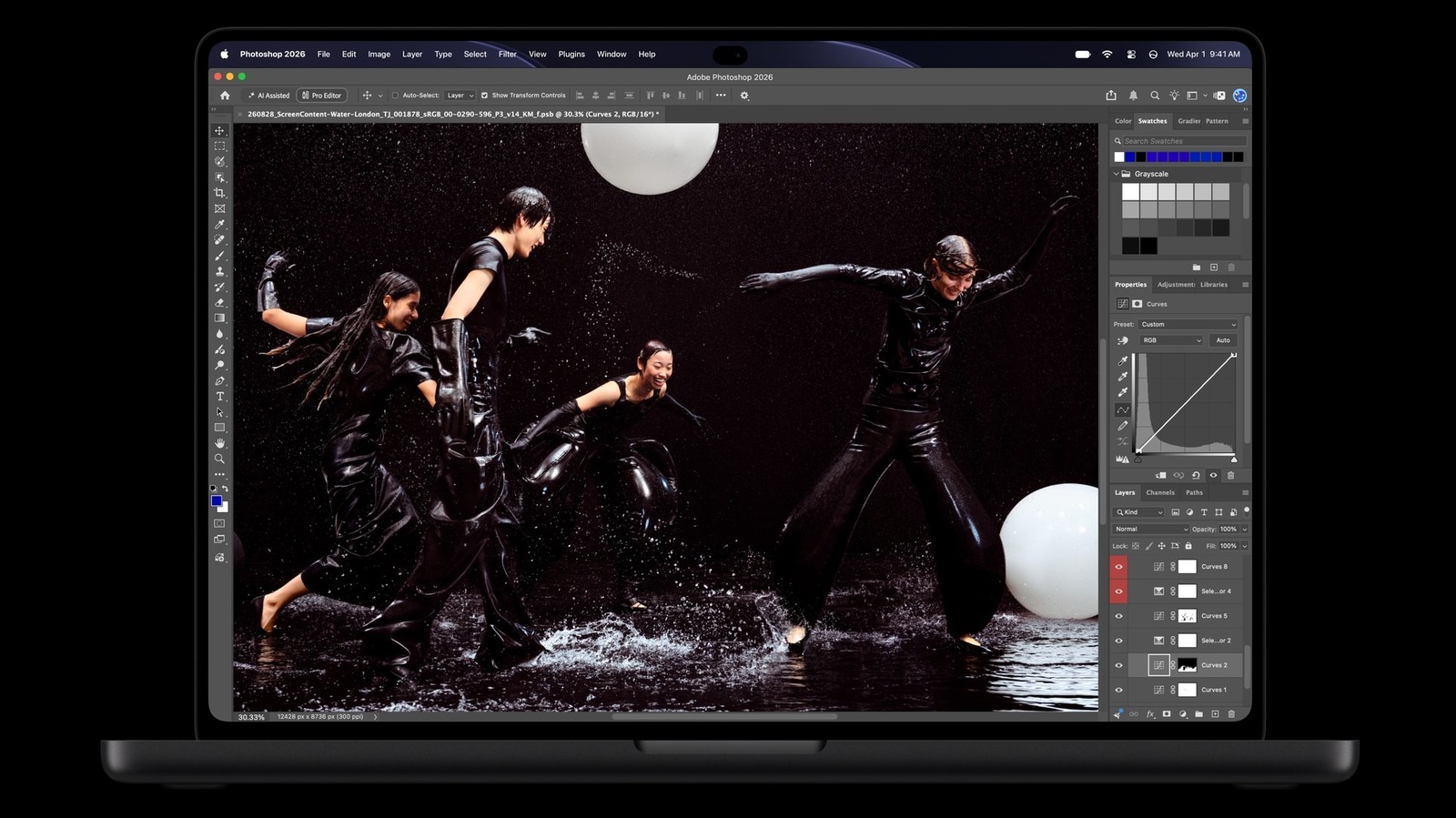
While the tech industry’s collective attention has been fixated on the arrival of the long-rumored touchscreen MacBook Pro, a quiet revolution has been unfolding beneath the glass. Apple, never one to shy away from creating its own nomenclature, has introduced a display technology it calls "PROLED XDR." To the casual observer, the name may sound like a marketing department’s attempt to sound futuristic—perhaps even a bit "cringy," as some critics have noted. However, a technical audit of the specifications suggests that Apple’s latest display isn’t just a branding exercise; it is a significant leap forward in mobile visual fidelity.
For creative professionals—photographers, colorists, video editors, and 3D artists—the display is the most critical component of the workflow. With the latest MacBook Pro models, Apple has moved beyond the industry standard to integrate a tandem OLED architecture that promises to solve the perennial issues of brightness, longevity, and color precision that have long plagued organic light-emitting diode technology.
The Core Technical Innovation: Tandem OLED Architecture
At the heart of the PROLED XDR display lies tandem OLED technology. First popularized by Apple in the M4 iPad Pro, this architecture represents a fundamental departure from the single-layer OLED panels found in most laptops. By stacking two organic emission layers into a single panel, Apple has effectively doubled the output potential of the display without pushing individual pixels to their breaking point.
This stacked approach is not merely about increasing brightness; it is about efficiency and longevity. One of the primary limitations of OLED technology is the susceptibility to "burn-in"—a degradation of organic compounds caused by static elements on the screen over time. By distributing the workload across two layers, the PROLED XDR panels can achieve significantly higher luminance while running at a lower current, which drastically reduces the physical stress on each pixel.
Furthermore, early technical analysis suggests that Apple has opted for a unique triangular pixel arrangement rather than the traditional striped RGB OLED configuration. While Apple has yet to provide granular technical documentation regarding this shift, such an arrangement is often utilized to optimize sub-pixel density, potentially resulting in vastly improved text sharpness and reduced fringing, a common complaint in traditional OLED implementations.
A Chronology of Apple’s Display Evolution
To understand the magnitude of the jump to PROLED XDR, one must look at the trajectory of Apple’s display strategy over the last decade:
- The Retina Era (2012–2019): Apple mastered the high-density LCD, pushing boundaries in color gamut coverage and pixel density, though struggling with contrast ratios inherent to backlighting technology.
- The Mini-LED Transition (2021): The introduction of Liquid Retina XDR (Mini-LED) marked a turning point. By using thousands of local dimming zones, Apple finally achieved deep blacks and high-peak HDR brightness, effectively bridging the gap between professional reference monitors and consumer laptops.
- The OLED Shift (2024–2025): With the maturation of tandem OLED, Apple determined that the technology had reached the "pro" threshold. The integration of a touch-sensitive layer onto this substrate was the final piece of the puzzle, necessitating the transition from the legacy Mini-LED to the current PROLED XDR branding.
This evolution illustrates a company that is remarkably cautious, waiting for display technology to reach a level of "industrial-grade" reliability before fully committing to a platform-wide transition.
Supporting Data: Why "PRO" is More Than a Label
Apple’s claims regarding the PROLED XDR display are aggressive, particularly when compared to the existing high-water mark set by its own Mini-LED panels.
Luminance and Contrast
The new panels are rated for 2,000 nits of peak HDR brightness. To put that in perspective, current Mini-LED models peak at 1,600 nits. In the world of HDR video grading, those 400 extra nits provide a significantly wider dynamic range, allowing for more specular highlights in complex lighting scenes. More impressive, however, is the stated 10,000,000:1 contrast ratio. Because OLED pixels can be turned off entirely, the "true black" capability provides a level of depth that backlit displays simply cannot replicate, regardless of how many dimming zones they employ.
Color Accuracy and Gamut Coverage
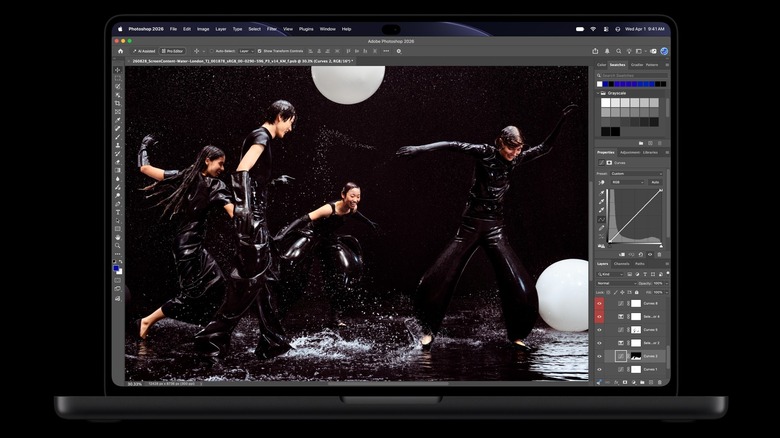
For the professional colorist, the PROLED XDR is a mobile reference monitor. The display supports the full P3 wide color gamut and—most importantly—reaches 80% coverage of the Rec.2020 color space. This is a massive milestone for a laptop. Rec.2020 is the gold standard for high-end HDR delivery; reaching 80% ensures that creators can color-grade their work with the confidence that their output will hold up on high-end broadcast displays. Apple also notes improved coverage in the green and cyan ranges, which have historically been the most difficult colors for digital displays to reproduce accurately.
The Display Engine and Pixel Longevity
Perhaps the most "pro" feature is the intelligent display engine that operates at a sub-millisecond level. This engine acts as a brain for the panel, monitoring the age and usage patterns of every individual pixel. If a particular area of the screen is used heavily—such as a persistent tool palette in Adobe Premiere or a menu bar—the system dynamically adjusts the luminance and color output of those specific pixels to compensate for degradation. This creates a balanced visual experience that maintains color uniformity across the entire panel for years of intensive use.
Official Stances and Industry Responses
Apple’s official marketing emphasizes "factory calibration" as a core pillar of the PROLED XDR experience. Every panel is tuned to meet specific white point and luminance targets, aiming to eliminate the panel-to-panel variance that often plagues consumer electronics. Apple has explicitly positioned these machines for "filmmaking, design, and even medical imaging," signaling a desire to disrupt the professional external monitor market.
Industry experts have largely reacted with cautious optimism. While some have criticized the branding as derivative, the general consensus among display engineers is that the tandem OLED implementation is the most robust solution currently available. The ability to integrate touch sensitivity without sacrificing these high-performance metrics is a technical achievement that few, if any, competitors have matched in a laptop form factor.
The Implications: Is It Worth the Premium?
The integration of PROLED XDR technology carries a $400 premium over the base model pricing. For the average consumer, this is a difficult sell. The improvements in contrast and color, while stunning, are often imperceptible during casual tasks like web browsing or document editing.
However, for the creative professional, the calculus changes. If a video editor can eliminate the need for a secondary reference monitor—or if a photographer can achieve perfect color matching without a tethered external display—the laptop effectively pays for itself in time saved and increased workflow efficiency.
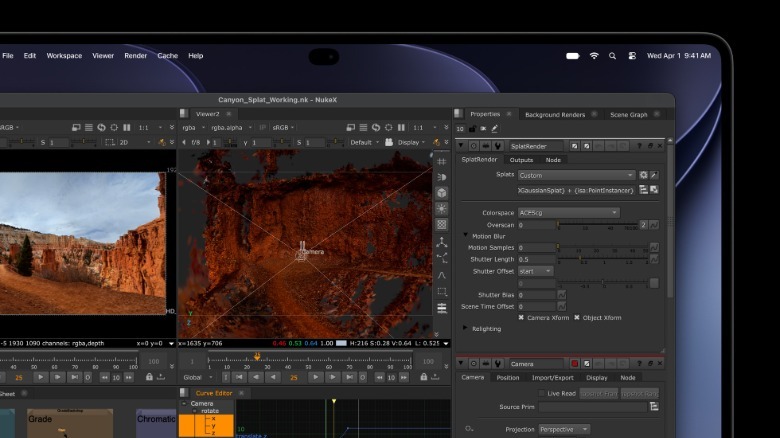
Furthermore, the introduction of the nano-texture glass option for these OLED panels is a game-changer for mobile work. By etching the glass at a microscopic level, Apple has managed to diffuse glare without significantly degrading the contrast or the sharpness of the underlying OLED pixels. This makes the MacBook Pro a truly viable "anywhere" workstation, capable of delivering studio-grade accuracy in environments ranging from bright office spaces to outdoor locations.
Conclusion
Apple’s PROLED XDR display is an exercise in engineering maturity. By leveraging the physical advantages of tandem OLED, the precision of a custom display engine, and the practical utility of a touchscreen, Apple has solidified the MacBook Pro’s position as the primary tool for the modern creative.
While the name may be a marketing mouthful, the underlying reality is clear: Apple is no longer just selling a computer; they are selling a calibrated, professional-grade visual environment. As we move into an era where HDR content and high-precision digital art are the norms, the PROLED XDR display is not just a luxury—it is the new baseline for what a professional laptop should be. The "cringy" name will eventually fade into the background, but the performance of this panel is likely to set the industry standard for years to come.