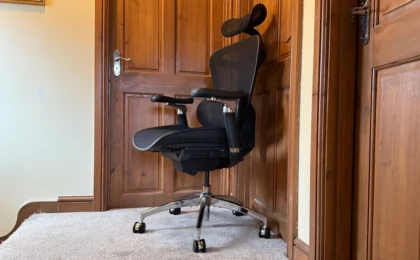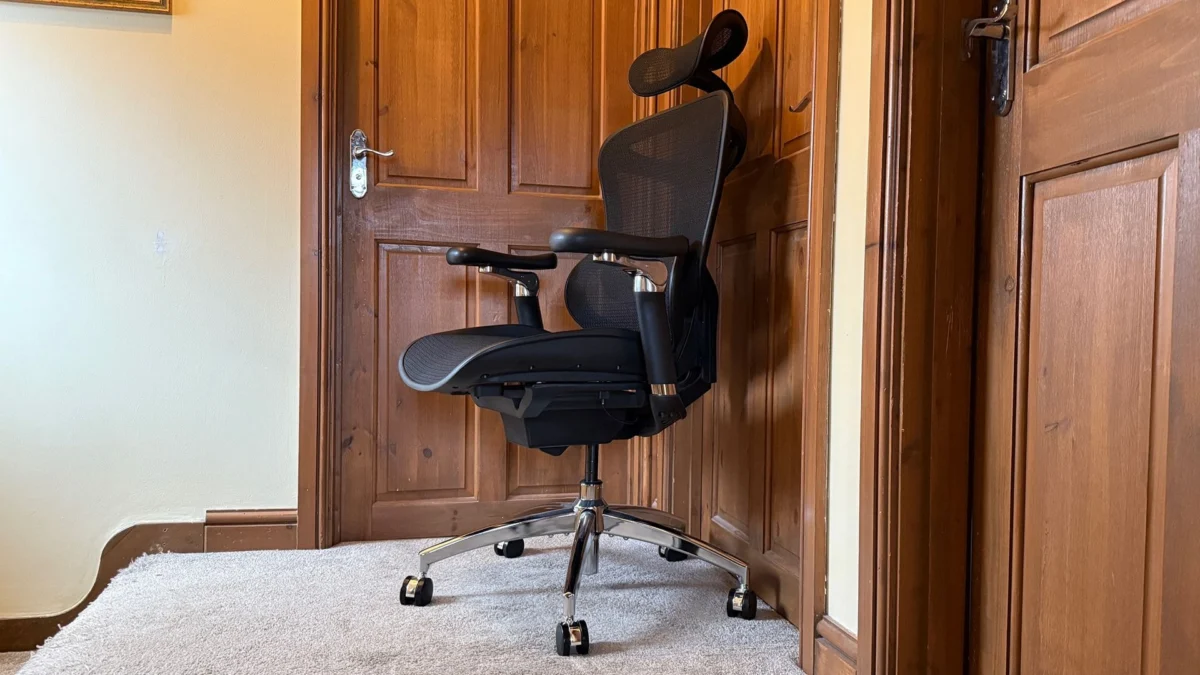
For professionals, creatives, and remote workers alike, the quest for the "perfect" office chair is often a journey through varying degrees of discomfort. While premium, high-end ergonomic chairs can command prices well into the four-figure range, a significant portion of the market is currently pivoting toward high-value, mid-range alternatives. Leading this charge is Sihoo, a brand that has carved out a formidable reputation for delivering ergonomic excellence without the boutique price tag.
Currently, the company’s standout model, the Sihoo Doro C300 Pro, is receiving a substantial price reduction. Available now on the official Sihoo website, the chair has been marked down by $70, bringing its price from $509 to a more accessible $439. This promotion positions the Doro C300 Pro as a serious contender for those seeking relief from back pain and prolonged sedentary fatigue.
The Evolution of Ergonomic Seating: A Chronology of Sihoo’s Ascent
To understand why the Doro C300 Pro is capturing attention, one must look at the brand’s trajectory. Sihoo first gained notoriety for the M18, an entry-level office chair that became a cult favorite among work-from-home enthusiasts due to its unmatched price-to-performance ratio. It became the baseline recommendation for anyone transitioning to a home office on a budget.
However, the industry landscape shifted as the lines between "budget" and "pro" equipment began to blur. As remote work became permanent for millions, consumer expectations rose. Users began demanding more than just basic seat-height adjustments; they wanted dynamic lumbar support, breathable materials, and sophisticated armrest mechanics.
Sihoo responded to this demand by evolving its R&D processes. The introduction of the Doro series represented a significant departure from the utilitarian aesthetic of the M18. By integrating more complex mechanisms—specifically the "self-adaptive" lumbar support systems and 4D-plus armrest technology—Sihoo moved from being a budget-only player to a legitimate competitor in the mid-to-high-end ergonomic space. The C300 Pro is the culmination of this evolution, serving as the bridge between budget affordability and executive-tier comfort.
Supporting Data: Why the Doro C300 Pro Stands Out
When evaluating office chairs, the criteria are often rigid: lumbar alignment, material breathability, and modularity. The Doro C300 Pro excels in these metrics, backed by specific design choices that address common physiological complaints.
1. Dynamic Lumbar Support
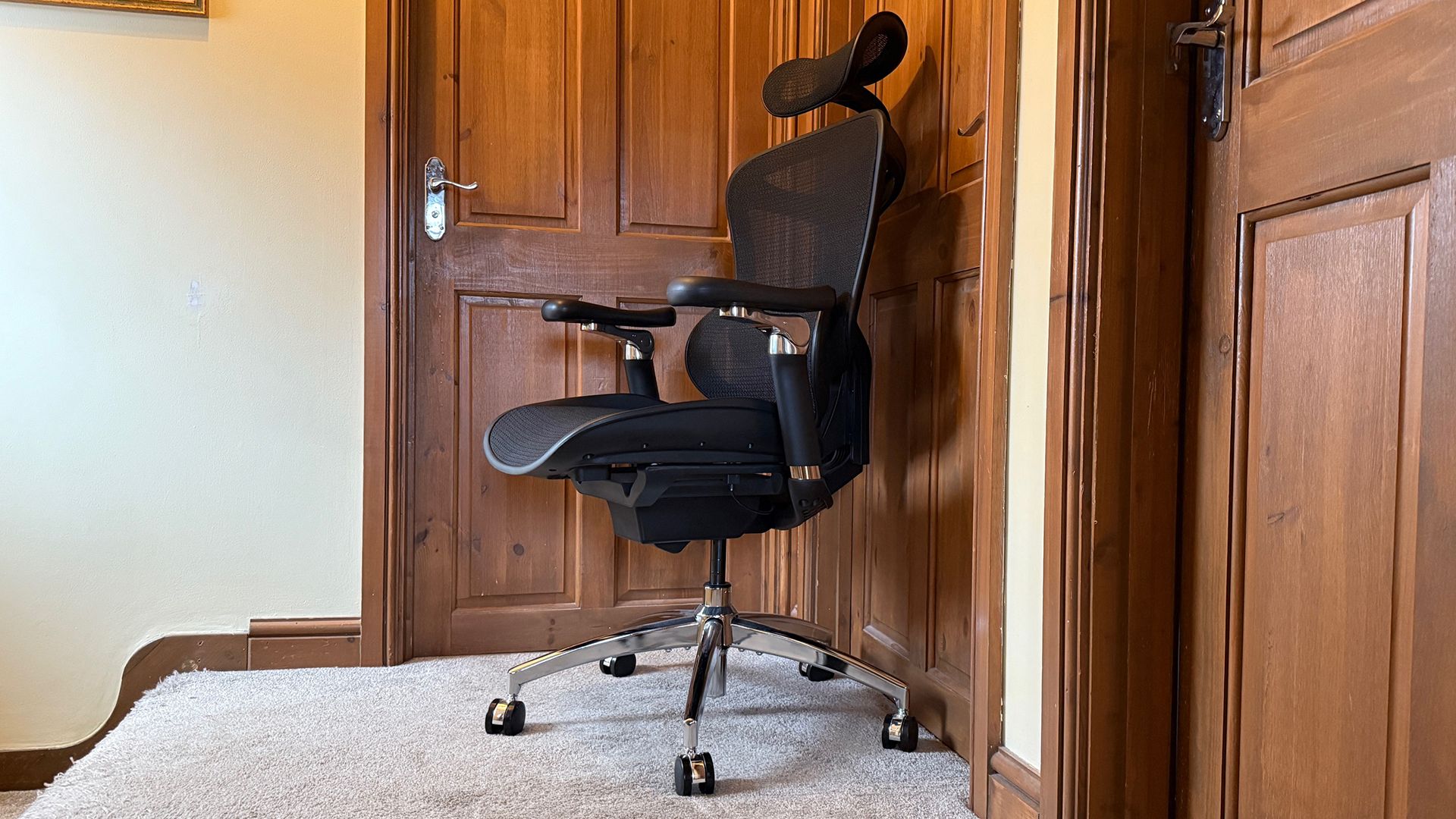
Perhaps the most critical feature of the C300 Pro is its adaptive lumbar system. Unlike fixed-back chairs that force the spine into a rigid, unnatural position, the C300 Pro’s support mechanism moves with the user. It is designed to accommodate the natural "S" curve of the human spine. In testing, this has proven to be less "intrusive" than competitors, providing constant contact without applying excessive, uncomfortable pressure that can cause muscle fatigue over time.
2. The Armrest Revolution
The standout engineering feature of this model is undoubtedly the armrests. In most chairs at this price point, armrests are limited to height and depth adjustments. The C300 Pro introduces a sophisticated 4D movement system. They move up and down, forward and back, and tilt; most impressively, they can shift laterally. This lateral movement allows the user to bring the armrests closer to their chest, providing essential support for tasks ranging from typing on a compact keyboard to leaning back while reviewing documents.
3. Breathable Mesh Architecture
The chair utilizes a high-tensile, breathable mesh that facilitates airflow, a critical factor for users in warmer climates or those who suffer from heat retention during long sessions. The durability of this mesh has been a point of focus in the chair’s development, ensuring that it maintains its tension over years of consistent use, avoiding the common "sag" associated with cheaper synthetic fabrics.
Official Responses and Industry Context
In an era where the "ergonomic" label is frequently overused, Sihoo has leaned into transparency regarding its manufacturing standards. The company maintains that the Doro C300 Pro is the result of thousands of hours of feedback from office workers and physical therapists.
While the company acknowledges that the aesthetic design—characterized by a slightly industrial, technical look—may not suit every minimalist interior, they argue that the focus remains firmly on human-centric design. "Our goal," a company representative noted, "is to ensure that the chair adapts to the person, rather than forcing the person to adapt to the chair."
The price drop to $439 is a strategic move to undercut premium competitors that offer similar feature sets for upwards of $800 to $1,000. By positioning the C300 Pro at this price point, Sihoo is effectively challenging the "luxury tax" that has long plagued the ergonomic furniture industry.
Implications for the Home Office User
For the average consumer, the implications of this price drop are significant. If you are currently sitting in a standard task chair or a "gaming" chair that prioritizes aesthetics over spine health, the move to a specialized ergonomic tool like the Doro C300 Pro is likely to have immediate, tangible benefits.
Managing Chronic Pain
Back pain is the silent productivity killer of the modern workforce. The investment in a chair with proper lumbar support is not merely a purchase of furniture; it is an investment in physical health. The adjustability of the C300 Pro ensures that whether you are tall, short, or possess a unique frame, you can configure the chair to distribute your weight evenly, reducing pressure on the discs of the lower spine.

Productivity and Flow State
There is a psychological component to comfort. When your body is not distracted by nagging discomfort, the "flow state"—the ability to focus deeply on work—is significantly easier to achieve. The ability to shift the armrests to accommodate a specific keyboard layout or to lean back into a recline mode during a thinking session creates a dynamic environment that fosters creativity.
The Trade-offs: Assembly and Aesthetics
It is important to maintain a balanced perspective. The C300 Pro is not a "plug-and-play" solution. As is common with high-quality furniture shipped directly to the consumer, assembly is required. Reviews consistently note that the process requires patience and attention to detail. Furthermore, the chair’s technical, somewhat aggressive aesthetic may clash with more traditional or "Scandi-style" home office setups. However, for those who prioritize function over form, these are minor concessions for a chair that provides this level of orthopedic support.
Making the Right Choice: A Conclusion
The current deal on the Sihoo Doro C300 Pro ($439) represents one of the best value propositions in the current office furniture market. If you have been waiting for a reason to upgrade your workstation, the intersection of current market pricing and the chair’s proven feature set makes this an ideal time to act.
Before purchasing, consider your specific needs:
- Height and Weight: Ensure you check the manufacturer’s specifications to confirm the chair’s weight capacity and height adjustments align with your body type.
- Space Requirements: The chair has a relatively wide footprint due to its adjustability features; measure your desk area to ensure clearance for the armrests.
- Ergonomic Habits: Once you receive the chair, spend time fine-tuning the settings. An ergonomic chair is only as effective as its configuration.
As the lines between work and home continue to blur, the tools we use to facilitate that work have never been more important. By opting for a chair that prioritizes long-term health, you are setting the stage for a more productive, comfortable, and sustainable working life. For those not in the United States, be sure to check your regional Sihoo distributors or authorized retailers, as similar promotions are frequently rolled out globally to match the company’s push for wider adoption.
Remember: Investing in your chair is, ultimately, investing in your ability to keep working comfortably for years to come. Once you’ve secured your setup, don’t forget to educate yourself on proper ergonomic posture—no chair, no matter how advanced, can replace the necessity of mindful movement and proper alignment throughout the workday.