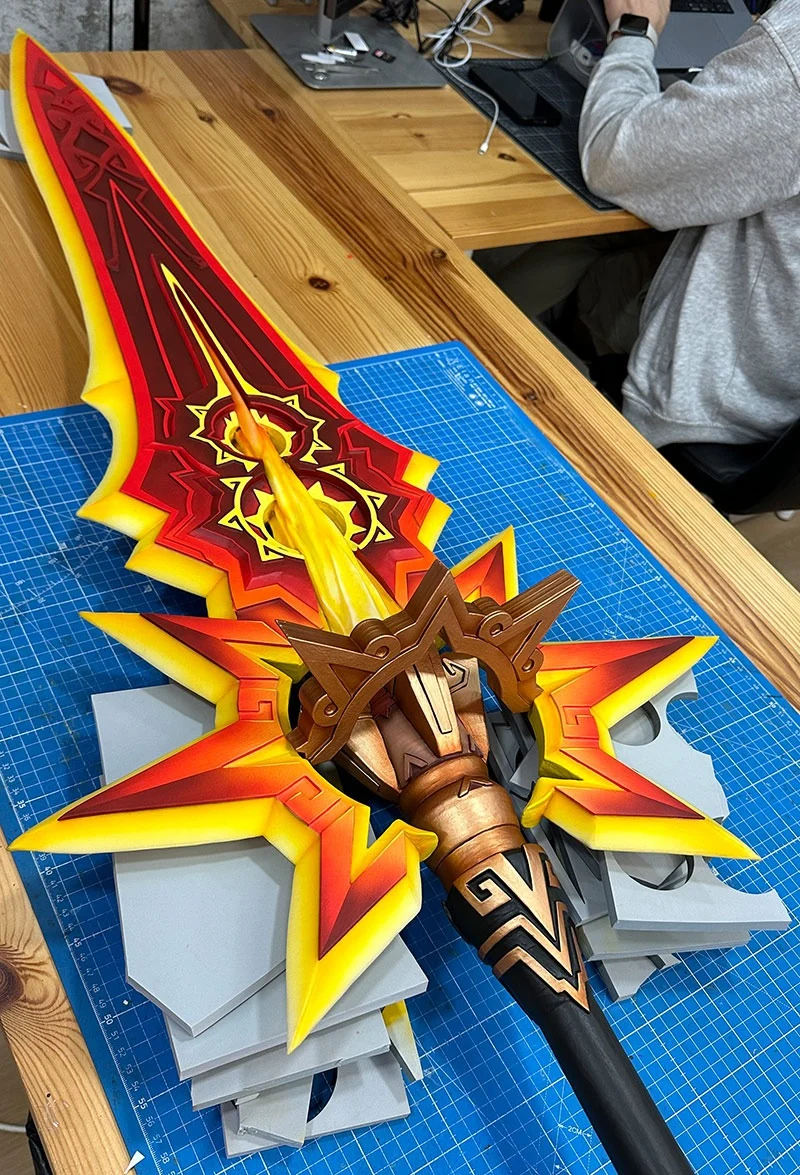
In the high-stakes world of professional cosplay, the boundary between digital fantasy and physical reality is often defined by the precision of one’s craft. For renowned prop-maker and content creator Kamui Cosplay, the challenge of bringing Genshin Impact’s latest legendary weapon—the “A Thousand Blazing Suns” sword—into the real world was more than just a creative exercise; it was a high-profile, official collaboration with HoYoverse.
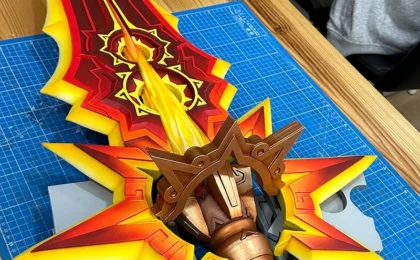
The Fire Archon of Natlan, Mavuika, has captivated the Genshin Impact community with her striking design and her monumental claymore. As a seasoned veteran of EVA foam engineering, Kamui saw in this weapon the perfect intersection of her personal passions: intricate foam layering, sophisticated LED integration, and the joy of translating in-game assets into tangible art.
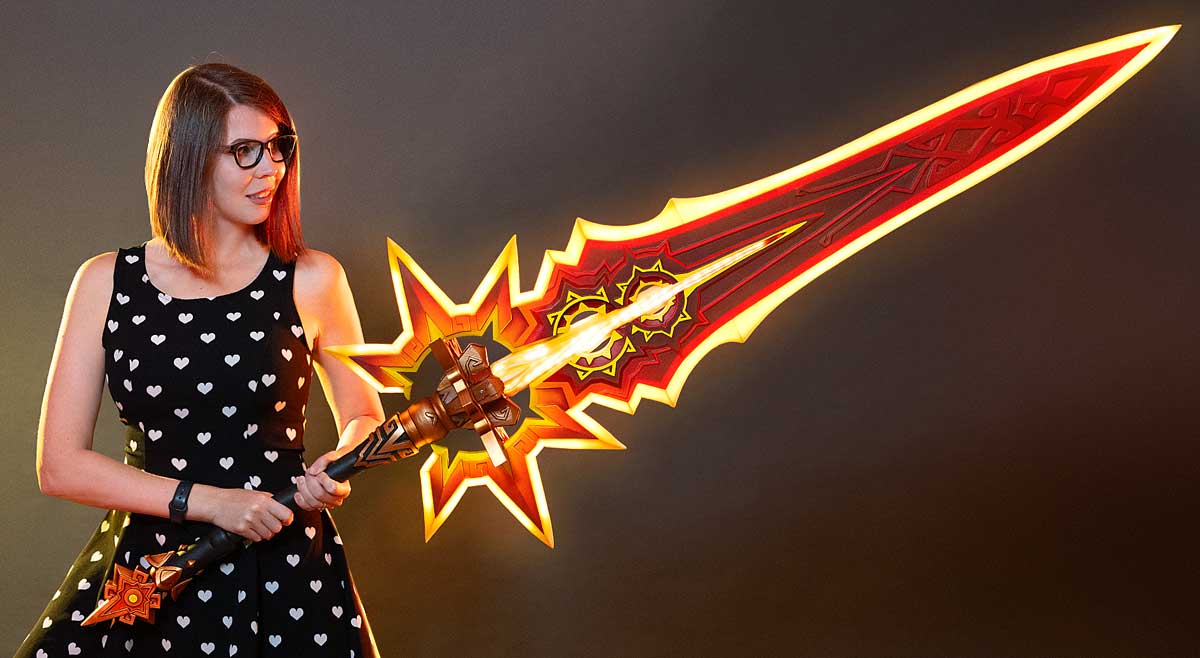
The Convergence of Professionalism and Passion
Cosplay is an industry built on the marriage of technical skill and artistic interpretation. Kamui, who has previously gained acclaim for her renditions of Yelan and Beidou, found herself in a unique position when HoYoverse reached out to request promotional content for the release of the Fire Archon.
"It was such a great coincidence," she noted. "I was already admiring Mavuika’s design and the sheer beauty of her sword. Being approached to create promotional content allowed me to treat this project with the professional rigor it deserved, ensuring that the final build would not only satisfy my own high standards but also serve as a centerpiece for the global launch of the character."

Chronology of a Masterpiece: The Four-Phase Build
Bringing a weapon of this magnitude to life requires a disciplined, multi-stage approach. Kamui’s process for the "A Thousand Blazing Suns" spanned several weeks of intense development, moving from digital reference to physical manifestation.
Phase I: Digital Blueprinting and Scaling
The foundation of any high-end prop is the blueprint. Kamui utilized official 3D models provided by HoYoverse via the platform Aplaybox.com. Because these models are often hosted in their native Chinese, the process required a degree of technical navigation, utilizing translation tools to extract the necessary data.
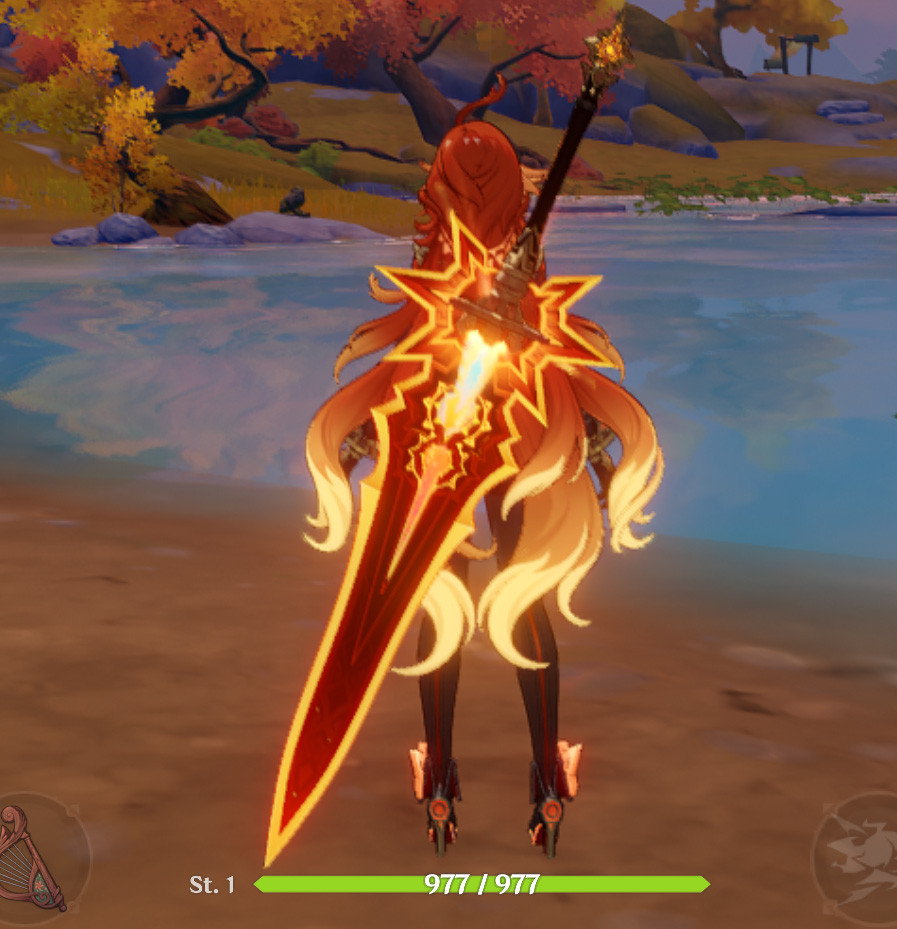
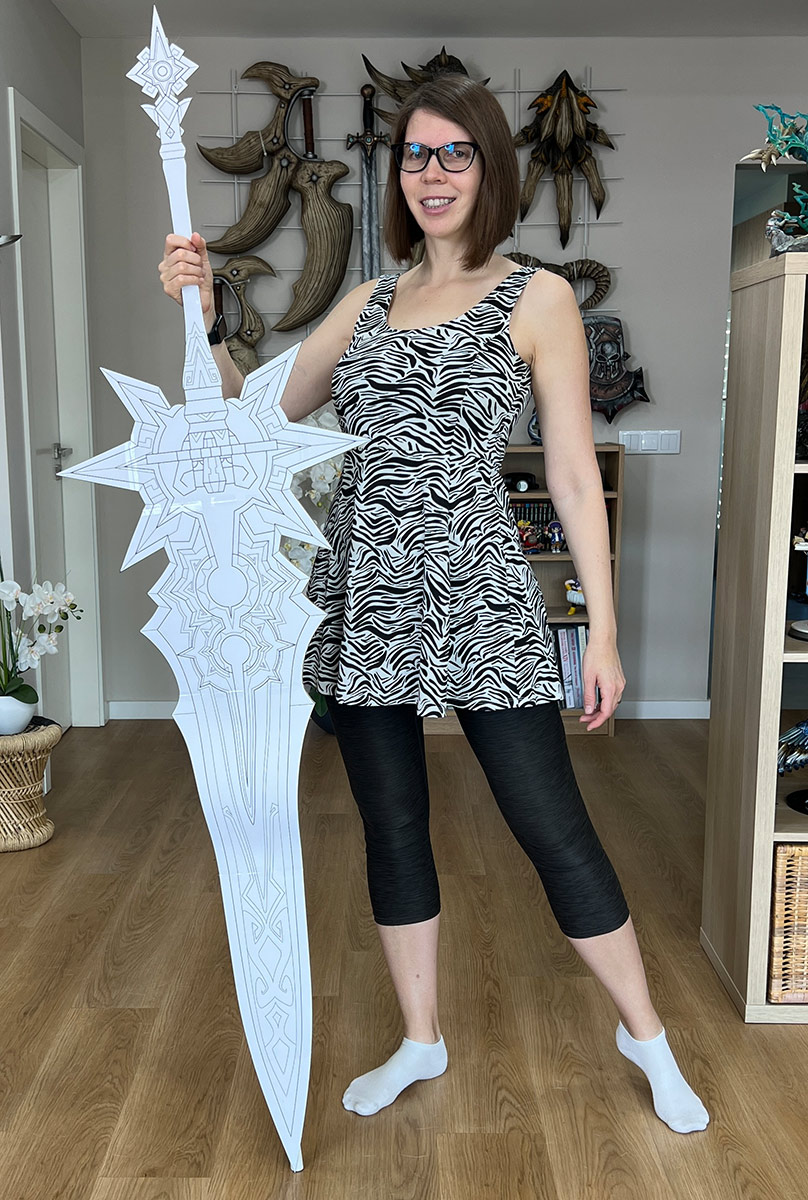
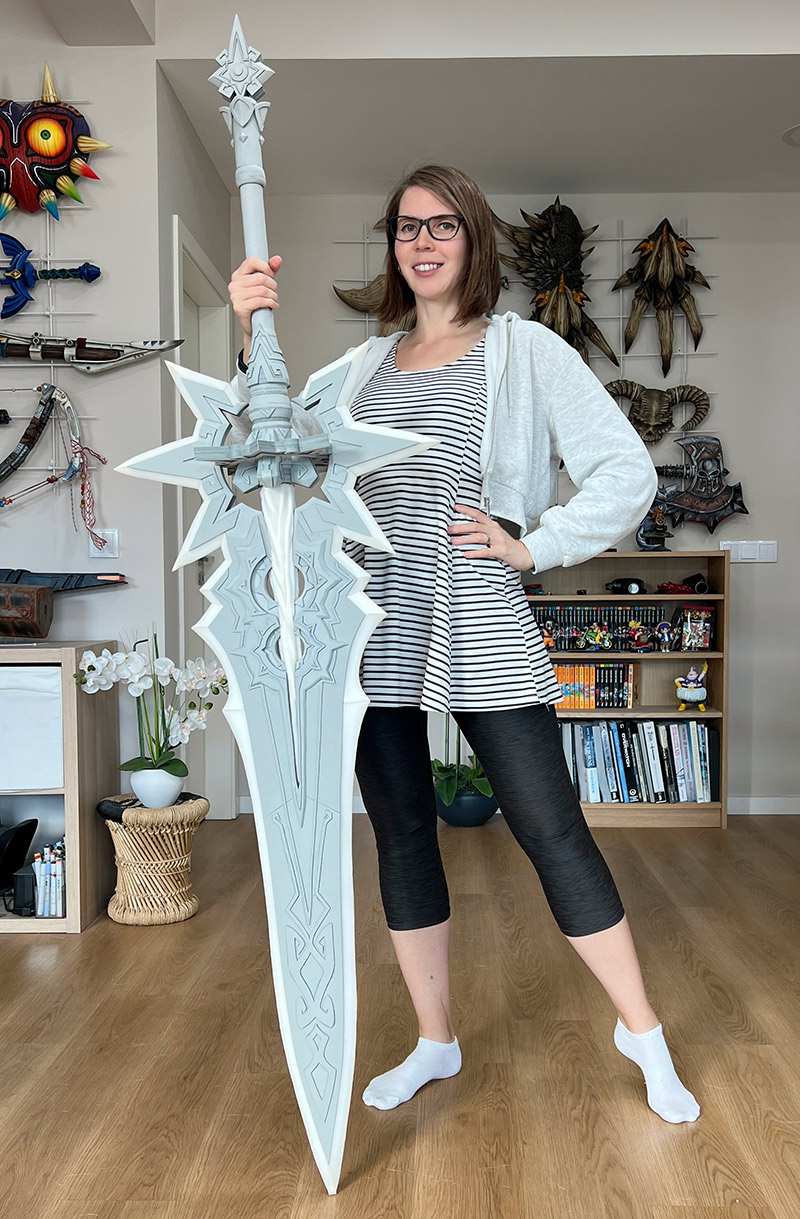
"The 3D model is the ultimate source of truth," Kamui explains. "Once we have the geometry, we can determine the scale. While the in-game sword is gargantuan, we made the conscious choice to scale it down to two meters. This ensures the prop remains manageable for a human wearer while maintaining the aggressive, imposing silhouette of the original design."
Phase II: Structural Foam Engineering
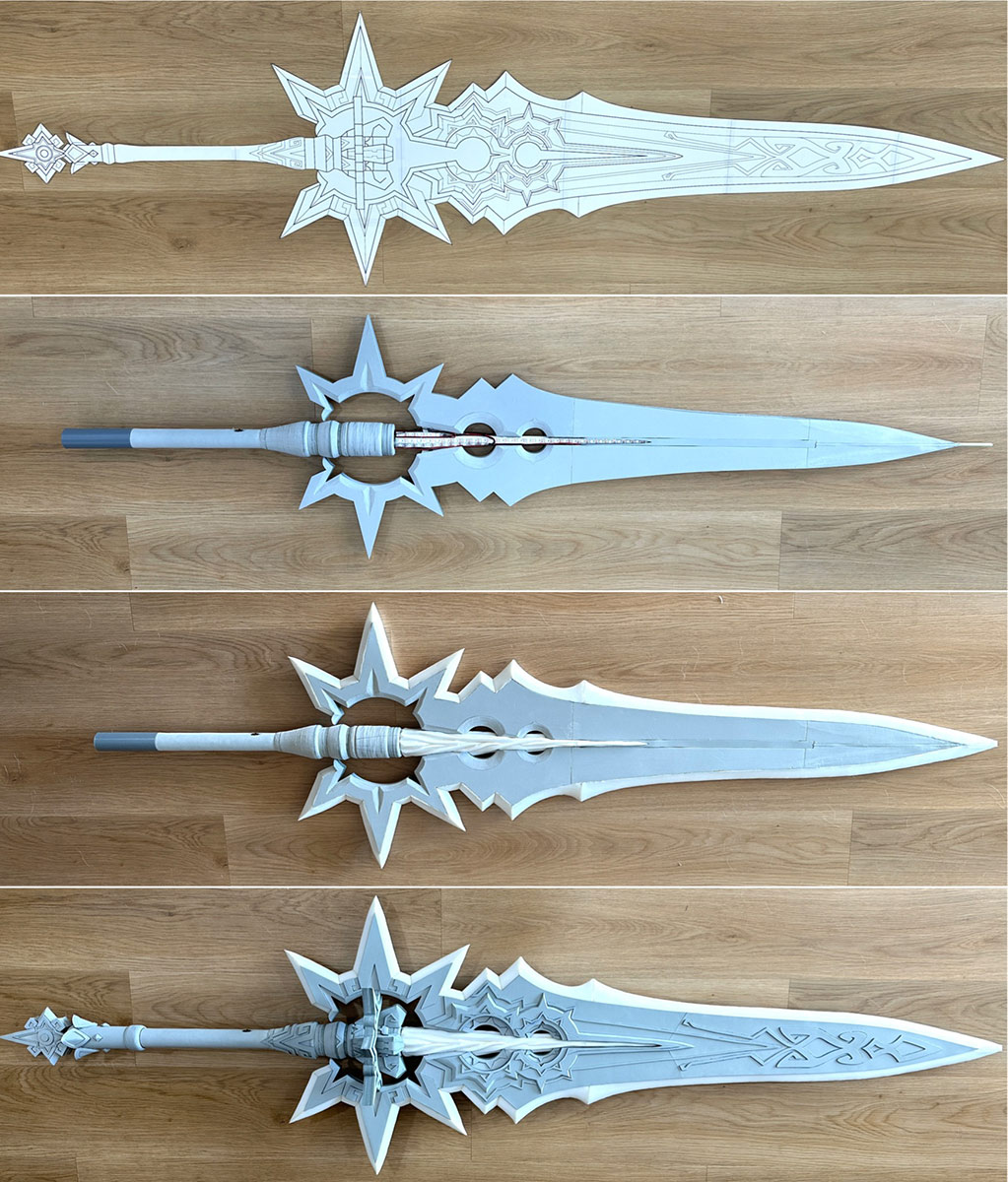
The core of the sword needed to withstand significant stress, given its two-meter length. Kamui constructed a structural skeleton using a heavy-duty PVC pipe, which served as the chassis for the entire assembly. Around this core, she layered EVA foam to build up the iconic "rocket-engine" aesthetic of the weapon’s central chamber.
A critical design choice here was the integration of LED housing. The sword’s central motif requires a vibrant, pulsing glow. By planning the internal space during the foam-layering process, Kamui was able to conceal nearly 300 LEDs within the structure, ensuring that the light would diffuse evenly through the foam exterior without exposing the underlying wiring.
Phase III: The Electronic Nervous System
To replicate the "burning" effect of the weapon, simple static lighting was insufficient. Kamui employed a sophisticated electronics stack, featuring an Adafruit Prop-Maker FeatherWing and a series of Neopixel strips.
The system was programmed with custom animations. One particularly impressive feature is the motion-triggered response: upon striking the prop against the ground, the internal fire animation is momentarily interrupted by a brilliant, white-light surge, mimicking the explosive impact of the Archon’s power. "Warning: Getting into animated LEDs is highly addictive," she cautions, noting that the Book of Light and Sound Effects remains an essential resource for those looking to replicate this level of interactivity.
Phase IV: The Marathon of Finishing
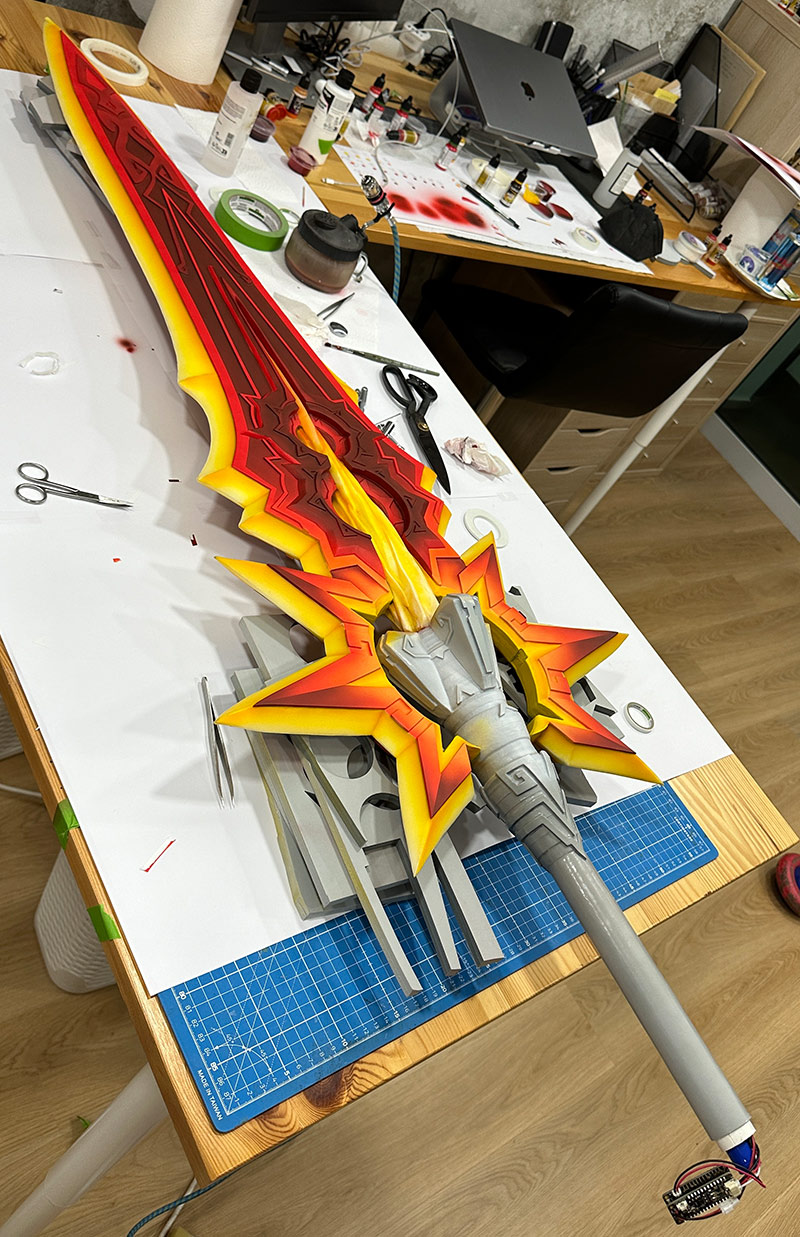
The final, and perhaps most taxing, phase was the paint job. Working in tandem with her partner, Benni, the team opted for airbrushing to achieve the smooth, gradient transitions required for the fire-inspired color palette.
The challenge lay in the masking. To achieve the crisp lines and layered colors, the team had to apply tape between painting sessions. Because the tape had to be removed within 12 hours to prevent damage to the base coats, the painting process became a grueling 12-hour marathon that stretched well into the early hours of the morning. The final details were applied by hand, utilizing specialized acrylics to bring out the depth and weathering of the weapon’s surface.
Supporting Data and Craftsmanship
The technical specifications of the build underscore the complexity of modern propmaking:
- Total Build Time: Approximately seven days of full-time labor for the foam structure, plus three days for painting.
- Lighting: Nearly 300 individual LEDs controlled via an Adafruit system.
- Materials: High-density EVA foam, PVC piping for internal stability, professional-grade contact cement, and airbrush-ready acrylics.
- Precision Tooling: While hand-cutting is standard, the team utilized a laser cutter for the intricate vector-based foam pieces, significantly increasing the speed and accuracy of the assembly.
Official Implications and Community Impact
This collaboration highlights a growing trend in the gaming industry: the formalization of relationships between game developers and the creator community. By commissioning professional prop-makers to showcase the physical manifestation of in-game items, HoYoverse is effectively bridging the gap between virtual assets and real-world consumer engagement.
For the community, these builds serve as a masterclass in accessibility. By providing the blueprints through her shop and documenting the process on platforms like TikTok and YouTube, Kamui is not merely showcasing a finished product; she is educating the next generation of makers. The transparency of the build process—from the use of 3D models to the specific electronics configurations—empowers followers to undertake their own ambitious projects.
Final Reflections: The Art of Interpretation
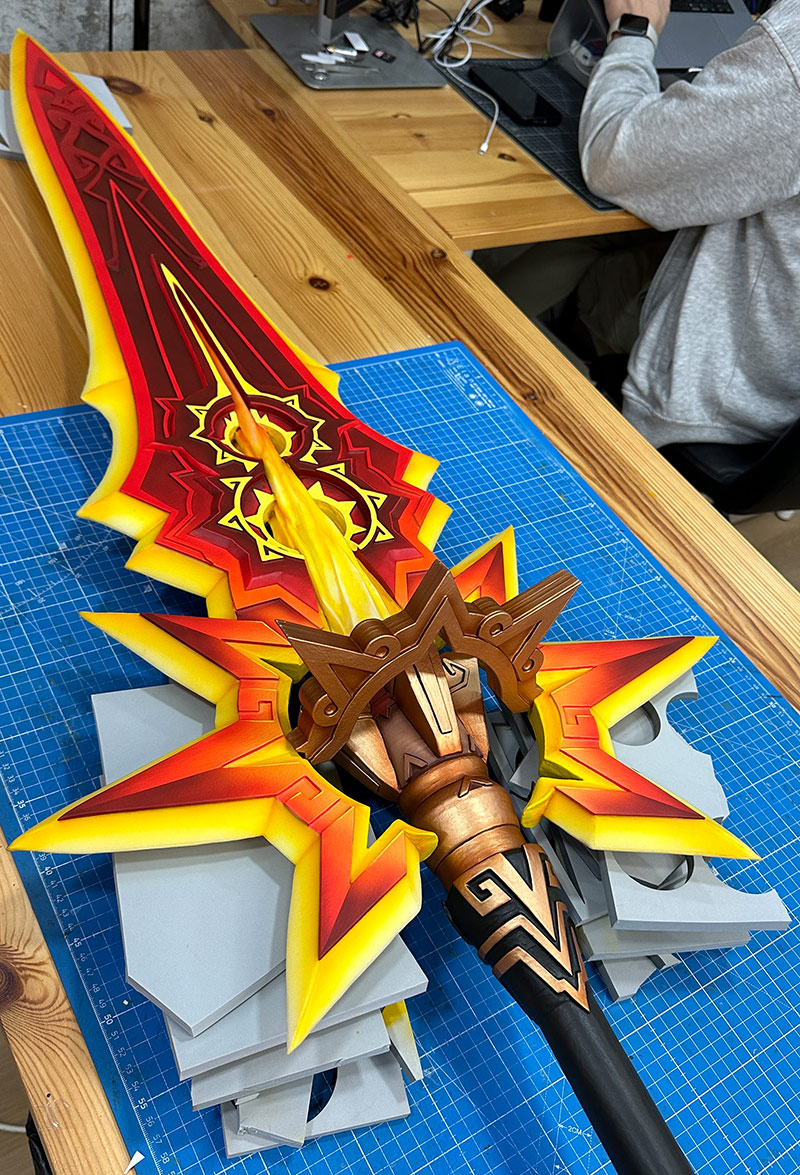
The finished "A Thousand Blazing Suns" sword is more than just a prop; it is a testament to the idea that authenticity does not always require a 1:1 scale reproduction. As Kamui notes, the success of a project is ultimately measured by the creator’s satisfaction and the ability to capture the spirit of the character.
"It feels like I grabbed it directly from the Fire Archon’s hands," she concludes. The project serves as a reminder that with enough foam, LED-integration, and a relentless work ethic, even the most legendary weapons from Teyvat can find a home in our world. As the Genshin Impact universe continues to expand, one can only look forward to seeing what iconic relics Kamui and her contemporaries will bring to life next.