Sagoh
Sagoh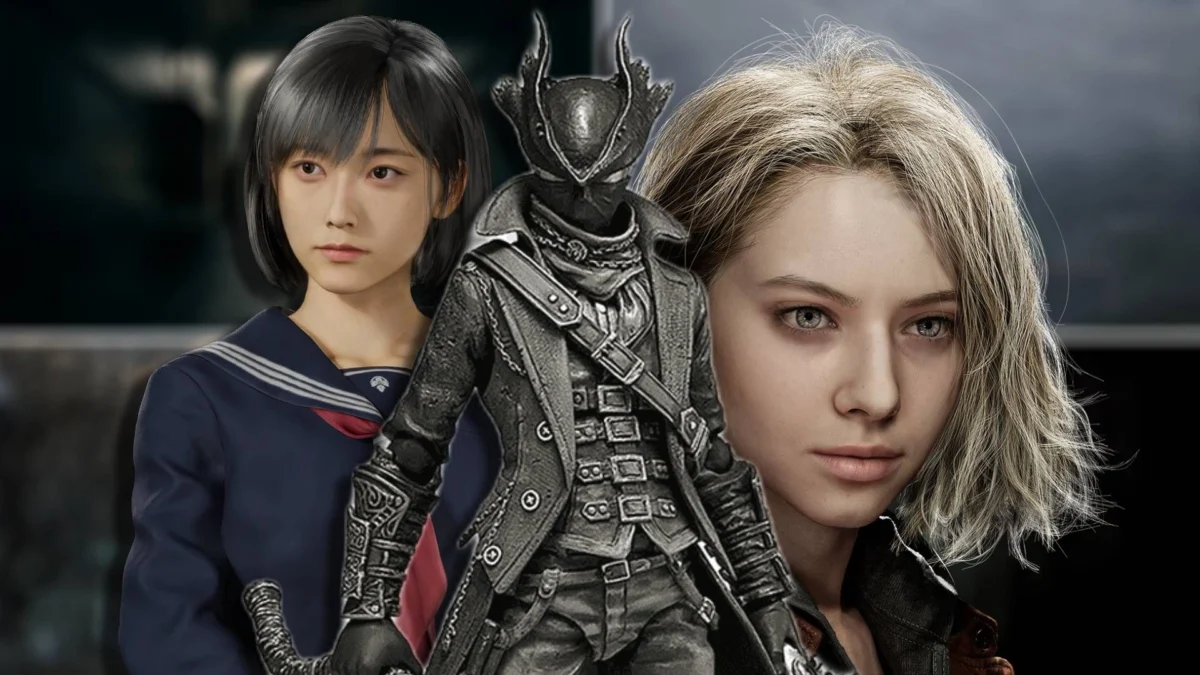
In the landscape of modern gaming, we often equate "massive" with physical scale—the square mileage of an open-world map or the sheer density of a sprawling urban environment. However, some of the most profound experiences in interactive entertainment don’t rely on expansive vistas or procedurally generated terrain. Instead, they achieve a sense of overwhelming magnitude through the depth of their lore, the interconnectedness of their history, and the meticulous density of their narrative world-building.
Horror games, in particular, have mastered this art. By forcing players to act as investigators, archivists, and survivors, these titles transform small, claustrophobic spaces into vast, complex universes. In these games, discovery is the primary currency. To understand the world, you must be thorough; to survive it, you must pay attention to the details. Here is how ten landmark horror titles redefine what it means to have a "massive" world.
10. Resident Evil Requiem: A Legacy of 30 Years
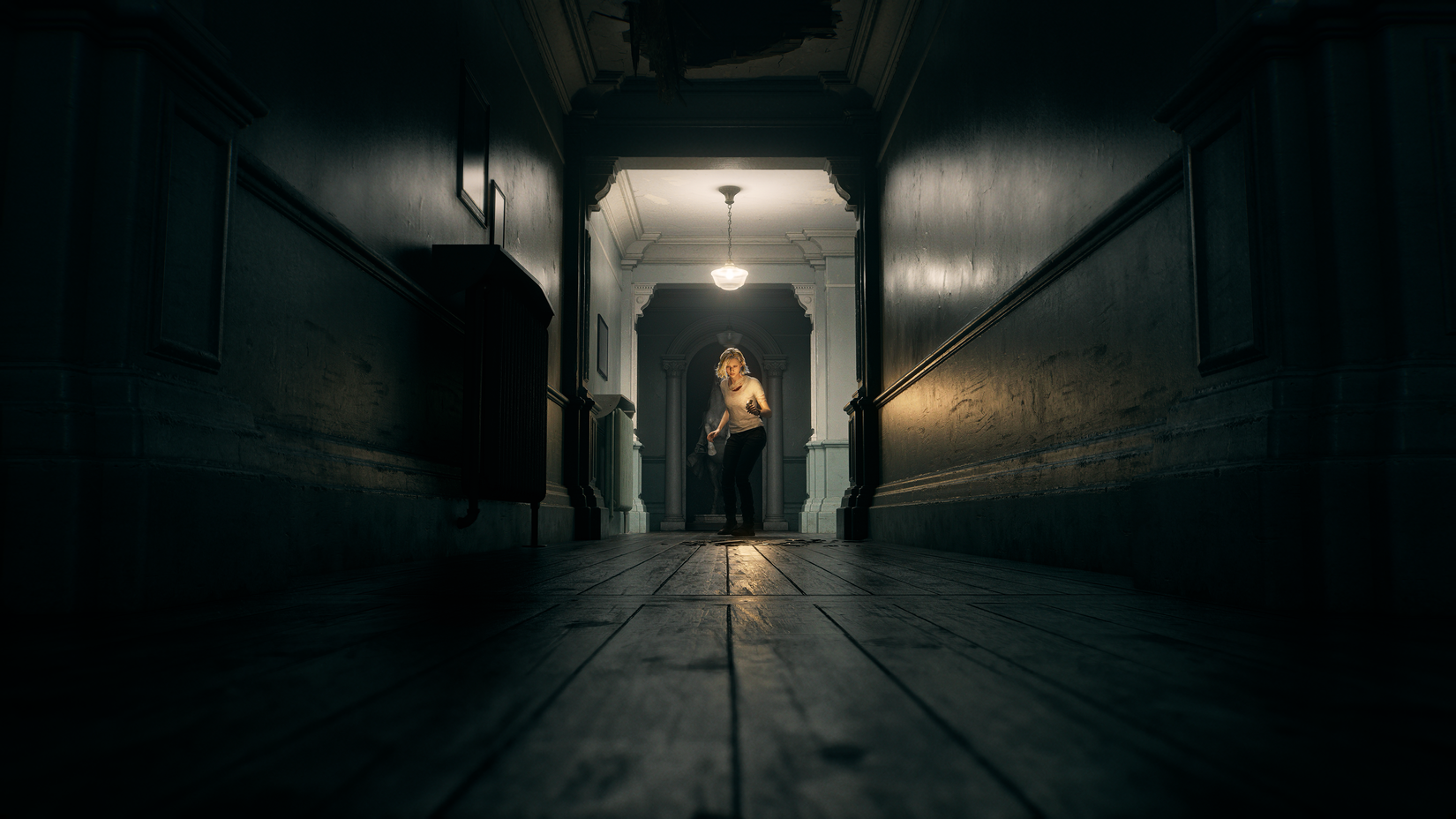
The Resident Evil franchise has always been defined by its clear-cut, high-stakes narratives. However, with the arrival of Resident Evil Requiem during the series’ 30th anniversary year, the franchise has hit a new peak of narrative complexity.
30 Years of Lore to Catch Up On
For newcomers, the sheer weight of three decades of canon might seem daunting. Yet, Requiem weaves this history into its very foundation. Every room, every document, and every environmental clue acts as a thread connecting back to the foundational "Raccoon City Incident" of September 1998. The game demonstrates that no character is truly independent; everyone is a byproduct of the Umbrella Corporation’s shadow. Even for veteran fans, Requiem provides new context that retroactively changes how we view past entries. When you play as Grace Ashcroft, the weight of the series’ history is palpable, demanding that you read every file to truly grasp the gravity of your situation.
9. Siren: The Complexity of Multiple Perspectives
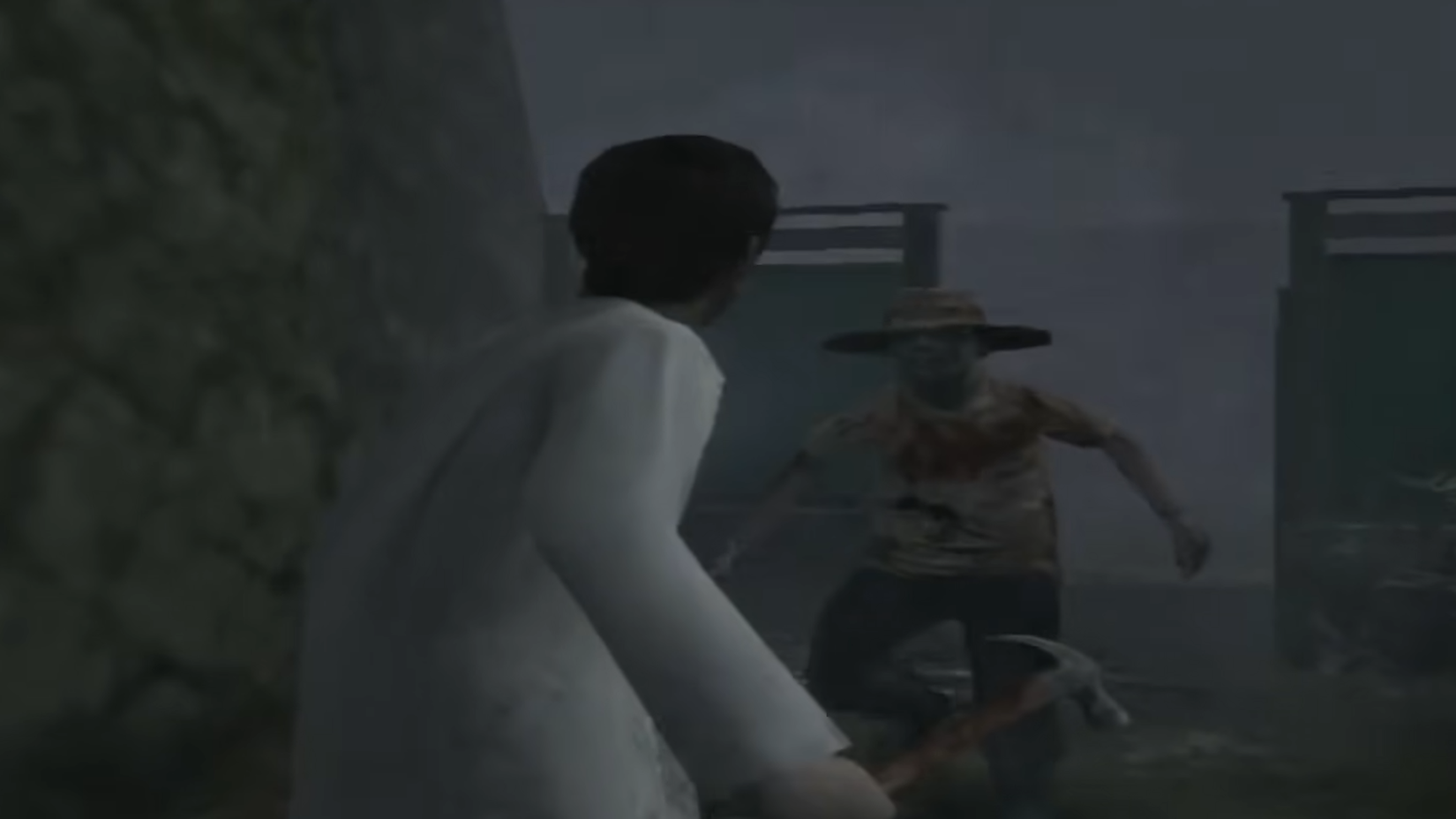
Often overshadowed by more mainstream horror franchises, Siren (or Forbidden Siren in PAL regions) remains a masterclass in non-linear, dense storytelling.
So Many Characters to Unravel
Directed by the visionary Keiichiro Toyama, Siren tasks players with controlling ten distinct characters, each attempting to survive the nightmarish, cult-ridden town of Hanuda. The narrative is not handed to you; it is a puzzle that must be assembled. Through the "Sight-jacking" mechanic, players glimpse the world through the eyes of the horrifying Shibito, revealing secrets hidden in plain sight. If you approach Siren as a simple action game, you will be lost. It requires the precision of a historian, demanding that you document the town’s secrets to understand the grand, apocalyptic mystery occurring beneath the surface.
8. Signalis: The Amnesiac’s Cosmic Scale
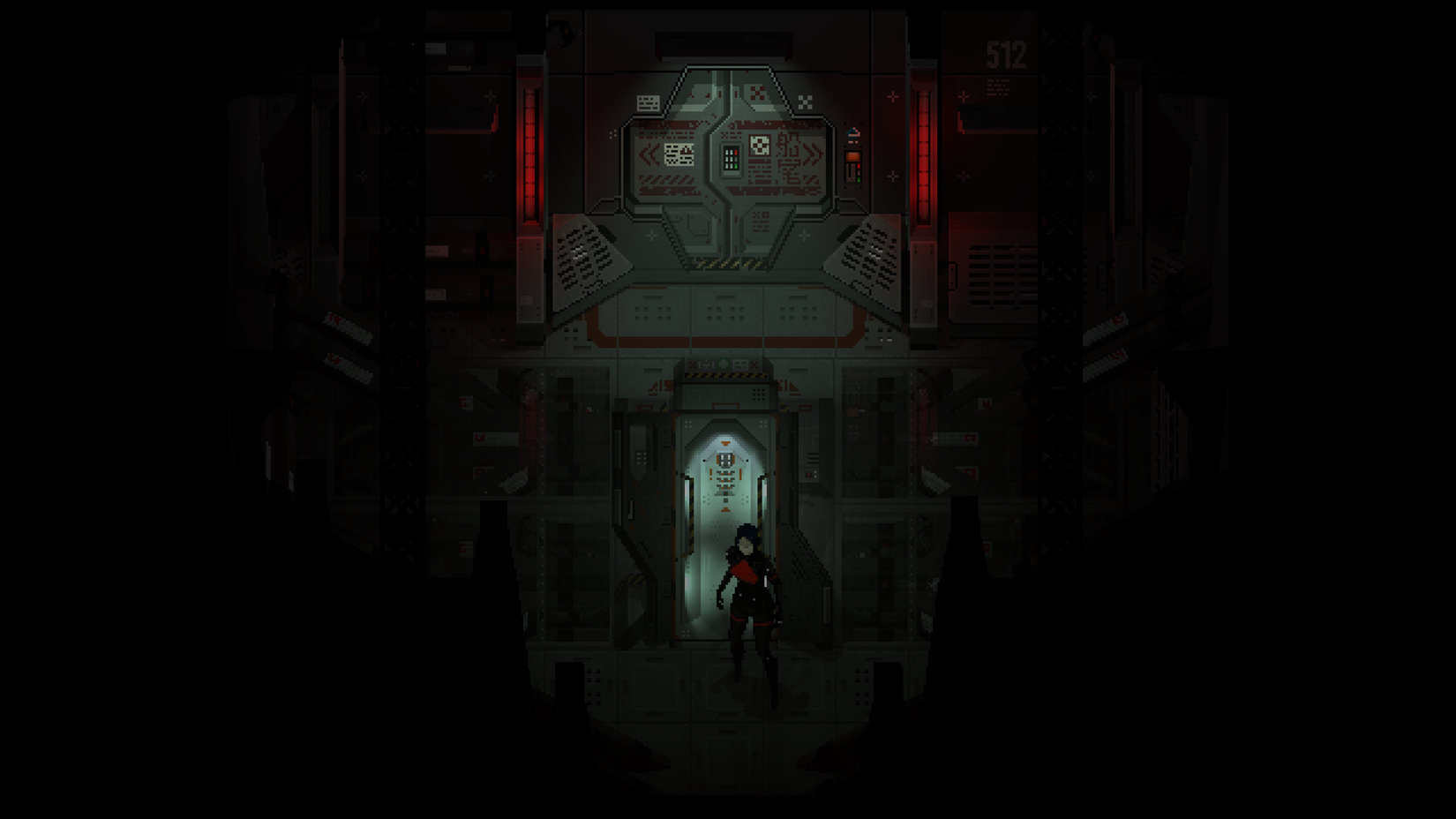
Signalis is a love letter to survival horror classics, yet it manages to transcend its influences to become something entirely unique.
The Classic Amnesiac Trope Through Artificial Eyes
The game begins with the familiar trope of a protagonist waking up with no memory. However, as the player navigates the decaying, retro-futuristic space station, the scope of the world expands exponentially. What initially presents itself as a contained indie horror gem blossoms into a narrative of cosmic proportions, dealing with memory, artificial identity, and existential dread. By refusing to waste a single line of text or environmental detail, Signalis proves that you do not need a galaxy-spanning map to tell a story of universal scale. It is a masterclass in using limited space to cultivate an infinite sense of mystery.
7. Fatal Frame II: Crimson Butterfly Remake
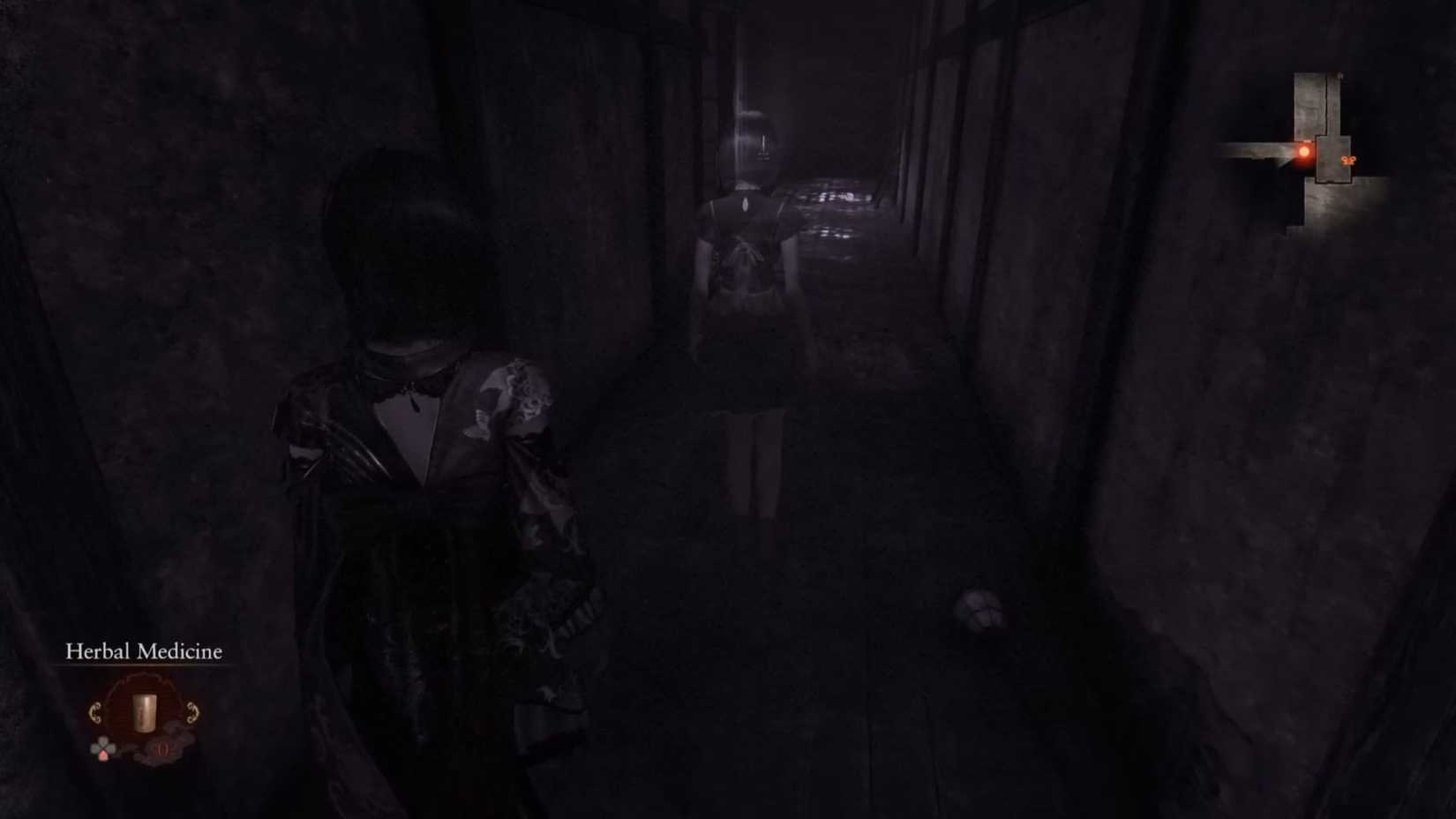
With the recent release of the Fatal Frame II: Crimson Butterfly Remake, a new generation has been granted access to the hauntingly beautiful and terrifying Minakami Village.
A Picture is Worth a Thousand Words
In the Fatal Frame series, the Camera Obscura is your only weapon. However, in this remake, the camera serves a dual purpose: it is both a tool for defense and an instrument for archaeological discovery. By taking photos of the environment, players uncover hidden spectral messages and historical fragments of the village’s dark past. The game encourages a shift in perspective—literally and figuratively. You are not just looking at the world; you are peering into the past. Every secret discovered raises more questions, turning the village into a living, breathing, and mourning character.
6. SOMA: Existentialism Under the Waves
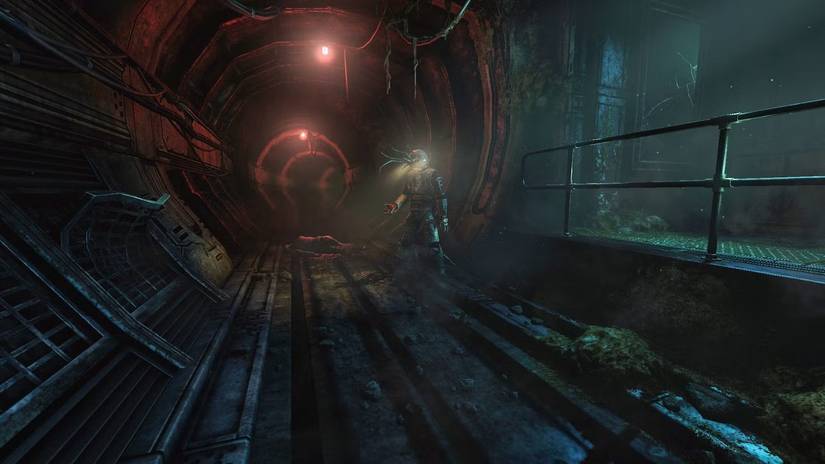
SOMA is frequently cited as one of the most intellectually stimulating horror games ever made. Its world-building is so seamless that players often realize the true scope of the narrative only when it is far too late.
Nothing Is as it Seems
Set within an isolated underwater facility, SOMA starts with a premise of survival but quickly evolves into an interrogation of the human soul. The "world" here is the facility itself, yet the lore packed into the logs and environmental storytelling provides a scope that reaches far beyond the ocean floor. It is a "walking simulator" that feels more dangerous than a tactical shooter, primarily because the terror comes from understanding the implications of the world you inhabit. When the rug is pulled out from under you, the realization of the world’s true nature is chillingly expansive.

5. Eternal Darkness: Sanity’s Requiem
Eternal Darkness remains a singular achievement in the survival horror genre, uniquely spanning multiple centuries.
Across Time Itself
While the game is famous for its "Sanity Effects"—where the game messes with the player’s perception of reality—its true strength lies in its sprawling timeline. You aren’t just playing as Alexandra Roivas; you are inhabiting the lives of characters across history, all of whom are tied to the same ancient, cosmic threat. As these disparate storylines collide, the player realizes the massive scale of the conflict. The replayability here is not just for mechanics; it is to witness how the small choices made in the past echo into the future, creating a narrative web that few other games have ever attempted.
4. Dead Space: The Industrial Depth
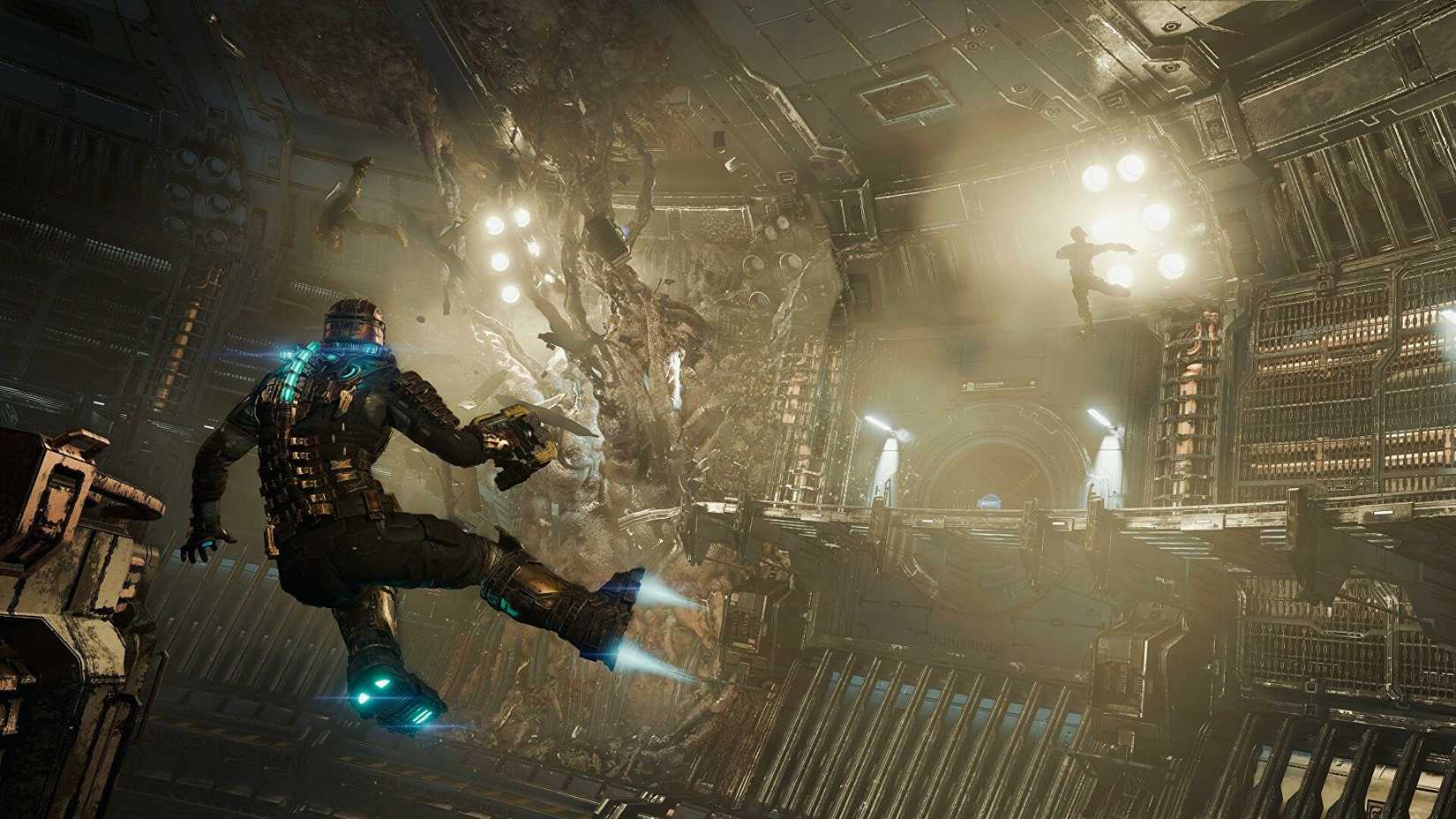
Even without considering its sequels, the original Dead Space (and its acclaimed remake) offers a depth of world-building that makes the USG Ishimura feel like a sprawling metropolis of metal and blood.
There’s More Than the Ishimura
The Ishimura is a single ship, yet it feels like a universe of its own. Through audio logs, text files, and environmental cues, the player learns about the Unitology religion, the corporate greed of the Concordance Extraction Corporation, and the biology of the Necromorphs. This background information is not optional fluff; it is the foundation for every decision the player makes. You are not just fighting monsters; you are dismantling a complex, broken system. Understanding the lore is the difference between being a victim of the Ishimura and becoming its master.
3. Silent Hill f: A New Frontier
The Silent Hill franchise has always been a titan of lore, but Silent Hill f represents a bold new direction, proving that the series’ core themes can transcend the fog of the original town.
Ebisugaoka is a Stunning Parallel
By shifting the setting to the 1960s in Japan, Silent Hill f introduces a setting that is both alien and hauntingly familiar. The effort put into the cultural nuances of Ebisugaoka adds a layer of depth that demands multiple playthroughs. The story is drip-fed to the player in phases, with New Game+ cycles offering new documents, cutscenes, and lore entries that fundamentally alter the player’s understanding of the plot. It is a testament to the game’s depth that, even after dozens of hours, players are still discovering nuances tucked into the corners of its environment.

2. Darkwood: The Brutality of the Unknown
Darkwood occupies a rare space in the horror genre, acting as both a survival management game and a top-down psychological nightmare.
Anything to Get Out
The forest in Darkwood is a shifting, hostile entity that seems to grow the more you explore it. The brilliance of the game lies in the tension between your desire to uncover the secrets of the woods and your desperate need to simply leave them behind. Every piece of lore you find is a "double-edged sword"—knowledge might help you survive the night, but it also paints a clearer picture of the hopelessness of your situation. The world feels infinitely vast because it is so fundamentally uninviting, turning every step of exploration into an act of supreme courage.
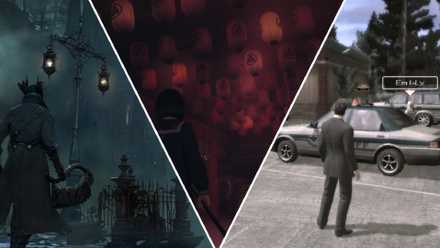
1. Bloodborne: The Lore is the World
Topping our list is FromSoftware’s Bloodborne, a game where the environment is the story.
The Lore is the World
In Bloodborne, you are given almost nothing in terms of direct exposition. The game trusts you to look at a tombstone, read a discarded item description, and observe the architecture of Yharnam to piece together the history of a civilization gone mad. Exploration is not just encouraged; it is the only way to play. The "massiveness" of Bloodborne is not in its map size, but in the sheer density of its internal logic, mythology, and history. As the community continues to dissect the game years after its release, it is clear that Bloodborne is less of a game and more of a living, evolving archaeological site. The recent announcement of a film adaptation by Sean McLoughlin (Jacksepticeye) highlights just how rich this world is, proving that its lore is robust enough to captivate audiences far beyond the controller.
Conclusion: The Architecture of Fear
The horror games listed above demonstrate that a world’s size is determined not by its physical boundaries, but by the depth of the questions it asks the player. By prioritizing dense, interconnected lore over empty expanses, these developers have created spaces that feel monumental. They don’t just ask us to walk through a map; they ask us to learn a history, decipher a mystery, and ultimately, to survive the weight of the knowledge we acquire. In the world of horror, the most expansive maps are the ones we carry in our heads long after the credits roll.



 Asro
Asro