Jia Lissa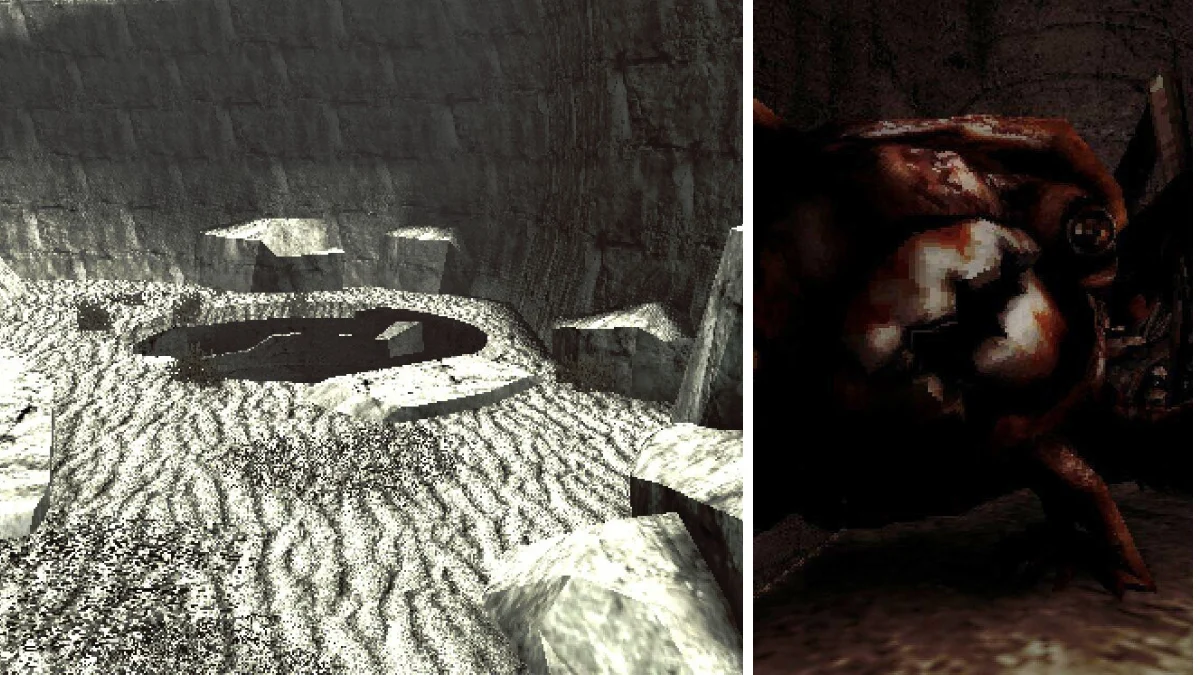
At first glance, Idols of Ash appears to be just another entry in the saturated market of low-poly, first-person horror titles—a genre that has proliferated in the 21st-century independent gaming scene like moss on a damp stone. Yet, beneath its minimalist aesthetic and oppressive, melancholic atmosphere lies a mechanical masterclass that defies easy categorization. Developed by Leafy Games, Idols of Ash is not a traditional horror experience; it is a high-stakes, physics-driven climbing simulator that demands nerves of steel and rhythmic precision.
The Premise: A Descent into Fathomless Despair
The game places the player in the boots of a nameless protagonist standing at the precipice of a bottomless, cylindrical pit. There is no tutorial, no exposition dump, and no clear motivation other than a singular, harrowing objective: reach the bottom.
The immediate comparison that comes to mind—and one that will undoubtedly strike a chord with fans of FromSoftware—is the descent into the abyss. Much like the iconic level design found in Dark Souls or Bloodborne, the world of Idols of Ash feels ancient, contorted, and deeply indifferent to the player’s survival. The environment is a masterclass in environmental storytelling, where the "melancholy murk" of the upper levels slowly gives way to something far more visceral and skin-crawling as the descent progresses.
Mechanical Mastery: The Grappling Hook as a Lifeblood
The core of the Idols of Ash experience is its unique movement system, which revolves entirely around a versatile grappling hook. The game’s roughly two-hour campaign is a journey of mastering this tool.
The hook serves three primary functions:
- The Anchor: Players can hook into their current surface to safely rappel downward, ensuring a controlled descent to the full extent of the rope.
- The Dynamic Tether: For those with more confidence, the hook can be deployed mid-fall, turning a lethal plummet into a swinging maneuver.
- The Momentum Builder: By mastering the physics of the swing, players can generate the kinetic energy required to bridge massive gaps, turning the abyss into a playground of high-speed traversal.
Initially, the player is encouraged to move with extreme caution. The game rewards the "nyctophile"—the lover of the dark—who takes their time to survey the jagged rock faces and narrow platforms. However, this methodical pace is a deceptive lure, designed to be shattered by the game’s primary antagonist.
The Threat: When the Atmosphere Turns Lethal
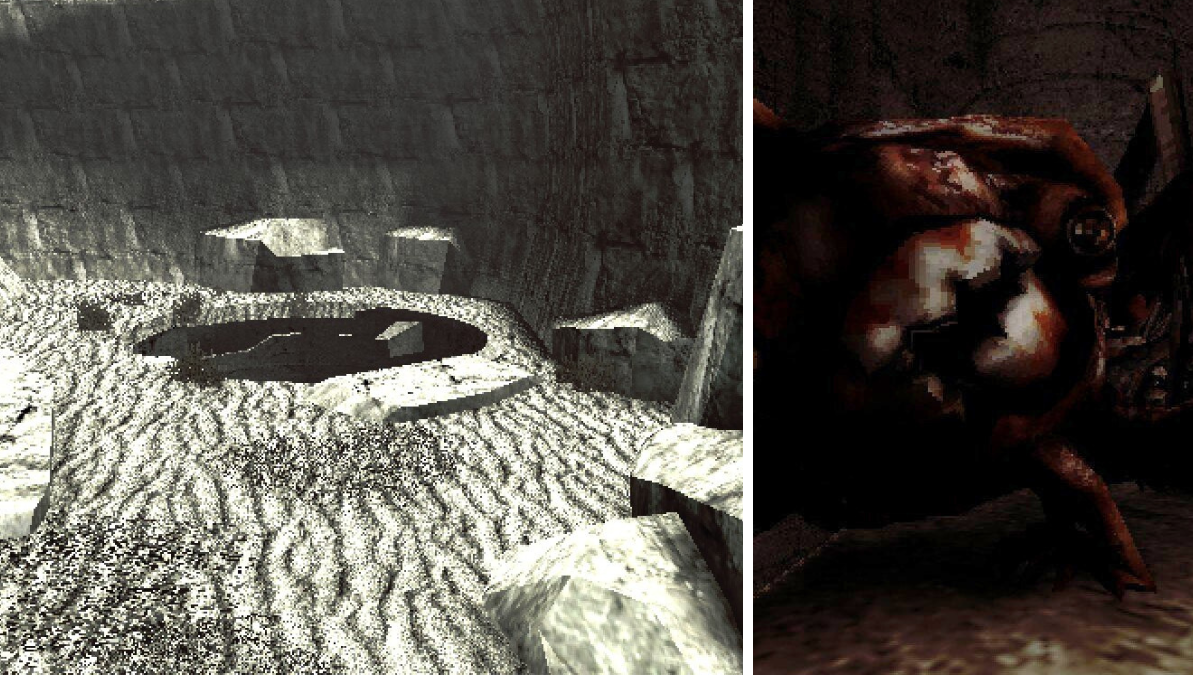
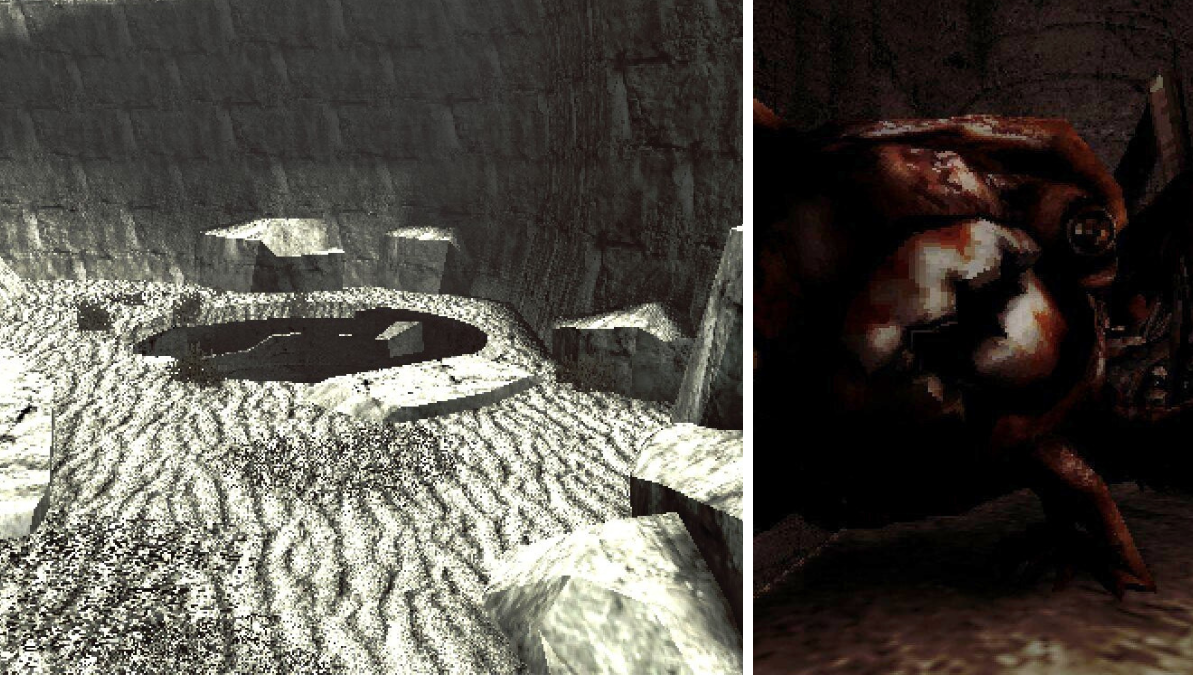
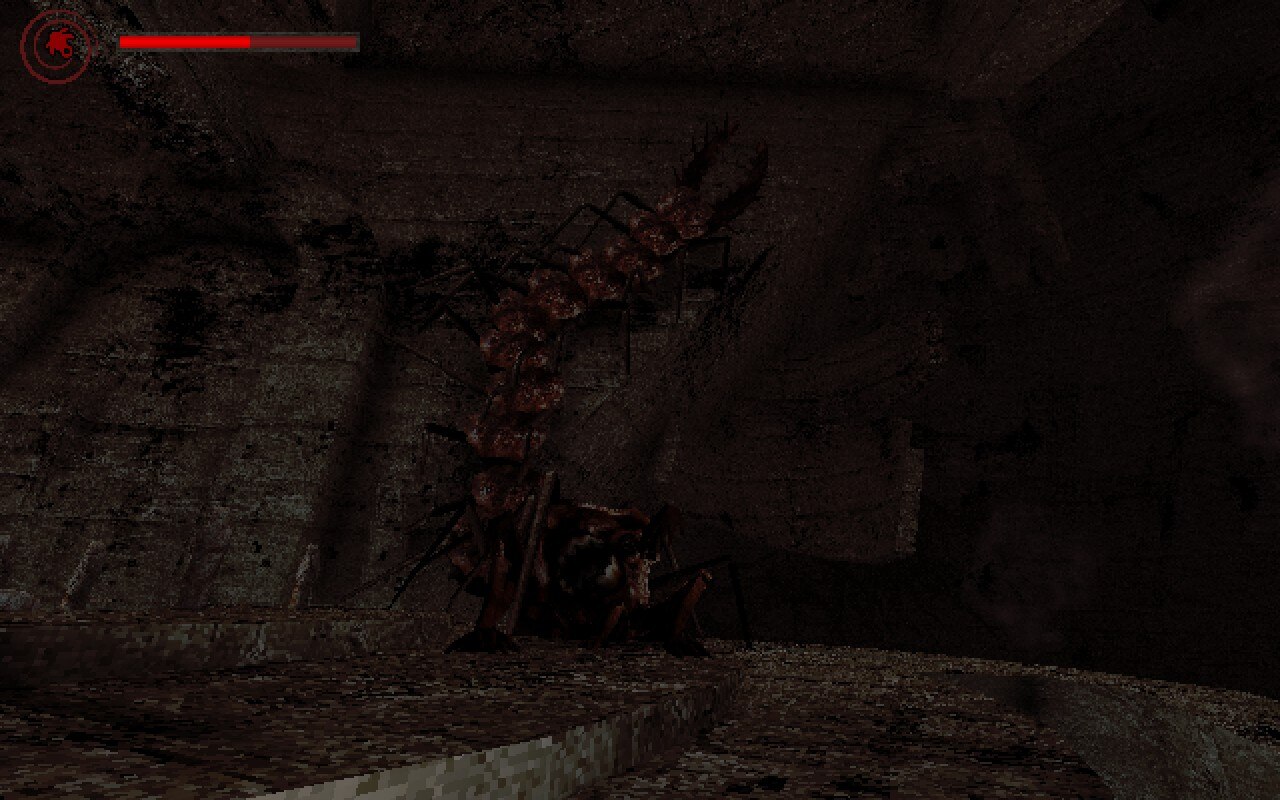
Just as the player settles into the rhythm of the descent, the true nature of Idols of Ash reveals itself. A colossal, trunk-sized centipede emerges from the gloom, its mandibles snapping with mechanical precision.
The introduction of this creature acts as a brutal tonal shift. It transforms the game from a slow-burn exploration title into something resembling an arena shooter—albeit one where you are entirely defenseless. The centipede is not merely a monster; it is a pacing mechanism. It forces the player to stop treating the pit as a quiet tomb and start treating it as an obstacle course that must be navigated at breakneck speeds.
Chronology of a Descent: From Hesitation to Flow
The Early Stages: The Cautious Descent
In the opening thirty minutes, the player learns the basics of the physics engine. Every jump is calculated, and every hook deployment is deliberate. The game feels like a puzzle, where the challenge is simply understanding the geometry of the pit.
The Mid-Game: Embracing the Speed
The middle section of the game is where the "rage-quit" factor is highest. Players who attempt to maintain their slow, methodical approach will inevitably be consumed by the centipede. To progress, the player must unlearn their caution. This involves learning to jump and catch, swing and leap in one fluid motion. Success here is not about knowing where the platforms are—it is about knowing the limits of the rope and the mechanics of momentum.
The Climax: A Fever Dream
The final stages of the descent are frantic. The player is no longer just descending; they are scurrying, swinging, and leaping on instinct alone. The climax is surprisingly impactful, providing a sense of relief that feels earned through genuine, high-stress gameplay. It is a rare moment where a game’s narrative conclusion perfectly mirrors the physical exhaustion of the player.
Supporting Data and Replayability
While a standard playthrough clocks in at roughly two hours, speedrunners have already managed to clear the descent in under 20 minutes. This discrepancy highlights the depth of the movement system; once the "flow state" is achieved, the environment becomes a track to be mastered rather than a gauntlet to be survived.
Post-completion, the game offers two distinct avenues for continued play:
- Nightmare Mode: This mode removes checkpoints and significantly increases the speed of the centipede. It is the definitive challenge for those who felt the base game was too forgiving.
- Sandbox Mode: For those who prefer to engage with the mechanics without the constant threat of being "snapped in half," the sandbox mode allows for the manipulation of game variables. Players can adjust rope length, fall damage, and environmental modifiers, turning Idols of Ash into a meditative exercise in movement.
Official Perspective and Design Philosophy
Leafy Games has crafted a title that serves as a manifesto on modern movement design. By stripping away combat and focusing entirely on navigation, they have created a "first-person platformer" that relies on the player’s dexterity rather than their inventory.
The developer’s choice to keep the narrative cryptic is a deliberate design decision. By leaving the "why" of the pit and the "what" of the centipede open to interpretation, the focus remains entirely on the visceral experience of the descent. It is a game that values the feeling of playing over the delivery of lore.
Implications for the Genre
Idols of Ash stands as a reminder that the "horror" label is often applied too broadly. While it contains frightening imagery and a high-stress, nightmare-like aesthetic, it is fundamentally a game about physical competence.
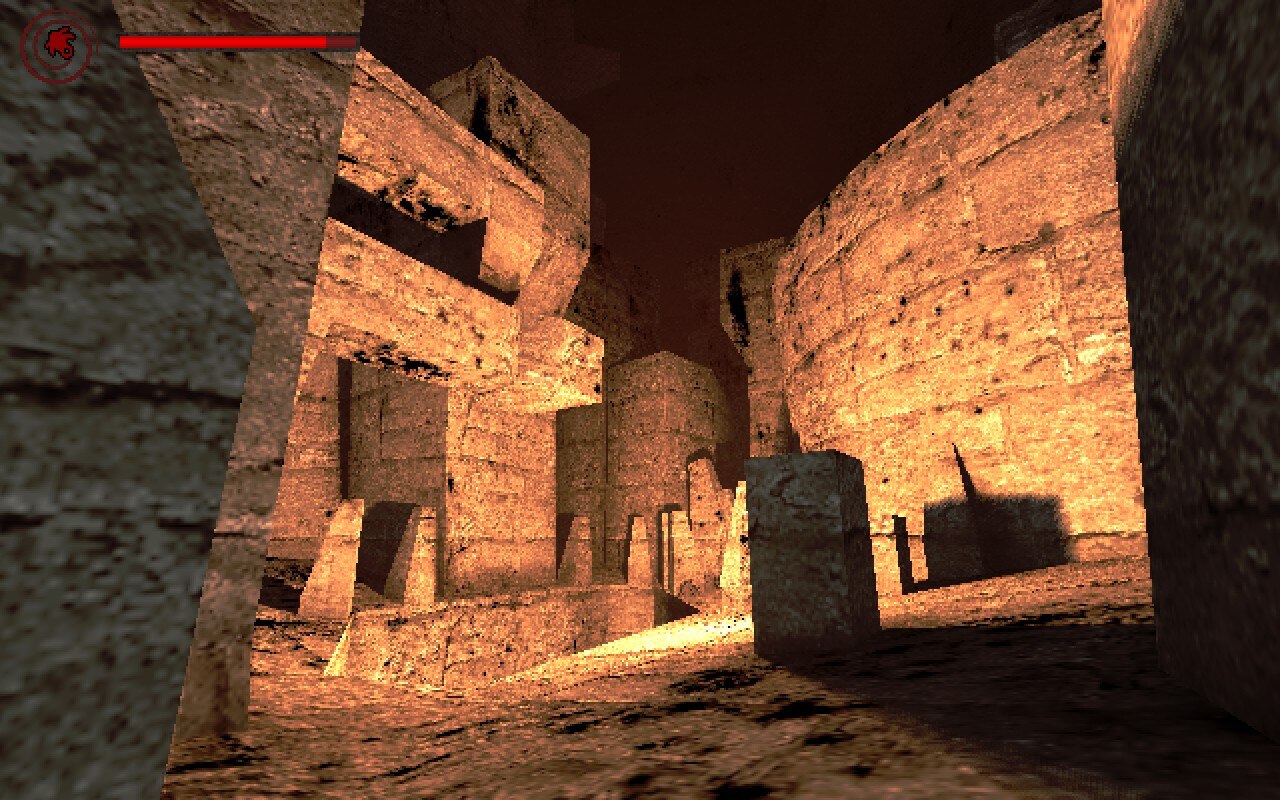
Its success suggests a growing appetite for "minimalist-extreme" games—titles that strip away complex UI and systems to focus on one or two core mechanics that are polished to a mirror finish. In an era of bloated, open-world checklists, the focused, high-intensity two-hour experience provided by Idols of Ash feels like a breath of fresh air—or perhaps, given the setting, a gulp of deep, subterranean oxygen.
Whether you are a fan of precision platforming, a lover of atmospheric horror, or a speedrunner looking for your next challenge, Idols of Ash is a title that deserves your attention. It is currently available on Steam and Itch.io, standing as a testament to how much can be achieved with a simple premise, a grappling hook, and a terrifyingly large centipede.


 Asro
Asro
 Muslim