The world of tabletop gaming is no stranger to transmedia adaptation, but few titles possess the tactical depth and narrative richness of Summoner Wars. This September, that richness is set to expand beyond the game board and onto the printed page. Battle Quest Comics has officially announced the launch of a new, four-issue Summoner Wars miniseries, headlined by the seasoned pen of Doctor Who writer Paul Cornell.
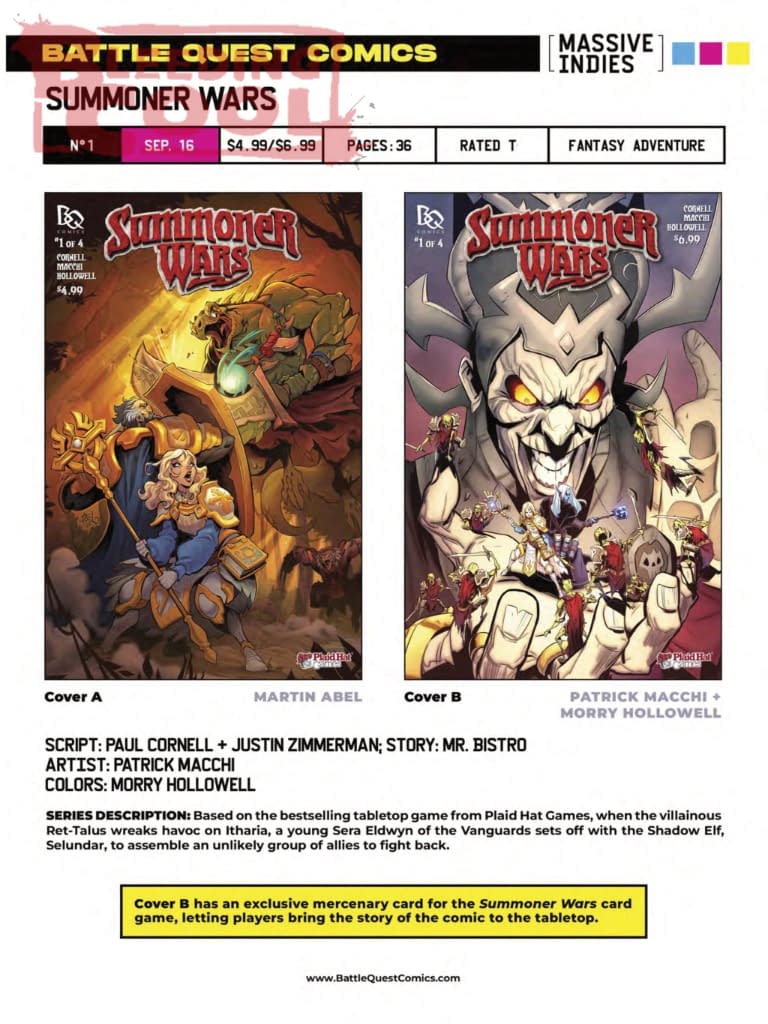
The announcement, tucked into the publisher’s September 2026 solicitations, confirms a powerhouse creative team tasked with translating the high-stakes, grid-based warfare of the Plaid Hat Games franchise into a compelling serialized narrative. Joining Cornell in the writers’ room are Justin Zimmerman and Mr. Bistro, with interior art duties handled by Patrick Macchi. As the tabletop community gears up for this new chapter, the move marks a significant milestone for both the game’s lore and the growing trend of tabletop-to-comic-book IP expansion.
The Core Conflict: A New Vision for Itharia
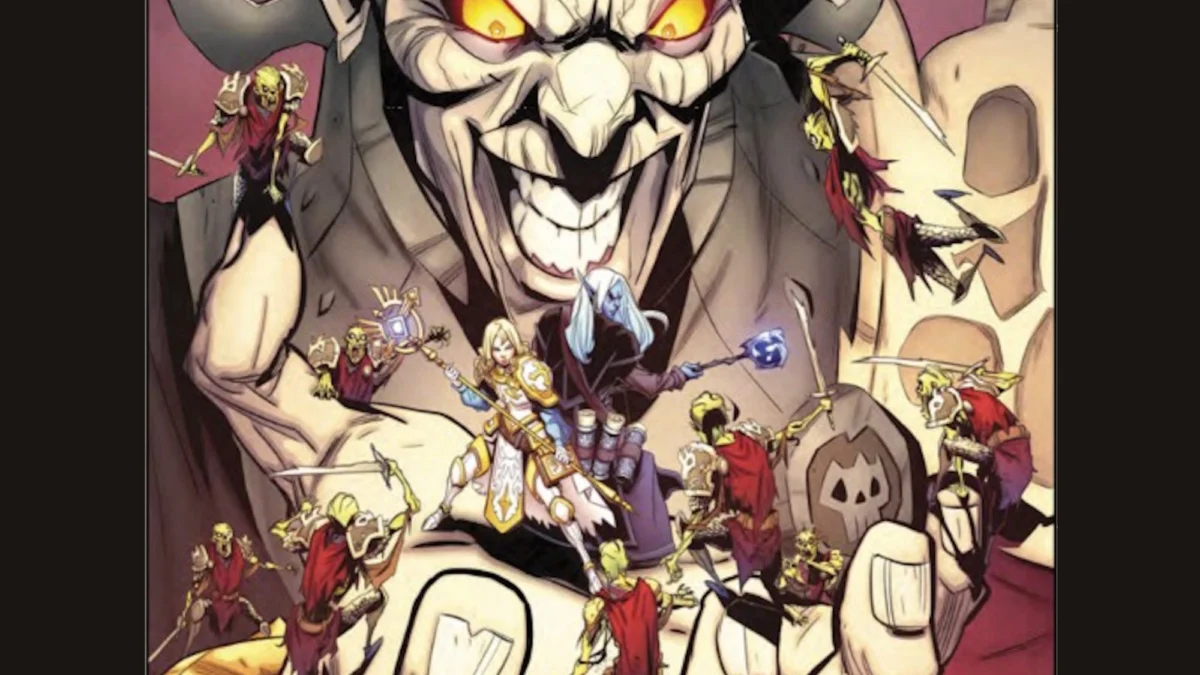
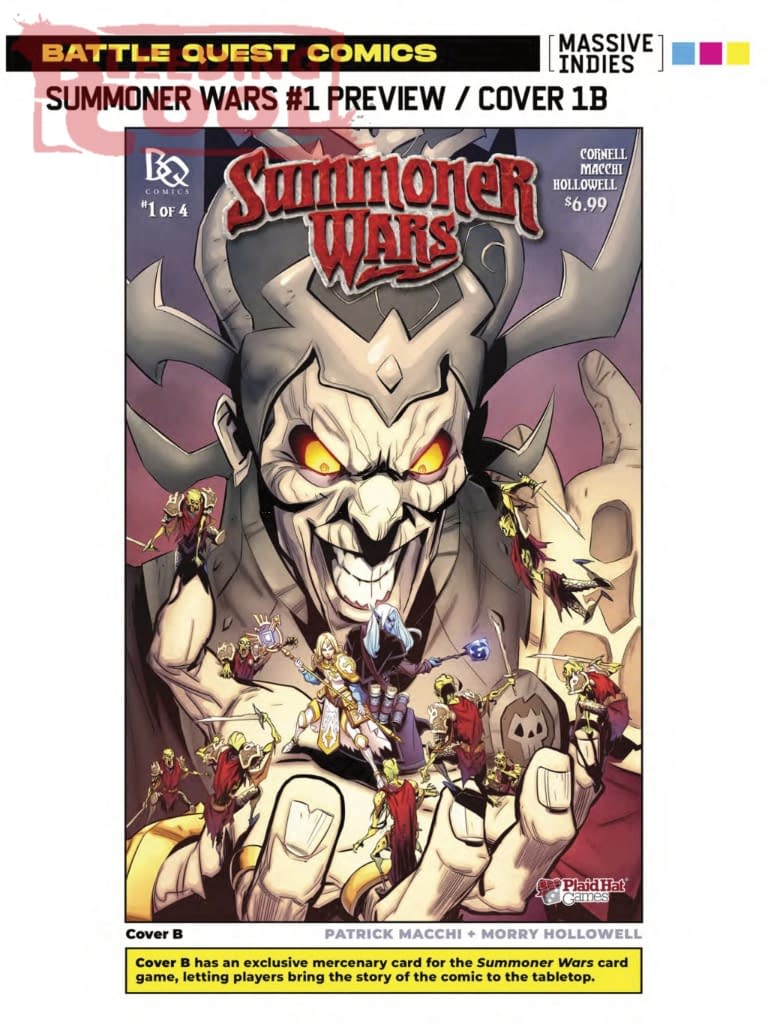
The debut issue, Summoner Wars #1, introduces readers to the war-torn world of Itharia—a land defined by its magical "summoning stones" and the rival factions that wield them. According to the official synopsis, the narrative will center on the villainous Ret-Talus, the malevolent force behind the Fallen Kingdom.
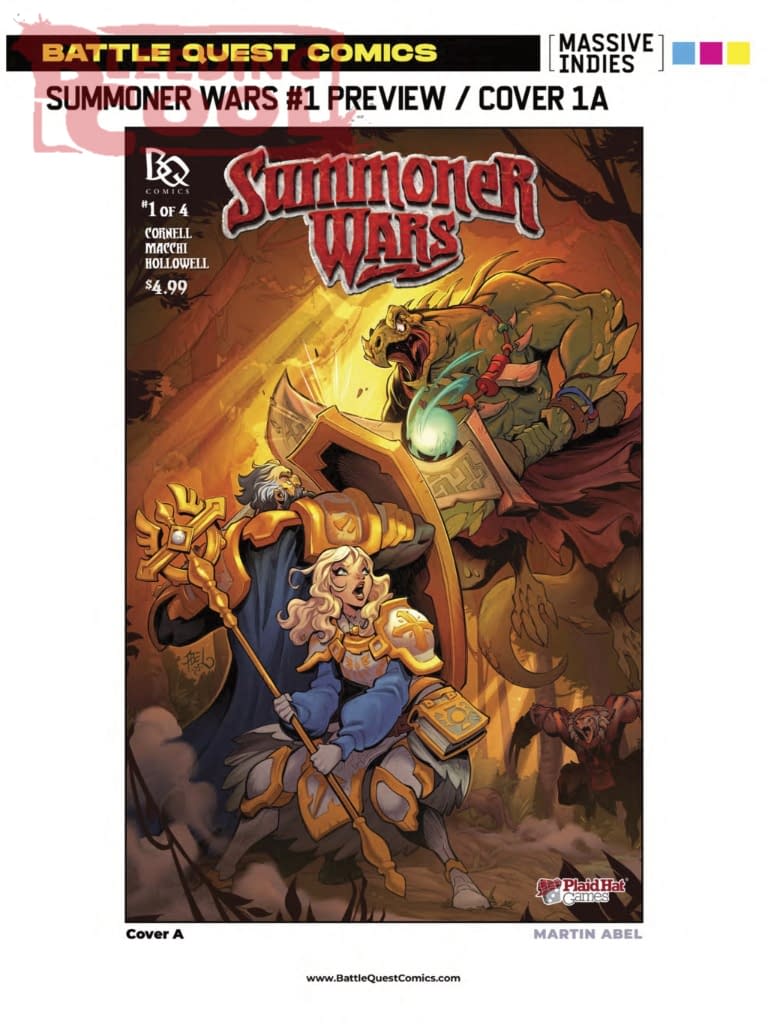
In a classic "unlikely hero" setup, the story follows a young Sera Eldwyn of the Vanguards. Burdened by the threat posed by Ret-Talus to the stability of the realm, Eldwyn must forge an uneasy alliance with the enigmatic Shadow Elf, Selundar. The comic promises to explore the fragile geopolitical landscape of Itharia, moving beyond the mere "combat simulation" aspects of the tabletop game to delve into the motivations and interpersonal tensions of the characters who inhabit its factions.

The choice of Paul Cornell to anchor the project suggests that Battle Quest Comics is aiming for a level of character-driven drama that matches the game’s strategic complexity. With a history of writing for some of science fiction’s most iconic properties, Cornell is well-versed in building expansive, high-fantasy worlds that remain grounded in the struggles of their protagonists.
A Legacy of Tactical Warfare: The Origins of Summoner Wars
To understand the weight of this comic book adaptation, one must appreciate the impact the original Summoner Wars has had on the tabletop hobby since its inception. Created by Colby Dauch and published by Plaid Hat Games in 2009, the game quickly became a darling of the enthusiast community.
At its core, Summoner Wars is a tactical dueling game. Unlike traditional trading card games that rely heavily on randomized deck draws or complex, keyword-heavy interactions, Summoner Wars emphasizes spatial awareness. Players control a Summoner—the linchpin of their faction—who uses magical energy to "summon" units onto a grid-based board.
The game’s genius lies in its simplicity-to-depth ratio. Players must manage their hand of cards, deciding when to deploy units for board presence and when to discard them to generate the "magic" resource required to summon more powerful creatures. The goal is brutal and binary: reduce the opponent’s Summoner to zero health while ensuring your own survives. This combination of resource management, tactical positioning, and the inherent tension of a "king-of-the-hill" style battle made the game a massive success, leading to a vibrant second edition that solidified its status as a modern classic.
The Creative Team: A Synergy of Talent
The decision to pair veteran comic book writer Paul Cornell with co-writers Justin Zimmerman and Mr. Bistro represents a multi-faceted approach to adaptation. Cornell’s pedigree, particularly his work on Doctor Who and various Marvel and DC titles, ensures a narrative flow that is accessible to new readers while satisfying the lore-heavy expectations of longtime fans.
Patrick Macchi, the series’ artist, is tasked with the daunting responsibility of visualizing a world that has, for years, existed primarily as static card art. Based on the preview materials released in the September solicits, Macchi’s style appears to lean into the dynamic, high-fantasy aesthetic that characterizes the game’s various factions. From the regal, shining armor of the Vanguards to the twisted, shadowy aesthetic of the Fallen Kingdom, the visual language of the comic will be essential in grounding the game’s abstract mechanics in a tangible, breathing reality.
The Implications: Why Now?
The adaptation of Summoner Wars in 2026 is indicative of a broader shift in the comic book industry. Publishers are increasingly looking toward established tabletop intellectual properties to fill the gap left by the shifting landscape of superhero comics.
By taking a game with a strong cult following and an established, distinct "universe" (Itharia), Battle Quest Comics is effectively leveraging an existing fan base. However, the success of this series will depend on whether it can transcend its source material. Will it serve merely as a lore supplement for players, or will it stand on its own as a work of fantasy fiction?
The four-issue limited series format is a strategic choice. It allows for a tight, focused narrative arc that won’t require a decade-long commitment from readers, making it an attractive "entry point" for those curious about the Summoner Wars brand without necessarily having to learn the nuances of the card game.
Examining the Competitive Landscape
It is worth noting that Summoner Wars is entering a crowded market. Other tabletop giants, such as Magic: The Gathering and Dungeons & Dragons, have had varying degrees of success in the comic space. The challenge for Summoner Wars will be capturing the specific "feel" of the game—the tension of the grid, the importance of the Summoner unit, and the distinct flavor of the different factions—without becoming bogged down in technical jargon.
Industry analysts suggest that the "tabletop-to-comic" pipeline is becoming a key pillar of diversification for mid-tier publishers. With the rising cost of paper and the increasing competition for shelf space, having an existing brand name on the cover provides a necessary "hook" for retailers and consumers alike. If the Summoner Wars series performs well, it could open the door for more expansive storytelling within the Itharia setting, potentially leading to spin-offs or extended arcs that explore the other diverse factions of the game, such as the Orcs, the Dwarves, or the various mercenary guilds.
Anticipation and Reception
The fan reaction within the tabletop community has been overwhelmingly positive, with many players of the second edition of Summoner Wars expressing excitement to see their favorite units and leaders depicted in a narrative format. The inclusion of iconic characters like Sera Eldwyn and Ret-Talus serves as a "call-back" to the foundational lore that many players have been engaging with for years.
However, the burden of success rests on the script. In the world of licensed comics, the most successful titles are those that treat the source material with respect while not being afraid to take risks. Paul Cornell’s involvement is a major boon in this regard; his ability to handle ensemble casts and high-stakes conflict is well-documented.
Conclusion: A New Era for Itharia
As September 2026 approaches, the comic book industry and the tabletop gaming world will be watching closely. The Summoner Wars miniseries is more than just a tie-in product; it is an experiment in how to successfully translate a tactical, card-based experience into a character-driven comic book narrative.
With a creative team that balances experience with fresh perspectives and a world as rich as Itharia to draw from, the potential for success is high. Whether you are a veteran Summoner looking for a deeper dive into the lore or a casual fantasy fan seeking a new, fast-paced story, the upcoming release from Battle Quest Comics promises to be one of the most anticipated titles of the fall season.
As the lines between tabletop gaming and serialized media continue to blur, projects like Summoner Wars serve as a reminder that the best stories are often found in the games we play. The battle for Itharia is coming to comic shops this September—and it promises to be a confrontation for the ages.