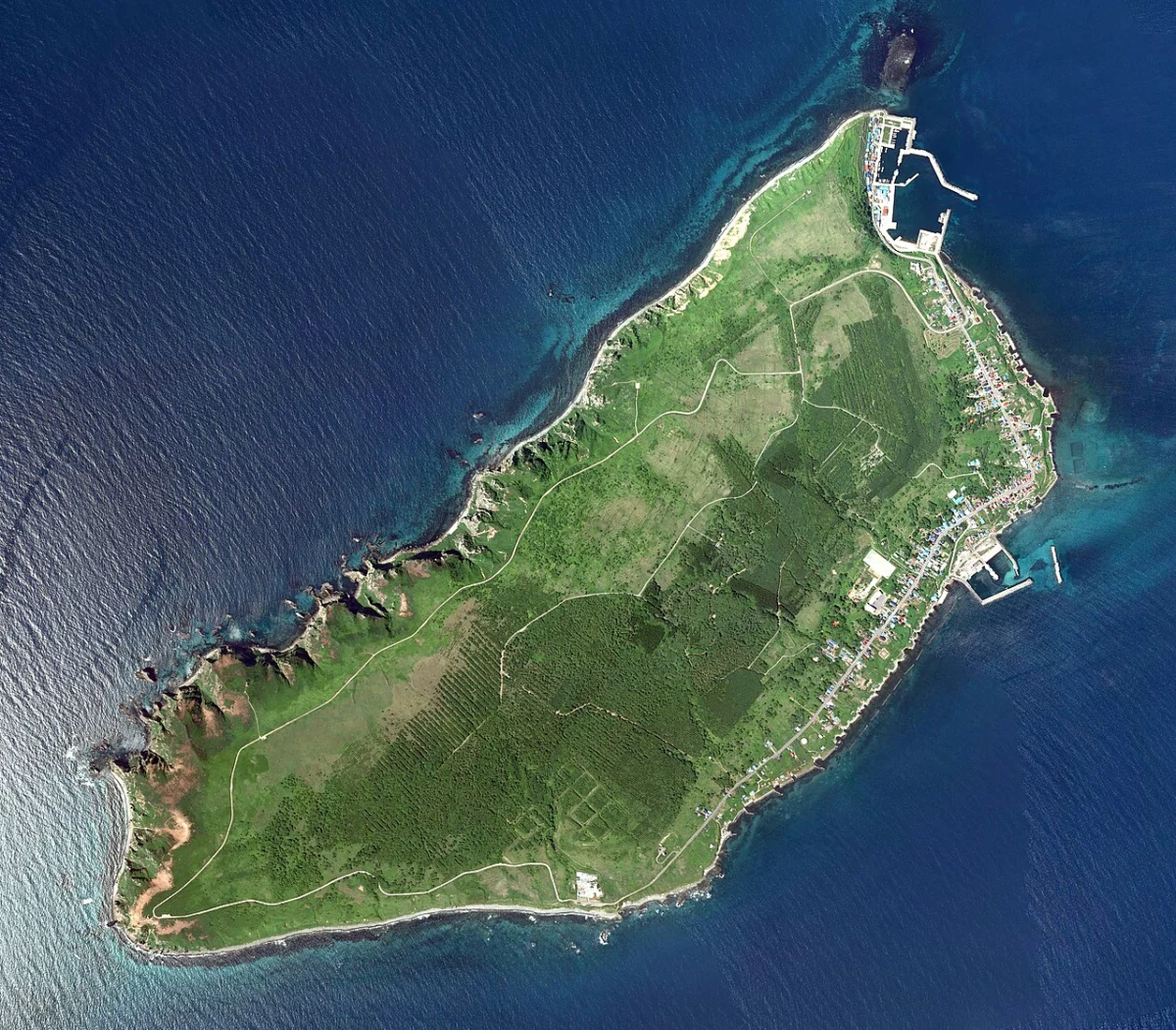
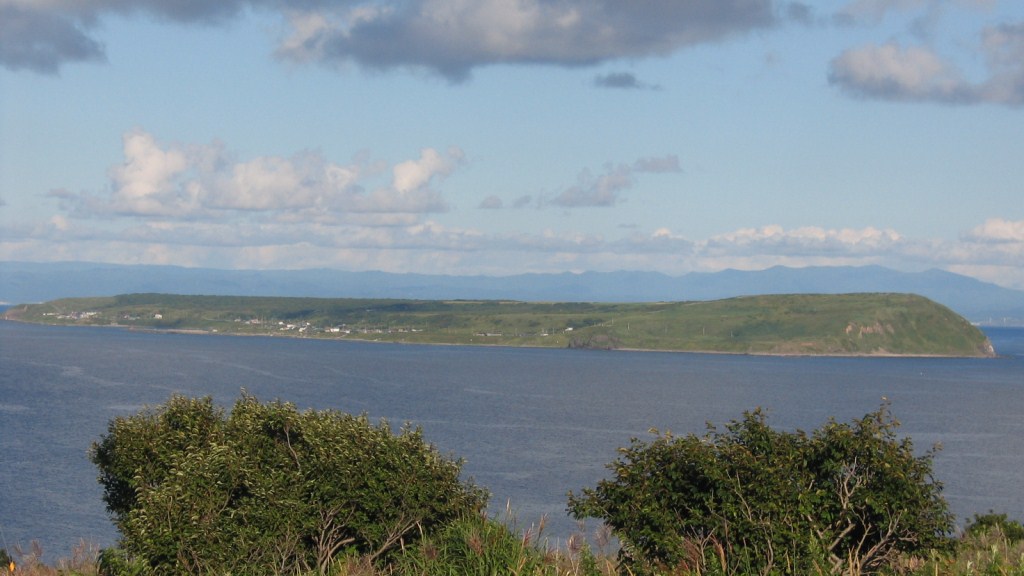
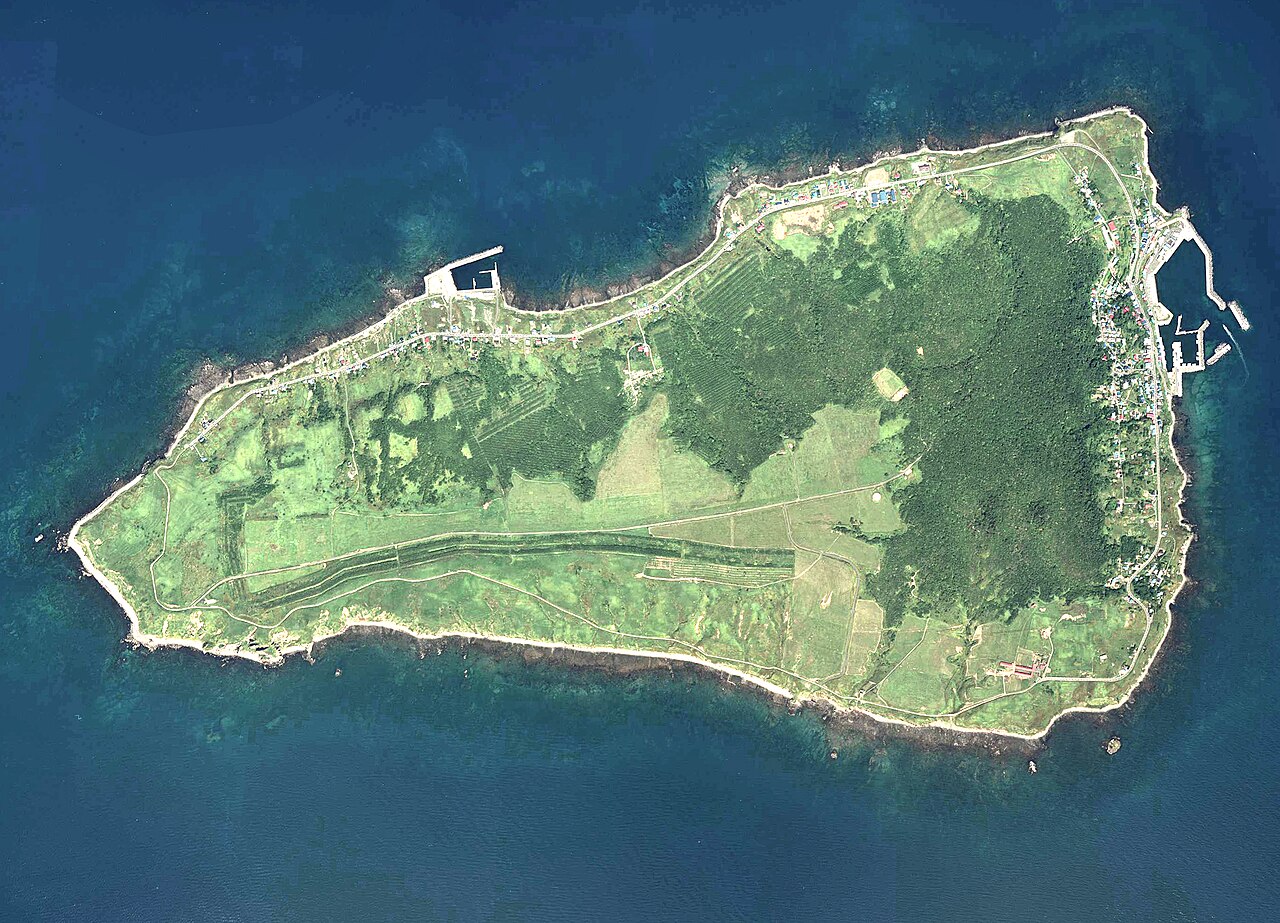
Two hundred kilometers north of Sapporo, where the jagged coastline of Hokkaido meets the icy, nutrient-rich waters of the Sea of Japan, lies the small fishing town of Haboro. While the town itself functions as a quiet hub for local fisheries, it serves as the gateway to a maritime wilderness of international significance. Twenty kilometers offshore, two small, unassuming islands—Teuri and Yagishiri—host the most concentrated seabird breeding colony in Japan. This is a landscape where the natural world asserts its dominance, and where the rhythmic, ancient cycles of the North Pacific define the rhythm of life.
Main Facts: A Haven for the Avian World
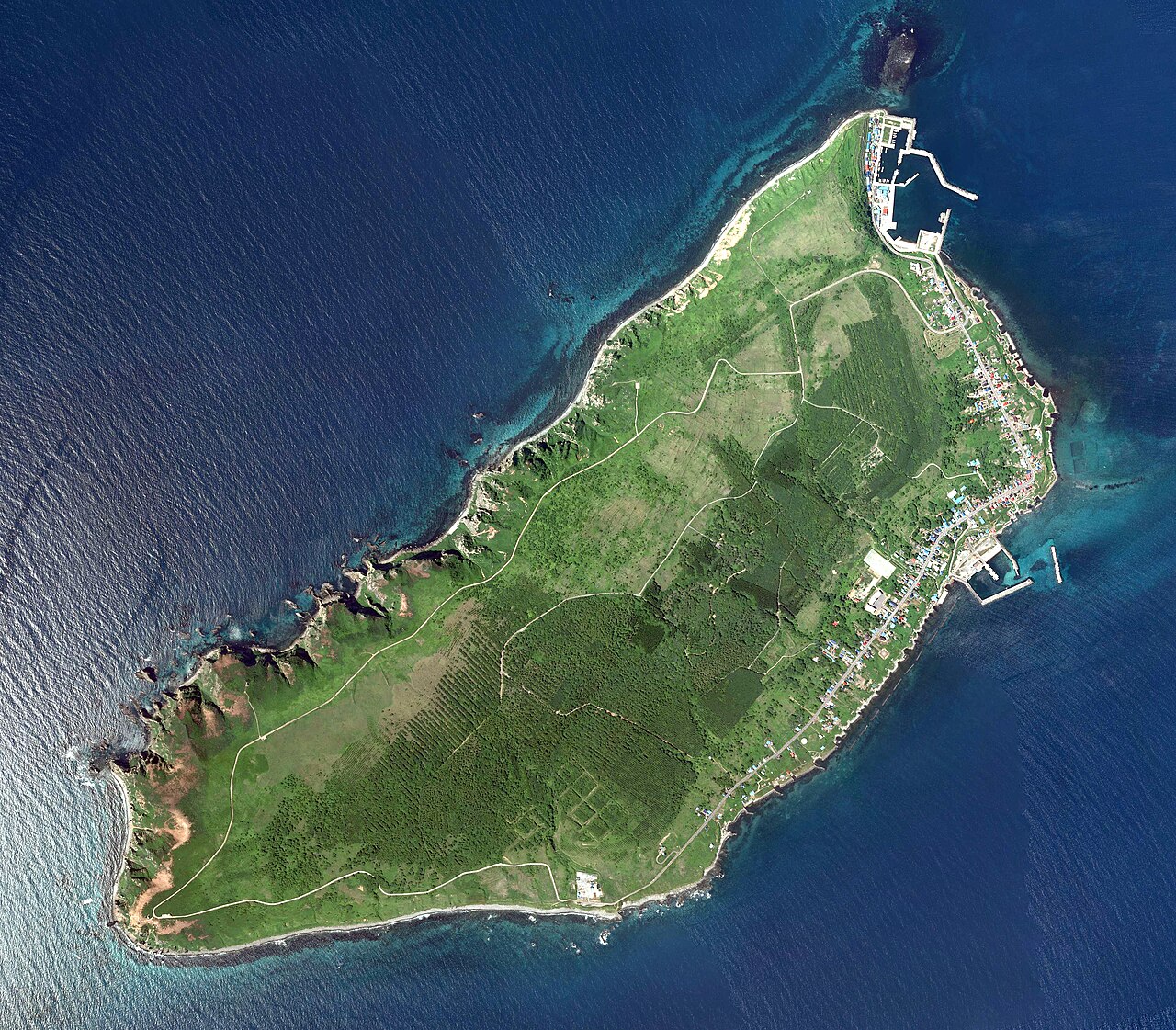
The archipelago of Teuri and Yagishiri exists at the confluence of the Tsushima Current and the continental shelf, creating an upwelling of marine life that sustains a staggering density of wildlife. Teuri Island, in particular, is an ornithological powerhouse. Every spring, approximately 800,000 rhinoceros auklets (Cerorhinca monocerata) descend upon the island’s basalt cliffs to breed, carving intricate burrow networks into the soft, turf-covered headlands.
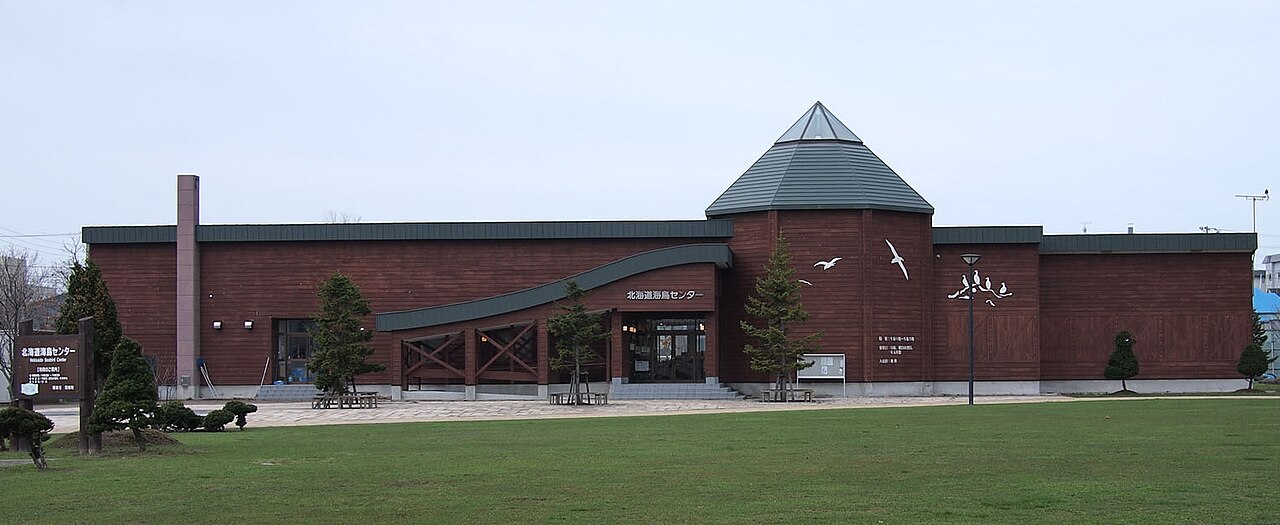
Beyond the rhinoceros auklets, the islands provide critical nesting grounds for eight other species, including the common murre, pelagic cormorant, spectacled guillemot, and black-tailed gull. These islands are not merely tourist destinations; they are vital ecological laboratories. The Hokkaido Seabird Center, established in 1997 in Haboro, serves as the Ministry of the Environment’s primary administrative and research base for monitoring these colonies. It represents the intersection of local fishing heritage and modern conservation, acting as both an educational facility and a sentinel for the region’s biodiversity.
Chronology: The Evolution of Conservation
The relationship between the islands and the human population has shifted dramatically over the last half-century. Historically, the islands were seen primarily through the lens of maritime resources—fishing, sheep farming on Yagishiri, and coastal navigation. However, as the global scientific community began to recognize the decline of North Pacific seabird populations, the status of Teuri and Yagishiri underwent a transformation.
- 1970s–1980s: A period of significant ecological alarm. The colony of tufted puffins, once a staple of the Teuri landscape, began a precipitous decline, largely attributed to longline-fishery bycatch.
- 1997: The Hokkaido Seabird Center officially opened in Haboro, marking a shift toward institutionalized protection and public education. The facility began the long process of reconciling the needs of the local fishing fleet with the survival of the auklets.
- 2010: A somber milestone was reached when the last confirmed breeding pair of tufted puffins was recorded, signaling the functional local extinction of the species and reinforcing the urgent need for the ongoing monitoring programs currently in place.
- Present Day: The islands have transitioned into a niche, high-value destination for eco-tourists and serious birders, with the Seabird Center managing a delicate balance between visitor access and habitat integrity.
Supporting Data: The Ecology of the Cliffs
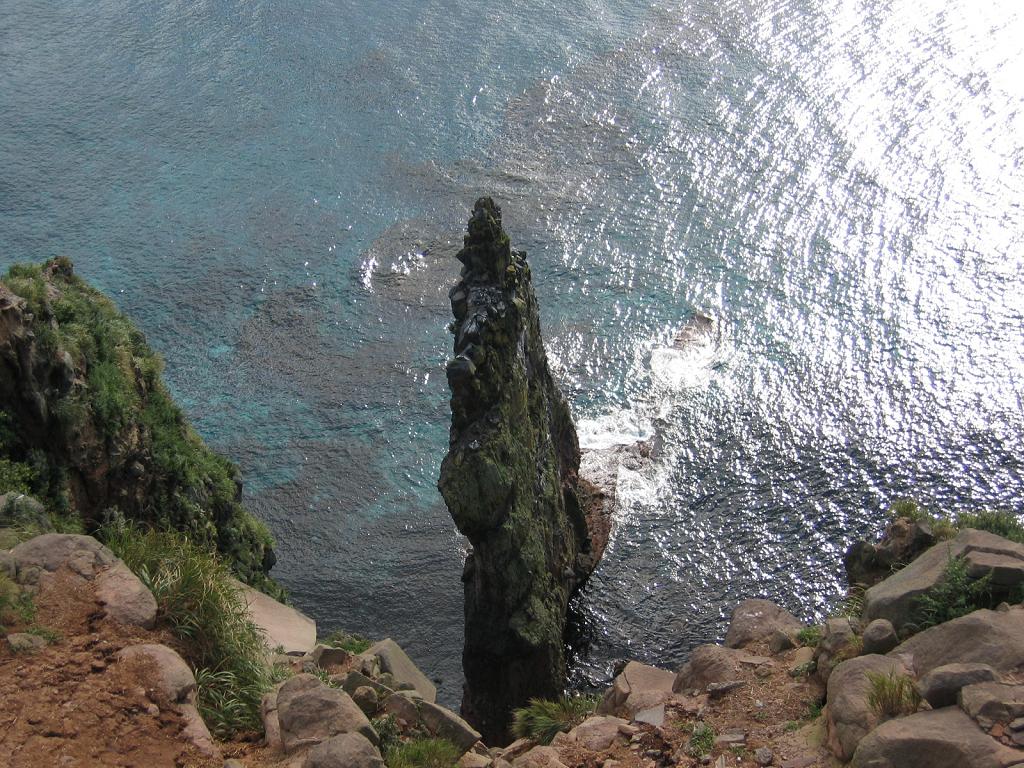
The geography of Teuri is a textbook example of geological suitability for nesting. The basalt lava flows of the northwestern coast have been weathered by time, with layers of tuff—a soft volcanic ash—eroding to create the deep cavities and overhangs that seabirds prefer.
The rhinoceros auklet population, which accounts for the vast majority of the island’s avian residents, demonstrates a highly specialized behavior. They are nocturnal foragers during the breeding season, spending their days at sea and returning to their cliff-top burrows under the cover of darkness. This "dusk return" is a natural spectacle of immense proportions. For a 30 to 45-minute window each evening, the sky is filled with thousands of birds returning at high speed to their specific burrows, a synchronized event that remains one of the most dramatic wildlife sights in the North Pacific.
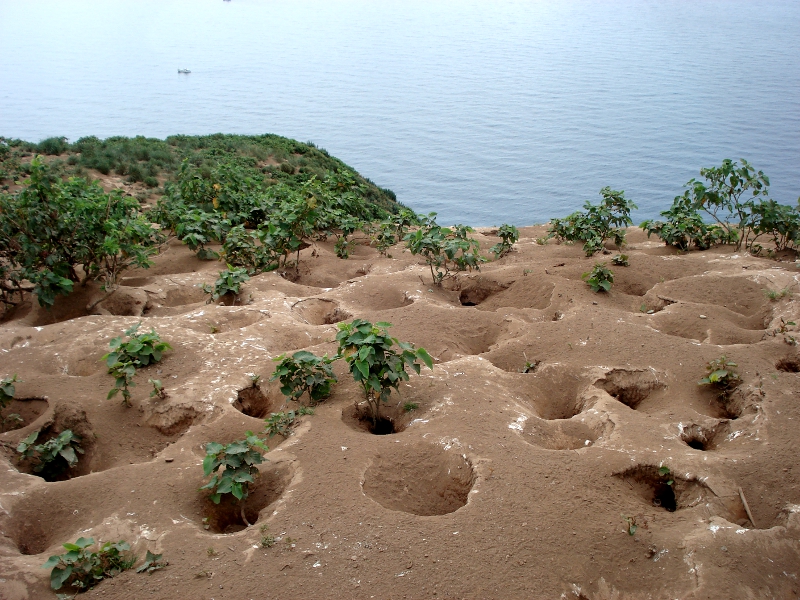
Ecological data from the Ministry of the Environment highlights the necessity of the current "no-touch" policy. The turf where the auklets burrow is fragile; human foot traffic poses a direct threat to the integrity of these nests. As a result, the island’s tourism is strictly managed through designated viewing platforms like the Akaiwa Observatory, ensuring that the 800,000-strong colony remains undisturbed by the curiosity of human observers.
Official Responses and Conservation Efforts
The Haboro Seabird Center serves as the primary liaison between the government and the community. Its mission extends beyond display cases and visitor pamphlets; it is deeply involved in bycatch mitigation. The center works closely with the local fleet, which primarily targets hokke (atka mackerel), salmon roe, and sea urchins.
"We are not here to separate the human from the wild," a representative from the center noted, "but to integrate them into a sustainable framework." By documenting the conflict between traditional fishing practices and bird survival, the center has helped foster a local culture that views the seabirds not as a nuisance, but as an indicator of the ocean’s health. If the birds thrive, the fisheries are likely to be healthy as well.
The center’s educational exhibits—which include life-size reconstructions of cliff faces and carvings by renowned artist Kumiko Kitao—are designed to build empathy. They provide the context that visitors might otherwise lack, such as the specific ecological nuances that explain why these islands are, essentially, the "nursery" of the Sea of Japan.
Implications: The Future of Deep-Travel
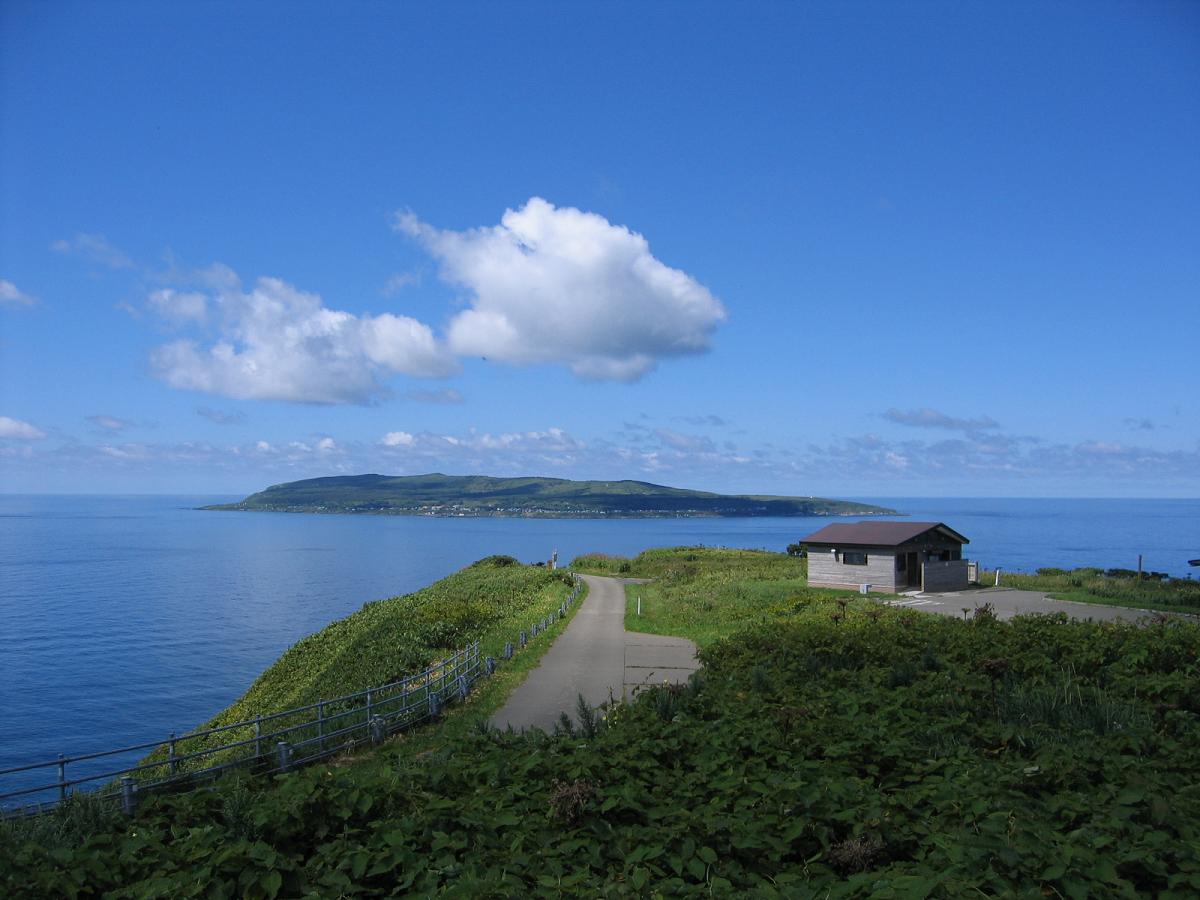
The rise of "deep-travel"—a movement toward remote, low-impact, and immersive destinations—brings both opportunity and risk to Teuri and Yagishiri. The islands currently attract only hundreds of foreign visitors per year, a statistic that helps maintain their pristine status but raises questions about economic sustainability.
For the serious naturalist, the implications are clear: these islands are a rare, un-touristed window into the past. However, the logistical commitment required to reach them acts as a natural filter. Visitors must be prepared for the reality of remote-island life, including the potential for ferry cancellations due to the unpredictable Sea of Japan weather, and the necessity of navigating a landscape where English support is, at best, rudimentary.
Is it Worth the Journey?
For those with a penchant for ornithology or a desire to experience Japan’s most peripheral landscapes, the answer is an unambiguous yes. The experience is not for the casual vacationer seeking convenience; it is for those who value the solitude of a rugged coastline and the sheer power of witnessing one of the largest seabird colonies in the world.
To visit is to engage with a fragile ecosystem. The local minshuku owners, the researchers at the center, and the ferry operators all play a role in this delicate dance. Whether one is hiking the primeval forests of Yagishiri, where Hokkaido’s only northern-latitude broadleaf deciduous woodland stands as a testament to ancient ecology, or sitting in the near-total darkness of the Akaiwa Observatory waiting for the auklets to swarm the cliffs, the experience is profoundly grounding.
Strategic Planning for the Discerning Traveler
For those planning to embark on this journey, the following logistical considerations are paramount:
- Seasonality: The breeding window for the rhinoceros auklet is tight, spanning from mid-April to late August. Peak activity is most reliable between late May and mid-July.
- Logistics: The Haboro Enkai Ferry is the lifeline of the islands. While the service is efficient, it is subject to the whims of the sea. Travelers should always build "buffer days" into their itineraries.
- Cultural Sensitivity: While the islands are becoming more accustomed to international interest, they remain authentic fishing communities. Respecting local regulations, especially regarding the protection of nesting sites and the use of red-filtered lights at night, is non-negotiable.
- Beyond Birds: While the auklets are the primary draw, the cultural and culinary landscape—from the premium lamb of the Yagishiri Sheep Farm to the fresh sea urchin harvested by local divers—adds a layer of depth that makes the long travel from Tokyo or Sapporo a rewarding endeavor.
In an increasingly globalized world where remote places are becoming ever harder to find, Teuri and Yagishiri stand as defiant, wind-swept reminders of the natural order. They are not merely places on a map, but silent sentinels of the Tsushima Current, guarding the secrets of the North Pacific and inviting those few who seek them out to witness a world that has, for the most part, remained unchanged by time.