Lina Hope
In the increasingly competitive landscape of subscription-based gaming, Microsoft’s Xbox Game Pass has long been hailed as the "best deal in gaming." However, recent chatter within the gaming community suggests that the secret to securing the most attractive pricing isn’t necessarily through long-term loyalty, but through the strategic use of the "cancellation button."
A growing body of reports from Reddit and various gaming forums indicates that Microsoft is deploying aggressive "win-back" pricing strategies. Users who frequently cycle their subscriptions—canceling their service only to be prompted to return with a significant discount—are finding themselves at the center of a dynamic, algorithm-driven pricing experiment. This phenomenon, while effective for Microsoft’s churn management, is sparking a broader debate about the ethics of subscription models and the perceived devaluation of loyal, long-term subscribers.
The Anatomy of the "Win-Back" Discount
The core of the issue stems from a recent, highly publicized thread on the r/XboxGamePass subreddit. One subscriber, who had been toggling their subscription on and off for nearly two years, shared a screenshot of an offer that seemed too good to be true: a full year of Xbox Game Pass Ultimate for $16.09 per month—a 30% reduction from the standard monthly rate of $22.99.
This individual’s strategy was simple: they treated the subscription as a transient utility rather than a permanent fixture. By canceling the service almost every month, they inadvertently triggered Microsoft’s automated customer retention systems. These systems are designed to detect when a user has exited the ecosystem and attempt to lure them back with "We Miss You" or "Welcome Back" offers.
"I wasn’t doing any sort of tricks," the user noted in the thread. "I just got the offer randomly because I cancel Game Pass almost every month, so maybe this was their way of keeping me."
This strategy, known in marketing circles as "dynamic win-back," is a standard tactic in the SaaS (Software as a Service) industry. By identifying high-value customers who are at risk of leaving, companies can offer personalized incentives to prevent churn. However, when these discounts are applied to a high-profile service like Xbox Game Pass, the visibility of these "hidden" prices creates a sense of inequity among the broader user base.
A Chronology of Subscription Friction
To understand why these discounts are surfacing now, one must look at the recent history of Xbox Game Pass.
Earlier this year, Microsoft implemented a significant restructuring of its subscription tiers. The move was met with mixed reactions, as the company increased the price of the flagship "Ultimate" tier to $22.99 while simultaneously altering the availability of "Day One" releases for lower-cost tiers. These changes were largely seen as an effort to stabilize revenue in an era where game development costs have skyrocketed.
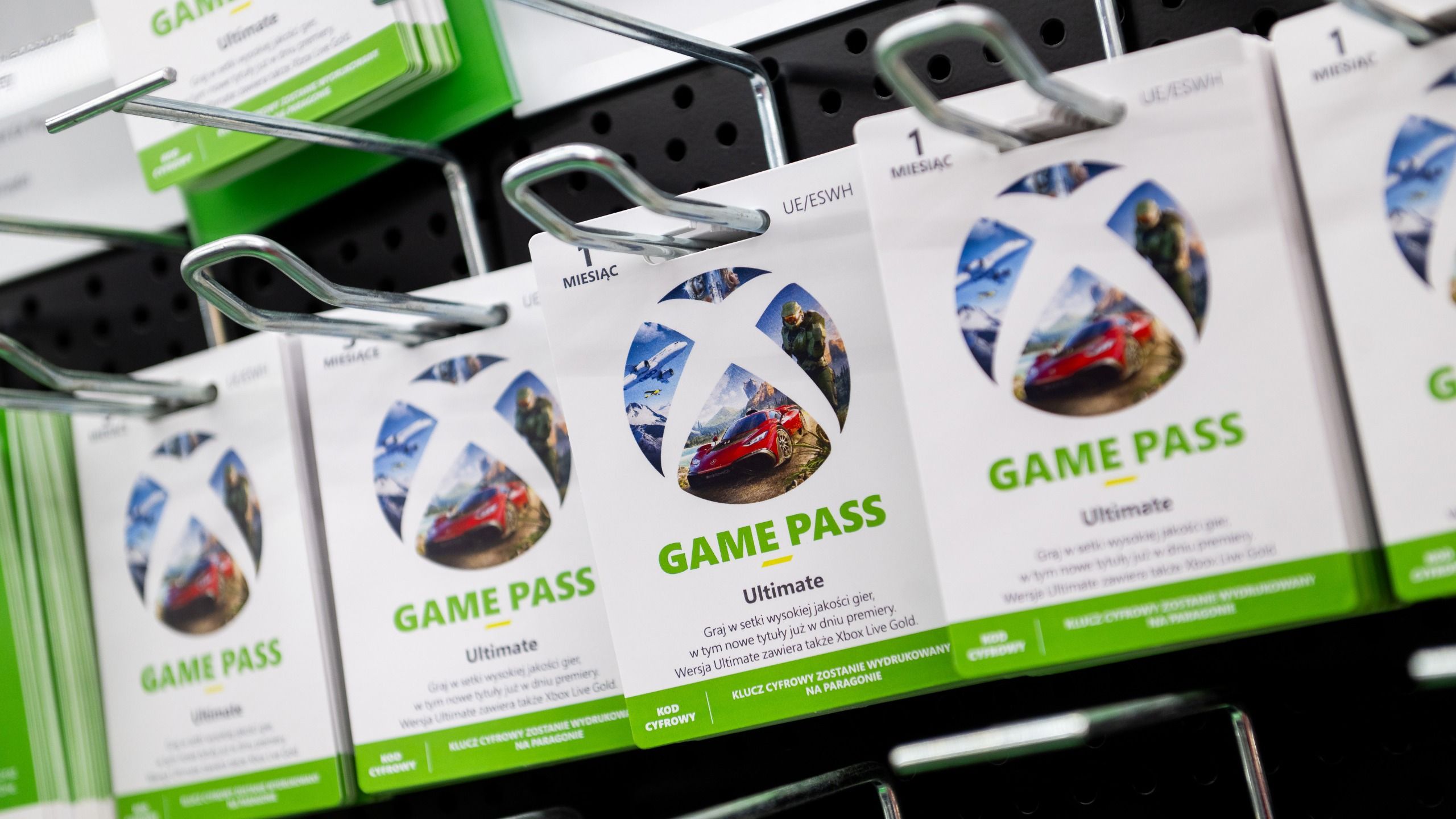
Following these price hikes, the gaming community became hyper-aware of costs. The threshold for what constitutes a "fair" price for access to a library of hundreds of games became a point of contention. Almost immediately after these price hikes, the frequency of reports regarding "win-back" emails and console-based pop-up offers increased.
The Timeline of Discontent
- Early 2024: Microsoft announces a strategic pivot for Game Pass, raising prices on the Ultimate tier and refining the value proposition of lower-cost tiers.
- Mid-2024: Community sentiment shifts as users express frustration over the rising cost of entry. Discussions on "subscription fatigue" become more prevalent.
- Late 2024: The "Cancellation Loop" strategy gains traction on social media. Users begin sharing screenshots of discounts ranging from 20% to 30% after periods of inactivity.
- Present Day: A divide emerges between "loyal" users—who maintain continuous subscriptions—and "churn" users, who leverage automated incentives to keep costs low.
Supporting Data: Why Algorithms Favor the Churner
Why would a company like Microsoft seemingly incentivize the act of quitting? The answer lies in the metrics of "Customer Acquisition Cost" (CAC) versus "Customer Lifetime Value" (CLV).
Acquiring a new customer is significantly more expensive than retaining an existing one. When a user cancels their subscription, they enter the "win-back" funnel. If the cost to re-acquire that customer via a 30% discount is lower than the cost of marketing and advertising required to bring in a brand-new user, the discount is mathematically sound.
Furthermore, data suggests that subscription services often struggle with "zombie accounts"—users who forget to cancel but don’t use the service. Microsoft’s system, conversely, is likely identifying active, engaged users who have explicitly chosen to cancel. These are high-intent users who clearly value the product but are price-sensitive. By offering a targeted discount, Microsoft secures another year of revenue from a user who might have otherwise moved to a competitor or a gray-market key reseller.
However, the efficacy of this is hampered by the existence of third-party digital marketplaces. Sites like Eneba and G2A frequently offer keys for Game Pass Ultimate at prices significantly lower than the official $22.99 monthly fee—sometimes dipping below $10. This creates a "price floor" in the minds of consumers. If Microsoft’s official "win-back" offers cannot compete with these gray-market prices, the company risks losing those users permanently to unofficial channels.
The "Loyalty Tax" and Ethical Implications
The most significant tension arising from these reports is the concept of the "Loyalty Tax." By design, these discounts are often unavailable to users who maintain a continuous, uninterrupted subscription.
Many long-time subscribers, who have been with the service since its inception, feel penalized for their consistency. They pay the full retail price every month, effectively subsidizing the discounts given to those who "play hard to get." This creates a perverse incentive structure: the more loyal you are, the more you pay; the more often you quit, the more you save.
From a public relations perspective, this is a dangerous game. When a company rewards churn, it risks training its most valuable customers to behave like "churners." If a user realizes that they can save $80 to $100 a year by simply unsubscribing for a week or two every month, they will do so. This creates a volatile subscription base that is difficult for investors and stakeholders to project accurately.
Official Responses and Corporate Strategy
Microsoft has remained largely silent on the specific criteria used to distribute these discounts. When asked for comment, companies in this space typically cite "localized marketing efforts" or "periodic promotional windows."
The lack of transparency is likely intentional. If Microsoft were to formalize a "Loyalty Discount" program, they would lose the ability to deploy these offers surgically. By keeping the criteria opaque, they ensure that the discounts remain a "surprise and delight" mechanism—or in this case, a "surprise and retain" mechanism—rather than a baseline expectation.
Industry analysts suggest that this strategy is a balancing act. Microsoft is currently trying to maximize Average Revenue Per User (ARPU) while maintaining a high subscriber count to please shareholders. These targeted, time-limited discounts allow them to keep the subscriber number high without publicly lowering the "official" price of the service, which would be difficult to reverse once implemented.
The Future of Subscription Gaming
As we look toward the future of the Xbox ecosystem, the "Cancellation Loop" represents a maturation of the subscription model. We are moving away from the "Netflix era" of flat-rate pricing and into a more sophisticated, individualized era of dynamic pricing.
For the consumer, the takeaway is clear: the era of "set it and forget it" subscriptions may be coming to an end. To maximize value in the current gaming landscape, consumers are being forced to adopt a more transactional relationship with their service providers.
However, this comes with a cost. The erosion of brand loyalty is a significant risk for Microsoft. If the only way to get a fair price is to treat the service as a disposable commodity, the deep, long-term connection between the brand and the player begins to fray. For Microsoft, the challenge will be to find a way to reward true longevity—perhaps through "seniority-based" rewards or cumulative loyalty programs—that doesn’t sacrifice the short-term metrics they currently prioritize.
Until then, the "Cancellation Loop" remains an open secret: a quirk of the digital age that highlights the widening gap between corporate bottom lines and the expectations of the modern gamer. Whether you choose to play the game of "cat and mouse" with Microsoft’s subscription algorithm or continue to pay for the convenience of uninterrupted access is, for now, a choice each subscriber must make for themselves.

 Laily UPN
 Nana
Nana