

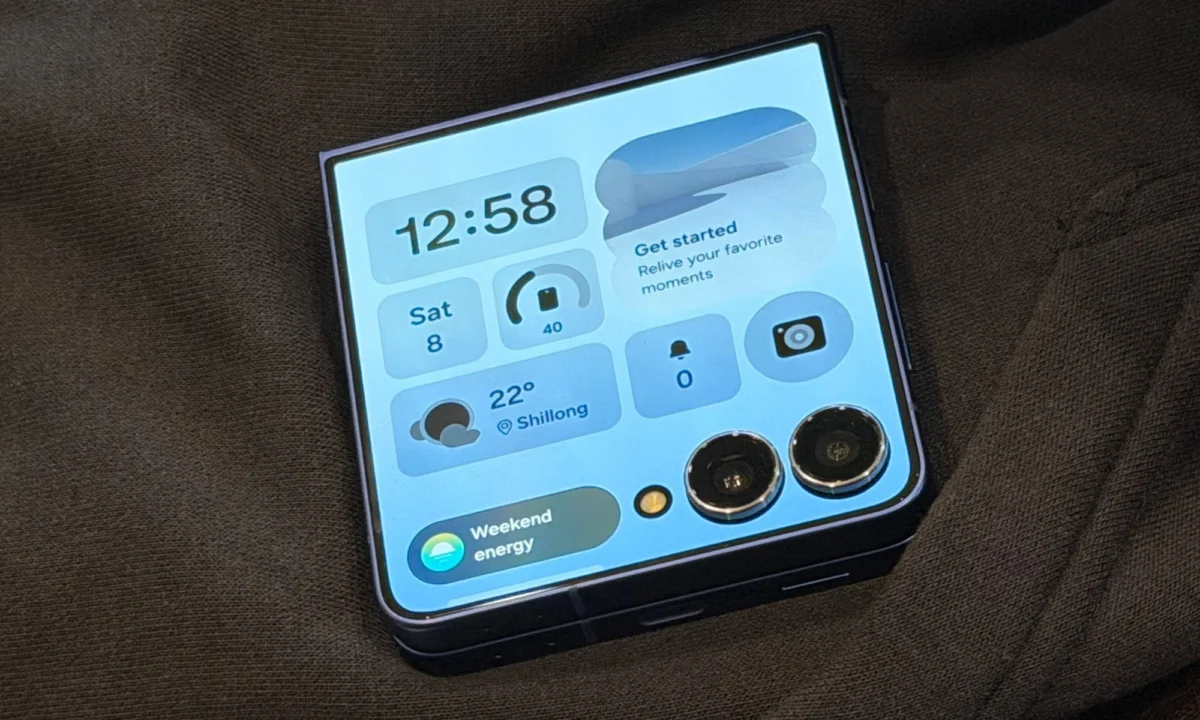
Samsung’s foldable strategy is undergoing a significant tactical shift. After a bold, singular commitment to in-house silicon for the Galaxy Z Flip 7, fresh reports indicate that the upcoming Galaxy Z Flip 8 will return to a dual-chip strategy. By integrating Qualcomm’s Snapdragon 8 Elite Gen 5 alongside its own Exynos 2600, Samsung is signaling a pragmatic pivot aimed at balancing production costs, regional demand, and hardware performance.
This decision marks the end of an "Exynos-only" experiment that defined the previous generation, highlighting the complex internal dynamics at Samsung Electronics as it navigates the competitive landscape of the foldable smartphone market.
The Core Revelation: A Return to Hybrid Silicon
The latest industry intelligence, originating from a leak on the South Korean platform Naver by the well-regarded tipster "Lanzuk," paints a clear picture: Samsung is moving away from a uniform chip strategy. The Galaxy Z Flip 8 is expected to be powered by two distinct processors depending on the market.
While the exact regional distribution remains under wraps, the industry consensus suggests a return to the classic Samsung playbook: a Snapdragon-led approach for key markets like the United States and potentially China, while other territories receive the Exynos 2600 variant. This "split-chip" approach is a return to form for the South Korean giant, which has historically utilized such a strategy for its Galaxy S-series flagships to manage supply chain logistics and optimize costs.

A Chronology of the "Chip Curse" and Strategy Shifts
To understand why this move is so significant, one must look at the recent history of Samsung’s foldable division.
The Snapdragon Era (2020–2024)
For the first several generations of the Galaxy Z Flip and Z Fold lines, Samsung relied exclusively on Qualcomm’s Snapdragon platforms. This consistency was a selling point, ensuring that global users received the same performance profile regardless of where they purchased their device. Qualcomm’s dominance in the high-end Android space made it the natural partner for Samsung’s burgeoning foldable segment, which required high-efficiency chips to manage heat and battery life in such a compact chassis.
The Exynos Experiment (2025)
The release of the Galaxy Z Flip 7 represented a radical departure. Samsung chose to go "all-in" on its Exynos silicon. At the time, this was viewed as a move toward greater vertical integration—a way for Samsung to reduce its reliance on third-party suppliers and boost the prestige of its internal Exynos division. However, the move was met with mixed reactions from consumers and tech enthusiasts who had grown accustomed to the reliable performance benchmarks of the Snapdragon line.
The 2026 Pivot: The Galaxy Z Flip 8
As we look toward the launch of the Z Flip 8, the landscape has shifted again. Reports indicate that the Exynos 2600 has become increasingly expensive to manufacture at scale. Conversely, Qualcomm’s pricing for the Snapdragon 8 Elite Gen 5 has become more favorable for the scale at which Samsung operates. Consequently, the business case for a dual-sourcing strategy has become insurmountable, leading to the current reported transition.

Supporting Data: Why Costs Matter
The primary driver behind this reversal is economic. Manufacturing leading-edge mobile processors is an incredibly capital-intensive endeavor. As chip fabrication processes move toward 3nm and beyond, the yield rates and research-and-development costs associated with the Exynos line have surged.
By diversifying the chip supply for the Z Flip 8, Samsung achieves three strategic goals:
- Supply Chain Resilience: By not relying solely on one silicon provider, Samsung protects itself against potential production bottlenecks.
- Cost Optimization: Leveraging competitive pricing from Qualcomm allows Samsung to maintain healthier margins on its foldable devices, which are already costly to produce due to the complex hinge and flexible display components.
- Market Customization: Regional demands often differ. By deploying specific chips to specific regions, Samsung can fine-tune its software optimization and connectivity support (such as 5G band optimization) more effectively.
The Hardware Outlook: What Else to Expect
While the processor shift is the most significant news, the Galaxy Z Flip 8 is shaping up to be an exercise in refinement rather than revolution. Early CAD renders and supply chain leaks suggest a "modest refresh."
Design and Form Factor
The most anticipated physical change is a slightly thinner profile. A redesigned hinge mechanism is expected to reduce the device’s thickness when closed, addressing a common critique that foldables are too bulky in the pocket. This "thin-is-in" approach mirrors trends seen in the wider smartphone market, where manufacturers are competing to shave millimeters off flagship devices.

Stagnant Specifications
Leaks suggest that both the battery capacity and the camera module will remain largely unchanged from the Z Flip 7. While some users might hope for a leap in photographic capability or battery longevity, Samsung appears to be prioritizing stability and cost-efficiency. This suggests that the Z Flip 8 will be marketed as a "perfected" version of its predecessor, focusing on software maturity and refined physical ergonomics rather than high-spec hardware upgrades.
Official Responses and Corporate Silence
As of this writing, Samsung Electronics has not issued an official statement regarding the internal hardware specifications of the upcoming Z Flip 8. It is standard operating procedure for the company to maintain strict silence on unreleased products. However, the consistent nature of these leaks—emanating from established supply chain channels—suggests that the internal roadmaps have already been solidified.
Industry analysts expect an official unveiling in late July, following the typical cadence of Samsung’s summer "Galaxy Unpacked" events. It is at this stage that Samsung will likely justify the move, framing it as a strategy to provide "optimized performance for every market."
The Implications for Consumers
What does this mean for the average buyer?

The Performance Debate
The return of the Snapdragon variant is undoubtedly good news for US consumers and tech enthusiasts who value the benchmarking consistency of Qualcomm chips. However, it also raises the age-old question of "silicon lottery" disparity: will the Exynos 2600 variant perform as well as its Snapdragon counterpart? In previous S-series iterations, the gap between these chips has varied; sometimes it was negligible, while other times, users in Exynos-dominated regions felt shortchanged.
The Brand Value of "Elite"
By branding the chip the "Snapdragon 8 Elite Gen 5," Qualcomm and Samsung are leaning into the prestige of high-end, AI-ready hardware. With the foldable market becoming increasingly crowded—facing pressure from Motorola, OnePlus, and Chinese manufacturers like Xiaomi and Honor—Samsung needs the Z Flip 8 to be viewed as a premium device. The inclusion of an "Elite" branded chip is a powerful marketing tool that helps differentiate the Flip 8 from mid-range alternatives.
The "Safe Bet" Strategy
Ultimately, the Z Flip 8 is shaping up to be a "safe bet." For Samsung, the goal is to maintain its market lead in the foldable space without overextending its budget. By sticking to a known design, iterating on the hinge, and re-adopting a proven, if complex, dual-chip strategy, Samsung is playing the long game. It is betting that refinements to the existing formula, combined with the cachet of the Snapdragon 8 Elite, will be enough to keep the Galaxy Z Flip line at the top of the food chain.
Conclusion: A Mature Market
The shift in the Galaxy Z Flip 8’s chip strategy is a microcosm of the current state of the smartphone industry. The era of exponential hardware growth has largely given way to a period of mature, iterative refinement.

Samsung’s decision to move away from an exclusive Exynos strategy is a clear admission that for its most high-profile consumer devices, market perception and global consistency remain king. Whether the Exynos 2600 can hold its own against the Snapdragon 8 Elite Gen 5 remains to be seen, but one thing is certain: Samsung is taking no chances with its flagship foldable. As the July launch approaches, all eyes will be on whether this "modest refresh" is enough to maintain the momentum of the world’s most popular foldable series.
For the average consumer, the message is clear: if you want the most predictable, top-tier performance, keep an eye on the regional specifications. The "chip curse" may have been avoided, but the complexity of the global silicon market remains a defining feature of the modern smartphone experience.












No comments yet. Be the first to join the conversation!