

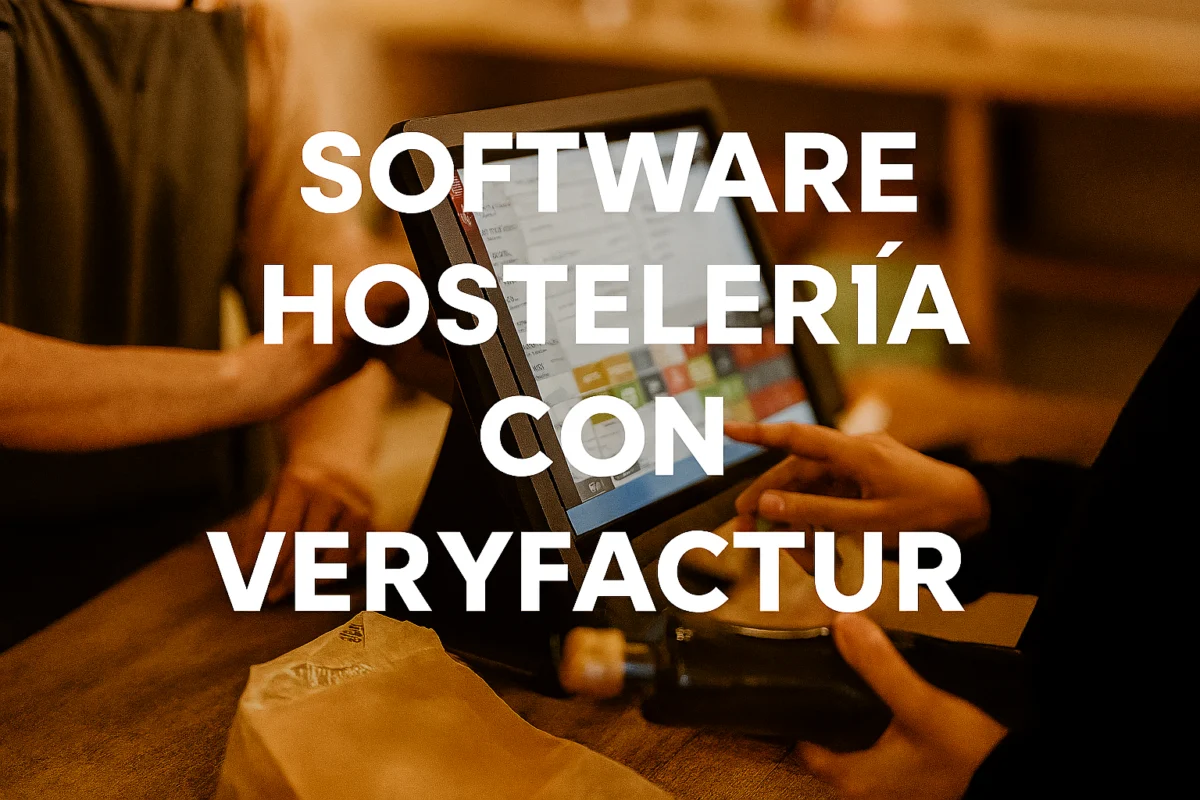
In the competitive landscape of the modern hospitality sector, digitalization has evolved from a luxury or a competitive advantage into an absolute prerequisite for survival. Restaurants, cafes, and bars that cling to legacy methods—paper tickets, manual inventory logs, and fragmented accounting—are increasingly finding themselves unable to keep pace with the demands of a modern, fast-paced consumer base. The shift toward integrated software solutions is not merely about replacing paper with tablets; it is about creating a cohesive, data-driven infrastructure that empowers staff, satisfies customers, and maximizes profit margins.
The Paradigm Shift: From Manual Friction to Operational Fluidity
The traditional model of restaurant management was heavily reliant on the "analog memory" of the team. Decisions were made based on intuition, and operational tasks were fraught with the friction of manual communication. Today, the industry is witnessing a total paradigm shift. By centralizing operations, restaurateurs can reduce human error, minimize the cognitive load on staff, and improve the speed of service during peak demand periods.
At the heart of this transformation is the Point of Sale (POS) system. Modern POS solutions, such as those provided by industry leaders like Revo, act as the central nervous system of an establishment. They do more than just process payments; they synchronize inventory, generate granular data on hourly sales performance, and provide the insights necessary to adjust staff rosters and menu engineering in real-time.
Chronology of Adoption: A Roadmap to Digital Maturity
For many restaurateurs, the transition to a fully digital environment can feel overwhelming. Industry experts suggest a phased approach to implementation to ensure team buy-in and operational stability:
- Phase One: The Digital Foundation. The primary step is the installation of a robust POS system. This allows for accurate sales tracking and basic cash management.
- Phase Two: Streamlined Communication. Integrating a digital ordering system (comanderos) allows waitstaff to send orders directly from the table to the kitchen. This eliminates the "lost ticket" syndrome and drastically reduces miscommunication regarding allergens or special requests.
- Phase Three: Data Integration. Once the front-of-house is digital, the focus shifts to the back-of-house. Integrating inventory management with sales data ensures that stock levels are updated in real-time.
- Phase Four: Fiscal Automation. The final stage involves automating the financial lifecycle, utilizing tools like Veryfactur to bridge the gap between daily operations and tax compliance.
Supporting Data: The Cost of Inefficiency
The fiscal impact of failing to digitize is quantifiable. Industry studies indicate that manual inventory management can lead to a 3% to 5% variance in food costs due to waste, theft, or spoilage. Conversely, businesses that implement automated inventory tracking report a significant reduction in "dead stock."
Furthermore, communication errors in a busy kitchen can cost a restaurant thousands of dollars annually in "comped" meals and wasted ingredients. By moving to a digital flow where the order travels directly to a kitchen display system (KDS), restaurants can shave minutes off ticket times, directly correlating to higher table turnover and increased revenue during peak shifts.
Official Perspectives: Why Automation Matters
Industry consultants emphasize that technology is a tool to liberate human talent, not replace it. "The goal of automation," says one industry analyst, "is to free the chef and the waiter from the burden of administration so they can return to the art of hospitality."
Solutions like Veryfactur have become pivotal in this mission. By automating billing and accounting, the software ensures that a business is always in compliance with the latest fiscal regulations. For a business owner, this means no more frantic, last-minute reconciliations with a tax advisor. The data is already formatted, archived, and ready for review, providing a transparent window into the health of the enterprise.
The Integrated Ecosystem: TPV, Comandas, and Fiscal Compliance
The true power of modern hospitality software lies in integration. When the POS system, the ordering tablets, and the billing software communicate seamlessly, the restaurant operates as a single, efficient machine.
- Eliminating Duplication: When a dish is sold, the inventory is automatically deducted, the revenue is recorded in the POS, and the tax liability is calculated in the billing software. No manual entry is required at any stage.
- Enhanced Trazability: Every order can be traced back to the time it was taken, the person who served it, and the specific ingredients used to create it. This is invaluable for quality control.
- Reduced Administrative Overhead: By automating the reconciliation process, managers can reclaim hours previously spent on paperwork, redirecting that time toward staff training and customer engagement.
Implications for Staff Management
Labor costs are often the largest expense for any restaurant. Digital tools allow for a more nuanced approach to staffing. By using historical data generated by the POS, managers can predict peak hours with high accuracy. This prevents the common scenario of being understaffed during a rush (leading to burnout and poor service) or overstaffed during a lull (eroding profit margins).
Modern digital scheduling tools allow for:
- Real-time Clock-ins: Ensuring accurate payroll and legal compliance.
- Performance Metrics: Understanding which team members are most efficient during specific shifts.
- Demand-Based Scheduling: Aligning labor costs with revenue-generating periods.
The Customer Experience: The Final Frontier
Ultimately, the goal of any restaurant is to provide a memorable experience. Digitalization improves the guest experience in subtle yet profound ways. A waiter equipped with a tablet can answer questions about ingredients instantly, provide faster service because they aren’t running back and forth to a terminal, and process payments at the table, increasing convenience.
When operations are smooth, the staff is less stressed, and this reflects in the quality of service. Customers notice when a restaurant is "well-oiled." Positive experiences lead to repeat business, which is the most reliable driver of long-term profitability.
Overcoming the Barriers to Digital Adoption
Despite the clear benefits, some operators hesitate due to the perceived cost or the fear of a steep learning curve for their staff. However, modern systems are designed with intuitive interfaces that mimic the consumer technology (smartphones) that most employees already use daily.
To overcome these barriers, experts recommend:
- Training First: Invest in staff training before the system goes live.
- Start Small: Implement one feature at a time to avoid overwhelming the team.
- Scalability: Choose software solutions that can grow with the business, ensuring the investment remains relevant for years to come.
Conclusion: The Path Forward
The digitalization of the hospitality sector is not just a trend; it is the new baseline for success. By integrating systems—from the initial order taken at the table to the final fiscal entry in the accounting books—restaurateurs gain the clarity they need to make strategic decisions.
Whether it is the precision of a modern POS, the speed of digital ordering systems, or the security of automated tax compliance through platforms like Veryfactur, the technology exists to make restaurants more profitable, more efficient, and more enjoyable to manage. In an industry defined by its volatility and high intensity, digital transformation offers the one thing every restaurant owner craves: control. By embracing this change, the modern hospitality business secures its place in a future where data and human passion work hand-in-hand to define the ultimate dining experience.









No comments yet. Be the first to join the conversation!