Raul Delapena Setiawan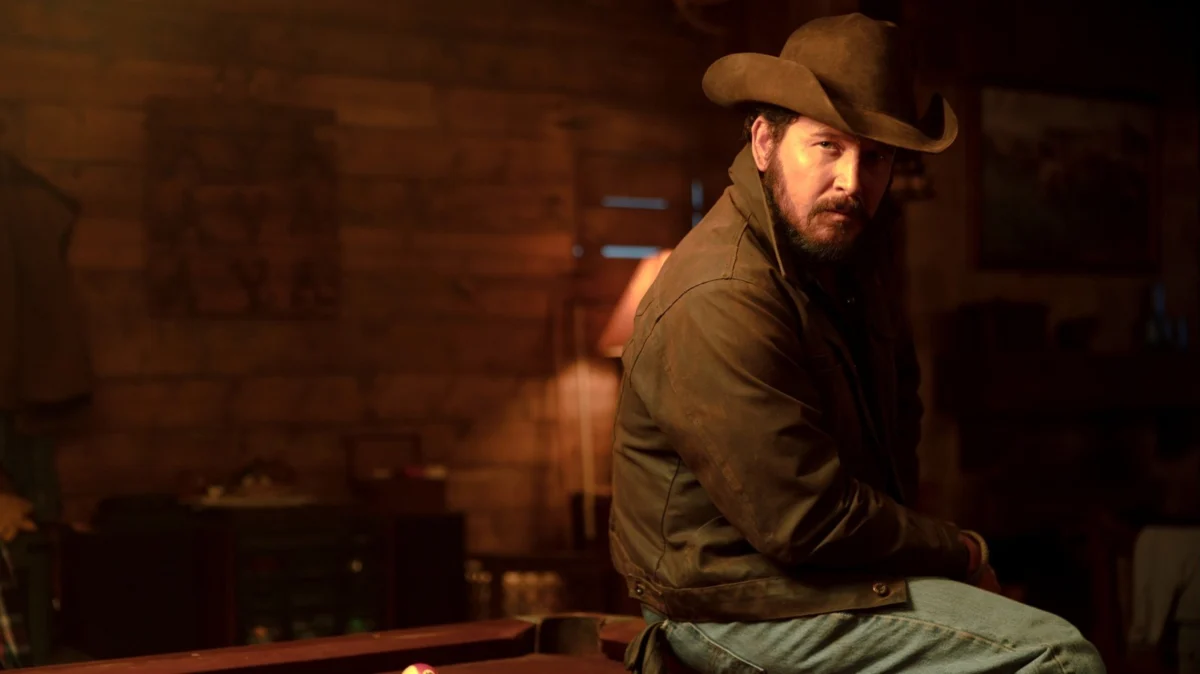
The Yellowstone universe has long thrived on the friction between land, power, and the desperate, often violent lengths to which people will go to protect their legacy. With the arrival of Dutton Ranch on Paramount+, fans were promised a fresh iteration of this high-stakes drama, transposed to the rugged, unforgiving terrain of Rio Paloma, Texas. For the first four episodes, the series delivered exactly what the audience craved: a gritty, taut narrative featuring fan-favorite power couple Rip Wheeler (Cole Hauser) and Beth Dutton (Kelly Reilly) stripped of their Montana safety net.
However, the release of the fifth episode has sent shockwaves through the fanbase, with many critics and viewers alike arguing that a sudden narrative pivot has effectively gutted the show’s primary source of tension. By transforming the central rivalry between the Duttons and the formidable 10 Petal Ranch into a tenuous, uncomfortable alliance, the writers have potentially traded long-term narrative momentum for a short-term plot twist that feels, at best, premature.
The Foundation: A Story of Underdogs in Texas
To understand why the fifth episode feels like such a jarring departure, one must look at the structural success of the show’s opening act. Dutton Ranch successfully differentiated itself from other spin-offs—most notably the faltering Marshals—by grounding its stakes in the vulnerability of its leads.
In Montana, the Duttons were titans. In Texas, they were outsiders—small-time operators struggling to establish a foothold. This "underdog" status was the show’s engine. When Beth first encountered the stoic and intimidating Beulah Jackson (Annette Bening) at a cattle slaughter facility, the air in the room was thick with unspoken threats. It was the classic setup for a Western power struggle: the established, iron-fisted local matriarch versus the volatile, brilliant, and displaced interlopers from the North.
The tension reached a boiling point in Episode 4, which featured one of the most visceral and harrowing sequences in the history of the Yellowstone franchise. Following a devastating outbreak of foot-and-mouth disease, Rip Wheeler was forced to systematically cull his entire herd. The sequence was not merely a plot point; it was an emotional evisceration, signaling the destruction of the couple’s future. When hints emerged that the 10 Petal Ranch—and potentially a shadowy organization linked to the Mexican cartel—might have been the architects of this biological catastrophe, the audience was primed for a high-octane season of retribution.
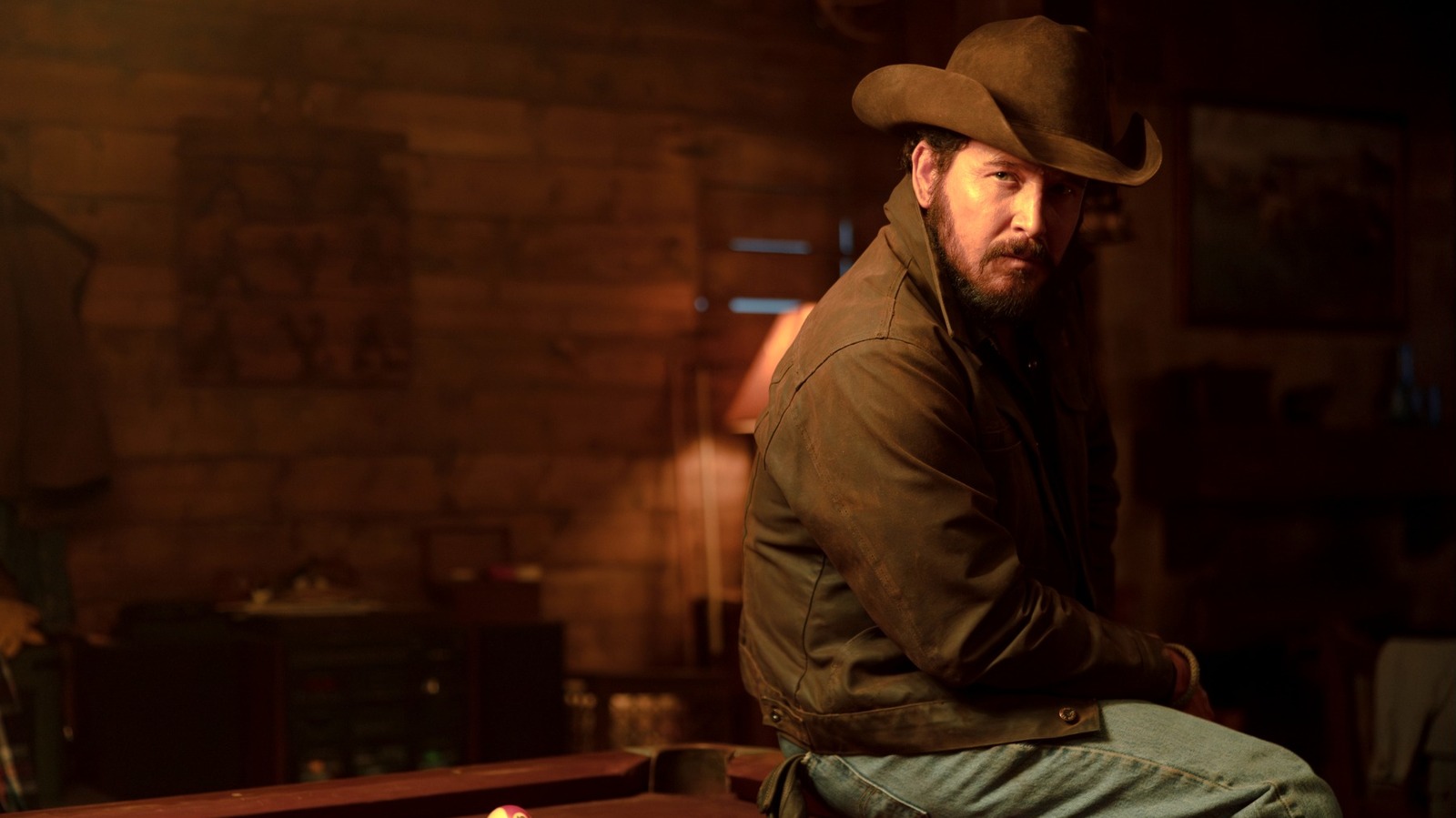
Chronology of a Narrative Collapse
The shift in tone began almost immediately upon the opening scenes of Episode 5. The following timeline illustrates the rapid deterioration of the series’ core conflict:
- Episodes 1–3: The introduction of the Rio Paloma setting. Beth and Rip struggle against the harsh economic realities of Texas ranching. Beulah Jackson is established as the primary antagonist, a character defined by her cold calculation and influence over local markets.
- Episode 4: The "Cull." Rip Wheeler’s slaughter of the infected herd serves as the narrative nadir. The episode concludes with the suggestion that 10 Petal Ranch is not merely a competitor, but a malicious entity that sabotaged the Duttons.
- Episode 5: The Pivot. Instead of a confrontation, the narrative takes a sharp left turn. Rip is hired as a foreman for the 10 Petal operation, while Beth enters a professional service agreement with Beulah. The anticipated "ranch vs. ranch" showdown is replaced by an uneasy, and arguably hollow, domestic peace.
Supporting Data: Why the "Friendship" Arc Feels Unearned
The frustration surrounding Episode 5 stems from the audience’s perception of "earned" character development. Throughout the first four episodes, the writers meticulously built a wall between the two factions.
For the Duttons to simply "bury the hatchet" feels like a betrayal of the established character archetypes. Rip Wheeler is a man defined by his loyalty and his propensity for violence when his family is threatened. Beth Dutton is defined by her unforgiving, long-memory approach to those who cross her. To have them sit down for a "chuckled" dinner with Beulah Jackson—a woman who, just an episode prior, seemed to be the catalyst for their financial ruin—strips the characters of their agency.
Furthermore, from a production standpoint, the pacing of this shift is problematic. In serialized television, a "mid-season pivot" requires substantial groundwork to be believable. Without a clear, established ulterior motive revealed to the audience, the shift feels like a plot convenience designed to reset the board rather than a natural progression of the story.
Official Responses and Creative Direction
While Paramount+ has remained largely silent on the specific creative choices regarding Episode 5, showrunners have previously noted that Dutton Ranch was intended to explore the "fluidity of power in the American West."
Some defenders of the show argue that this is a "long game" strategy. If the alliance between the Duttons and the Jacksons is a ruse—a "Trojan Horse" maneuver to dismantle 10 Petal from the inside—the story could regain its momentum. However, the current execution leaves the audience in a state of confusion. If the goal was to subvert expectations, the show risks losing the very audience that tuned in to see the Duttons fight, not to see them integrate.
The Implications for the Future of the Franchise
The implications of this creative decision are significant for the longevity of the series. There are three primary paths forward, each with its own set of risks:
1. The "Trojan Horse" Strategy
If the alliance is indeed a facade, the show must pivot back to conflict immediately. The danger here is that the audience has already been "spoiled" by the peaceful dinner scene. Any future violence or betrayal will lack the weight of the original, unadulterated rivalry. The sense of dread has been replaced by a "will-they-or-won’t-they" dynamic that feels ill-suited to the gritty tone of Yellowstone.
2. The Shift to Corporate Drama
Should the show move away from ranch warfare toward a more corporate, political, or legal drama, it risks alienating the core Yellowstone demographic. Fans of the franchise are invested in the ranching lifestyle—the grit, the sweat, and the physical struggle for land. If Dutton Ranch becomes a story about business contracts and marketing services, it loses its identity.
3. The Loss of Stakes
Perhaps the most dangerous implication is the dilution of the "Dutton" brand. If Rip and Beth succeed in taking over 10 Petal, they effectively become the "big dogs" of Texas. This resets the series to the status quo of the original Yellowstone, where the protagonists are the ones holding the power and facing external threats. This eliminates the very challenge that made Dutton Ranch unique: the struggle of being the underdog.
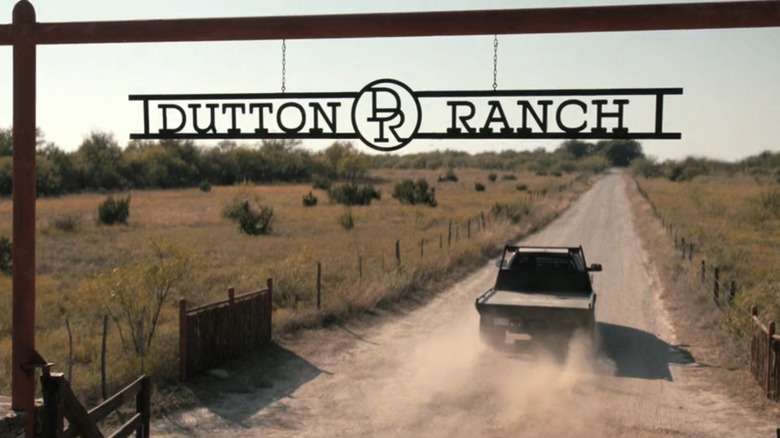
Final Analysis: Can the Herd Be Saved?
Dutton Ranch was positioned as the cure for the Yellowstone fatigue that had begun to set in with other spin-offs. It was supposed to be a tighter, more focused, and more intense experience. Episode 5 has, at least for the moment, punctured that bubble.
The success of the series now rests on whether the writers can navigate this sudden shift. They must quickly establish that the "friendship" is either a temporary, high-stakes deception or that there is a larger, more menacing threat waiting in the shadows that necessitates this unlikely alliance. If they fail to provide a compelling reason for this narrative detour, they risk turning what was once the most exciting show on television into a hollow shell of its former self.
For now, viewers are left waiting to see if the "culling" of the show’s tension was a tactical mistake or a masterstroke in disguise. Until then, the future of Dutton Ranch remains as uncertain as the dusty plains of Rio Paloma.


 Jia Lissa
 Ali Ikhwan