In the pantheon of fast-food marketing, few brands have mastered the art of the "cultural crossover" quite like McDonald’s. From the streetwear-infused collaborations with Travis Scott to the playful, nostalgia-driven partnerships with brands like Crocs, the Golden Arches have consistently demonstrated a keen ability to tap into the zeitgeist. However, their latest endeavor—a high-stakes, cross-continental fusion of Nickelodeon’s SpongeBob SquarePants and Eiichiro Oda’s One Piece—marks a new high-water mark for brand synergy.
This isn’t merely a promotional tie-in; it is a masterclass in animation, fandom engagement, and global retail strategy. As the campaign rolls out across more than 60 regions throughout August 2026, it invites us to explore the mechanics behind one of the most ambitious marketing crossovers in history.
The Genesis of an Unlikely Alliance
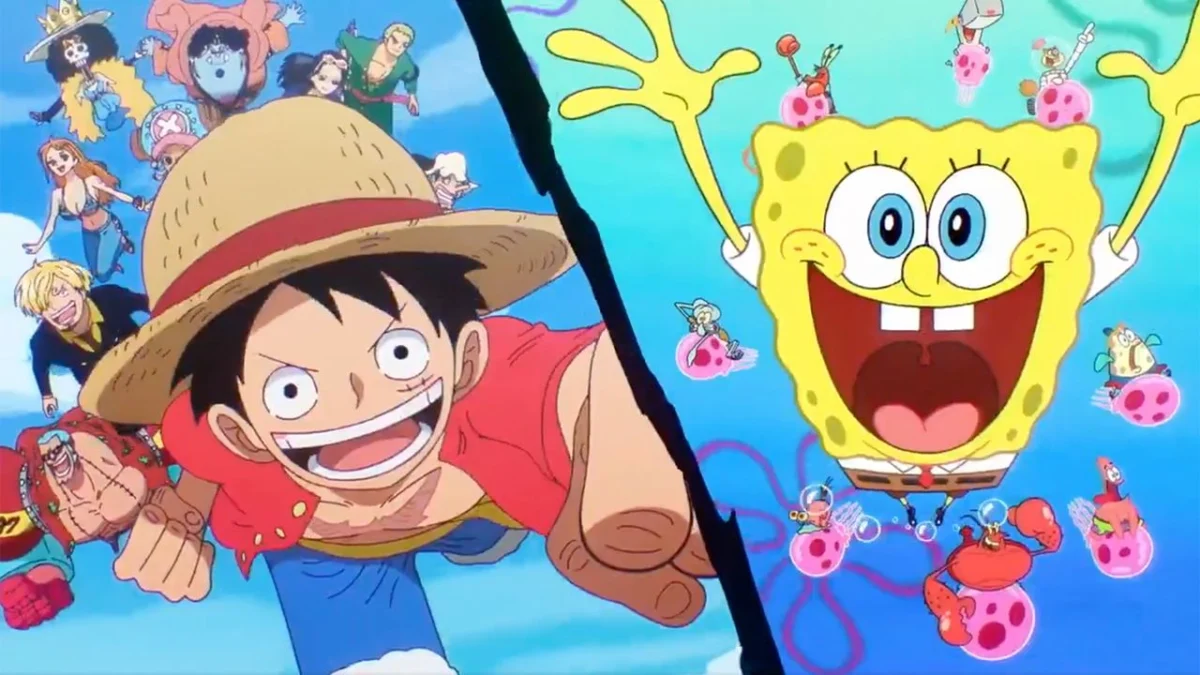
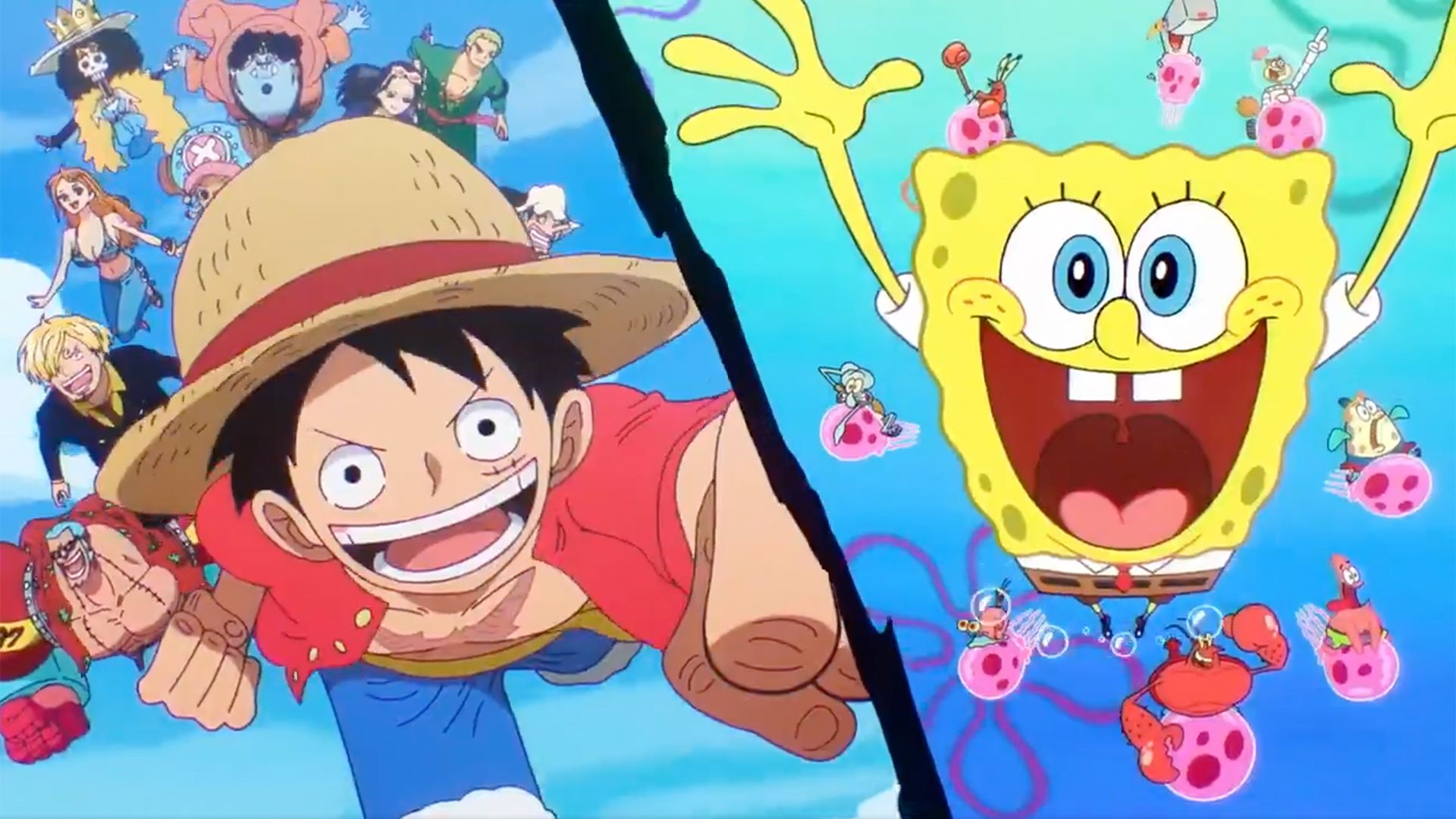
The partnership between SpongeBob SquarePants and One Piece represents an intersection of two of the most recognizable intellectual properties (IPs) in entertainment history. SpongeBob SquarePants, a staple of American animation since 1999, remains a titan of pop culture, while One Piece stands as the best-selling manga series of all time, boasting a global cult following that spans generations.
The campaign, which officially kicked off in August 2026, functions as a dual-targeted offensive. By pairing the whimsical, absurdist humor of Bikini Bottom with the high-octane, adventurous spirit of the Straw Hat Pirates, McDonald’s has successfully bridged the gap between Western cartoon nostalgia and the massive, dedicated Japanese anime demographic.
Chronology of the Launch
- August 1, 2026: Initial teasers appear on social media platforms, showing silhouettes of iconic characters in cross-branded attire.
- August 13, 2026: The full promotional schedule is unveiled, confirming 13 collectible toys and a sequential rollout across 60+ countries, including the U.S., Canada, Australia, and New Zealand.
- August 19, 2026: The "Grand Collision" commercial airs, causing an immediate viral sensation across X (formerly Twitter) and TikTok, with fans praising the high-fidelity animation quality.
- Late August 2026: Regional availability begins, with many locations reporting record-breaking Happy Meal sales within the first 48 hours of inventory hitting shelves.
Animation Excellence: The "Grand Collision" Ad
The centerpiece of this collaboration is a high-energy animated commercial that functions more like a short film than a standard advertisement. The spot opens with Luffy, the protagonist of One Piece, spotting a glowing McDonald’s Happy Meal box on the horizon. His pursuit of the meal is met with an equally determined rush from the denizens of Bikini Bottom.
The commercial utilizes sophisticated "impact frames"—a signature aesthetic in high-budget anime production—to heighten the intensity of the collision between the two worlds. The animation quality is noticeably superior to standard fast-food advertising, suggesting that McDonald’s partnered with top-tier animation houses to ensure the collaboration respected the source material.
Fans were particularly captivated by the character designs. Seeing SpongeBob adorned in Luffy’s signature straw hat and red vest, or Mr. Krabs taking on the likeness of the formidable Jinbe, provided the kind of "fan-service" that is rarely seen in mainstream corporate advertising.
Supporting Data: Why It Works
The success of this campaign is not accidental; it is driven by a calculated understanding of consumer psychology.
1. The "Nostalgia Factor"
Millennials and Gen Z represent the primary demographic for both SpongeBob and One Piece. By targeting this specific cohort, McDonald’s is leveraging "disposable income nostalgia"—a phenomenon where adults purchase items associated with their childhood or current hobbies to recapture a sense of comfort or identity.
2. The Scarcity Model
By staggering the release of the 13 collectible toys, McDonald’s creates a "collect-them-all" urgency. This encourages repeat visits to the restaurant throughout the month of August, effectively stabilizing revenue during a period that can sometimes see a dip in foot traffic.
3. Global Reach
The decision to roll out the campaign across 60+ regions ensures that the brand remains culturally relevant on a global scale. In markets like Japan, where One Piece is a cultural religion, the collaboration is treated with the gravity of a national event. In Western markets, the novelty of the anime crossover provides a refreshing break from standard celebrity-based marketing.
Official Responses and Public Sentiment
The reception to the campaign has been overwhelmingly positive, bordering on fervor. On social media, users have been documenting their "hauls," sharing images of their collections, and analyzing the crossover potential of the characters.
One prominent fan noted on X, "They did NOT have to make a Happy Meal commercial this majestic." Another user joked that the campaign was a "direct attack on millennials with disposable income," highlighting the effectiveness of the strategy in converting adult consumers into Happy Meal buyers.
McDonald’s has remained tight-lipped regarding the specific financial projections of the campaign, but internal sources suggest that engagement metrics—specifically social media shares and hashtag usage—have eclipsed those of previous high-profile collaborations, including the Travis Scott meal.
Implications for Future Branding
The success of the SpongeBob x One Piece campaign provides a blueprint for future brand collaborations. It proves that:
- Genre Blending is Essential: Companies no longer need to stick to one "lane." Blending American animation with Japanese anime proves that global audiences are increasingly receptive to cross-cultural aesthetic fusions.
- Animation Quality Matters: Consumers are more discerning than ever. A low-effort, low-budget ad would have been mocked; the high-quality, frame-perfect animation validated the partnership in the eyes of hardcore fans.
- The Happy Meal is a "Collector’s Item" Platform: The humble Happy Meal box has evolved from a child’s lunch into a vehicle for prestige IP collaboration. This shift changes the value proposition of the product, turning the meal into a "must-have" commodity rather than just a convenience.
The Future of Fast Food Marketing
As we look beyond the hype of this current campaign, one question remains: What comes next? McDonald’s has already proven its ability to pivot between different cultural spheres, from Studio Ghibli-inspired ads to this latest anime-carton hybrid.
The strategy of the 2020s is clear: to maintain dominance, a brand must be as much an entertainment company as it is a food service provider. By investing in storytelling, animation, and high-value collectibles, McDonald’s is ensuring that it remains at the center of the conversation.
Whether you are a die-hard One Piece enthusiast or simply a fan of a well-crafted marketing campaign, it is impossible to ignore the impact of this collaboration. It is a bold, chaotic, and undeniably brilliant move that has successfully merged two disparate worlds into one, proving that in the world of modern branding, there are no limits to the imagination—so long as you have a Happy Meal in hand.
As August draws to a close and the hunt for the final pieces of the 13-toy collection intensifies, one thing is certain: the bar for corporate crossovers has been raised, and the industry will be scrambling to reach it.