


In the hyper-competitive landscape of Japanese retail, the convenience store—or konbini—is the undisputed heart of daily life. While these stores have long been celebrated for their bento boxes and seasonal snacks, a new, caffeinated skirmish is currently unfolding across the nation. The trend is known as the "Deka Drink" (Massive Drink), a phenomenon where consumers are increasingly prioritizing volume, value, and premium quality in their morning caffeine ritual.
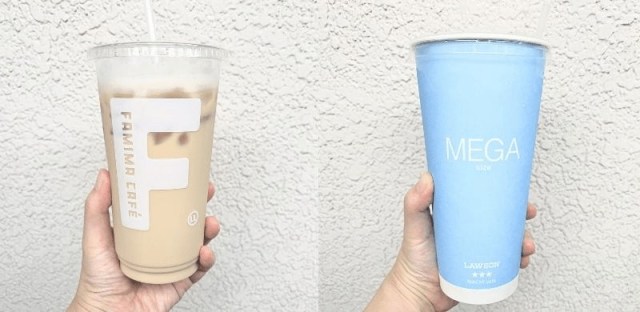
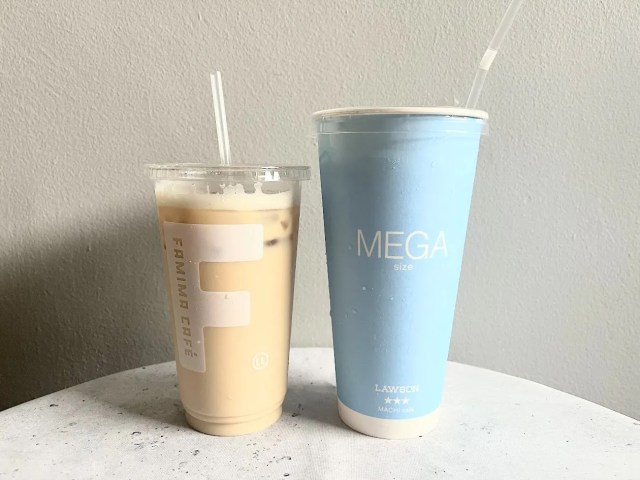
At the center of this battle are two titans: Family Mart and Lawson. For years, Lawson has held the crown for the largest, most reliable "Mega Size" cup, cementing its reputation among commuters and shift workers alike. However, on June 2, 2026, Family Mart fired a major shot across the bow, launching a massive overhaul of its beverage infrastructure. By introducing new, high-tech coffee machines, the chain claims to offer the most flavorful coffee in its corporate history, effectively challenging Lawson for dominance in the supersized market.
The Chronology of the Caffeine Escalation
The "Deka Drink" trend did not emerge overnight; it is the culmination of a decade-long evolution in Japanese coffee culture.
- Early 2010s: The "Third Wave" of coffee hit Japan, shifting consumer expectations from canned coffee to fresh-brewed drip machines in convenience stores.
- Mid-2010s: Lawson introduced the "Mega" series, setting a gold standard for volume that few competitors could match.
- Late 2023–2025: Social media platforms like Instagram and X (formerly Twitter) began amplifying the "aesthetic" of the massive iced coffee cup. Users began posting photos of these oversized drinks, turning them into a lifestyle accessory.
- June 2, 2026: Family Mart officially rolled out its new coffee machine technology. This was not a mere maintenance update but a complete strategic pivot, marketing its new LL (Large-Large) size as a competitor to Lawson’s "Mega" offerings.
- Present Day: Both chains are engaged in a high-stakes marketing campaign, vying for the attention of the salaryman, the student, and the coffee aficionado.
Comparative Analysis: Pricing and Value
When evaluating the two contenders, the first point of comparison for the average consumer is the price-to-volume ratio.
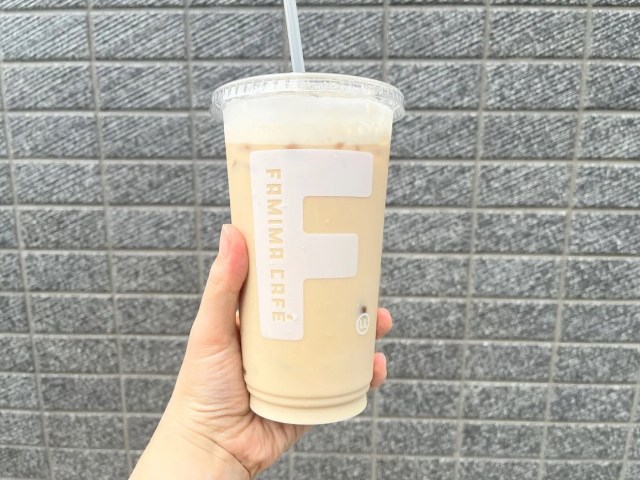
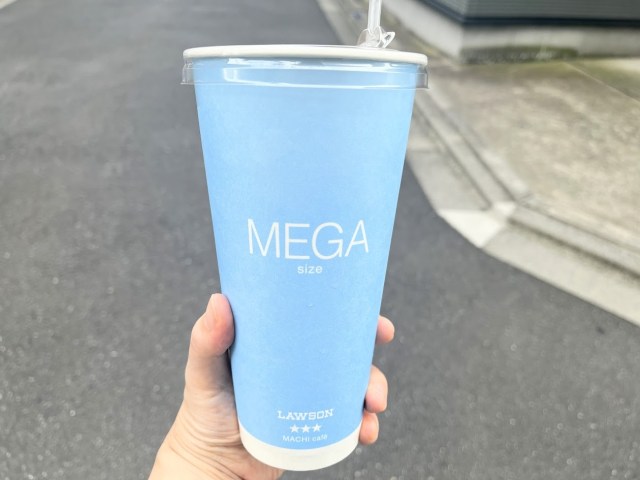
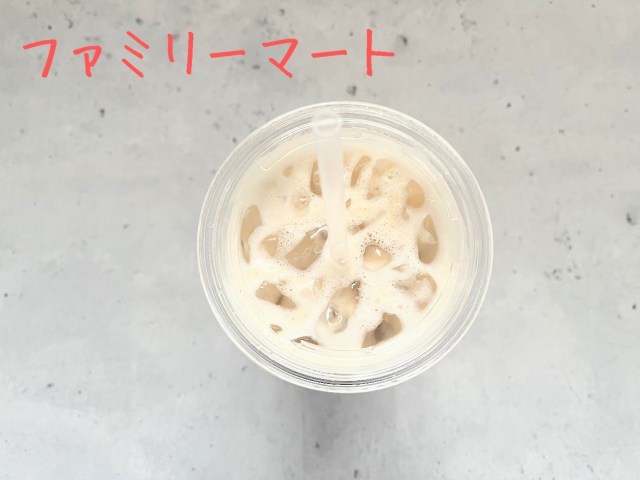
Family Mart’s new LL Iced Cafe Latte enters the market at 370 yen (approximately US$2.50). It is a calculated move designed to undercut competitors while maintaining a premium feel. Lawson, maintaining its status as the veteran, holds its ground with the "Mega" Iced Café Latte, priced at 390 yen.
While the 20-yen difference may seem negligible to some, in the economy of Japanese daily spending, it reflects a difference in branding philosophy. Lawson’s pricing suggests it is selling an established, premium experience, whereas Family Mart is using a slightly lower price point to incentivize brand-switching among regular coffee drinkers.
The Science of Flavor: A Sensory Breakdown
The most significant divergence between the two chains lies in their flavor profiles.
Family Mart: The Artisan Approach
Family Mart has gone to great lengths to improve its brewing mechanics. The secret, according to company reports, lies in its attempt to replicate the manual hand-drip technique pioneered by Tetsu Kasuya, the 2016 World Brewers Cup champion. The result is a cup that prioritizes the coffee itself—a fragrant, full-bodied experience that holds its own even when diluted by a significant amount of ice.
A unique feature of the Family Mart experience is the customization potential. Customers can choose between three distinct milk profiles: "Milk Rich," "Regular," and "Coffee Rich." This modular approach allows the consumer to dictate the intensity of the beverage, catering to both those who want a strong, bitter kick and those who prefer a more balanced, milky profile.
Lawson: The Creamy Tradition
Lawson, conversely, leans into the strengths that have made its brand a household name for years. The Lawson "Mega" experience is defined by the quality of its milk. The texture is consistently velvety, smooth, and notably richer than most competitors. While the coffee aroma is present and pleasant, it serves as a backdrop to the primary feature: the milk. It is a comforting, mellow drink that feels less like a quick jolt of caffeine and more like an indulgent treat.
Supporting Data and Market Implications
The "Deka Drink" phenomenon is more than a preference for quantity; it is an economic signal. The shift toward larger formats suggests that the Japanese consumer is spending more time in transit or at their desks, necessitating a beverage that lasts longer.
According to retail analytics, the popularity of these large-format drinks is inversely correlated with the decline of traditional office-provided coffee services. As companies continue to navigate hybrid work models, the convenience store is stepping in to fill the gap, effectively becoming the "office cafeteria" for millions of workers.
Furthermore, the competition has pushed third-party players into the fray. 7-Eleven, while not aggressively competing in the "Mega" size wars, has instead pivoted to diversifying its product line, introducing new, creamier latte blends and expanding into specialized tea-based beverages. This suggests that the market is currently in a state of rapid innovation where no single chain can afford to remain stagnant.
Official Responses and Future Outlook
While neither Lawson nor Family Mart has issued a formal declaration of "war," their marketing materials tell a clear story. Family Mart’s press releases emphasize the "best-tasting coffee in history," an aggressive claim that directly targets the quality-conscious segment of the market. Lawson, in turn, continues to highlight its long-standing history of dairy partnerships, reinforcing the idea that they are the "classic" choice for those who value consistency.
Industry analysts suggest that the next phase of this battle will involve:
- Sustainability: As volumes increase, both companies face pressure to improve the recyclability of their large plastic cups and straws.
- Seasonal Exclusivity: Expect more "limited edition" syrups and milk variants to be rolled out as both chains attempt to capture the social media zeitgeist.
- Technology: Further integration of digital apps that allow customers to pre-order their "Deka Drink" to skip the queue during the morning rush.
Final Verdict: Which One Wins?
The "better" drink is ultimately a matter of personal preference rather than a objective win for one company. For the coffee purist—the individual who appreciates the nuances of a roast and the complexity of a drip-style brew—Family Mart’s new offering is the clear winner. The inclusion of the "Coffee Rich" milk option provides a degree of customization that is rare at the convenience store price point.
However, for those seeking the ultimate "comfort drink"—a beverage that is smooth, approachable, and consistently creamy—Lawson remains the gold standard. Their ability to deliver a milk-forward, indulgent experience is unmatched.
In the end, the real winner is the Japanese consumer. The convenience store landscape has evolved from a place to grab a quick, bitter cup of coffee into a space where artisanal quality, massive volume, and affordable pricing collide. Whether you are a fan of the bold, fragrant notes of a Family Mart brew or the creamy, mellow comfort of a Lawson latte, the "Deka Drink" era is here to stay, and it has never been a better time to be a coffee lover in Japan.











