

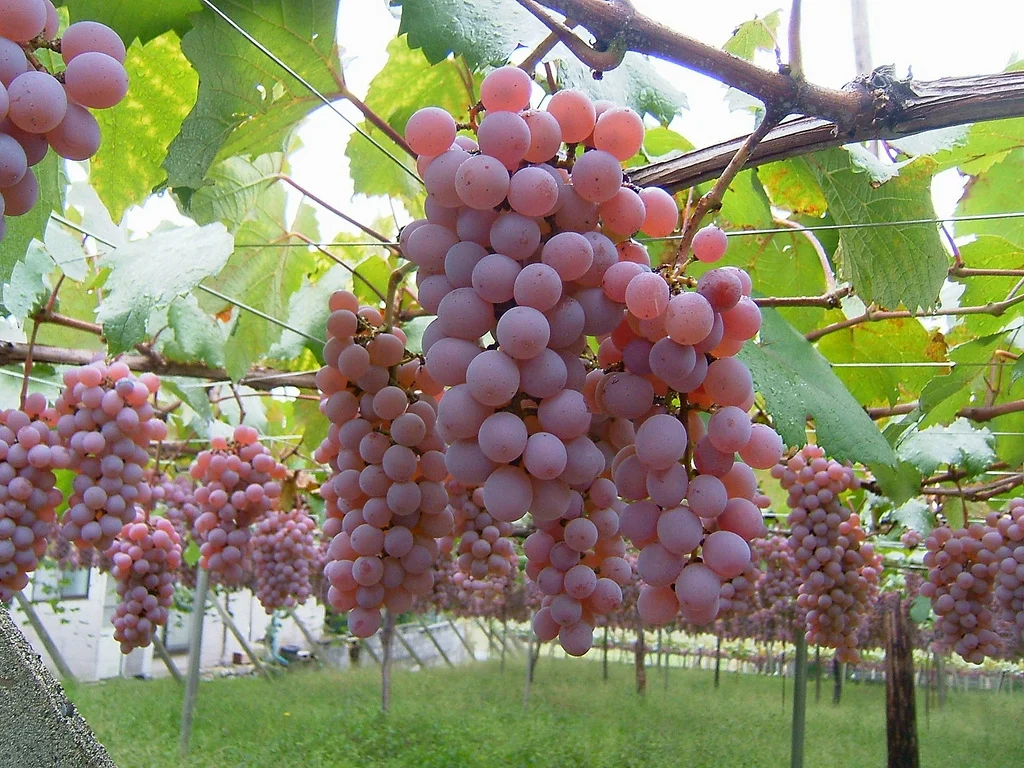
While the well-trodden tourist corridors of Tokyo, Kyoto, and Osaka capture the bulk of Japan’s international visitors, a quieter, more sensory revolution is taking place in the fertile inland hills and coastal plains of Mie Prefecture. Often overlooked in favor of the high-profile fruit regions of Yamanashi or Fukushima, Mie offers a distinctively intimate agricultural experience. Here, kajitsu-gari (fruit picking) is not an industrial, mass-market spectacle, but a cherished weekend tradition that allows travelers to engage directly with the rhythm of the Japanese seasons.
Main Facts: The Mie Agricultural Advantage
Mie’s agricultural calendar is a three-season masterclass in horticultural diversity. From the sweet, hydroponically grown strawberries of mid-winter to the sun-drenched table grapes of early autumn, the prefecture’s orchard belt offers a rare look at authentic local life.
Unlike the nationally branded "mega-farms" found elsewhere, Mie’s operations are primarily family-run, medium-sized enterprises. This translates to an experience that is refreshingly devoid of long queues and commercial gimmicks. For the international traveler, this provides two significant advantages:
- Economic Value: Orchard-direct pricing in Mie is consistently 40–50% lower than in the high-rent districts surrounding Tokyo.
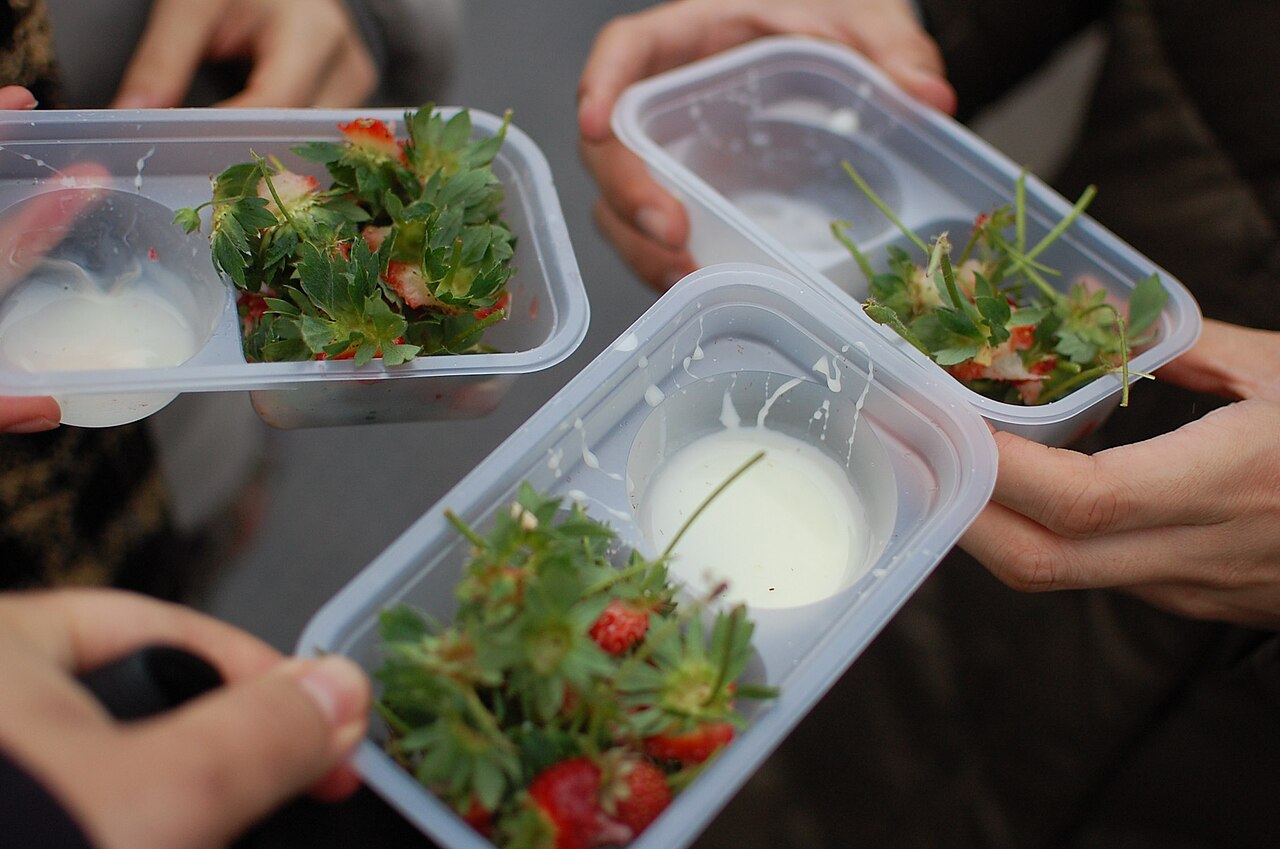
- Authenticity: The all-you-can-eat within an allotted time model turns a simple agricultural task into a low-key, lighthearted eating contest, perfectly capturing the Japanese approach to seasonal food consumption.
Chronology of the Harvest: A Seasonal Guide
Mie’s fruit cycle is meticulously managed, utilizing both open-air trellising and advanced greenhouse technology to extend the availability of local cultivars.
Strawberry Season (January–May)
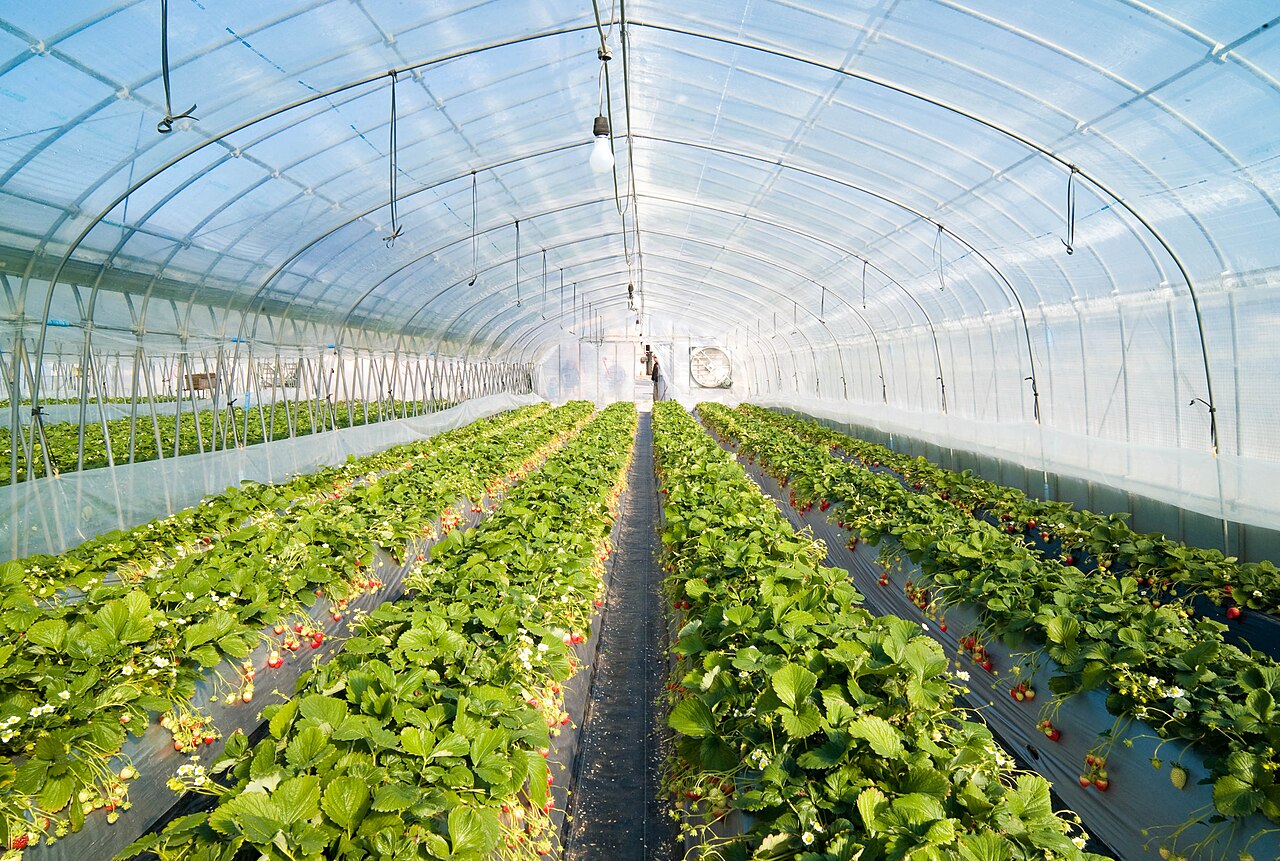
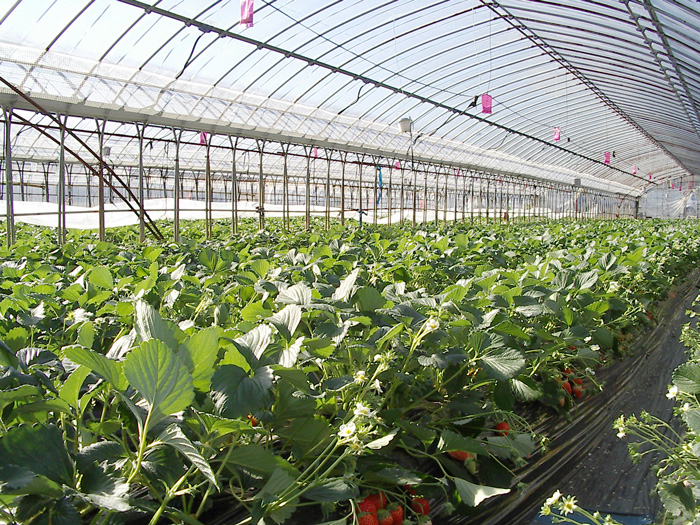
Ichigo-gari is the most accessible entry point for visitors. Beginning in mid-January, these greenhouses utilize raised, waist-high hydroponic beds. This design innovation is crucial; it removes the need for traditional soil-bending, making the experience accessible to all ages and physical abilities. As spring approaches, the flavor profiles shift, culminating in the final harvests of May.
Plum and Peach Season (June–July)
Early summer brings the harvest of plums (ume), which are primarily intended for home-pickling and culinary use rather than direct consumption. July signals the arrival of the peach (momo), a delicate, high-value crop found in the central prefecture hills. These operations are more exclusive and smaller in scale than those in the north, offering a tranquil environment for those seeking premium fruit.
Grape Season (August–October)
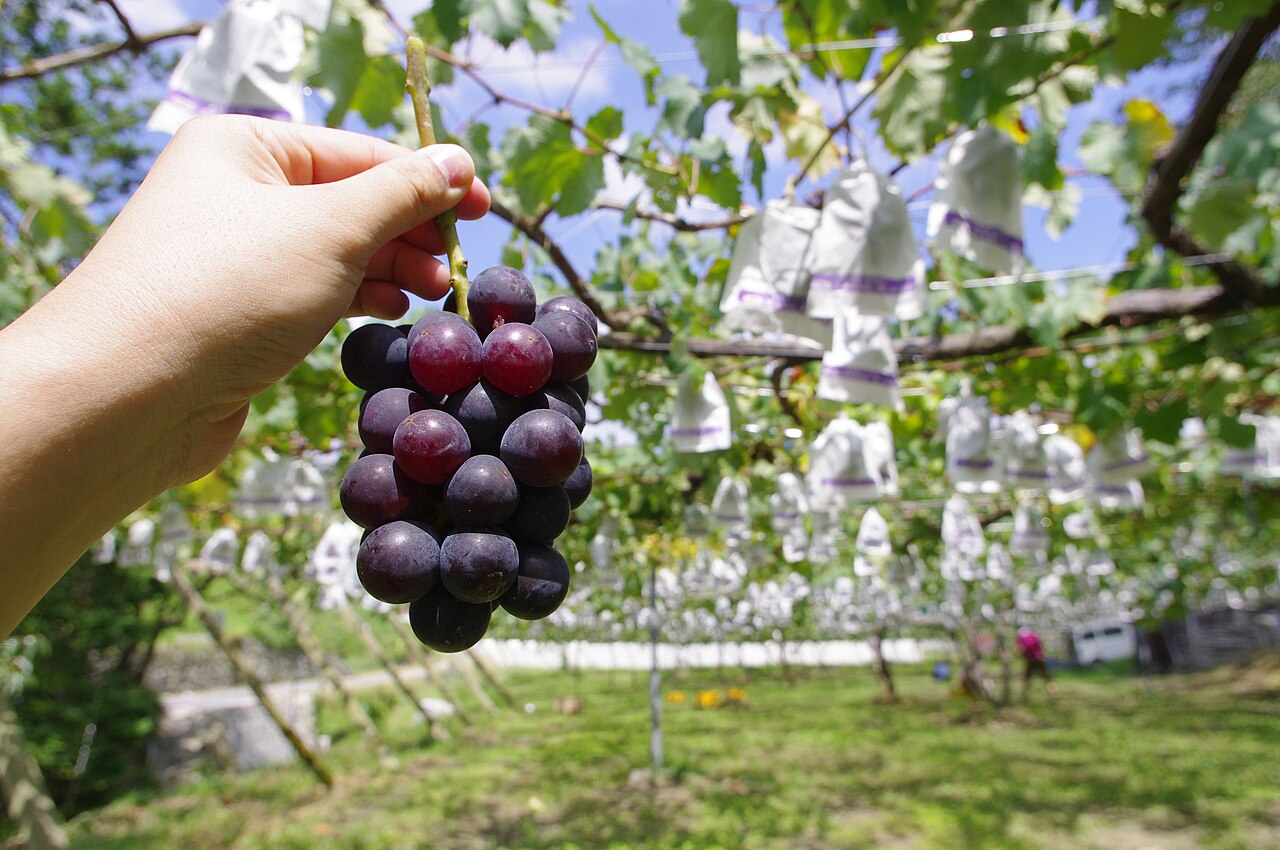
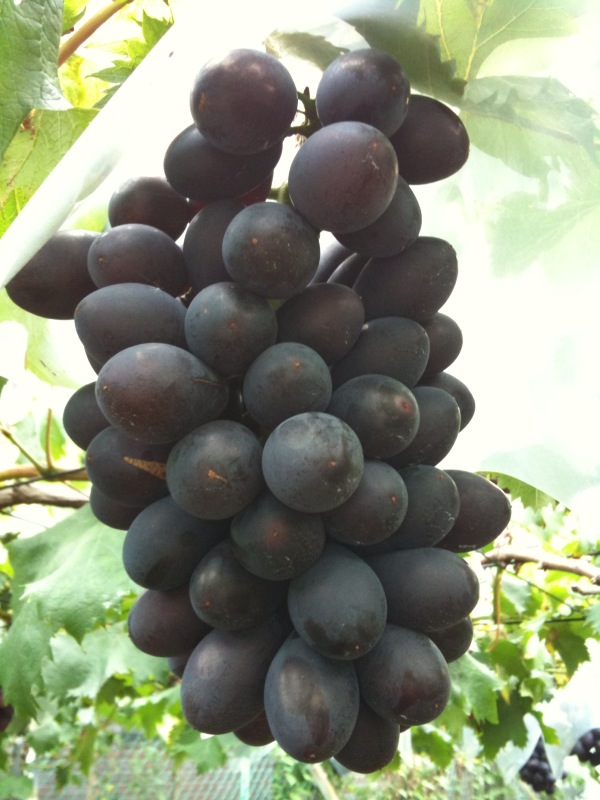
As the heat of summer begins to wane, budo-gari takes center stage. Mie’s vineyards, particularly those in the inland Nabari and Iga regions, utilize the traditional overhead trellis system. This creates a shaded, cathedral-like atmosphere that keeps fruit cool and makes for an effortless, reach-up picking experience.
Citrus and Blueberries (Year-Round)
The coastal regions of the Kii Peninsula, specifically Owase and Kumano, specialize in mikan (mandarin) production from December through February. Meanwhile, a handful of specialty farms offer blueberry picking in the height of summer, providing a refreshing, one-hour agricultural retreat.
Supporting Data: Understanding the Model
To participate in Japanese fruit picking, one must move away from the Western "pick-and-weigh" model. The Japanese system is governed by a strict, time-bound "all-you-can-eat" format.
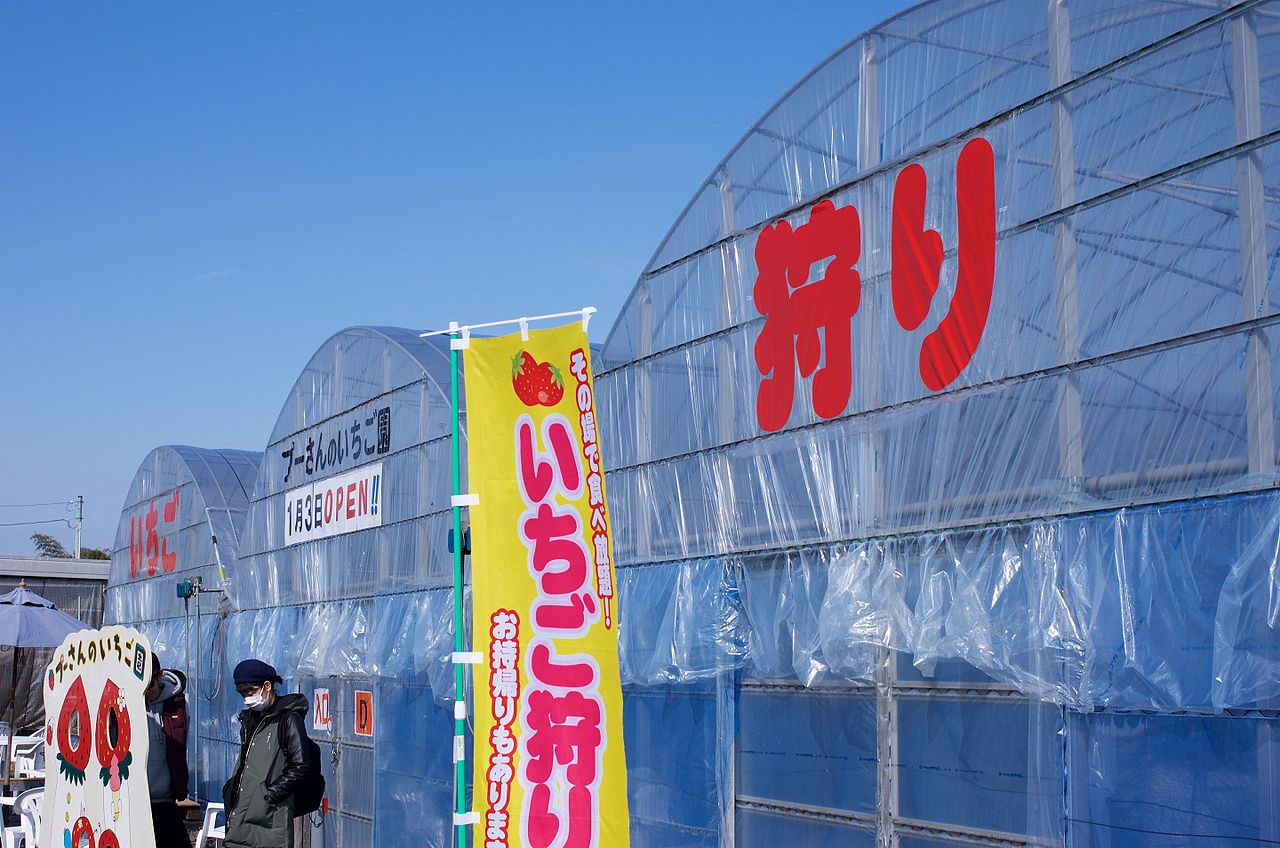
- The Procedure: Upon entry, guests are briefed on the variety of the day and assigned a specific zone.
- The Constraints: The fruit is meant for consumption within the greenhouse walls. Taking fruit out of the picking area without weighing and paying a premium is generally prohibited.
- The Consumption: The average visitor will find themselves consuming between 30 and 50 strawberries in a 30-minute window, or roughly 1–2 large, succulent bunches of grapes.
This model is not just a retail transaction; it is a cultural engagement. It respects the labor of the farmer while providing the consumer with the highest possible level of freshness—fruit that has not been transported, refrigerated, or handled by intermediaries.
Official Perspectives: The Role of Agricultural Science
The success of Mie’s fruit-picking circuit is not accidental. It is underpinned by rigorous research, much of which originates from institutions like the Mie University agricultural research station. While the university does not typically host tourists, its influence is visible in the specific regional cultivars found at local farms.
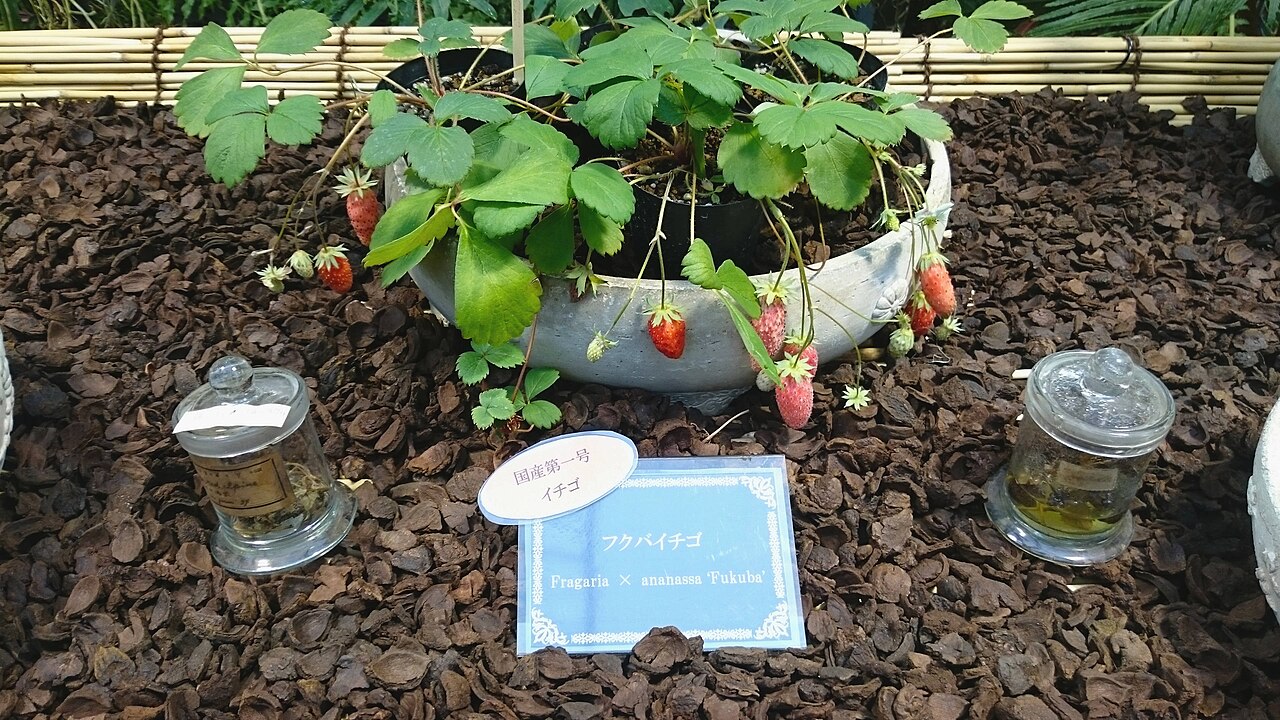
Agricultural experts in the prefecture emphasize that the "tourist-farm" model serves as a vital bridge between urban consumers and rural producers. By opening their doors to the public, farmers are able to maintain higher profit margins while educating the next generation about the nuances of plant genealogy, such as the distinction between heritage Meiji-era cultivars and modern market-leading varieties.
Strategic Implications: Planning Your Visit
For the international traveler, the primary challenge in Mie is logistics. The region is best navigated via a rental car, as public transit to the rural orchards is minimal.
The Rental Car Approach
For those seeking flexibility, picking up a vehicle in Nagoya, Tsu, or Nabari is highly recommended. Most farms are situated within a 20- to 40-minute drive from these transport hubs, making a half-day excursion perfectly feasible.
The Pre-booked Tour Approach
For those who prefer a hands-off experience, day-tour operators based in Osaka and Nagoya offer seasonal packages. These typically range from ¥8,000 to ¥12,000 and include round-trip coach transport, entry fees, and, frequently, a cultural stop at a nearby shrine or outlet mall.
Recommended Combos
- For Families: Pair a morning of strawberry picking in Nabari with an afternoon at Nagashima Spa Land.
- For Culture Seekers: Combine a morning harvest session with a visit to the Ise Grand Shrine.
- For Gastronomes: Match a morning in the orchard with a lunch featuring world-renowned Matsusaka wagyu beef.
Addressing the "Is it Worth It?" Debate
Is a specialized fruit-picking trip worth a dedicated journey from Tokyo? If viewed as a standalone activity, the travel time—roughly 3 to 4 hours by Shinkansen plus local transfers—is likely disproportionate for a 60-minute picking session. However, as an integrated component of a broader Mie or Aichi itinerary, it is arguably one of the most rewarding "off-the-beaten-path" experiences available in the Kansai region.
For families, the structured time limits and immediate food rewards make it an ideal break from temple-heavy itineraries. For the solo traveler or the agricultural enthusiast, the opportunity to taste regional cultivars in the very soil where they were developed offers a depth of insight that cannot be replicated in a Tokyo supermarket.
Frequently Asked Questions (FAQ)
Do I need to make a reservation?
For large, well-known farms, weekday walk-ins are usually permitted. However, for specialty farms or any visits on weekends and holidays, booking 2–3 days in advance is highly recommended.
Can I take fruit home?
The "all-you-can-eat" fee covers only what you consume on-site. However, almost every farm offers a "take-home" service where you can purchase additional bunches or baskets, usually priced between ¥1,000 and ¥3,000.
Are there English-speaking staff?
While small farms are often Japanese-only, the larger, more established operations frequently have English-capable staff on weekends. Regardless, the nature of the activity is highly visual, and modern translation apps are more than sufficient for navigating signage and price sheets.
What should I wear?
Dress in layers. Greenhouses can reach temperatures of 25°C or higher, even in winter. Sturdy, closed-toe shoes are essential, as some farm paths may be muddy or uneven.
How does Mie compare to the famous Tochigi strawberry region?
Tochigi is the undisputed heavyweight of Japanese strawberry production. While Tochigi offers more variety, Mie offers a more intimate, less crowded environment. If you are looking for your first-ever strawberry experience, Tochigi is a safe bet; if you are looking for a quieter, more "local" discovery, Mie is superior.
In conclusion, Mie Prefecture’s fruit-picking industry offers a rare, unfiltered glimpse into the Japanese agricultural heartland. It is a sector that values seasonal integrity, family-run craftsmanship, and the simple joy of eating fruit at the peak of its ripeness. Whether you are a curious foodie or a parent looking for a wholesome family activity, the orchards of Mie are waiting to provide a memory that transcends the standard tourist trail.











